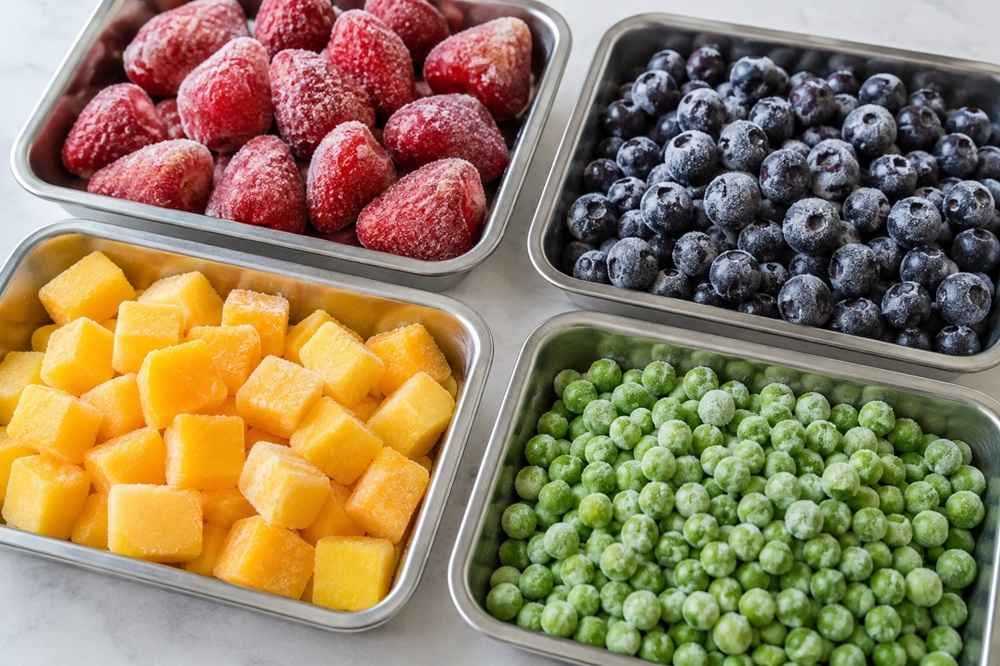
IQF stands for individual quick freezing. The process freezes separate pieces of food quickly and keeps them free-flowing, so users can take the portion they need without thawing a whole block. Common examples include berries, peas, mango pieces and shrimp.
Successful IQF production requires more than cold air. Product preparation, separation, freezing time, packaging and cold storage all affect the final result. This guide explains the process and the checks that help buyers compare equipment.
Which Foods Suit IQF?
IQF works across several food categories. Start with the product’s shape, size and handling needs, then confirm the process through a trial.
| Food category | Common examples | Questions to ask before a trial |
|---|---|---|
| Fruit | Strawberries, blueberries, mango cubes, peach slices | What size range and ripeness will production handle? How much breakage can the buyer accept? |
| Vegetables | Peas, corn kernels, broccoli florets, diced carrots | Does the product need blanching? How will the line control surface water? |
| Seafood | Shrimp, scallops, squid rings, fish portions | Will the line handle raw or cooked products? Does the specification include glazing? |
| Meat and poultry | Diced chicken, beef strips, meatballs | What thickness, fat content and surface condition will the trial represent? |
| Cheese | Mozzarella shreds, suitable cheese cubes | How will the system prevent sticking and maintain the required piece shape? |
| Herbs | Chopped parsley, cilantro and similar herbs | How will the line handle light pieces and limit fines? |
A successful trial on one food doesn’t prove equal performance on another.
The same freezer can deliver different outputs for peas, whole strawberries and mango cubes. Compare capacity figures only when suppliers state the product and operating conditions.
How Does IQF Work?
Rapid freezing limits the growth of large ice crystals. In a fluidized-bed system, upward cold airflow also lifts and separates suitable pieces. This combination helps protect texture and maintain separation.
1. Prepare the Product
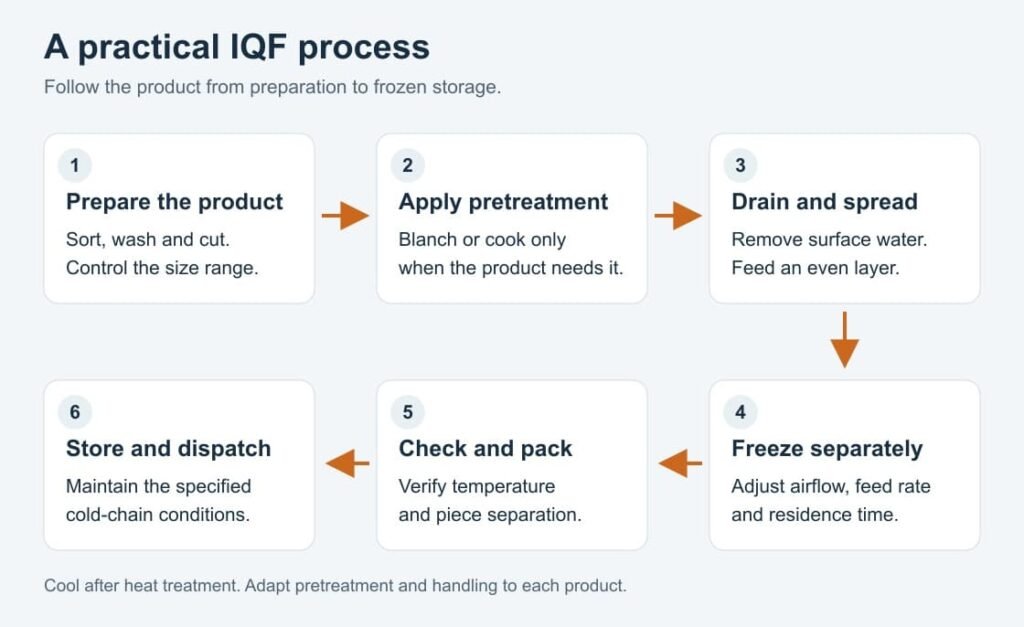
Sort the raw material, remove defects, and wash, peel or cut as the product requires. Control the size range to support consistent freezing.
Large variations in thickness make it harder to achieve a consistent product temperature at a single residence time.
2. Apply Suitable Pretreatment
Some vegetables need blanching followed by cooling. Cook products only when the recipe calls for it.
Match the treatment to the food. A process for cooked shrimp will differ from a process for raw shrimp or fresh berries.
3. Drain and Spread
Remove excess surface water and feed an even layer into the freezer. Check the infeed across the full working width.
Uneven loading can restrict airflow and create inconsistent freezing conditions. Excess surface water can also contribute to sticking and ice buildup.
4. Freeze Individual Pieces
Adjust airflow, feed rate and residence time to the product.
Some systems use an initial crust-freezing zone to firm the surface before deeper freezing. Match the separation method to the product’s weight, shape and handling tolerance.
5. Check and Pack
Verify the temperature and separation criteria, inspect the product, and pack promptly.
Check the result under representative production conditions. A few good samples from a light load don’t establish full-capacity performance.
6. Store and Dispatch
Move the packs into controlled frozen storage and maintain the cold chain through delivery.
Coordinate freezer discharge, packaging and storage capacity to avoid product queues in warm areas.
What is IQF Freezer?
IQF freezer removes heat rapidly while its airflow and handling system help keep pieces separate. Buyers should distinguish the cooling method from the equipment layout.
Mechanical systems use a refrigeration circuit to remove heat. Cryogenic systems use a consumable cryogen, such as liquid nitrogen or carbon dioxide.
| Equipment term | What it describes | What to confirm |
|---|---|---|
| Fluidized-bed freezer | Upward airflow lifts and separates suitable pieces | Product size, weight, stickiness and handling tolerance |
| Belt or tunnel freezer | A conveyor carries food through a freezing enclosure | Bed depth, residence time and separation method |
| Spiral freezer | A spiral conveyor provides a long belt path within a compact floor area | Product support, transfer points and the required freezing result |
| Cryogenic freezer | A system uses liquid nitrogen or carbon dioxide for cooling | Cryogen consumption, supply, exhaust and site requirements |
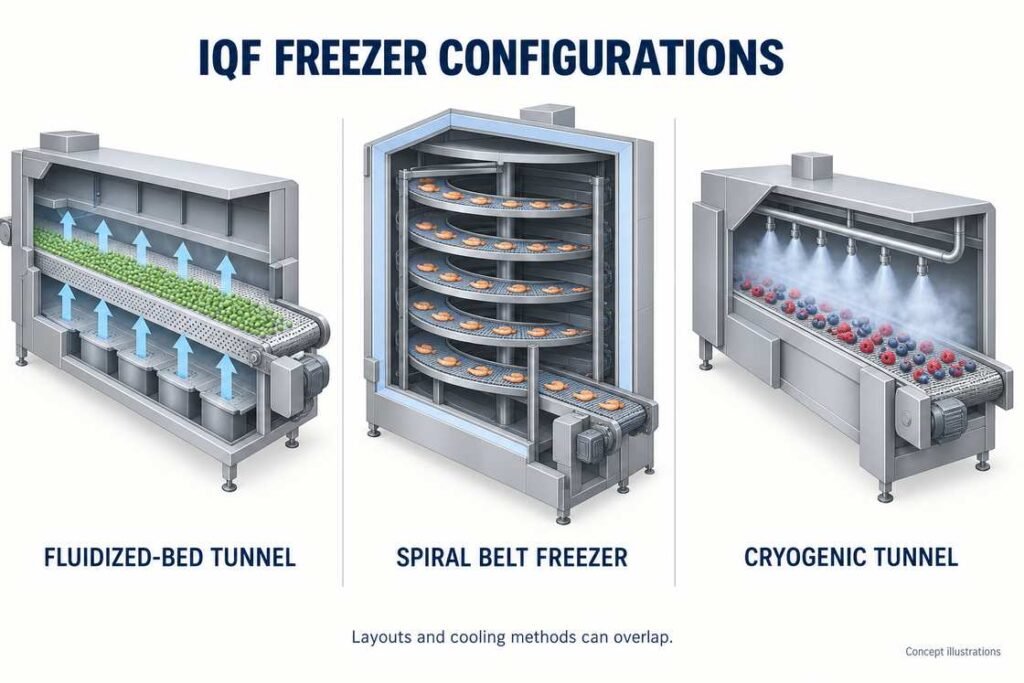
These categories overlap. A tunnel can use mechanical or cryogenic cooling. A tunnel or spiral layout alone doesn’t guarantee an IQF result.
Confirm separation and temperature performance with the intended product.
What Temperature Does IQF Freezing Require?
IQF has no single universal freezer temperature.
A useful specification separates the food temperature, the air temperature and the refrigerant evaporation temperature.
| Temperature | What it tells you | How to use it |
|---|---|---|
| Product infeed temperature | The food temperature before freezing | Include it in every capacity comparison |
| Freezer air temperature | The temperature of air around the product | Identify the measurement location and operating condition |
| Evaporation temperature | The refrigerant’s saturation temperature at the evaporating pressure | Use it when checking refrigeration capacity; don’t substitute it for air temperature |
| Product thermal-centre temperature | The warmest point inside the food at the end of freezing | Check it against the agreed freezing endpoint |
| Storage-room air temperature | The air condition during frozen storage | Set and monitor it to maintain the required product temperature |
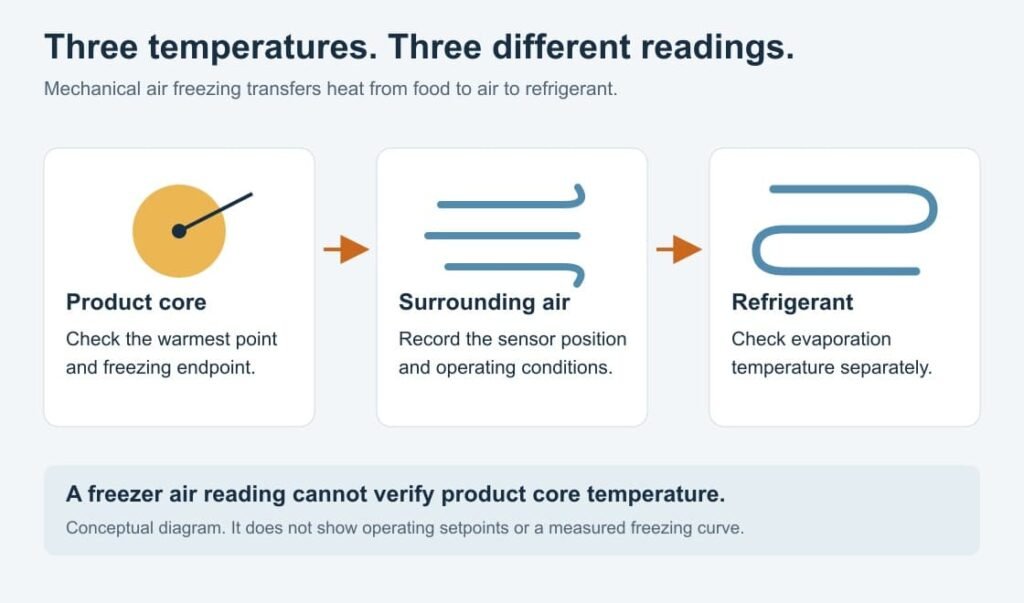
For quick-frozen foods, −18°C or colder at the thermal centre after temperature stabilization provides a common freezing-completion benchmark. Confirm the applicable product specification and destination requirements.
This benchmark describes the food temperature. It doesn’t prescribe the freezer’s air setting.
For example, a capacity specification may state:
- Product infeed temperature: +15°C.
- Product outfeed temperature: −18°C.
- Refrigerant evaporation temperature: −38°C.
These figures describe different conditions. The −38°C evaporation figure doesn’t mean that the freezer air or the product core also reaches −38°C.
How Long Does IQF Freezing Take?
Product thickness, composition, starting temperature, airflow and loading all affect freezing time.
Confirm the duration through a product trial. Record both residence time and the warmest product temperature; a timer alone cannot verify the endpoint.
Ask the supplier to explain the sampling method, probe location and measurement timing. Use the same method during acceptance testing.
What Is the Difference Between IQF and Blast Freezing?
IQF describes individual quick freezing and separation. Air-blast freezing describes a heat-transfer method that uses fast-moving cold air. A fluidized-bed IQF freezer can therefore use air-blast freezing.
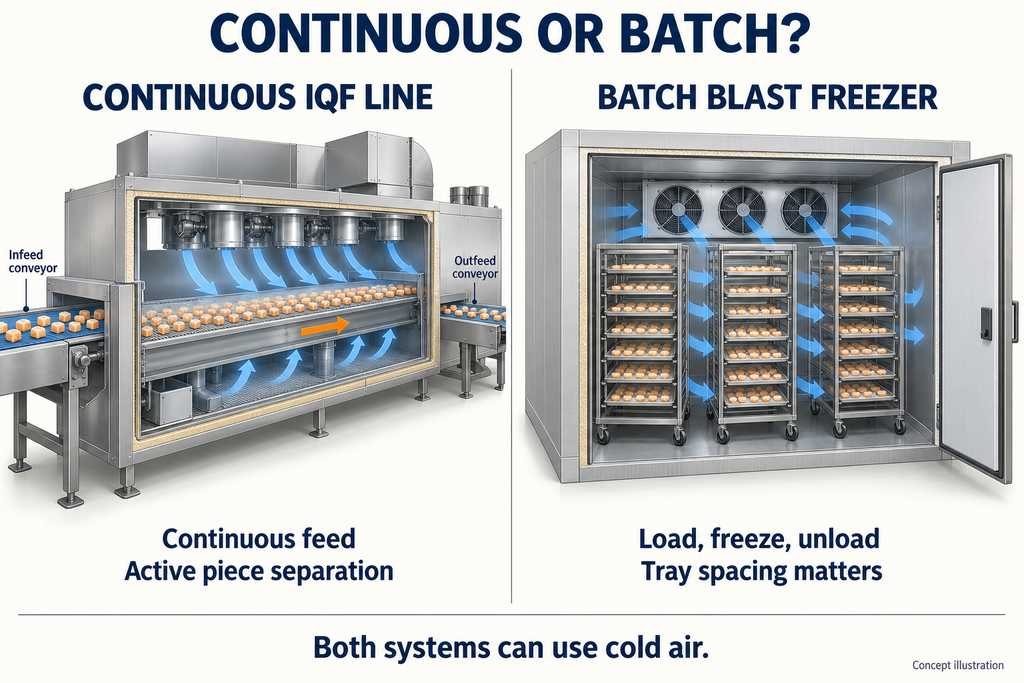
For purchasing decisions, a more useful comparison often involves a continuous IQF line and a batch blast freezer.
| Comparison point | Continuous IQF line | Batch blast freezer |
|---|---|---|
| Product movement | A conveyor or bed moves product through the system | Operators load and unload batches on trays, racks or trolleys |
| Separation | The line actively manages piece separation | Tray spacing and loading help determine separation |
| Production fit | Repeated production with a consistent feed | Batch schedules and changing loads |
| Capacity check | Verify kg/h under stated product conditions | Verify kg/batch and the full load-to-load cycle |
| Main trial questions | Do pieces remain separate? Does the line meet temperature and output targets? | Does every tray meet the endpoint? Does the loading pattern allow adequate airflow? |
Some batch systems can freeze individual pieces successfully. Likewise, an IQF line can handle industrial-scale output.
Choose equipment around the product, production schedule, separation requirements and verified capacity. Labels such as “small batch,” “large batch” or “more precise” provide too little information for a sound comparison.
IQF Packaging: What Should You Check?
IQF packaging should protect product quality while keeping individual portions convenient to use.
Freezer burn involves surface moisture loss. A suitable package helps control that loss, but it cannot compensate for poor temperature management.
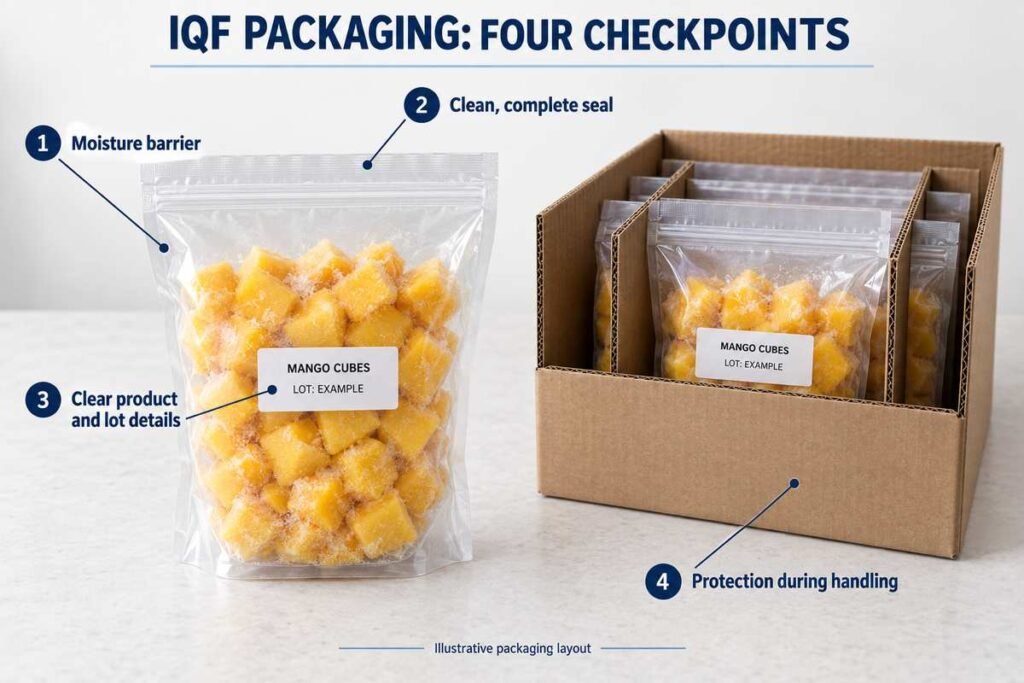
Use this checklist when discussing packs with a packaging supplier:
| Check | Practical question |
|---|---|
| Moisture barrier | Does the supplier provide water-vapour transmission data and relevant test conditions? |
| Oxygen protection | Does the product need additional protection against oxidation or flavour changes? |
| Low-temperature toughness | Will the film resist cracking, punctures and handling damage at the intended temperature? |
| Seal performance | Can the filling line keep product fragments and frost out of the seal area? |
| Pack size | Does the format support the buyer’s portion size and handling method? |
| Handling protection | Will the outer carton and stacking arrangement protect delicate pieces? |
1.Select Packaging for the Actual Product
Ask the supplier to confirm food-contact suitability for the intended food and market.
Test the actual filled pack through sealing, cold storage and handling. A film name or thickness alone cannot establish package performance.
2.Control Filling and Sealing
Limit product warming during packing. Keep product fragments and frost away from the seal area.
Check seals at startup and after changeovers. Include filled-pack handling tests when you qualify a new film or packaging format.
3.Match Pack Size to the Buyer
Retail buyers may need convenient portions and a reclosable pack. Foodservice and industrial buyers may need larger formats that fit their dispensing or production process.
Protect delicate products against excessive compression during packing, stacking and transport.
4.Use Clear Labels and Validated Shelf Life
Provide clear product identification, lot information, storage instructions and preparation guidance. Have the label reviewer check the destination market’s requirements.
Set shelf life through product-specific validation. Packaging, product composition and cold-chain conditions all influence quality retention.
Choose a recyclable structure when it also meets product protection and local collection requirements. Verify recycling claims for the destination market.
IQF vs. Cold Room Freezing: What Changes After the Freezer?
An IQF line removes the heat needed to freeze incoming food. A frozen-storage room holds product at the required temperature after freezing.
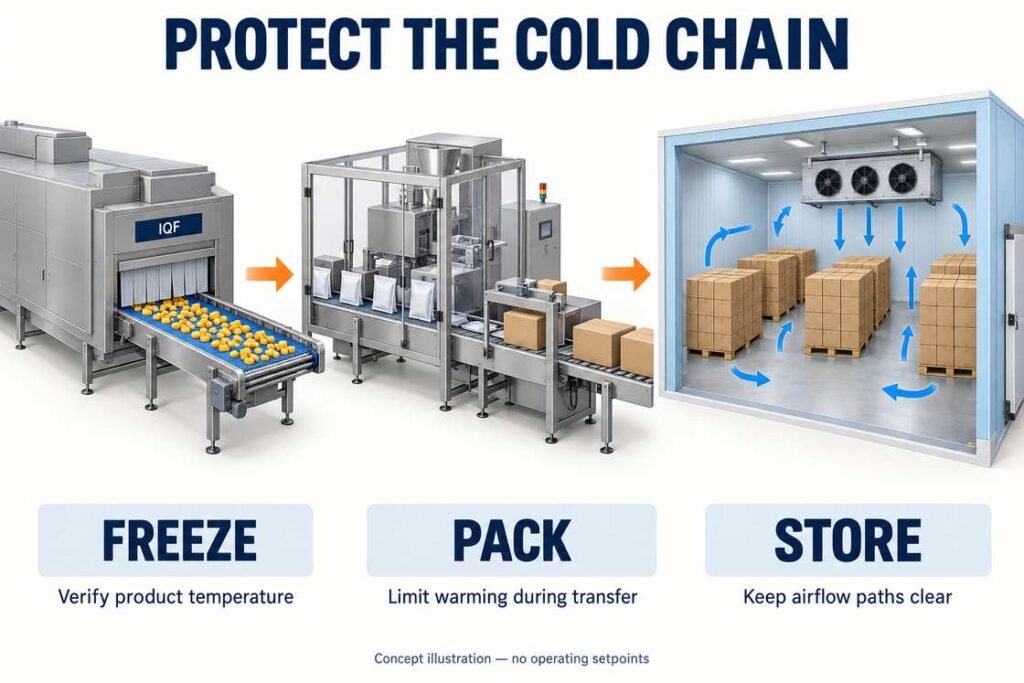
A purpose-built blast room can perform freezing duty, but an ordinary holding room may lack the capacity and airflow for the same load.
| System | Main task | Key design inputs |
|---|---|---|
| IQF line | Freeze individual pieces and maintain separation | Product dimensions, infeed temperature, hourly output and freezing endpoint |
| Blast-freezing room | Freeze a batch within a defined cycle | Batch weight, loading pattern, airflow and cycle time |
| Frozen-storage room | Maintain the temperature of incoming frozen product | Product arrival temperature, inventory, door traffic and ambient conditions |
For IQF foods, design storage conditions to maintain the required product temperature, commonly −18°C or colder. Confirm the applicable product specification and destination requirements.
Before sizing the cold room, document:
- Daily product intake and arrival temperature.
- Maximum storage quantity.
- Packaging and pallet arrangement.
- Door-opening frequency and handling time.
- Ambient temperature and humidity.
- Temperature monitoring and alarm requirements.
Keep clear airflow paths around stacks and evaporators. Include packaging and dispatch in the temperature-control plan.
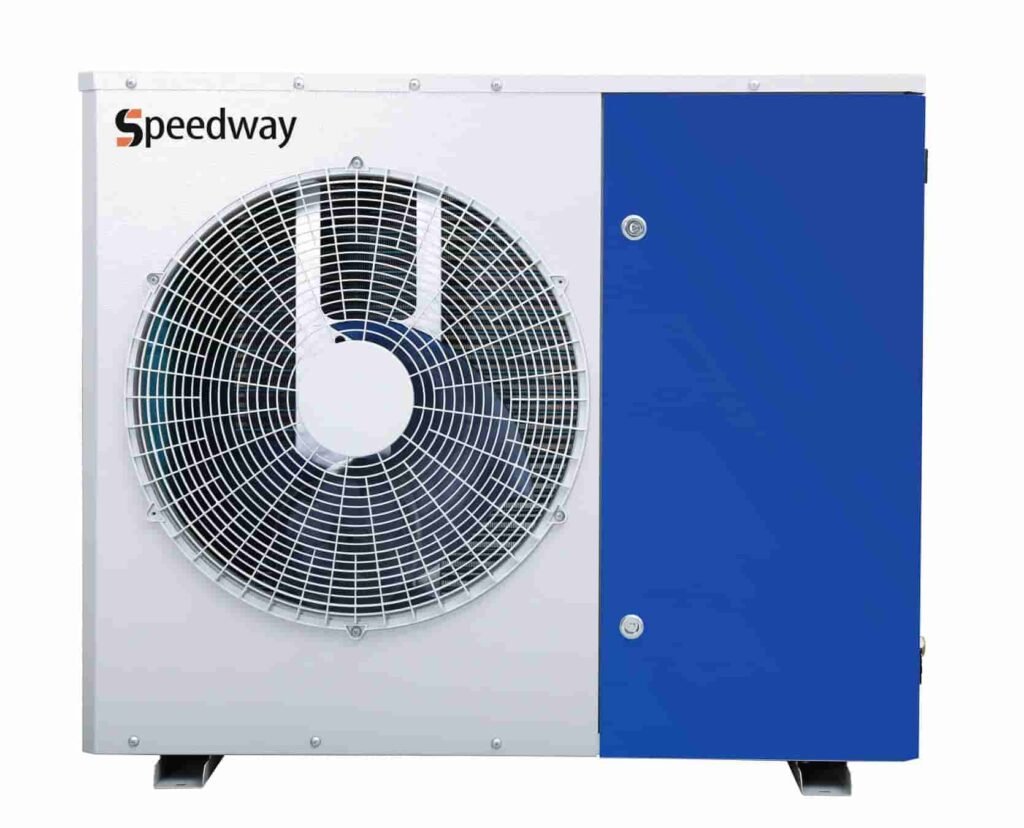
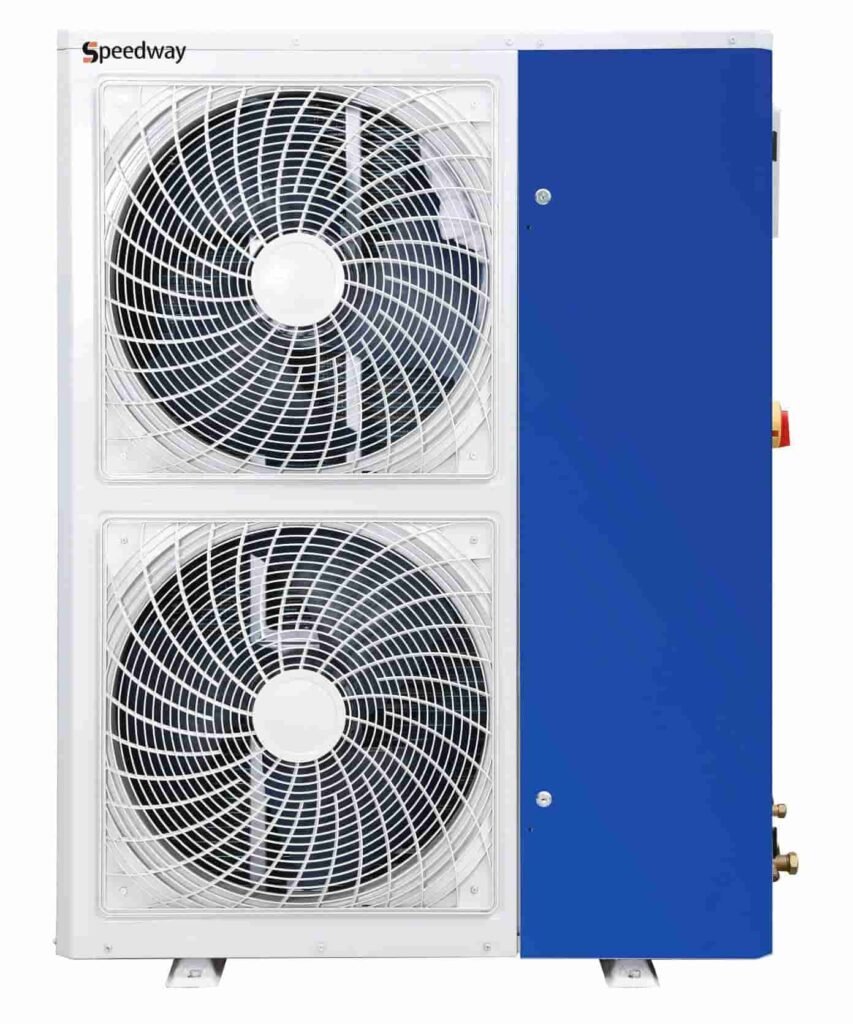
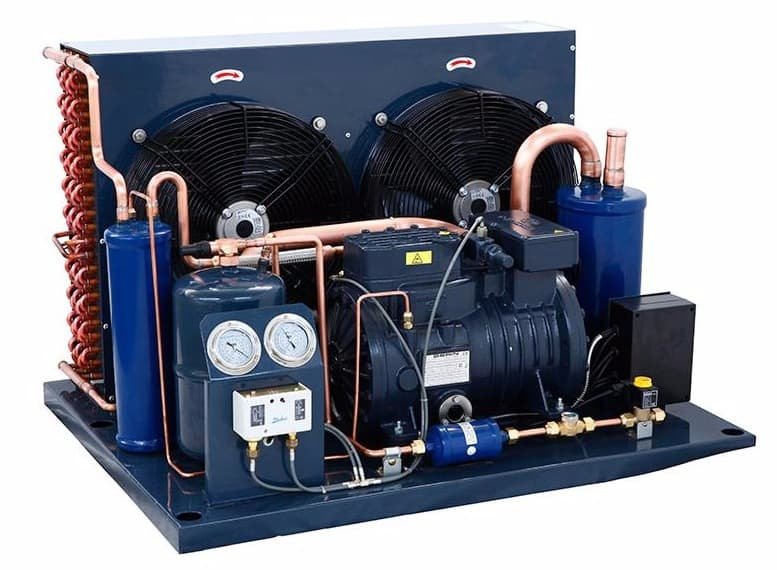
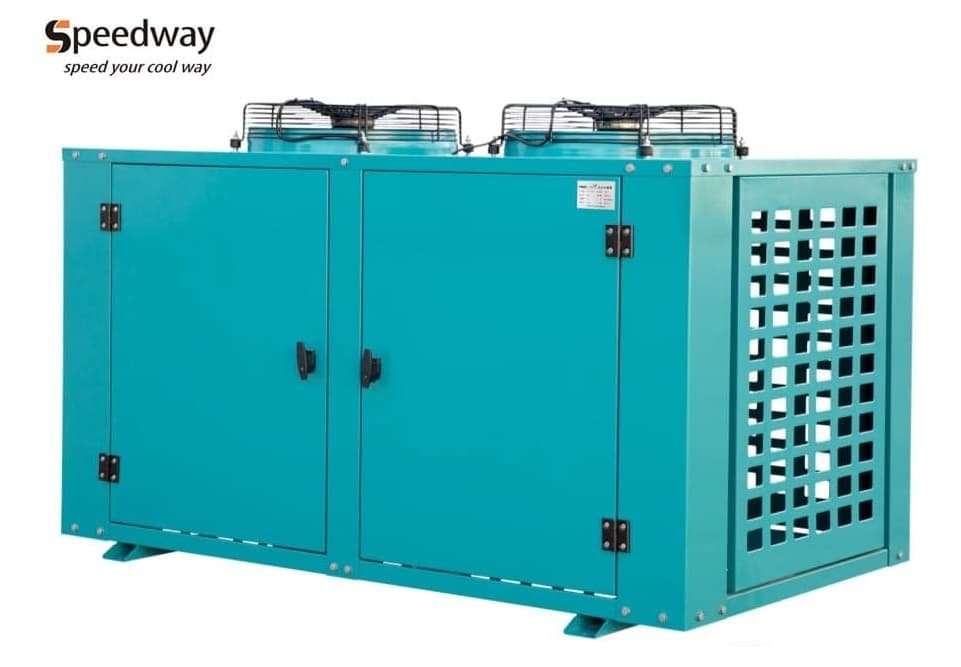
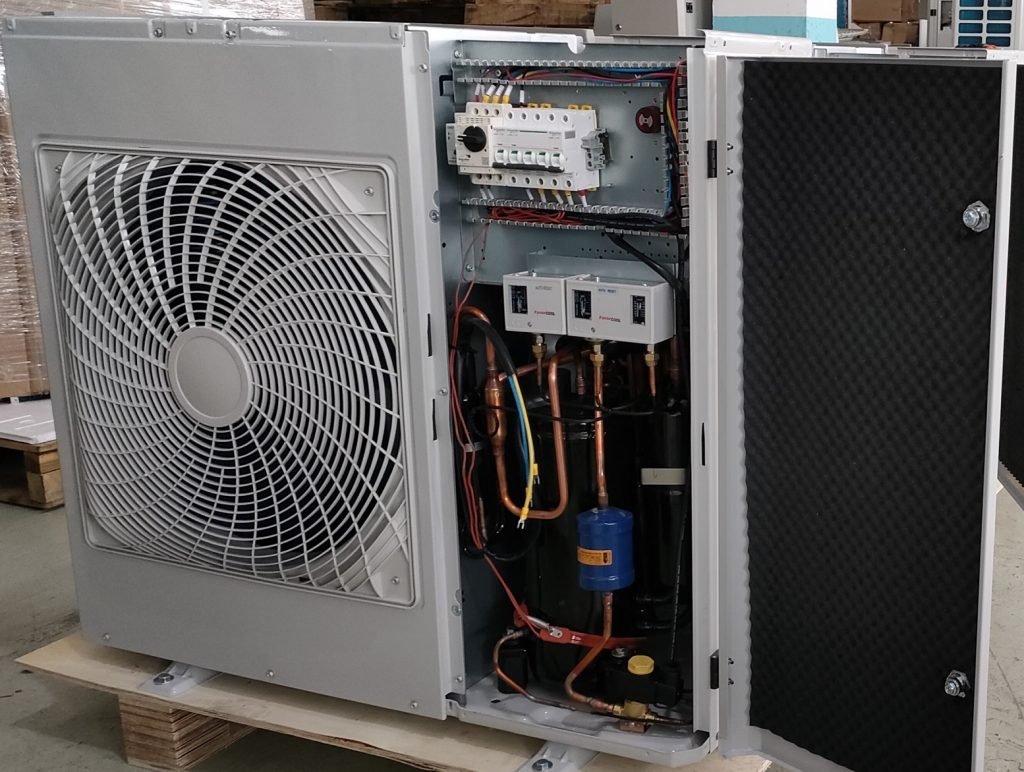
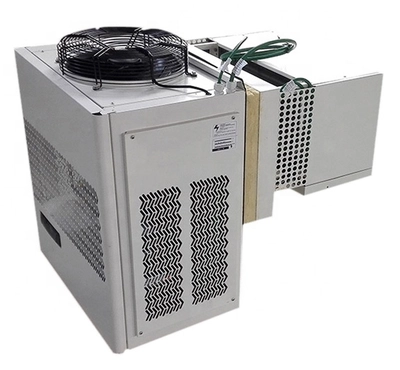
NOTICE: If your project needs downstream storage, review Speedway’s cold room solutions and condensing units alongside the freezer’s product discharge conditions.
How to Compare IQF Equipment and Running Costs?
Give every supplier the same product brief:
| Specification | Information to provide |
|---|---|
| Product | Food type, piece dimensions and size range |
| Infeed condition | Temperature, surface water and pretreatment |
| Production target | Required kg/h and daily production hours |
| Freezing endpoint | Target product temperature and measurement method |
| Quality limits | Acceptable clumping, breakage and weight loss |
| Site conditions | Available space, utilities and ambient conditions |
| Operating schedule | Cleaning, changeover and defrost expectations |
1.Compare Complete Operating Costs
Mechanical systems consume electricity across refrigeration and auxiliaries. Cryogenic systems also require a continuing cryogen supply.
Check both options against local prices and the expected production schedule. Include labor, cleaning, maintenance and production downtime in the comparison.
2.Define the Energy Measurement
For an electricity comparison, calculate:
Specific electricity use (kWh/kg) = electricity within the agreed system boundary ÷ acceptable product output over the same period.
State whether the boundary includes:
- Compressors.
- Evaporator and condenser fans.
- Pumps.
- Conveyors.
- Defrost.
- Other relevant auxiliaries.
Don’t compare one supplier’s fan-only figure with another supplier’s complete refrigeration figure.
For cryogenic equipment, also record cryogen consumption per kilogram of acceptable product and apply the local supply cost.
3.Verify Performance Through a Product Trial
At the trial, record operating settings, temperature results, acceptable output, clumps, breakage and energy use.
Agree on the sampling method and acceptance limits before the test. Keep the same definitions when comparing suppliers.
A useful trial should answer 3 questions:
- Does the product meet the temperature target?
- Does it meet the separation and quality limits?
- Can the system maintain the required output under representative operating conditions?
IQF Product Trial Record
SIMULATED DATA — FOR PLANNING ONLY
This example uses hypothetical mango-dicing and freezing conditions. It doesn’t represent an actual Speedway trial or verified equipment performance. The acceptance limits illustrate a possible buyer–supplier agreement; they don’t constitute universal industry standards.
1.Product and Operating Conditions
| Parameter | Example specification |
|---|---|
| Trial reference | IQF-MANGO-DEMO-001 |
| Product | Mango cubes |
| Nominal cube dimensions | 15 × 15 × 15 mm |
| Size tolerance | ±2 mm per dimension |
| Product preparation | Peel, dice, inspect and drain |
| Surface condition | No visible standing water at the infeed |
| Glazing | None |
| Freezer configuration | Continuous mechanical IQF tunnel with product-separation control |
| Product infeed temperature | +8°C target |
| Freezer air-temperature setting | −35°C |
| Refrigerant evaporation temperature | −42°C, assumed operating condition |
| Nominal product residence time | 12 minutes |
| Evaluation period | 60 minutes after operating conditions stabilize |
| Product input during evaluation | 500.0 kg |
| Sampling approach | Six checkpoints; three product-core readings per checkpoint |
| Temperature instrument | Calibrated fine-tip penetration probe |
| Measurement location | Thermal centre of representative cubes |
| Quality inspection | Sort and weigh the complete matched output lot |
2.Temperature Checkpoints
The operator samples three representative cubes across the discharge width at each checkpoint. The time column refers to the stabilized discharge evaluation period.
| Checkpoint | Time | Infeed temperature | Discharge-area air temperature | Core reading 1 | Core reading 2 | Core reading 3 | Warmest core reading |
|---|---|---|---|---|---|---|---|
| 1 | 5 min | +7.9°C | −35.2°C | −19.2°C | −18.8°C | −19.5°C | −18.8°C |
| 2 | 15 min | +8.1°C | −34.8°C | −19.0°C | −19.4°C | −18.6°C | −18.6°C |
| 3 | 25 min | +8.0°C | −35.4°C | −19.7°C | −19.1°C | −19.6°C | −19.1°C |
| 4 | 35 min | +8.2°C | −35.0°C | −19.0°C | −19.3°C | −18.9°C | −18.9°C |
| 5 | 45 min | +8.0°C | −34.9°C | −19.1°C | −18.7°C | −19.4°C | −18.7°C |
| 6 | 55 min | +7.8°C | −35.1°C | −19.2°C | −18.8°C | −19.5°C | −18.8°C |
| Temperature summary | Simulated result |
|---|---|
| Number of product-core readings | 18 |
| Average product-core temperature | −19.16°C |
| Warmest product-core reading | −18.6°C |
| Coldest product-core reading | −19.7°C |
| Readings at or below −18°C | 18 of 18 |
Attention: Every simulated sample meets the example’s discharge-core limit. An actual trial must also follow the agreed stabilization and verification procedure. Eighteen passing readings alone cannot establish the temperature of every piece.
3.Product Recovery and Quality Results
For this example, a clump contains two or more pieces that remain attached after the agreed gentle-separation test. A broken piece fails the agreed shape or size criterion. Inspectors use reference samples to apply both classifications consistently.
Inspectors classify each item once. They assign clumps first, then assess the remaining product for breakage.
| Measurement | Simulated result | Calculation or definition |
|---|---|---|
| Product input | 500.0 kg | Total matched-lot input |
| Total recovered output | 496.0 kg | Acceptable product plus clumps and broken pieces |
| Clumps | 4.0 kg | Separate inspection category |
| Broken pieces | 2.0 kg | Excludes product already counted as clumps |
| Acceptable product | 490.0 kg | 496.0 − 4.0 − 2.0 |
| Input–output mass difference | 4.0 kg | 500.0 − 496.0 |
| Mass difference as a share of input | 0.80% | 4.0 ÷ 500.0 × 100 |
| Clump rate | 0.81% | 4.0 ÷ 496.0 × 100 |
| Breakage rate | 0.40% | 2.0 ÷ 496.0 × 100 |
| Acceptable product yield | 98.00% | 490.0 ÷ 500.0 × 100 |
| Input throughput | 500.0 kg/h | 500.0 kg over 60 minutes |
| Acceptable output throughput | 490.0 kg/h | 490.0 kg over 60 minutes |
Don’t label the 0.80% mass difference as dehydration loss without further measurement. Evaporation, handling losses, retained material and weighing uncertainty can all affect the balance.
4.Example Acceptance Review
| Acceptance item | Illustrative limit | Simulated result | Example assessment |
|---|---|---|---|
| Input throughput | At least 500 kg/h | 500 kg/h | Meets example limit |
| Acceptable output throughput | At least 490 kg/h | 490 kg/h | Meets example limit |
| Warmest sampled discharge core | −18°C or colder | −18.6°C | Meets example limit |
| Clump rate | No more than 1.00% of recovered output | 0.81% | Meets example limit |
| Breakage rate | No more than 0.50% of recovered output | 0.40% | Meets example limit |
| Acceptable product yield | At least 98.00% of input | 98.00% | Meets example limit |
| Mass balance | Record and investigate the difference | 4.0 kg difference | Requires reconciliation in an actual trial |
| Continuous production between defrosts | Separate endurance test | No endurance data | No conclusion |
| Microbiological suitability | Separate product-safety verification | No microbiological data | No conclusion |
Conclusion: The simulated run satisfies the illustrative throughput, sampled-temperature and physical-quality criteria. It does not establish long-run performance, cleaning effectiveness, food safety or commercial equipment acceptance.
Frequently Asked Questions
Q1.Does IQF Kill Bacteria?
Don’t treat freezing as a general microbial kill step. Some microorganisms survive freezing and can grow when conditions become favorable.
Control hygiene and relevant hazards throughout production. Follow the product’s handling and cooking instructions.
Q2.Does IQF Require Liquid Nitrogen?
No. Mechanical refrigeration can support IQF production. Cryogenic equipment offers another cooling route.
Choose the process around the product, capacity and site economics.
Q3.Why Do IQF Pieces Clump Together?
Possible causes include excess surface water, uneven feeding, inadequate separation and warming after freezing.
Check where clumps first appear before changing freezer settings. Inspect product preparation, freezer discharge, packaging and storage conditions.
Q4.Can One Freezer Deliver the Same Capacity for Every Food?
No. Require a capacity statement for each important product and its operating conditions.
Start the comparison with product size and infeed temperature, then verify output and quality in a trial.
Q5.Can a Standard Cold Room Replace an IQF Freezer?
A standard cold room usually serves a different duty. It maintains frozen product temperature rather than rapidly freezing a continuous feed of individual pieces.
Check freezing load, airflow, separation and cycle requirements before considering an alternative system.
Plan the Freezing and Storage System Together
Define the product first. Compare freezing systems under matching conditions, check separation and temperature, and protect the result through packaging and cold storage.
Planning refrigeration or cold storage for an IQF project?
Send Speedway your product, hourly throughput, freezer discharge temperature, storage quantity and site conditions.