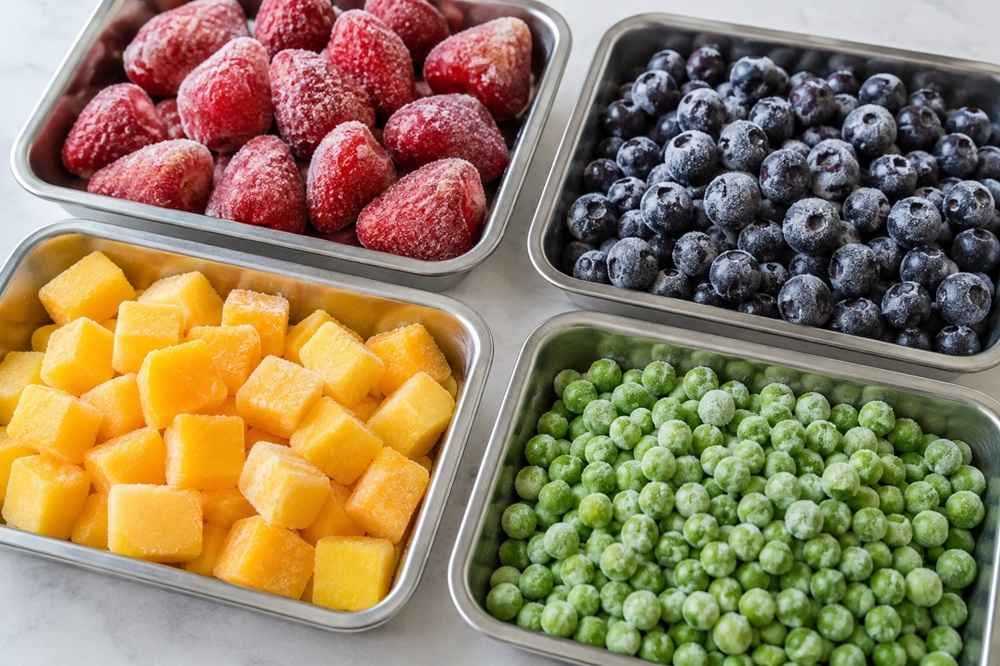
IQF لتقف علي التجميد السريع الفردي. تعمل هذه العملية على تجميد قطع منفصلة من الطعام بسرعة وتحافظ على تدفقها بحرية, حتى يتمكن المستخدمون من تناول الجزء الذي يحتاجونه دون ذوبان كتلة كاملة. وتشمل الأمثلة الشائعة التوت, البازلاء, قطع مانجو وروبيان.
يتطلب إنتاج IQF الناجح أكثر من مجرد الهواء البارد. إعداد المنتج, الانفصال, وقت التجميد, التعبئة والتغليف والتخزين البارد كلها تؤثر على النتيجة النهائية. يشرح هذا الدليل العملية وعمليات الفحص التي تساعد المشترين على مقارنة المعدات.
ما هي الأطعمة التي تناسب IQF؟?
يعمل IQF عبر عدة فئات غذائية. ابدأ بشكل المنتج, احتياجات الحجم والتعامل, ثم قم بتأكيد العملية من خلال التجربة.
| فئة الغذاء | أمثلة شائعة | أسئلة يجب طرحها قبل المحاكمة |
|---|---|---|
| فاكهة | فراولة, العنب البري, مكعبات المانجو, شرائح الخوخ | ما هو نطاق الحجم والنضج الذي سيتعامل معه الإنتاج? ما مقدار الكسر الذي يمكن أن يقبله المشتري? |
| خضار | بازيلاء, حبات الذرة, زهور البروكلي, جزر مقطعة إلى مكعبات | هل يحتاج المنتج إلى السلق؟? كيف سيتحكم الخط في المياه السطحية? |
| مأكولات بحرية | جمبري, الاسكالوب, حلقات الحبار, أجزاء الأسماك | هل سيتعامل الخط مع المنتجات النيئة أو المطبوخة? هل المواصفات تشمل الزجاج? |
| لحم و دواجن | دجاج مقطع مكعبات, شرائح لحم البقر, كرات اللحم | ما سمك, محتوى الدهون وحالة السطح سوف تمثل التجربة? |
| جبن | شرائح موزاريلا, مكعبات جبن مناسبة | كيف سيمنع النظام الالتصاق ويحافظ على شكل القطعة المطلوبة? |
| الأعشاب | البقدونس المفروم, الكزبرة والأعشاب المماثلة | كيف سيتعامل الخط مع القطع الخفيفة ويحد من الغرامات? |
إن التجربة الناجحة على أحد الأطعمة لا تثبت الأداء المتساوي على طعام آخر.
يمكن لنفس الفريزر تقديم مخرجات مختلفة للبازلاء, فراولة كاملة ومكعبات مانجو. لا تقارن أرقام السعة إلا عندما يذكر الموردون المنتج وظروف التشغيل.
كيف يعمل IQF?
يحد التجميد السريع من نمو بلورات الثلج الكبيرة. في نظام الطبقة المميعة, كما يعمل تدفق الهواء البارد التصاعدي على رفع القطع المناسبة وفصلها. يساعد هذا المزيج على حماية الملمس والحفاظ على الانفصال.
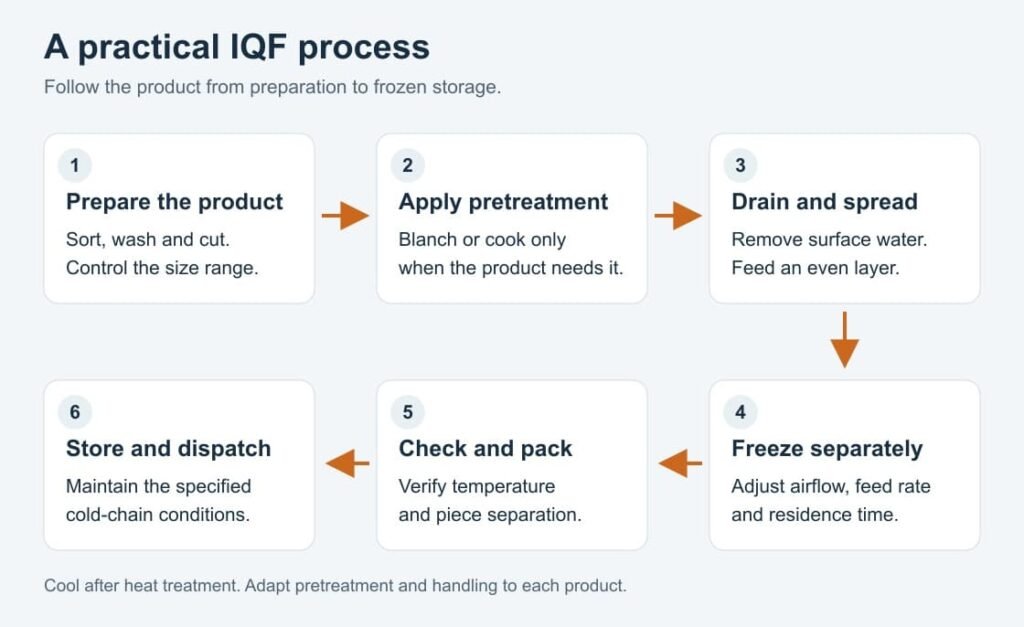
1. تحضير المنتج
فرز المواد الخام, إزالة العيوب, ويغسل, قشر أو قطع حسب ما يتطلبه المنتج. التحكم في نطاق الحجم لدعم التجميد المتسق.
الاختلافات الكبيرة في السُمك تجعل من الصعب تحقيق درجة حرارة ثابتة للمنتج في فترة إقامة واحدة.
2. تطبيق المعالجة المناسبة
تحتاج بعض الخضروات إلى السلق ثم التبريد. قم بطهي المنتجات فقط عندما تتطلب الوصفة ذلك.
مطابقة العلاج مع الطعام. تختلف عملية الروبيان المطبوخ عن عملية الروبيان الخام أو التوت الطازج.
3. استنزاف وانتشر
قم بإزالة المياه السطحية الزائدة وقم بتغذية طبقة متساوية في الفريزر. تحقق من التغذية عبر عرض العمل الكامل.
يمكن أن يؤدي التحميل غير المتساوي إلى تقييد تدفق الهواء وإنشاء ظروف تجميد غير متناسقة. يمكن أن تساهم المياه السطحية الزائدة أيضًا في الالتصاق وتراكم الجليد.
4. تجميد القطع الفردية
ضبط تدفق الهواء, معدل التغذية ووقت الإقامة للمنتج.
تستخدم بعض الأنظمة منطقة تجميد القشرة الأولية لتثبيت السطح قبل التجميد الأعمق. مطابقة طريقة الفصل مع وزن المنتج, الشكل والتعامل مع التسامح.
5. تحقق وحزم
التحقق من معايير درجة الحرارة والفصل, فحص المنتج, وحزم على الفور.
التحقق من النتيجة في ظل ظروف الإنتاج التمثيلية. لا تؤدي بعض العينات الجيدة من الحمل الخفيف إلى إنشاء أداء كامل السعة.
6. تخزين وإرسال
انقل العبوات إلى مخزن مجمد خاضع للرقابة وحافظ على سلسلة التبريد حتى التسليم.
تنسيق تفريغ الفريزر, سعة التعبئة والتغليف والتخزين لتجنب طوابير المنتجات في المناطق الدافئة.
ما هو فريزر IQF?
يقوم الفريزر IQF بإزالة الحرارة بسرعة بينما يساعد نظام تدفق الهواء والتعامل معه على إبقاء القطع منفصلة. يجب على المشترين التمييز بين طريقة التبريد وتخطيط المعدات.
الأنظمة الميكانيكية استخدام دائرة التبريد لإزالة الحرارة. الأنظمة المبردة استخدام المبرد المستهلكة, مثل النيتروجين السائل أو ثاني أكسيد الكربون.
| مصطلح المعدات | ما يصفه | ما للتأكيد |
|---|---|---|
| فريزر ذو طبقة مميعة | يرفع تدفق الهواء إلى الأعلى ويفصل القطع المناسبة | حجم المنتج, وزن, الالتصاق والتعامل مع التسامح |
| الفريزر الحزامي أو النفقي | يحمل الناقل الطعام من خلال حاوية التجميد | عمق السرير, مدة الإقامة وطريقة الانفصال |
| الفريزر الحلزوني | يوفر الناقل الحلزوني مسارًا طويلًا للحزام ضمن مساحة أرضية مدمجة | دعم المنتج, نقاط النقل ونتيجة التجميد المطلوبة |
| الفريزر المبرد | يستخدم النظام النيتروجين السائل أو ثاني أكسيد الكربون للتبريد | استهلاك الكريوجين, إمداد, متطلبات العادم والموقع |
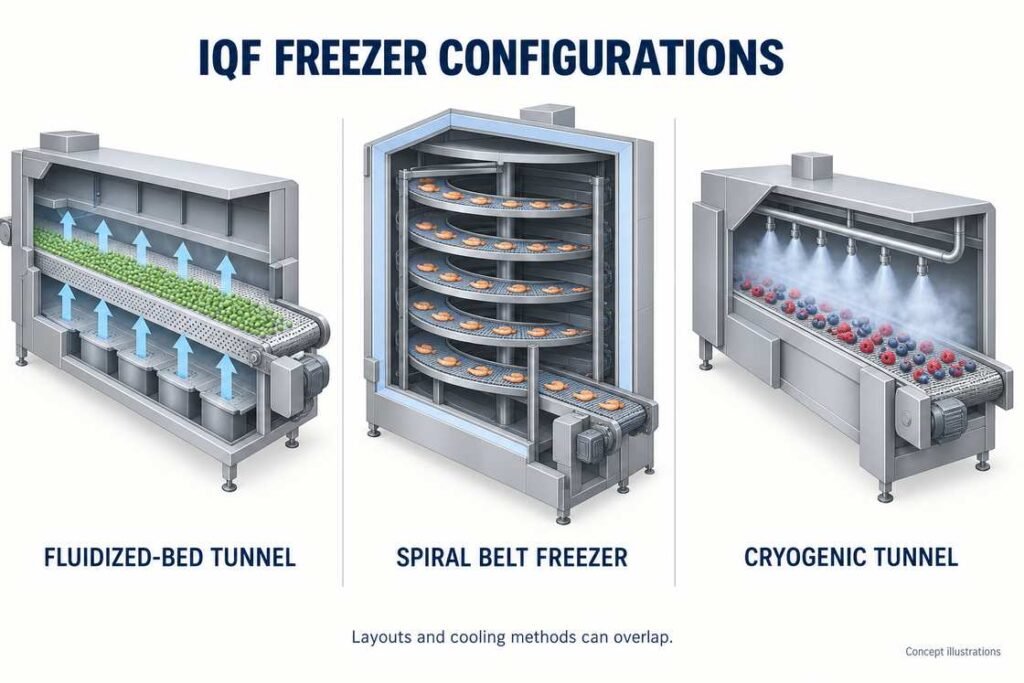
تتداخل هذه الفئات. يمكن أن يستخدم النفق التبريد الميكانيكي أو المبرد. لا يضمن التخطيط النفقي أو الحلزوني وحده نتيجة IQF.
تأكد من أداء الفصل ودرجة الحرارة مع المنتج المقصود.
ما هي درجة الحرارة التي يتطلبها تجميد IQF؟?
لا يحتوي IQF على درجة حرارة عالمية واحدة للفريزر.
مواصفات مفيدة تفصل درجة حرارة الطعام, درجة حرارة الهواء ودرجة حرارة تبخر مادة التبريد.
| درجة حرارة | ماذا يخبرك | كيفية استخدامه |
|---|---|---|
| درجة حرارة تغذية المنتج | درجة حرارة الطعام قبل التجميد | قم بإدراجها في كل مقارنة للقدرات |
| درجة حرارة الهواء الفريزر | درجة حرارة الهواء المحيط بالمنتج | تحديد موقع القياس وحالة التشغيل |
| درجة حرارة التبخر | درجة حرارة تشبع مادة التبريد عند ضغط التبخر | استخدامه عند التحقق من قدرة التبريد; لا تستبدله بدرجة حرارة الهواء |
| درجة حرارة المركز الحراري للمنتج | أدفأ نقطة داخل الطعام عند نهاية التجميد | التحقق من ذلك مقابل نقطة نهاية التجميد المتفق عليها |
| درجة حرارة الهواء في غرفة التخزين | حالة الهواء أثناء التخزين المجمد | قم بضبطه ومراقبته للحفاظ على درجة حرارة المنتج المطلوبة |
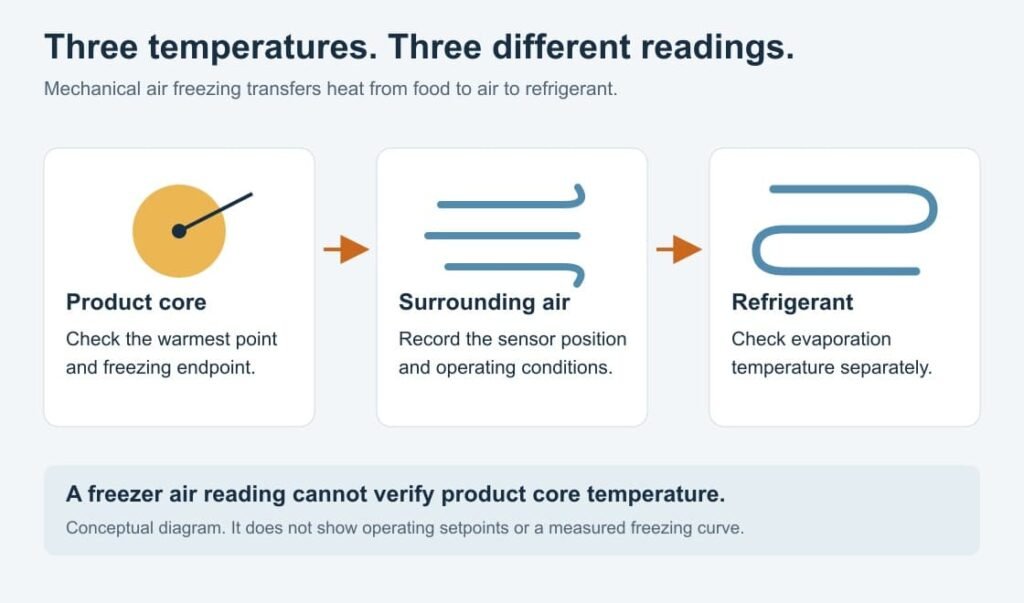
للأطعمة سريعة التجميد, -18 درجة مئوية أو أكثر برودة في المركز الحراري بعد استقرار درجة الحرارة يوفر معيارًا مشتركًا لاستكمال التجميد. قم بتأكيد مواصفات المنتج المعمول بها ومتطلبات الوجهة.
يصف هذا المعيار درجة حرارة الطعام. لا يصف إعداد الهواء في الفريزر.
على سبيل المثال, قد تنص مواصفات السعة على ما يلي::
- درجة حرارة تغذية المنتج: +15درجة مئوية.
- درجة حرارة إخراج المنتج: -18 درجة مئوية.
- درجة حرارة تبخر مادة التبريد: -38 درجة مئوية.
تصف هذه الأرقام ظروفًا مختلفة. رقم التبخر -38 درجة مئوية لا يعني أن هواء الفريزر أو قلب المنتج يصل أيضًا إلى -38 درجة مئوية.
كم من الوقت يستغرق تجميد IQF?
سمك المنتج, تعبير, درجة حرارة البداية, يؤثر تدفق الهواء والتحميل على وقت التجميد.
تأكيد المدة من خلال تجربة المنتج. قم بتسجيل وقت الإقامة ودرجة حرارة المنتج الأكثر دفئًا; لا يمكن للمؤقت وحده التحقق من نقطة النهاية.
اطلب من المورد شرح طريقة أخذ العينات, موقع التحقيق وتوقيت القياس. استخدم نفس الطريقة أثناء اختبار القبول.
ما هو الفرق بين IQF وتجميد الانفجار?
يصف IQF التجميد والفصل السريع الفردي. يصف تجميد الهواء طريقة نقل الحرارة التي تستخدم الهواء البارد سريع الحركة. وبالتالي يمكن لفريزر IQF ذو الطبقة المميعة استخدام التجميد الهوائي.
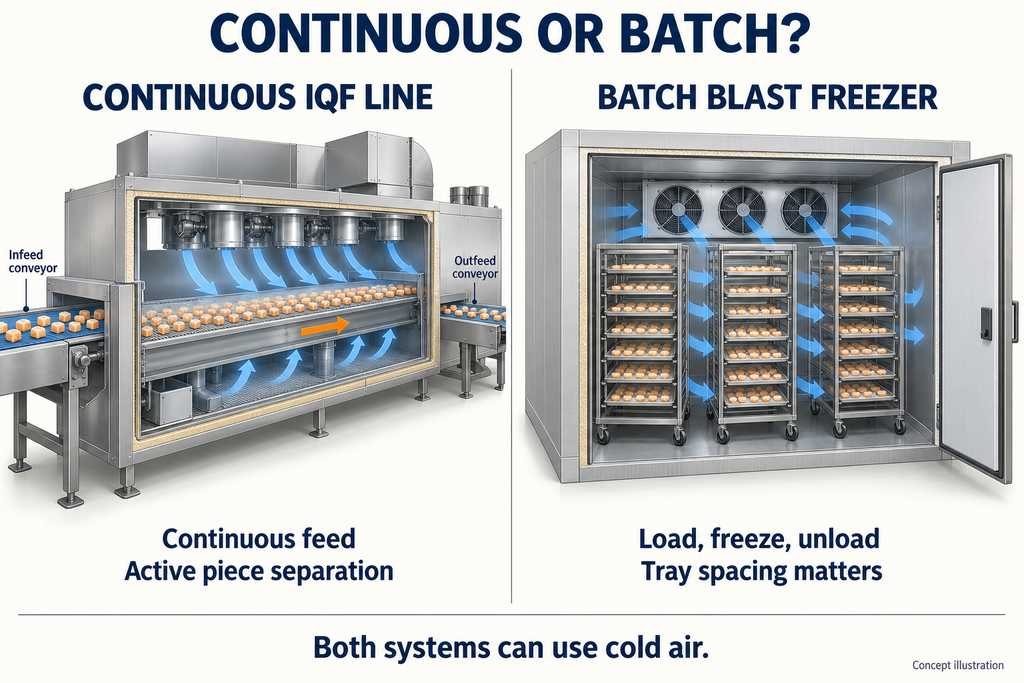
لقرارات الشراء, غالبًا ما تتضمن المقارنة الأكثر فائدة أ خط IQF المستمر وفريزر الانفجار.
| نقطة المقارنة | خط IQF المستمر | دفعة الفريزر الانفجار |
|---|---|---|
| حركة المنتج | يقوم الناقل أو السرير بنقل المنتج عبر النظام | يقوم المشغلون بتحميل وتفريغ الدُفعات على الصواني, رفوف أو عربات |
| الانفصال | يقوم الخط بإدارة عملية فصل القطع بشكل فعال | يساعد تباعد الدرج والتحميل في تحديد الانفصال |
| تناسب الإنتاج | الإنتاج المتكرر مع تغذية متسقة | جداول الدفعات والأحمال المتغيرة |
| فحص القدرات | تحقق من كجم/ساعة في ظل ظروف المنتج المذكورة | تحقق من كجم/دفعة ودورة التحميل إلى التحميل الكاملة |
| الأسئلة التجريبية الرئيسية | هل تبقى القطع منفصلة? هل يلبي الخط أهداف درجة الحرارة والإخراج؟? | هل يلتقي كل صينية بنقطة النهاية؟? هل يسمح نمط التحميل بتدفق هواء مناسب؟? |
يمكن لبعض أنظمة الدفعات تجميد القطع الفردية بنجاح. على نفس المنوال, يمكن لخط IQF التعامل مع الإنتاج على نطاق صناعي.
اختر المعدات المحيطة بالمنتج, جدول الإنتاج, متطلبات الفصل والقدرة التي تم التحقق منها. تسميات مثل "دفعة صغيرة,"توفر عبارة "دفعة كبيرة" أو "أكثر دقة" معلومات قليلة جدًا لإجراء مقارنة سليمة.
التعبئة والتغليف IQF: ما الذي يجب عليك التحقق منه?
يجب أن تحمي عبوات IQF جودة المنتج مع الحفاظ على الأجزاء الفردية ملائمة للاستخدام.
حرق الفريزر ينطوي على فقدان الرطوبة السطحية. الحزمة المناسبة تساعد في السيطرة على تلك الخسارة, لكنها لا تستطيع التعويض عن سوء إدارة درجة الحرارة.
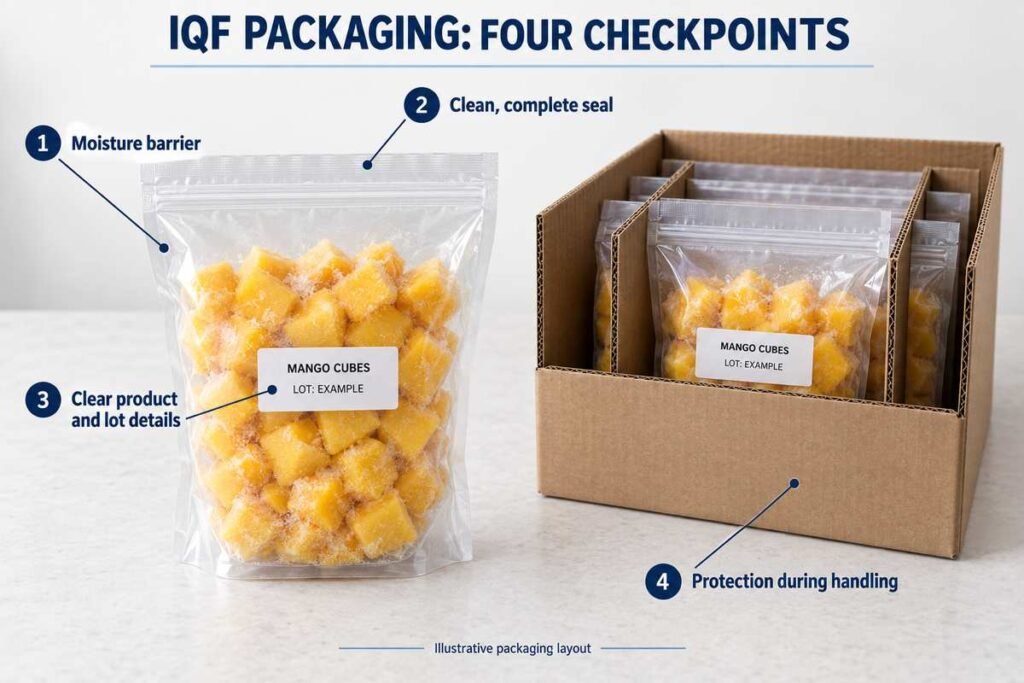
استخدم قائمة المراجعة هذه عند مناقشة الحزم مع مورد التغليف:
| يفحص | سؤال عملي |
|---|---|
| حاجز الرطوبة | هل يوفر المورد بيانات نقل بخار الماء وشروط الاختبار ذات الصلة? |
| حماية الأكسجين | هل يحتاج المنتج إلى حماية إضافية ضد الأكسدة أو تغيرات النكهة? |
| صلابة درجات الحرارة المنخفضة | هل سيقاوم الفيلم التشقق؟, الثقوب والتعامل مع الضرر عند درجة الحرارة المقصودة? |
| أداء الختم | هل يمكن لخط التعبئة أن يحافظ على أجزاء المنتج والصقيع خارج منطقة الختم? |
| حجم العبوة | هل يدعم التنسيق حجم جزء المشتري وطريقة التعامل معه؟? |
| حماية التعامل | هل يحمي الكرتون الخارجي وترتيب التراص القطع الحساسة؟? |
1.حدد التغليف للمنتج الفعلي
اطلب من المورد التأكد من ملاءمة ملامسة الطعام للأغذية والسوق المقصودة.
اختبر العبوة المملوءة فعليًا من خلال الختم, التخزين البارد والتعامل معها. لا يمكن لاسم الفيلم أو سُمكه وحده تحديد أداء العبوة.
2.التحكم في التعبئة والختم
الحد من ارتفاع درجة حرارة المنتج أثناء التعبئة. احتفظ بأجزاء المنتج والصقيع بعيدًا عن منطقة الختم.
التحقق من الأختام عند بدء التشغيل وبعد التغييرات. قم بتضمين اختبارات التعامل مع العبوات المعبأة عندما تكون مؤهلاً لفيلم أو تنسيق تعبئة جديد.
3.مطابقة حجم العبوة للمشتري
قد يحتاج مشترو التجزئة إلى أجزاء مناسبة وحزمة قابلة لإعادة الإغلاق. قد يحتاج مشترو الخدمات الغذائية والصناعية إلى تنسيقات أكبر تناسب عملية التوزيع أو الإنتاج الخاصة بهم.
حماية المنتجات الحساسة من الضغط الزائد أثناء التعبئة, التراص والنقل.
4.استخدم ملصقات واضحة ومدة صلاحية تم التحقق منها
تقديم تعريف واضح للمنتج, الكثير من المعلومات, تعليمات التخزين وإرشادات التحضير. اطلب من مراجع الملصقات التحقق من متطلبات السوق الوجهة.
ضبط مدة الصلاحية من خلال التحقق من صحة المنتج المحدد. التعبئة والتغليف, يؤثر تكوين المنتج وظروف سلسلة التبريد على الاحتفاظ بالجودة.
اختر هيكلًا قابلاً لإعادة التدوير عندما يلبي أيضًا متطلبات حماية المنتج والجمع المحلي. التحقق من مطالبات إعادة التدوير للسوق الوجهة.
IQF مقابل. تجميد الغرفة الباردة: ماذا يتغير بعد الفريزر?
يقوم خط IQF بإزالة الحرارة اللازمة لتجميد الأطعمة الواردة. تحتفظ غرفة التخزين المجمدة بالمنتج عند درجة الحرارة المطلوبة بعد التجميد.
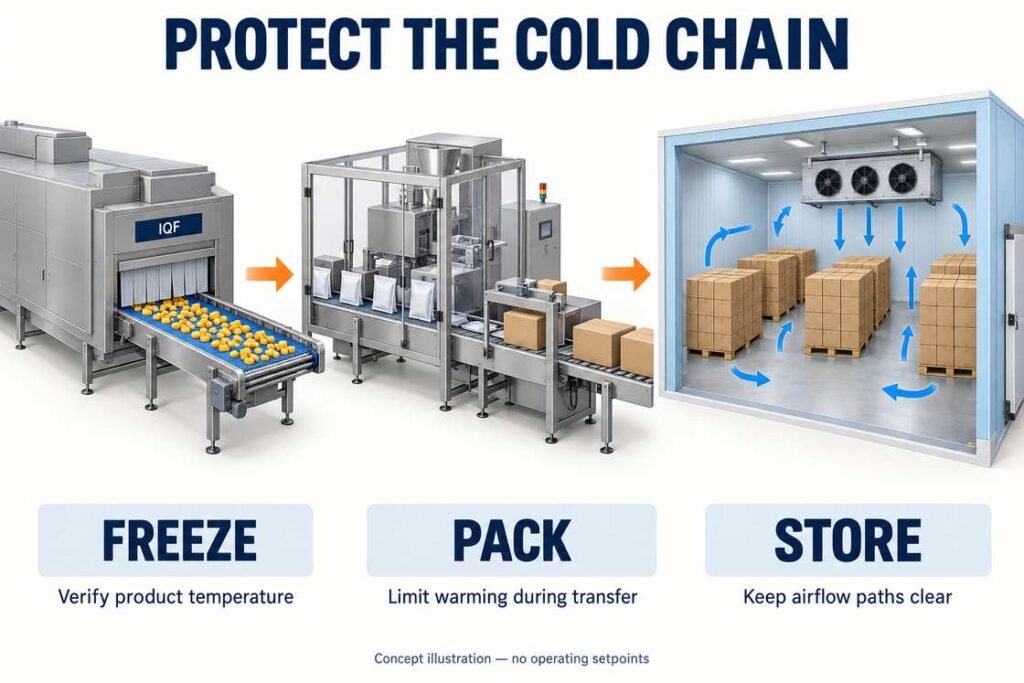
يمكن لغرفة الانفجار المصممة لهذا الغرض أن تؤدي مهمة التجميد, لكن غرفة الحجز العادية قد تفتقر إلى القدرة وتدفق الهواء لنفس الحمولة.
| نظام | المهمة الرئيسية | مدخلات التصميم الرئيسية |
|---|---|---|
| خط اي كيو اف | تجميد القطع الفردية والحفاظ على الانفصال | أبعاد المنتج, درجة حرارة التغذية, الإخراج بالساعة ونقطة النهاية للتجميد |
| غرفة تجميد الانفجار | تجميد دفعة خلال دورة محددة | وزن الدفعة, نمط التحميل, تدفق الهواء ووقت الدورة |
| غرفة تخزين مجمدة | الحفاظ على درجة حرارة المنتج المجمد الوارد | درجة حرارة وصول المنتج, جرد, حركة الباب والظروف المحيطة |
للأطعمة IQF, تصميم ظروف التخزين للحفاظ على درجة حرارة المنتج المطلوبة, عادة -18 درجة مئوية أو أكثر برودة. قم بتأكيد مواصفات المنتج المعمول بها ومتطلبات الوجهة.
قبل تغيير حجم الغرفة الباردة, وثيقة:
- تناول المنتج اليومي ودرجة حرارة الوصول.
- الحد الأقصى لكمية التخزين.
- ترتيب التعبئة والتغليف والبليت.
- تردد فتح الباب ووقت التعامل.
- درجة الحرارة المحيطة والرطوبة.
- مراقبة درجة الحرارة ومتطلبات الإنذار.
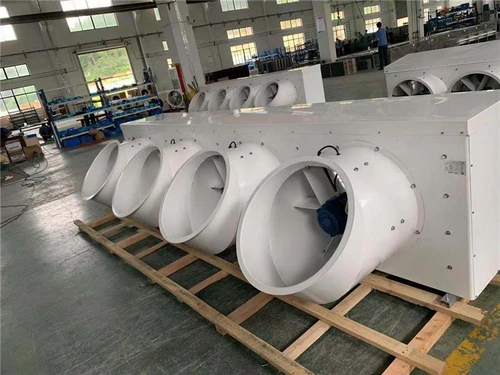
حافظ على مسارات تدفق الهواء واضحة حول المداخن والمبخرات. قم بتضمين التغليف والإرسال في خطة التحكم في درجة الحرارة.
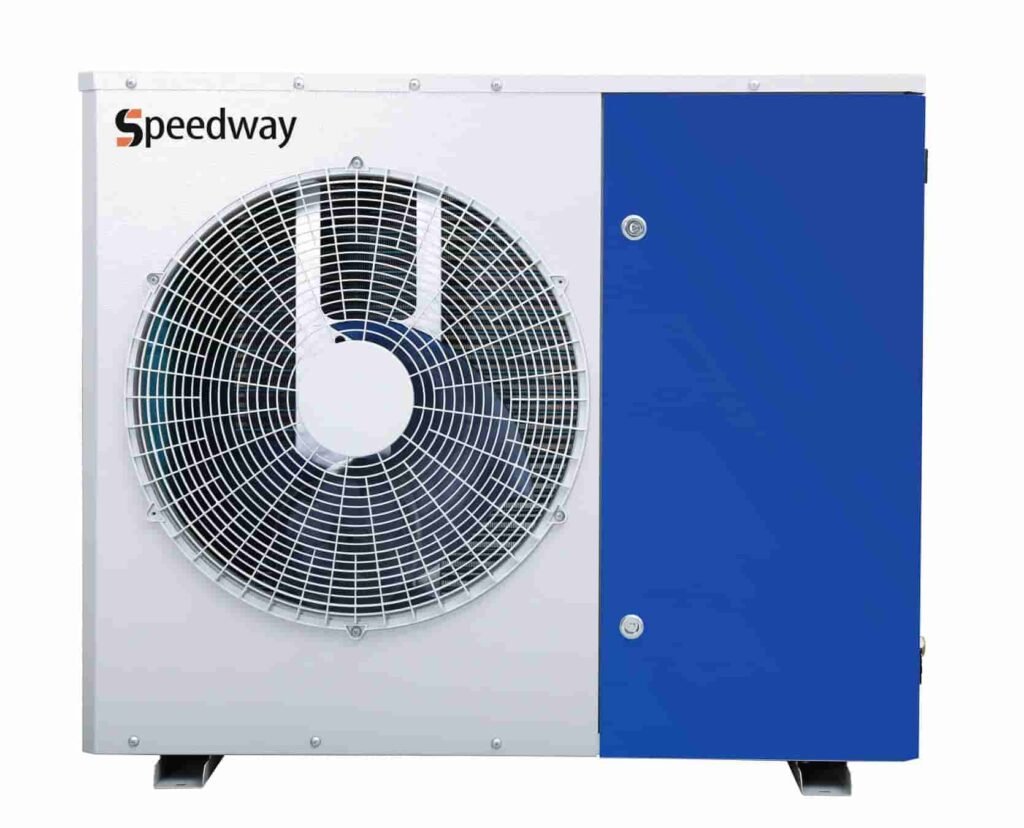
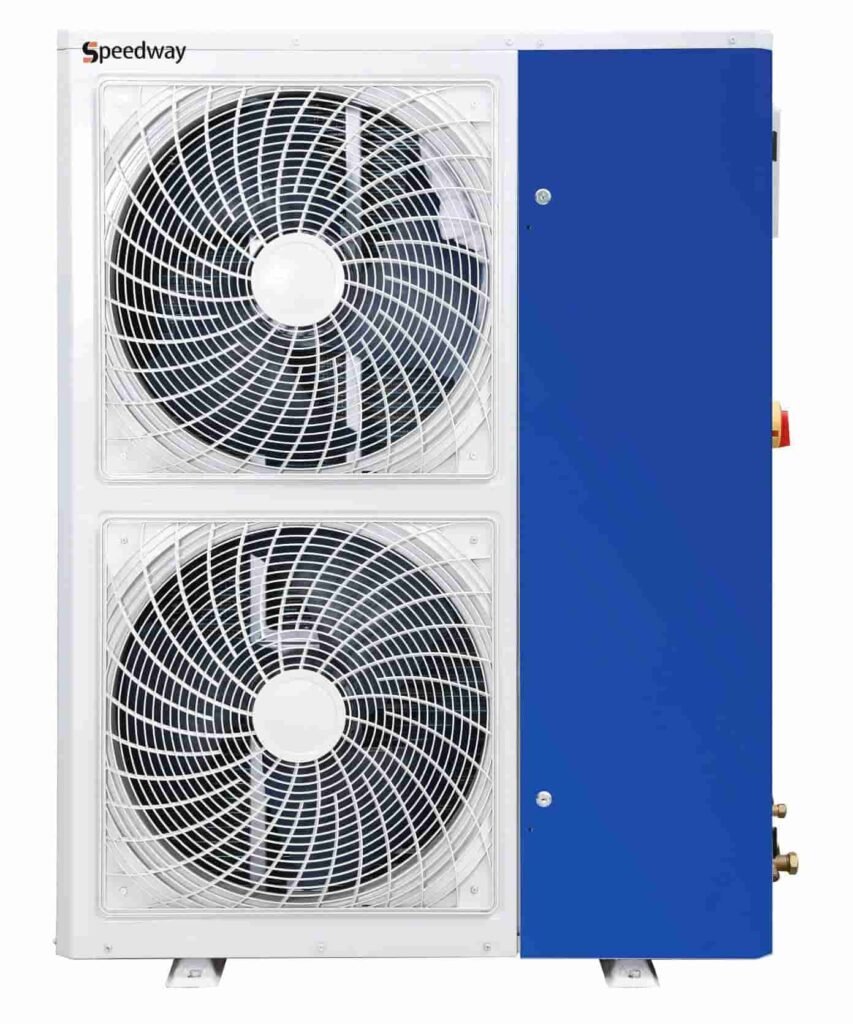
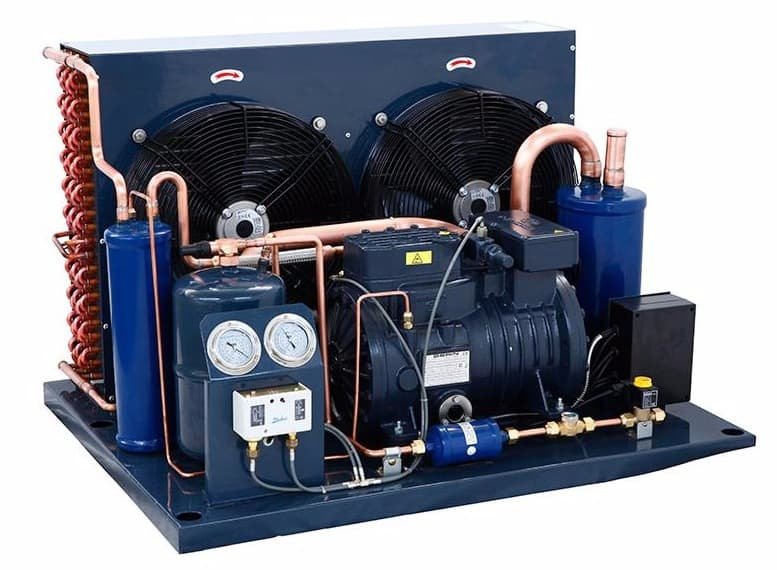
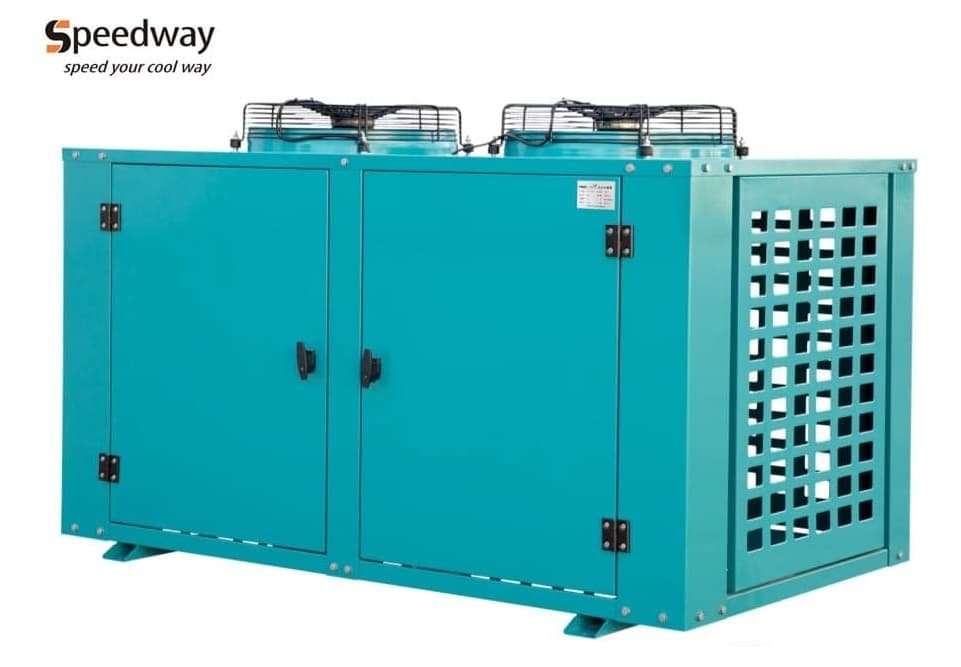
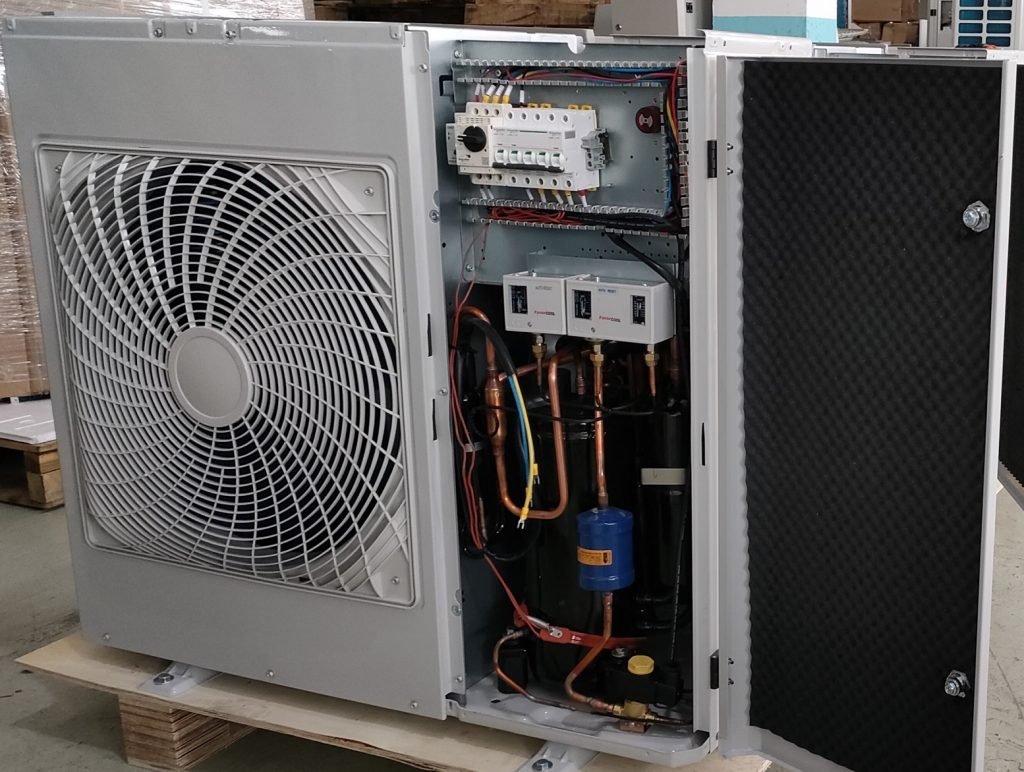
يلاحظ: إذا كان مشروعك يحتاج إلى تخزين المصب, مراجعة سباق الدراجات النارية حلول الغرفة الباردة و وحدات التكثيف إلى جانب شروط تفريغ منتج الفريزر.
كيفية مقارنة معدات IQF وتكاليف التشغيل?
أعط كل مورد نفس ملخص المنتج:
| تخصيص | المعلومات التي يجب تقديمها |
|---|---|
| منتج | نوع الغذاء, أبعاد القطعة ونطاق الحجم |
| حالة التغذية | درجة حرارة, المياه السطحية والمعالجة المسبقة |
| هدف الإنتاج | مطلوب كجم / ساعة وساعات الإنتاج اليومية |
| تجميد نقطة النهاية | درجة حرارة المنتج المستهدفة وطريقة القياس |
| حدود الجودة | التكتل مقبول, الكسر وفقدان الوزن |
| ظروف الموقع | المساحة المتوفرة, المرافق والظروف المحيطة |
| جدول التشغيل | تنظيف, التحول وتذويب التوقعات |
1.قارن تكاليف التشغيل الكاملة
تستهلك الأنظمة الميكانيكية الكهرباء عبر أجهزة التبريد والأدوات المساعدة. تتطلب الأنظمة المبردة أيضًا إمدادًا مستمرًا بالكريوجين.
تحقق من كلا الخيارين مقابل الأسعار المحلية وجدول الإنتاج المتوقع. تشمل العمالة, تنظيف, توقف الصيانة والإنتاج في المقارنة.
2.تعريف قياس الطاقة
لمقارنة الكهرباء, احسب:
استخدامات محددة للكهرباء (kWh/kg) = الكهرباء ضمن حدود النظام المتفق عليها ÷ إنتاج المنتج المقبول خلال نفس الفترة.
اذكر ما إذا كانت الحدود تشمل:
- الضواغط.
- مراوح المبخر والمكثف.
- مضخات.
- الناقلون.
- تذويب.
- العوامل المساعدة الأخرى ذات الصلة.
لا تقارن مجسم المروحة فقط الخاص بأحد الموردين مع مجسم التبريد الكامل الخاص بمورد آخر.
للمعدات المبردة, قم أيضًا بتسجيل استهلاك الكريوجين لكل كيلوغرام من المنتج المقبول وتطبيق تكلفة التوريد المحلية.
3.التحقق من الأداء من خلال تجربة المنتج
في المحاكمة, سجل إعدادات التشغيل, نتائج درجة الحرارة, مخرجات مقبولة, كتل, الكسر واستخدام الطاقة.
الاتفاق على طريقة أخذ العينات وحدود القبول قبل الاختبار. احتفظ بنفس التعريفات عند مقارنة الموردين.
يجب أن تجيب تجربة مفيدة 3 أسئلة:
- هل يلبي المنتج درجة الحرارة المستهدفة؟?
- هل يفي بحدود الفصل والجودة?
- هل يمكن للنظام الحفاظ على الإخراج المطلوب في ظل ظروف التشغيل التمثيلية?
سجل تجربة منتج IQF
بيانات محاكاة – للتخطيط فقط
يستخدم هذا المثال ظروف افتراضية لتقطيع المانجو وتجميدها. إنه لا يمثل تجربة سباق الدراجات النارية الفعلية أو أداء المعدات الذي تم التحقق منه. توضح حدود القبول اتفاقية محتملة بين المشتري والمورد; فهي لا تشكل معايير صناعية عالمية.
1.المنتج وظروف التشغيل
| المعلمة | مواصفات المثال |
|---|---|
| مرجع المحاكمة | IQF-مانجو-ديمو-001 |
| منتج | مكعبات مانجو |
| أبعاد المكعب الاسمية | 15 × 15 × 15 مم |
| التسامح الحجم | ±2 مم لكل بعد |
| إعداد المنتج | قشر, النرد, فحص واستنزاف |
| حالة السطح | لا توجد مياه راكدة مرئية عند التغذية |
| تزجيج | لا أحد |
| تكوين الفريزر | نفق IQF ميكانيكي مستمر مع التحكم في فصل المنتج |
| درجة حرارة تغذية المنتج | +8درجة مئوية الهدف |
| ضبط درجة حرارة الهواء في الفريزر | -35 درجة مئوية |
| درجة حرارة تبخر مادة التبريد | -42 درجة مئوية, حالة التشغيل المفترضة |
| مدة بقاء المنتج الاسمية | 12 دقائق |
| فترة التقييم | 60 دقائق بعد استقرار ظروف التشغيل |
| إدخال المنتج أثناء التقييم | 500.0 كلغ |
| نهج أخذ العينات | ستة نقاط تفتيش; ثلاث قراءات أساسية للمنتج لكل نقطة تفتيش |
| أداة درجة الحرارة | معايرة مسبار الاختراق ذو الأطراف الدقيقة |
| موقع القياس | المركز الحراري للمكعبات التمثيلية |
| فحص الجودة | قم بفرز ووزن مجموعة المخرجات المطابقة الكاملة |
2.نقاط تفتيش درجة الحرارة
يقوم المشغل بأخذ عينات من ثلاثة مكعبات تمثيلية عبر عرض التفريغ عند كل نقطة تفتيش. يشير العمود الزمني إلى فترة تقييم التفريغ المستقر.
| نقطة تفتيش | وقت | درجة حرارة التغذية | درجة حرارة الهواء في منطقة التفريغ | القراءة الأساسية 1 | القراءة الأساسية 2 | القراءة الأساسية 3 | أحر القراءة الأساسية |
|---|---|---|---|---|---|---|---|
| 1 | 5 دقيقة | +7.9درجة مئوية | -35.2 درجة مئوية | -19.2 درجة مئوية | -18.8 درجة مئوية | -19.5 درجة مئوية | -18.8 درجة مئوية |
| 2 | 15 دقيقة | +8.1درجة مئوية | -34.8 درجة مئوية | -19.0 درجة مئوية | -19.4 درجة مئوية | -18.6 درجة مئوية | -18.6 درجة مئوية |
| 3 | 25 دقيقة | +8.0درجة مئوية | -35.4 درجة مئوية | -19.7 درجة مئوية | -19.1 درجة مئوية | -19.6 درجة مئوية | -19.1 درجة مئوية |
| 4 | 35 دقيقة | +8.2درجة مئوية | -35.0 درجة مئوية | -19.0 درجة مئوية | -19.3 درجة مئوية | -18.9 درجة مئوية | -18.9 درجة مئوية |
| 5 | 45 دقيقة | +8.0درجة مئوية | -34.9 درجة مئوية | -19.1 درجة مئوية | -18.7 درجة مئوية | -19.4 درجة مئوية | -18.7 درجة مئوية |
| 6 | 55 دقيقة | +7.8درجة مئوية | -35.1 درجة مئوية | -19.2 درجة مئوية | -18.8 درجة مئوية | -19.5 درجة مئوية | -18.8 درجة مئوية |
| ملخص درجات الحرارة | نتيجة محاكاة |
|---|---|
| عدد القراءات الأساسية للمنتج | 18 |
| متوسط درجة الحرارة الأساسية للمنتج | -19.16 درجة مئوية |
| أحر القراءة الأساسية للمنتج | -18.6 درجة مئوية |
| أبرد قراءة للمنتج الأساسي | -19.7 درجة مئوية |
| قراءات عند أو أقل من -18 درجة مئوية | 18 ل 18 |
انتباه: تفي كل عينة تمت محاكاتها بحد التفريغ الأساسي الموجود في المثال. ويجب أن تتبع المحاكمة الفعلية أيضًا إجراءات التثبيت والتحقق المتفق عليها. ثمانية عشر قراءة عابرة وحدها لا يمكنها تحديد درجة حرارة كل قطعة.
3.استعادة المنتج ونتائج الجودة
لهذا المثال, أ أجمة يحتوي على قطعتين أو أكثر تظل متصلة بعد اختبار الفصل اللطيف المتفق عليه. أ قطعة مكسورة فشل في معيار الشكل أو الحجم المتفق عليه. ويستخدم المفتشون عينات مرجعية لتطبيق كلا التصنيفين بشكل متسق.
يقوم المفتشون بتصنيف كل عنصر مرة واحدة. يقومون بتعيين الكتل أولاً, ثم قم بتقييم المنتج المتبقي للتأكد من عدم تعرضه للكسر.
| قياس | نتيجة محاكاة | الحساب أو التعريف |
|---|---|---|
| إدخال المنتج | 500.0 كلغ | إجمالي المدخلات المتطابقة |
| إجمالي الناتج المسترد | 496.0 كلغ | منتج مقبول بالإضافة إلى التكتلات والقطع المكسورة |
| كتل | 4.0 كلغ | فئة تفتيش منفصلة |
| قطع مكسورة | 2.0 كلغ | يستثني المنتج الذي تم حسابه بالفعل على أنه كتل |
| منتج مقبول | 490.0 كلغ | 496.0 - 4.0 - 2.0 |
| فرق كتلة المدخلات والمخرجات | 4.0 كلغ | 500.0 - 496.0 |
| الفرق الشامل كحصة من المدخلات | 0.80% | 4.0 ÷ 500.0 × 100 |
| معدل التكتل | 0.81% | 4.0 ÷ 496.0 × 100 |
| معدل الكسر | 0.40% | 2.0 ÷ 496.0 × 100 |
| عائد المنتج المقبول | 98.00% | 490.0 ÷ 500.0 × 100 |
| إنتاجية الإدخال | 500.0 كجم/ساعة | 500.0 كجم فوق 60 دقائق |
| إنتاجية الإخراج المقبولة | 490.0 كجم/ساعة | 490.0 كجم فوق 60 دقائق |
لا تسمية 0.80% فرق الكتلة كفقدان الجفاف دون مزيد من القياس. تبخر, التعامل مع الخسائر, يمكن أن تؤثر المواد المحتجزة وعدم اليقين في الوزن على الميزان.
4.مراجعة قبول المثال
| مادة القبول | الحد التوضيحي | نتيجة محاكاة | تقييم المثال |
|---|---|---|---|
| إنتاجية الإدخال | على الأقل 500 كجم/ساعة | 500 كجم/ساعة | يفي بحدود المثال |
| إنتاجية الإخراج المقبولة | على الأقل 490 كجم/ساعة | 490 كجم/ساعة | يفي بحدود المثال |
| أحر عينات التفريغ الأساسية | -18 درجة مئوية أو أكثر برودة | -18.6 درجة مئوية | يفي بحدود المثال |
| معدل التكتل | لا أكثر من 1.00% من الناتج المسترد | 0.81% | يفي بحدود المثال |
| معدل الكسر | لا أكثر من 0.50% من الناتج المسترد | 0.40% | يفي بحدود المثال |
| عائد المنتج المقبول | على الأقل 98.00% من المدخلات | 98.00% | يفي بحدود المثال |
| التوازن الشامل | تسجيل والتحقيق في الفرق | 4.0 الفرق كجم | يتطلب المصالحة في محاكمة فعلية |
| الإنتاج المستمر بين عمليات تذويب | اختبار التحمل المنفصل | لا توجد بيانات التحمل | لا يوجد استنتاج |
| الملاءمة الميكروبيولوجية | التحقق المنفصل من سلامة المنتج | لا توجد بيانات ميكروبيولوجية | لا يوجد استنتاج |
خاتمة: يفي التشغيل المحاكى بالإنتاجية التوضيحية, عينات درجة الحرارة ومعايير الجودة المادية. لا يحدد الأداء على المدى الطويل, فعالية التنظيف, سلامة الأغذية أو قبول المعدات التجارية.
الأسئلة المتداولة
س 1. هل يقتل IQF البكتيريا؟?
لا تعامل التجميد كخطوة عامة لقتل الميكروبات. تنجو بعض الكائنات الحية الدقيقة من التجمد ويمكن أن تنمو عندما تصبح الظروف مواتية.
السيطرة على النظافة والمخاطر ذات الصلة في جميع أنحاء الإنتاج. اتبع تعليمات التعامل مع المنتج وطهيه.
س 2: هل يتطلب IQF النيتروجين السائل؟?
لا. يمكن للتبريد الميكانيكي أن يدعم إنتاج IQF. توفر المعدات المبردة طريقًا آخر للتبريد.
اختر العملية حول المنتج, القدرة واقتصاديات الموقع.
س 3. لماذا تتكتل قطع IQF معًا?
تشمل الأسباب المحتملة المياه السطحية الزائدة, تغذية غير متساوية, عدم كفاية الفصل والاحترار بعد التجميد.
تحقق من مكان ظهور الكتل لأول مرة قبل تغيير إعدادات الفريزر. فحص إعداد المنتج, تفريغ الفريزر, ظروف التعبئة والتغليف والتخزين.
س 4. هل يمكن لفريزر واحد توفير نفس السعة لكل طعام؟?
لا. طلب بيان القدرة لكل منتج مهم وظروف تشغيله.
ابدأ المقارنة بحجم المنتج ودرجة حرارة التغذية, ثم تحقق من الإخراج والجودة في التجربة.
Q5.هل يمكن للغرفة الباردة القياسية أن تحل محل فريزر IQF?
عادةً ما تؤدي الغرفة الباردة القياسية مهمة مختلفة. فهو يحافظ على درجة حرارة المنتج المجمد بدلاً من التجميد السريع للتغذية المستمرة للقطع الفردية.
تحقق من حمل التجميد, تدفق الهواء, متطلبات الفصل والدورة قبل النظر في نظام بديل.
التخطيط لنظام التجميد والتخزين معًا
قم بتعريف المنتج أولاً. مقارنة أنظمة التجميد في ظل ظروف المطابقة, تحقق من الفصل ودرجة الحرارة, وحماية النتيجة من خلال التعبئة والتغليف والتخزين البارد.
تخطيط التبريد أو التخزين البارد لمشروع IQF?
أرسل Speedway منتجك, الإنتاجية بالساعة, درجة حرارة تفريغ الفريزر, كمية التخزين وظروف الموقع.