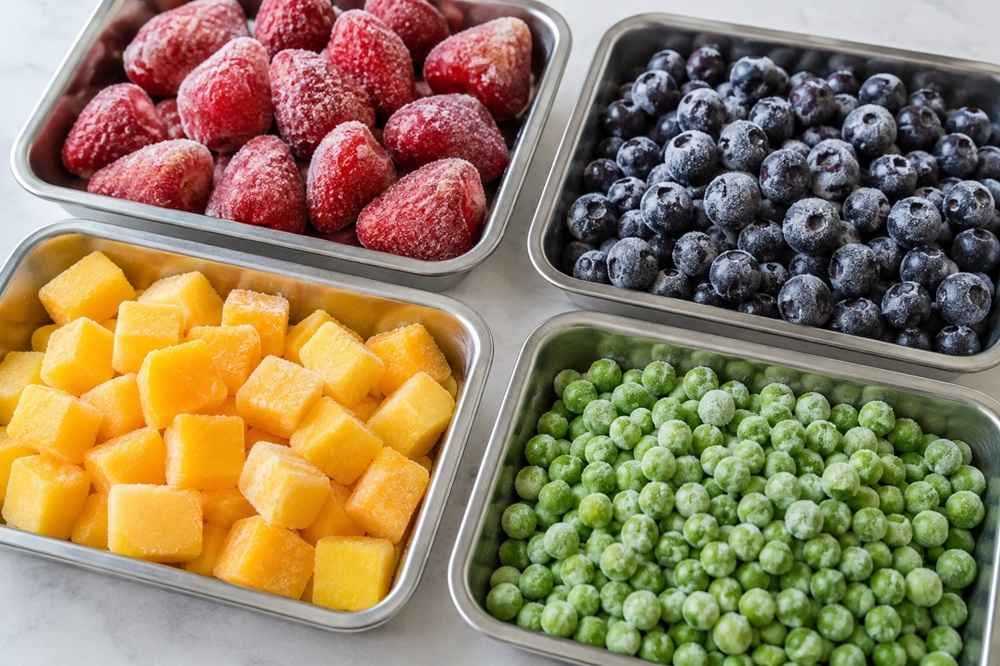
IQF oznacza indywidualne szybkie zamrażanie. Proces ten umożliwia szybkie zamrażanie oddzielnych kawałków żywności i zapewnia ich sypkość, dzięki czemu użytkownicy mogą wziąć potrzebną porcję bez rozmrażania całego bloku. Typowymi przykładami są jagody, groszek, kawałki mango i krewetki.
Skuteczna produkcja IQF wymaga czegoś więcej niż tylko zimnego powietrza. Przygotowanie produktu, rozdzielenie, czas zamarzania, pakowanie i przechowywanie w chłodni mają wpływ na wynik końcowy. W tym przewodniku opisano proces i kontrole, które pomagają kupującym porównać sprzęt.
Które produkty spożywcze odpowiadają IQF?
IQF działa w przypadku kilku kategorii żywności. Zacznij od kształtu produktu, rozmiar i potrzeby obsługi, następnie potwierdź proces w wersji próbnej.
| Kategoria żywności | Typowe przykłady | Pytania, które należy zadać przed rozprawą |
|---|---|---|
| Owoc | Truskawki, Jagody, kostki mango, plasterki brzoskwiń | Jaki zakres wielkości i dojrzałość wytrzyma produkcja? Ile uszkodzeń może zaakceptować kupujący? |
| Warzywa | Groszek, ziarna kukurydzy, różyczki brokułów, pokrojoną w kostkę marchewkę | Czy produkt wymaga blanszowania? W jaki sposób linia będzie kontrolować wody powierzchniowe? |
| owoce morza | Krewetka, przegrzebki, pierścienie kalmarów, porcje ryb | Czy linia będzie obsługiwać produkty surowe czy gotowane? Czy specyfikacja obejmuje przeszklenia? |
| Mięso i drób | Kurczak pokrojony w kostkę, paski wołowe, klopsiki | Jaka grubość, zawartość tłuszczu i stan powierzchni będzie reprezentowany przez próbę? |
| Ser | Kawałki mozzarelli, odpowiednie kostki sera | W jaki sposób system zapobiegnie sklejaniu się i utrzyma wymagany kształt elementu?? |
| Zioła | Posiekana pietruszka, kolendra i podobne zioła | Jak linia poradzi sobie z lekkimi kawałkami i ograniczy kary? |
Udana próba jednego produktu spożywczego nie dowodzi jednakowego działania innego.
Ta sama zamrażarka może zapewnić różne produkty dla grochu, całe truskawki i kostki mango. Porównaj dane dotyczące wydajności tylko wtedy, gdy dostawcy podają produkt i warunki pracy.
Jak działa IQF?
Szybkie zamrażanie ogranicza wzrost dużych kryształków lodu. W układzie ze złożem fluidalnym, Strumień zimnego powietrza skierowany w górę również unosi i oddziela odpowiednie kawałki. Ta kombinacja pomaga chronić teksturę i zachować separację.
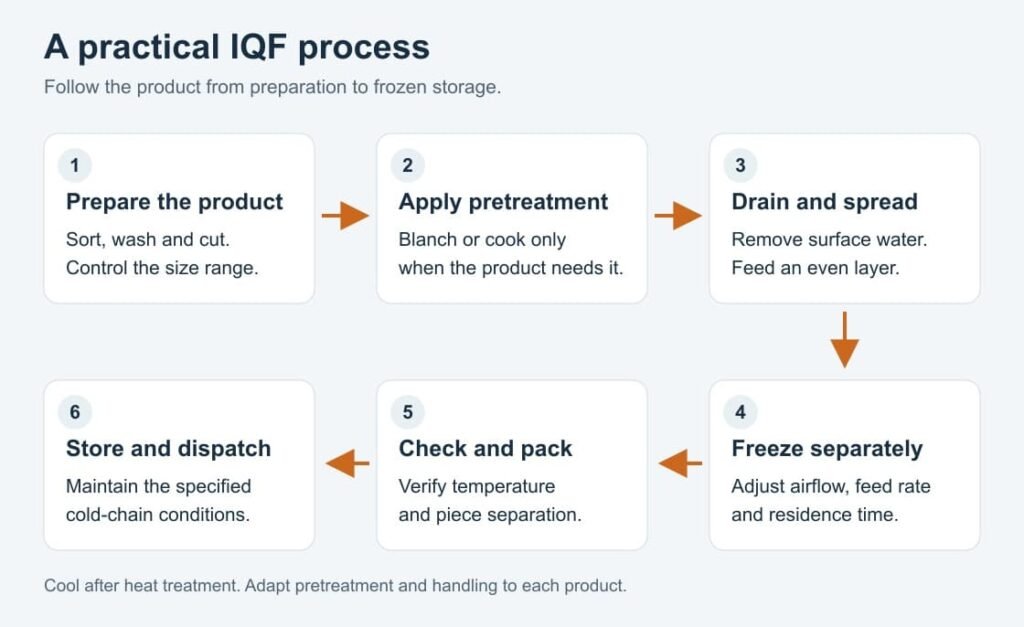
1. Przygotuj Produkt
Sortuj surowiec, usunąć wady, i umyć, obrać lub pokroić w zależności od potrzeb produktu. Kontroluj zakres rozmiarów, aby zapewnić spójne zamrażanie.
Duże różnice w grubości utrudniają osiągnięcie stałej temperatury produktu w jednym czasie przebywania.
2. Zastosuj odpowiednią obróbkę wstępną
Niektóre warzywa wymagają blanszowania, a następnie chłodzenia. Gotuj produkty tylko wtedy, gdy wymaga tego przepis.
Dopasuj kurację do jedzenia. Proces gotowania gotowanych krewetek będzie się różnić od procesu surowych krewetek lub świeżych jagód.
3. Odcedzić i rozprowadzić
Usuń nadmiar wody z powierzchni i włóż równą warstwę do zamrażarki. Sprawdź dopływ na całej szerokości roboczej.
Nierównomierne ładowanie może ograniczyć przepływ powietrza i stworzyć niespójne warunki zamarzania. Nadmiar wody powierzchniowej może również przyczyniać się do zatykania i tworzenia się lodu.
4. Zamrażaj pojedyncze kawałki
Dostosuj przepływ powietrza, szybkość podawania i czas przebywania produktu.
Niektóre systemy wykorzystują początkową strefę zamrażania skorupy, aby usztywnić powierzchnię przed głębszym zamrożeniem. Dopasuj metodę separacji do wagi produktu, tolerancja kształtu i obsługi.
5. Sprawdź i zapakuj
Sprawdź temperaturę i kryteria separacji, sprawdź produkt, i pakuj się natychmiast.
Sprawdź wynik w reprezentatywnych warunkach produkcyjnych. Kilka dobrych próbek z małego obciążenia nie zapewnia pełnej wydajności.
6. Przechowuj i wysyłaj
Przenieś paczki do kontrolowanego magazynu mrożonek i utrzymuj łańcuch chłodniczy aż do momentu dostawy.
Koordynacja rozładunku zamrażarki, możliwości pakowania i przechowywania, aby uniknąć kolejek z produktami w ciepłych obszarach.
Co to jest zamrażarka IQF?
Zamrażarka IQF szybko usuwa ciepło, a przepływ powietrza i system obsługi pomagają oddzielić kawałki. Kupujący powinni odróżnić metodę chłodzenia od układu sprzętu.
Układy mechaniczne używać obiegu chłodniczego do usuwania ciepła. Systemy kriogeniczne użyj zużywalnego kriogenu, takie jak ciekły azot lub dwutlenek węgla.
| Termin sprzęt | Co opisuje | Co potwierdzić |
|---|---|---|
| Zamrażarka ze złożem fluidalnym | Strumień powietrza skierowany w górę unosi i oddziela odpowiednie kawałki | Rozmiar produktu, waga, lepkość i tolerancja obsługi |
| Zamrażarka taśmowa lub tunelowa | Przenośnik przenosi żywność przez komorę mrożącą | Głębokość łóżka, czas przebywania i metoda separacji |
| Zamrażarka spiralna | Przenośnik spiralny zapewnia długą ścieżkę taśmy na niewielkiej powierzchni podłogi | Wsparcie produktu, punkty transferu i wymagany wynik zamrożenia |
| Zamrażarka kriogeniczna | System wykorzystuje do chłodzenia ciekły azot lub dwutlenek węgla | Zużycie kriogenu, dostarczać, wymagania dotyczące spalin i miejsca |
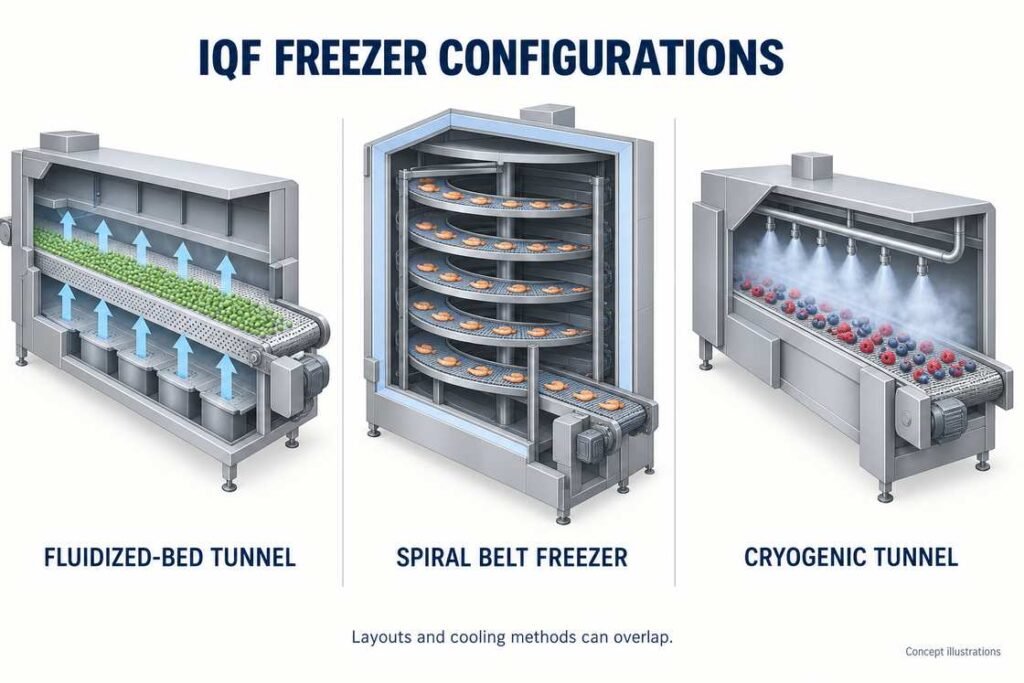
Kategorie te pokrywają się. W tunelu można zastosować chłodzenie mechaniczne lub kriogeniczne. Sam układ tunelowy lub spiralny nie gwarantuje wyniku IQF.
Potwierdź skuteczność separacji i temperatury dla zamierzonego produktu.
Jakiej temperatury wymaga zamrażanie IQF?
IQF nie ma jednej, uniwersalnej temperatury zamrażania.
Przydatna specyfikacja oddziela temperaturę żywności, temperatura powietrza i temperatura parowania czynnika chłodniczego.
| Temperatura | Co ci to mówi | Jak z niego korzystać |
|---|---|---|
| Temperatura na wejściu produktu | Temperatura żywności przed zamrożeniem | Uwzględnij to przy każdym porównaniu wydajności |
| Temperatura powietrza w zamrażarce | Temperatura powietrza wokół produktu | Zidentyfikuj miejsce pomiaru i warunki pracy |
| Temperatura parowania | Temperatura nasycenia czynnika chłodniczego przy ciśnieniu parowania | Użyj go podczas sprawdzania wydajności chłodniczej; nie zastępuj go temperaturą powietrza |
| Temperatura centrum termicznego produktu | Najcieplejszy punkt wewnątrz żywności pod koniec zamrażania | Sprawdź to względem uzgodnionego punktu końcowego zamarzania |
| Temperatura powietrza w pomieszczeniu magazynowym | Klimat podczas przechowywania mrożonek | Ustaw i monitoruj, aby utrzymać wymaganą temperaturę produktu |
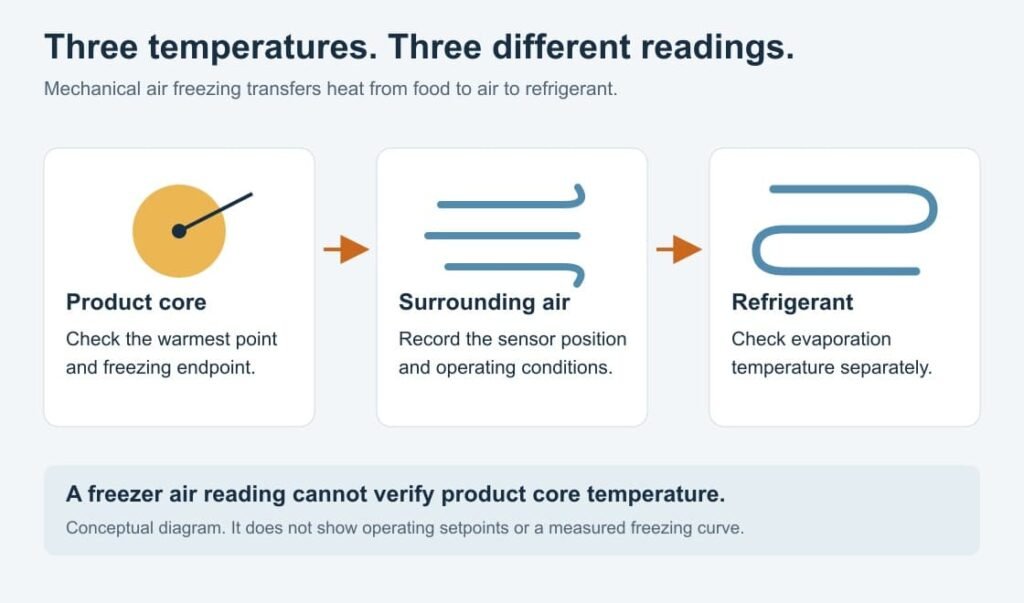
Do żywności głęboko mrożonej, −18°C lub mniej w węźle cieplnym po ustabilizowaniu się temperatury zapewnia wspólny punkt odniesienia dotyczący zakończenia zamrażania. Potwierdź obowiązującą specyfikację produktu i wymagania dotyczące miejsca docelowego.
Ten benchmark opisuje temperaturę żywności. Nie określa ustawienia wentylacji zamrażarki.
Na przykład, może określać specyfikacja pojemności:
- Temperatura na wejściu produktu: +15°C.
- Temperatura na wyjściu produktu: −18°C.
- Temperatura parowania czynnika chłodniczego: −38°C.
Liczby te opisują różne warunki. Wartość parowania -38°C nie oznacza, że powietrze zamrażarki lub rdzeń produktu również osiąga -38°C.
Jak długo trwa zamrażanie IQF?
Grubość produktu, kompozycja, temperatura początkowa, przepływ powietrza i obciążenie wpływają na czas zamrażania.
Potwierdź czas trwania poprzez próbę produktu. Zanotuj zarówno czas przebywania, jak i najwyższą temperaturę produktu; sam licznik czasu nie może zweryfikować punktu końcowego.
Poproś dostawcę o wyjaśnienie metody pobierania próbek, lokalizacja sondy i czas pomiaru. Użyj tej samej metody podczas testów akceptacyjnych.
Jaka jest różnica między IQF a zamrażaniem strumieniowym?
IQF opisuje indywidualne szybkie zamrażanie i separację. Zamrażanie podmuchem powietrza opisuje metodę wymiany ciepła wykorzystującą szybko poruszające się zimne powietrze. W zamrażarce IQF ze złożem fluidalnym można zatem stosować zamrażanie podmuchem powietrza.
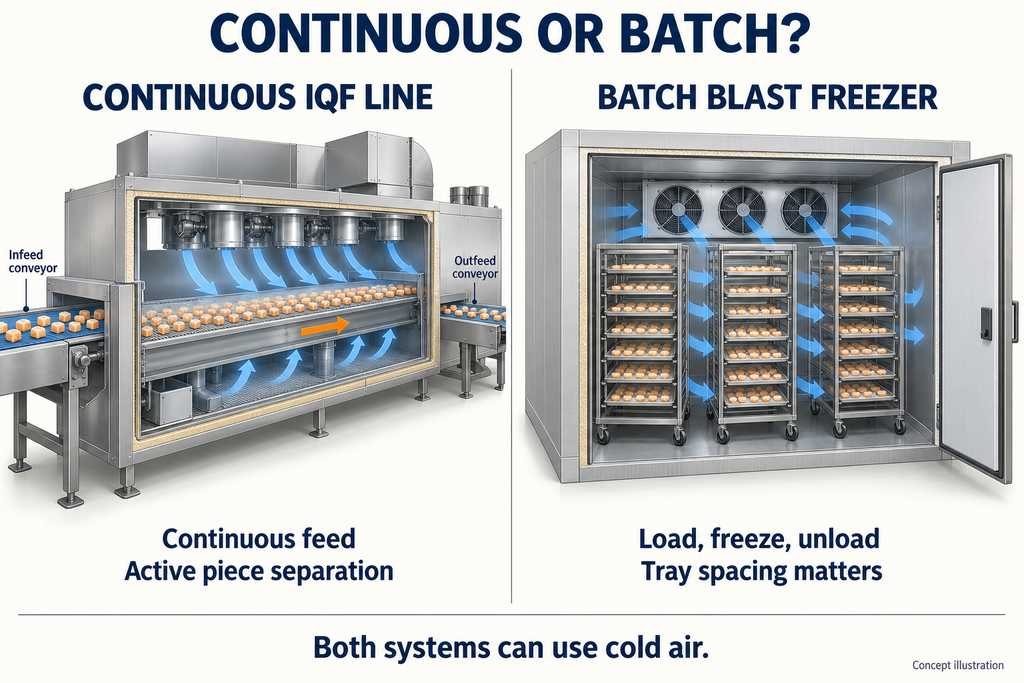
Do decyzji zakupowych, bardziej przydatne porównanie często obejmuje: ciągła linia IQF i wsadowa zamrażarka szokowa.
| Punkt porównawczy | Ciągła linia IQF | Zamrażarka okresowa |
|---|---|---|
| Ruch produktu | Przenośnik lub łóżko przemieszcza produkt przez system | Operatorzy ładują i rozładowują partie na tacach, stojaki lub wózki |
| Rozdzielenie | Linia aktywnie zarządza separacją sztuk | Odstępy między tacami i ładowanie pomagają określić separację |
| Dopasowanie produkcyjne | Powtarzalna produkcja ze stałym podawaniem | Harmonogramy partii i zmienne obciążenia |
| Kontrola pojemności | Sprawdź kg/h w podanych warunkach produktu | Sprawdź kg/partię i pełny cykl od załadunku do załadunku |
| Główne pytania próbne | Czy kawałki pozostają oddzielne? Czy linia spełnia docelową temperaturę i moc wyjściową? | Czy każda taca spełnia punkt końcowy? Czy schemat ładowania umożliwia odpowiedni przepływ powietrza? |
Niektóre systemy wsadowe mogą z powodzeniem zamrażać pojedyncze sztuki. Podobnie, linia IQF może obsłużyć produkcję na skalę przemysłową.
Wybierz sprzęt wokół produktu, harmonogram produkcji, wymagania dotyczące separacji i zweryfikowana wydajność. Etykiety takie jak „mała partia,„Duża partia” lub „bardziej precyzyjne” dostarczają zbyt mało informacji, aby można było przeprowadzić rzetelne porównanie.
Opakowanie IQF: Co powinieneś sprawdzić?
Opakowanie IQF powinno chronić jakość produktu, zachowując jednocześnie wygodę stosowania poszczególnych porcji.
Oparzenie zamrażalnicze wiąże się z utratą wilgoci powierzchniowej. Odpowiedni pakiet pomaga zapanować nad tą stratą, ale nie może zrekompensować złego zarządzania temperaturą.
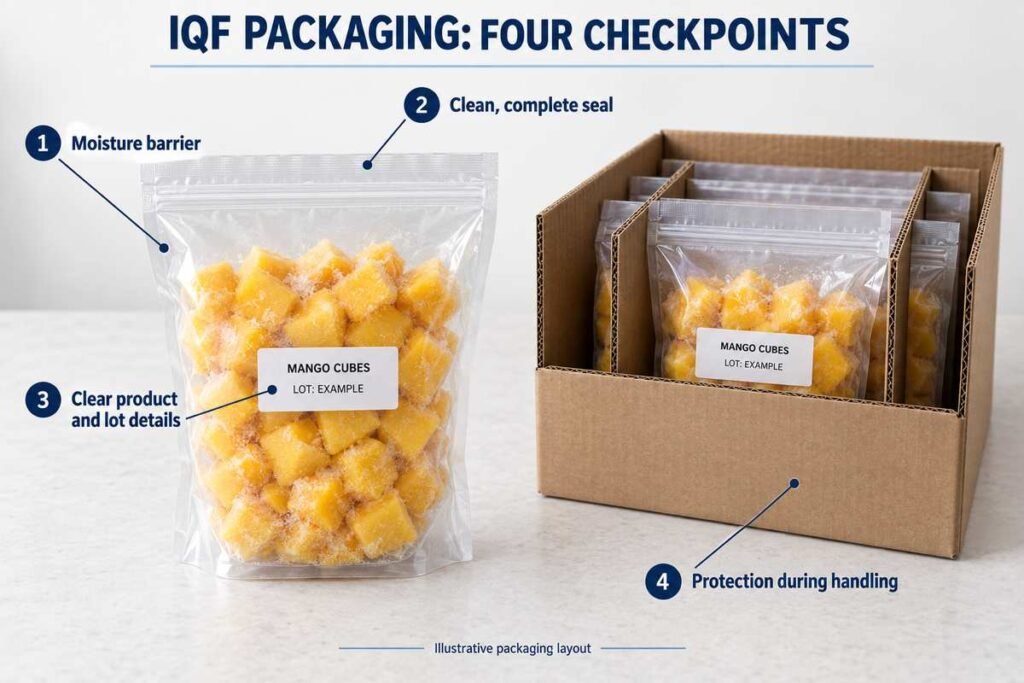
Użyj tej listy kontrolnej podczas omawiania opakowań z dostawcą opakowań:
| Sprawdzać | Praktyczne pytanie |
|---|---|
| Bariera dla wilgoci | Czy dostawca udostępnia dane dotyczące przepuszczalności pary wodnej i odpowiednie warunki testowe?? |
| Ochrona tlenu | Czy produkt wymaga dodatkowego zabezpieczenia przed utlenianiem lub zmianami smaku?? |
| Wytrzymałość w niskich temperaturach | Czy folia będzie odporna na pękanie?, przebiciami i uszkodzeniami podczas przenoszenia w zamierzonej temperaturze? |
| Wydajność uszczelnienia | Czy linia napełniająca może zatrzymać fragmenty produktu i szron z dala od obszaru uszczelnienia?? |
| Rozmiar opakowania | Czy format obsługuje wielkość porcji kupującego i metodę obsługi? |
| Ochrona obsługi | Czy zewnętrzny karton i sposób układania w stosy chronią delikatne elementy?? |
1.Wybierz opcję Opakowanie dla rzeczywistego produktu
Poproś dostawcę o potwierdzenie przydatności do kontaktu z żywnością dla zamierzonej żywności i rynku.
Przetestuj faktycznie napełnione opakowanie poprzez uszczelnienie, przechowywanie w chłodni i obsługa. Sama nazwa lub grubość folii nie może określić właściwości opakowania.
2.Kontroluj napełnianie i uszczelnianie
Ogranicz podgrzewanie produktu podczas pakowania. Trzymaj fragmenty produktu i szron z dala od obszaru uszczelnienia.
Sprawdzaj uszczelki przy uruchomieniu i po przezbrojeniach. Przy kwalifikowaniu nowej folii lub formatu opakowania uwzględnij testy obsługi napełnionych opakowań.
3.Dopasuj wielkość opakowania do kupującego
Kupujący detaliczni mogą potrzebować wygodnych porcji i opakowania wielokrotnego użytku. Nabywcy z branży gastronomicznej i przemysłowej mogą potrzebować większych formatów, które pasują do ich procesu wydawania lub produkcji.
Delikatne produkty należy chronić przed nadmiernym ściśnięciem podczas pakowania, układanie i transport.
4.Używaj przezroczystych etykiet i potwierdzonego okresu przydatności do spożycia
Zapewnij jasną identyfikację produktu, dużo informacji, instrukcje przechowywania i wskazówki dotyczące przygotowania. Poproś osobę sprawdzającą etykietę o sprawdzenie wymagań rynku docelowego.
Ustaw okres przydatności do spożycia poprzez weryfikację specyficzną dla produktu. Opakowanie, skład produktu i warunki łańcucha chłodniczego wpływają na utrzymanie jakości.
Wybierz strukturę nadającą się do recyklingu, jeśli spełnia ona również wymagania dotyczące ochrony produktu i lokalnych wymagań dotyczących zbiórki. Zweryfikuj roszczenia dotyczące recyklingu dla rynku docelowego.
IQF vs. Zamrażanie chłodni: Co się zmienia po zamrażarce?
Linia IQF usuwa ciepło potrzebne do zamrożenia przychodzącej żywności. W mroźni przechowywany jest produkt po zamrożeniu w wymaganej temperaturze.
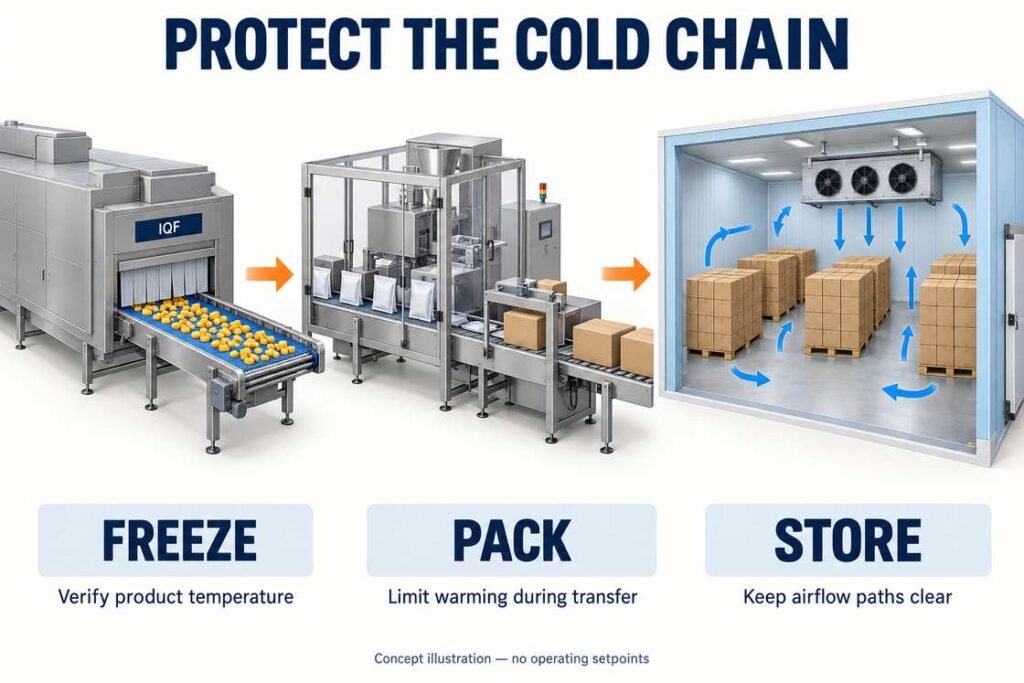
Specjalnie zbudowana komora śrutownicza może pełnić funkcję mrożenia, ale w zwykłym pomieszczeniu do przechowywania może brakować wydajności i przepływu powietrza dla tego samego ładunku.
| System | Główne zadanie | Kluczowe dane wejściowe do projektu |
|---|---|---|
| Linia IQF | Zamroź poszczególne kawałki i zachowaj separację | Wymiary produktu, temperatura zasilania, wydajność godzinowa i punkt końcowy zamrażania |
| Pomieszczenie do szybkiego zamrażania | Zamrozić partię w określonym cyklu | Masa partii, wzór ładowania, przepływ powietrza i czas cyklu |
| Zamrożone pomieszczenie do przechowywania | Utrzymuj temperaturę przychodzącego zamrożonego produktu | Temperatura przybycia produktu, spis, ruch na drzwiach i warunki otoczenia |
Do żywności IQF, projektować warunki przechowywania w celu utrzymania wymaganej temperatury produktu, zwykle -18°C lub niżej. Potwierdź obowiązującą specyfikację produktu i wymagania dotyczące miejsca docelowego.
Przed wymiarowaniem chłodni, dokument:
- Dzienne spożycie produktu i temperatura przybycia.
- Maksymalna ilość miejsca do przechowywania.
- Pakowanie i układanie palet.
- Częstotliwość otwierania drzwi i czas obsługi.
- Temperatura i wilgotność otoczenia.
- Wymagania dotyczące monitorowania temperatury i alarmów.
Zachowaj czyste ścieżki przepływu powietrza wokół kominów i parowników. Uwzględnij pakowanie i wysyłkę w planie kontroli temperatury.
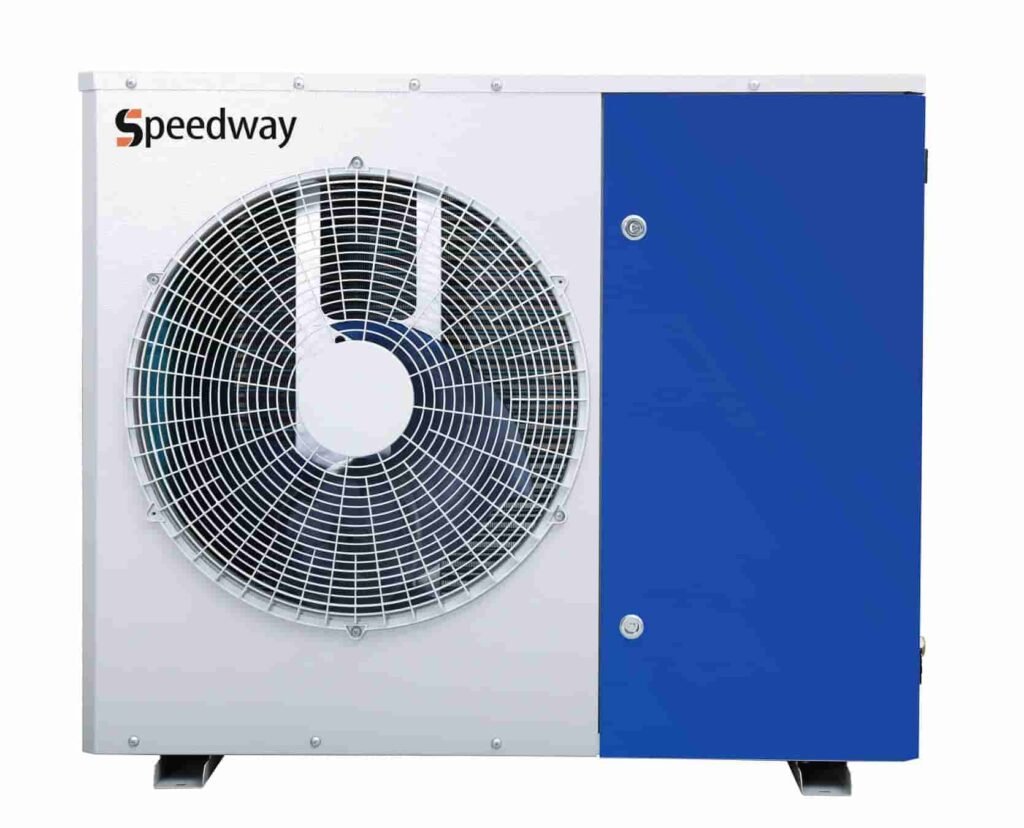
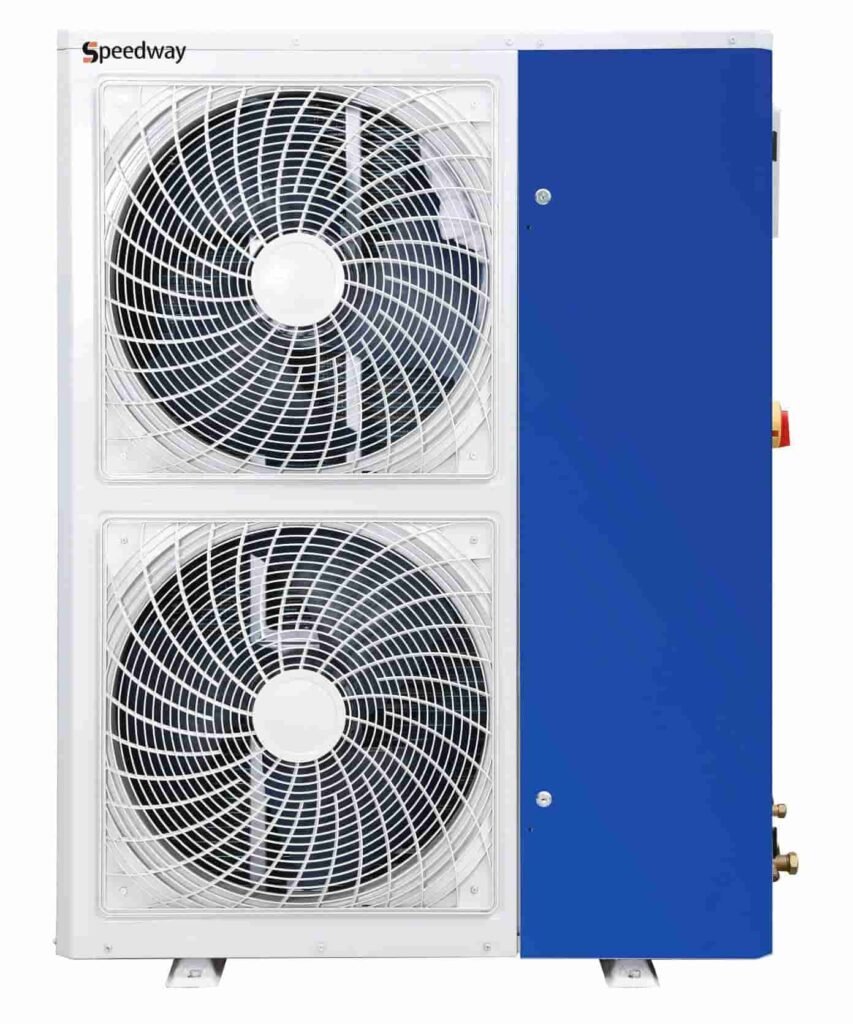
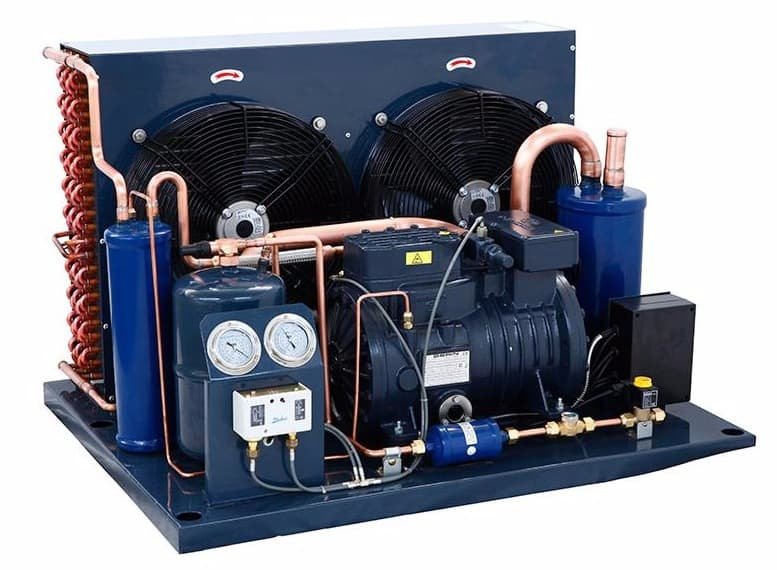
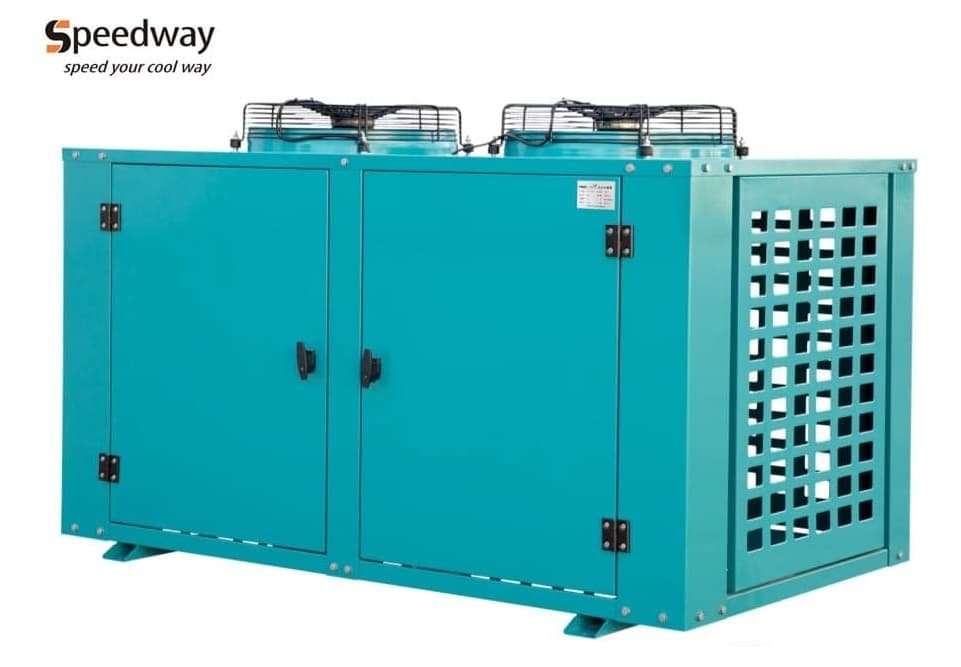
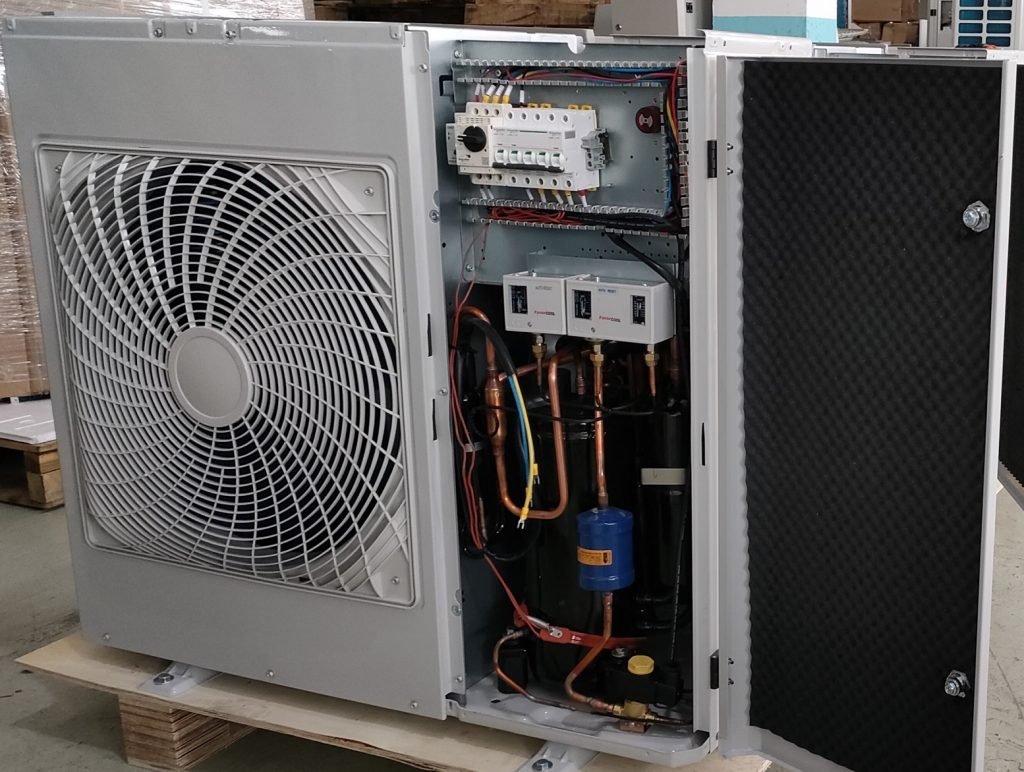
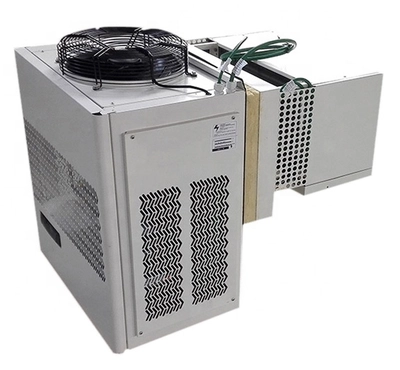
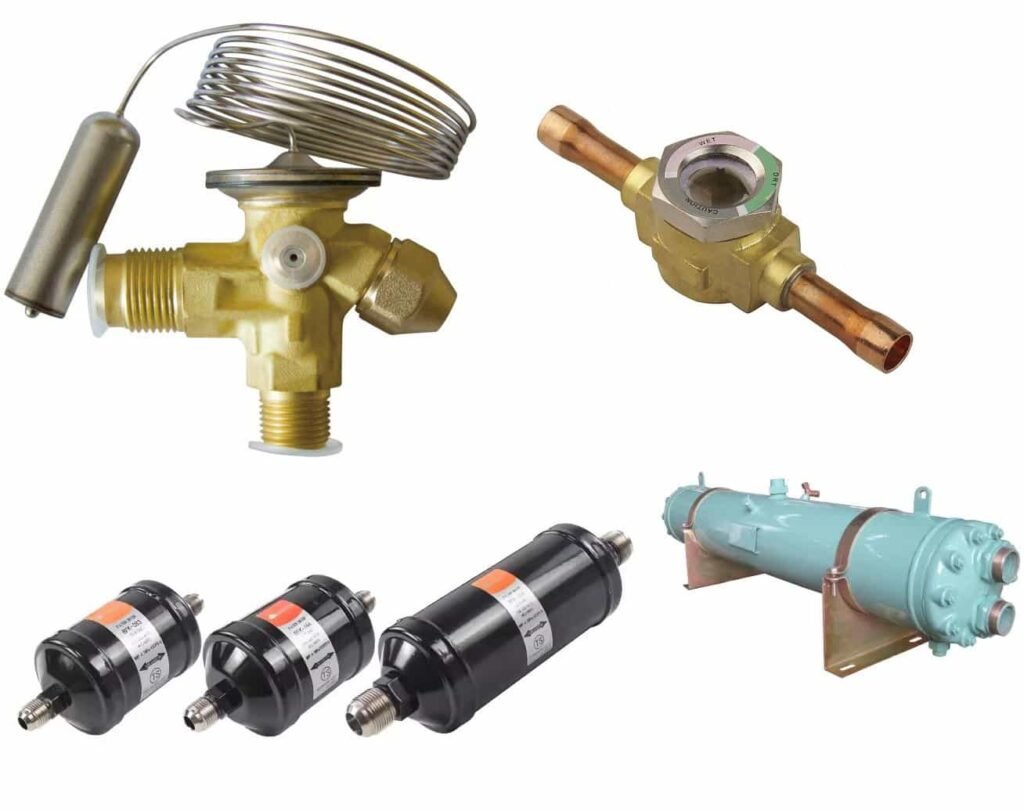
OGŁOSZENIE: Jeśli Twój projekt wymaga dodatkowej pamięci masowej, przejrzyj Speedway’s rozwiązania do chłodni I agregaty skraplające wraz z warunkami wyładunku produktów z zamrażarki.
Jak porównać sprzęt IQF i koszty eksploatacji?
Daj każdemu dostawcy ten sam opis produktu:
| Specyfikacja | Informacje do przekazania |
|---|---|
| Produkt | Rodzaj jedzenia, wymiary elementu i zakres rozmiarów |
| Stan zasilania | Temperatura, wody powierzchniowe i obróbka wstępna |
| Cel produkcyjny | Wymagane kg/h i dzienne godziny produkcji |
| Zamrożenie punktu końcowego | Docelowa temperatura produktu i metoda pomiaru |
| Granice jakości | Dopuszczalne zbrylanie, złamania i utraty wagi |
| Warunki witryny | Dostępna przestrzeń, media i warunki otoczenia |
| Harmonogram operacyjny | Czyszczenie, oczekiwania dotyczące przezbrojenia i rozmrażania |
1.Porównaj pełne koszty operacyjne
Układy mechaniczne zużywają energię elektryczną w urządzeniach chłodniczych i pomocniczych. Systemy kriogeniczne wymagają również ciągłego zasilania czynnikiem kriogenicznym.
Sprawdź obie opcje pod kątem lokalnych cen i oczekiwanego harmonogramu produkcji. Uwzględnij pracę, czyszczenie, w porównaniu przestoje w konserwacji i produkcji.
2.Zdefiniuj pomiar energii
Dla porównania energii elektrycznej, obliczać:
Specyficzne zużycie energii elektrycznej (kWh/kg) = energia elektryczna w uzgodnionych granicach systemu ÷ akceptowalna moc produktu w tym samym okresie.
Podaj, czy granica obejmuje:
- Sprężarki.
- Wentylatory parownika i skraplacza.
- Lakierki.
- Przenośniki.
- Rozmrażać.
- Inne odpowiednie środki pomocnicze.
Nie porównuj danych dotyczących samego wentylatora jednego dostawcy z całkowitymi danymi dotyczącymi chłodzenia innego dostawcy.
Do sprzętu kriogenicznego, rejestruje również zużycie kriogenu na kilogram akceptowalnego produktu i stosuje lokalne koszty dostaw.
3.Sprawdź wydajność poprzez wersję próbną produktu
Na rozprawie, zapisz ustawienia operacyjne, wyniki temperatury, akceptowalna moc wyjściowa, grudki, pękanie i zużycie energii.
Przed badaniem należy uzgodnić metodę pobierania próbek i granice akceptacji. Porównując dostawców, zachowaj te same definicje.
Przydatna próba powinna odpowiedzieć 3 pytania:
- Czy produkt spełnia docelową temperaturę?
- Czy spełnia limity separacji i jakości?
- Czy system może utrzymać wymaganą moc wyjściową w reprezentatywnych warunkach pracy??
Zapis próbny produktu IQF
DANE SYMULOWANE – WYŁĄCZNIE DO PLANOWANIA
W tym przykładzie wykorzystano hipotetyczne warunki krojenia mango w kostkę i zamrażania. Nie przedstawia rzeczywistych prób na żużlu ani zweryfikowanych osiągów sprzętu. Limity akceptacji ilustrują możliwą umowę między kupującym a dostawcą; nie stanowią uniwersalnych standardów branżowych.
1.Warunki produktu i działania
| Parametr | Przykładowa specyfikacja |
|---|---|
| Referencje próbne | IQF-MANGO-DEMO-001 |
| Produkt | Kostki mango |
| Nominalne wymiary sześcianu | 15 × 15 × 15 mm |
| Tolerancja rozmiaru | ±2 mm na wymiar |
| Przygotowanie produktu | Obierać, kostka do gry, sprawdź i osusz |
| Stan powierzchni | Brak widocznej stojącej wody na dopływie |
| Przeszklenie | Nic |
| Konfiguracja zamrażarki | Ciągły mechaniczny tunel IQF z kontrolą separacji produktu |
| Temperatura na wejściu produktu | +8Cel °C |
| Ustawienie temperatury powietrza w zamrażarce | −35°C |
| Temperatura parowania czynnika chłodniczego | −42°C, zakładany stan eksploatacyjny |
| Nominalny czas przebywania produktu | 12 minuty |
| Okres oceny | 60 minut po ustabilizowaniu się warunków pracy |
| Dane wejściowe dotyczące produktu podczas oceny | 500.0 kg |
| Metoda próbkowania | Sześć punktów kontrolnych; trzy odczyty rdzenia produktu na punkt kontrolny |
| Przyrząd do pomiaru temperatury | Kalibrowana sonda penetracyjna z cienką końcówką |
| Miejsce pomiaru | Centrum cieplne reprezentacyjnych kostek |
| Kontrola jakości | Sortuj i zważ całą dopasowaną partię wyjściową |
2.Punkty kontrolne temperatury
W każdym punkcie kontrolnym operator pobiera próbki trzech reprezentatywnych kostek z szerokości wyrzutu. Kolumna czasu odnosi się do okresu oceny ustabilizowanego rozładowania.
| Punkt kontrolny | Czas | Temperatura zasilania | Temperatura powietrza w obszarze tłoczenia | Podstawowe czytanie 1 | Podstawowe czytanie 2 | Podstawowe czytanie 3 | Najcieplejszy odczyt rdzenia |
|---|---|---|---|---|---|---|---|
| 1 | 5 min | +7.9°C | −35,2°C | −19,2°C | −18,8°C | −19,5°C | −18,8°C |
| 2 | 15 min | +8.1°C | −34,8°C | −19,0°C | −19,4°C | −18,6°C | −18,6°C |
| 3 | 25 min | +8.0°C | −35,4°C | −19,7°C | −19,1°C | −19,6°C | −19,1°C |
| 4 | 35 min | +8.2°C | −35,0°C | −19,0°C | −19,3°C | −18,9°C | −18,9°C |
| 5 | 45 min | +8.0°C | −34,9°C | −19,1°C | −18,7°C | −19,4°C | −18,7°C |
| 6 | 55 min | +7.8°C | −35,1°C | −19,2°C | −18,8°C | −19,5°C | −18,8°C |
| Podsumowanie temperatury | Symulowany wynik |
|---|---|
| Liczba odczytów rdzenia produktu | 18 |
| Średnia temperatura rdzenia produktu | −19,16°C |
| Najcieplejszy odczyt rdzenia produktu | −18,6°C |
| Najzimniejszy odczyt rdzenia produktu | −19,7°C |
| Odczyty w temperaturze -18°C lub niższej | 18 z 18 |
Uwaga: Każda symulowana próbka spełnia limit rdzenia wyładowczego podany w przykładzie. Rzeczywista próba musi również przebiegać zgodnie z ustaloną procedurą stabilizacji i weryfikacji. Samo osiemnaście przelotnych odczytów nie jest w stanie ustalić temperatury każdego kawałka.
3.Odzysk produktu i wyniki jakościowe
Dla tego przykładu, A kępa zawiera dwie lub więcej części, które pozostają połączone po uzgodnionym teście delikatnego oddzielania. A uszkodzony kawałek nie spełnia uzgodnionego kryterium kształtu lub rozmiaru. Inspektorzy korzystają z próbek referencyjnych, aby konsekwentnie stosować obie klasyfikacje.
Inspektorzy klasyfikują każdą pozycję raz. Najpierw przydzielają grudki, następnie oceń pozostały produkt pod kątem stłuczenia.
| Pomiar | Symulowany wynik | Obliczenie lub definicja |
|---|---|---|
| Wejście produktu | 500.0 kg | Łączne dane wejściowe dotyczące dopasowanej partii |
| Całkowita odzyskana produkcja | 496.0 kg | Produkt akceptowalny plus grudki i połamane kawałki |
| Zlepki | 4.0 kg | Odrębna kategoria inspekcji |
| Połamane kawałki | 2.0 kg | Nie obejmuje produktów już uznanych za grudki |
| Produkt akceptowalny | 490.0 kg | 496.0 − 4.0 − 2.0 |
| Różnica mas wejście-wyjście | 4.0 kg | 500.0 − 496.0 |
| Różnica mas jako udział w wejściu | 0.80% | 4.0 ÷ 500.0 × 100 |
| Szybkość skupienia | 0.81% | 4.0 ÷ 496.0 × 100 |
| Szybkość pękania | 0.40% | 2.0 ÷ 496.0 × 100 |
| Akceptowalna wydajność produktu | 98.00% | 490.0 ÷ 500.0 × 100 |
| Przepustowość wejściowa | 500.0 kg/godz | 500.0 kg ponad 60 minuty |
| Akceptowalna przepustowość wyjściowa | 490.0 kg/godz | 490.0 kg ponad 60 minuty |
Nie oznaczaj 0.80% różnicę masy jako utratę odwodnienia bez dalszych pomiarów. Odparowanie, radzenie sobie ze stratami, Zatrzymany materiał i niepewność ważenia mogą mieć wpływ na wagę.
4.Przykładowy przegląd akceptacji
| Przedmiot akceptacji | Granica ilustracyjna | Symulowany wynik | Przykładowa ocena |
|---|---|---|---|
| Przepustowość wejściowa | Co najmniej 500 kg/godz | 500 kg/godz | Spełnia przykładowy limit |
| Akceptowalna przepustowość wyjściowa | Co najmniej 490 kg/godz | 490 kg/godz | Spełnia przykładowy limit |
| Najcieplejszy rdzeń wyładowczy z próbki | -18°C lub niżej | −18,6°C | Spełnia przykładowy limit |
| Szybkość skupienia | Nie więcej niż 1.00% odzyskanej produkcji | 0.81% | Spełnia przykładowy limit |
| Szybkość pękania | Nie więcej niż 0.50% odzyskanej produkcji | 0.40% | Spełnia przykładowy limit |
| Akceptowalna wydajność produktu | Co najmniej 98.00% wejścia | 98.00% | Spełnia przykładowy limit |
| Bilans masy | Zapisz i zbadaj różnicę | 4.0 różnica kg | Wymaga pojednania w rzeczywistym procesie |
| Ciągła produkcja pomiędzy rozmrożeniami | Oddzielny test wytrzymałości | Brak danych dotyczących wytrzymałości | Żadnych wniosków |
| Przydatność mikrobiologiczna | Oddzielna weryfikacja bezpieczeństwa produktu | Brak danych mikrobiologicznych | Żadnych wniosków |
Wniosek: Symulowany przebieg spełnia ilustracyjną przepustowość, kryteria temperatury próbki i jakości fizycznej. Nie zapewnia długoterminowej wydajności, skuteczność czyszczenia, bezpieczeństwo żywności lub akceptacja sprzętu komercyjnego.
Często zadawane pytania
Pytanie 1. Czy IQF zabija bakterie?
Nie traktuj zamrażania jako ogólnego etapu zabijania drobnoustrojów. Niektóre mikroorganizmy przeżywają zamrożenie i mogą rosnąć, gdy warunki staną się sprzyjające.
Kontroluj higienę i związane z nią zagrożenia podczas całej produkcji. Postępuj zgodnie z instrukcjami dotyczącymi obsługi i gotowania produktu.
Pytanie 2. Czy IQF wymaga ciekłego azotu?
NIE. Chłodzenie mechaniczne może wspierać produkcję IQF. Sprzęt kriogeniczny oferuje inną drogę chłodzenia.
Wybierz proces wokół produktu, wydajność i ekonomika miejsca.
Pytanie 3. Dlaczego elementy IQF zlepiają się ze sobą?
Możliwe przyczyny to nadmiar wody powierzchniowej, nierówne karmienie, niewystarczające oddzielenie i ogrzewanie po zamrożeniu.
Przed zmianą ustawień zamrażarki sprawdź, gdzie pojawiają się pierwsze grudki. Sprawdź przygotowanie produktu, opróżnienie zamrażarki, warunki pakowania i przechowywania.
Pytanie 4. Czy jedna zamrażarka może zapewnić taką samą pojemność dla każdej żywności??
NIE. Wymagaj deklaracji wydajności dla każdego ważnego produktu i warunków jego działania.
Rozpocznij porównanie od wielkości produktu i temperatury zasilania, następnie sprawdź wydajność i jakość w wersji próbnej.
Pytanie 5. Czy standardowa chłodnia może zastąpić zamrażarkę IQF?
Standardowa chłodnia zwykle pełni inną funkcję. Utrzymuje temperaturę zamrożonego produktu, zamiast szybko zamrażać ciągłe podawanie pojedynczych sztuk.
Sprawdź obciążenie zamrażaniem, przepływ powietrza, wymagania dotyczące separacji i cyklu przed rozważeniem alternatywnego systemu.
Zaplanuj wspólnie system zamrażania i przechowywania
Najpierw zdefiniuj produkt. Porównaj systemy zamrażania w odpowiednich warunkach, sprawdzić separację i temperaturę, i chroń wynik poprzez pakowanie i przechowywanie w chłodni.
Planowanie chłodzenia lub przechowywania w chłodni dla projektu IQF?
Wyślij Speedway swój produkt, przepustowość godzinowa, temperatura rozładowania zamrażarki, ilość miejsca do przechowywania i warunki miejsca przechowywania.