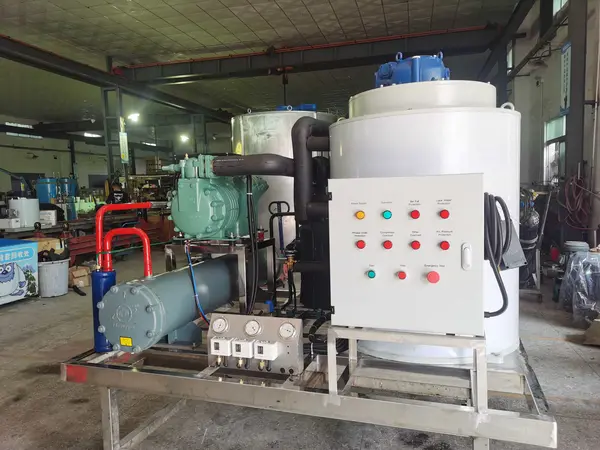
Использование холодильных камер для хранения фруктов и овощей — это научный метод сохранения свежести., которые могут лучше сохранять свои питательные вещества и влагу.
Первый, Мы говорим о Хранение фруктов в холодильнике, в нем есть 3 типы: свежее холодное хранение, контролируемая атмосфера (Калифорния) хранение в холодильнике, и камера шоковой заморозки.
Температура свежести фруктов и время хранения
Свежая температура
For room chiller temperature, fresh cold storage and CA cold storage are roughly the same, is -2~+5°C. Некоторые тропические фрукты (например, банан, манго, и т. д.) are kept the temperature above +10°C.
Температура в холодильной камере шоковой заморозки самая низкая, что составляет около -18°C.
Время хранения
На время хранения: холодильная камера шоковой заморозки > CA cold storage > свежее холодное хранение
Но для качества фруктов:
Холодильное хранение CA имеет лучший эффект сохранения свежести, не разрушает структуру клеток плода, и имеет наименьшие потери; Хранение в свежем виде хуже; Хотя холодильная камера шоковой заморозки имеет длительный срок хранения, will destroy fruits’ cell structure due to the low temperature freezing during the storage, не могу сохранить фрукты’ оригинальный вкус.
| Тип холодильного хранения | Температура(°С) | Относительная влажность(%) | Состав газа(%) | Время хранения (Месяц) |
|---|---|---|---|---|
| Свежий холодный склад | 0~2 | 85~90 | - | 3~6 |
| Хранение в контролируемой атмосфере | -0.5~1 | 90~95 | Кислород 3 ~ 5, соответствующий углекислый газ | 8~12 |
яблоки’ Время хранения
Уведомление: Fresh fruits (like apple) no use blast freezer cold storage.
ВНИМАНИЕ: Из-за различных областей производства и индивидуальных различий, разные фрукты имеют разную температуру и время свежести, see below:
Свежее холодное хранение
| Имя | Температура(°С) | Относительная влажность(%) | Время хранения |
|---|---|---|---|
| Кокос | 4.5 | 75 | 12 Месяцы |
| манго | 12.5 | 80~85 | 1 Месяц |
| Ананас | 8~10 | 85~90 | 14~28 дней |
| личи | 0~3 | 85~90 | 3 Месяцы |
| мушмула | 0 | 90 | 1 Месяц |
| Папайя | 10~15 | 60~65 | 30~45 дней |
| Банан | 13~14 | 85 | 50 Дни |
Тропические фрукты’ Время хранения
| Имя | Температура(°С) | Относительная влажность(%) | Время хранения |
|---|---|---|---|
| Виноград | -1~3 | 85~90 | 1 Месяцы |
| Нектарин | 0 | 85~90 | 5 Месяцы |
| питайя | 3~4 | 80~90 | 45 Дни |
| вишня | 0.5~1 | 80 | 7~21 день |
| Красные даты(Свежий) | -2~1 | 90~95 | 3 Месяцы |
| мандарин | 1~2 | 75~80 | 1~ 3 месяца |
| слива | 0~1 | 90 | 2 Месяцы |
| Лимон | 5~10 | 85~90 | 2 Месяцы |
| Банан | 7~11 | 85 | 14 Дни |
Субтропические фрукты’ Время хранения
| Имя | Температура(°С) | Относительная влажность(%) | Время хранения |
|---|---|---|---|
| Дыня | 4~6 | 85~90 | 3 Месяцы |
| Хурма | -1~0 | 85~90 | 3 Месяцы |
| Клубника | -1 | 85~90 | 1 Месяц |
| Мускусная дыня | 3~4 | 80 | 5~6 месяцев |
| Апельсин | 1~2 | 75~80 | 1~ 3 месяца |
| Абрикос | 0~1 | 90~95 | 7~12 дней |
| Бейберри | 0 | 75~85 | 7~10 дней |
| Персик | -1~0 | 90~95 | 1 Месяц |
| Яблоко | -1~1 | 80~85 | 3 Месяцы |
| Арбуз | 10~12 | 80~85 | 1~ 2 месяца |
| киви | 0~1 | 90~95 | 6~ 7 месяцев |
Умеренные и холодные фрукты’ Время хранения
Холодное хранение в Калифорнии
| Имя фрукта | Температура(°С) | Относительная влажность % | Содержание О2 % | Содержание CO2 % | Время хранения (Месяцы) |
|---|---|---|---|---|---|
| Яблоко | 0~1 | 85~95 | 2~5 | 2~5 | 10 |
| Груша | 0 | 90~95 | 5 | >2 | 8 |
| Гранат | 0~2 | 85~95 | 2~4 | 12 | 6 |
| Персик | 0 | 85~90 | 3 | 5 | 3~6 |
| киви | 0~1 | 90~95 | 5 | 2 | 6 |
| Клубника | 0~1 | 85~95 | 3 | 6 | 1~2 |
| Арбуз | 2~4 | 75~85 | 3~5 | 3~5 | 2 |
| Мускусная дыня | 3~4 | 80 | 3~5 | 1~1,5 | 6 |
| слива | 0 | 80~95 | 3~5 | 2~5 | 1~2 |
| Хурма | -1 | 90 | 3~5 | 8 | 3~5 |
Холодильная камера шоковой заморозки
| Имя фрукта | Температура(°С) | Время хранения ( Месяцы) |
|---|---|---|
| Дуриан | -18~-22 | 6~8 |
| Персик | -18 | 12 |
| Черника | -18 | 12 |
| вишня | -18 | 12 |
Fruit Storage Tips
1). Предварительно охладите фрукты, прежде чем положить их в холодильник.
Предварительное охлаждение может препятствовать дыханию и транспирации плодов после сбора., и в то же время помочь фруктам лучше адаптироваться к низкотемпературной среде холодильного хранения.
Уведомление: Vegetable also need pre-cool.
2). Поддерживайте стабильную температуру холодного хранения
Temperature difference should be stable: ±1°С. Если температура слишком высокая, интенсивность дыхания плода возрастет, в результате перезревание. Слишком низкая температура может привести к обморожению плодов..
3). Держите влажность стабильной
Keep the fresh cold storage humidity stable: 75~90%.
Чрезмерная влажность может легко вызвать конденсацию и порчу фруктов.. Too low humidity will cause fruits to lose water and dry up, теряет свою пищевую ценность.

4). Не смешивайте разные фрукты
Тропические фрукты нельзя смешивать с фруктами умеренных и холодных зон..
Excessive temperature differences will cause fruits freezing damage in temperate and frigid zones.
Тем временем, высокая температура также ускорит рост и размножение плесени и других бактерий, что приводит к гниению и порче плодов, зараженных бактериями.
Влажность очень важна для хранения фруктов. Когда фрукты смешаны в холодильнике, влажность в помещении не может соответствовать различным требованиям влажности.
Некоторые фрукты, такие как банан, хурма, яблоко, киви, и другие климактерические фрукты при созревании выделяют этилен.. Этилен — растительный гормон, способствующий созреванию плодов.. When fruits mixed, will lead to accelerated ripening of other fruit.
Температура хранения овощей в холодильнике
The temperature of vegetable cold storage is roughly 0~+15°C, какая температура может угнетать активность микробов, снизить скорость гниения овощей, и продлить срок хранения овощей.
Там указаны приблизительные температуры основных овощей в холодильных камерах.:
| Корнеплод | Комнатная температура(°С) | Листовые овощи | Комнатная температура(°С) | Дыня Овощи | Комнатная температура(°С) |
|---|---|---|---|---|---|
| Чеснок | 0~5 | Китайский зеленый лук | 0~3 | Огурец | 10~15 |
| Морковь | 0~5 | Кале | 0~3 | Зимняя дыня | 10~15 |
| Сельдерей | 0~5 | Шпинат | 0~3 | тыква | 10~15 |
| Имбирь | 0~15 | китайская капуста | 0~3 | Момордика харантия | 10~15 |
| Таро | 0~15 | Латук | 0~3 | Давить | 10~15 |
| Сладкая картошка | 0~15 | Сорняки | 0~3 | Давить | 5~10 |
Температура хранения овощей в холодильнике
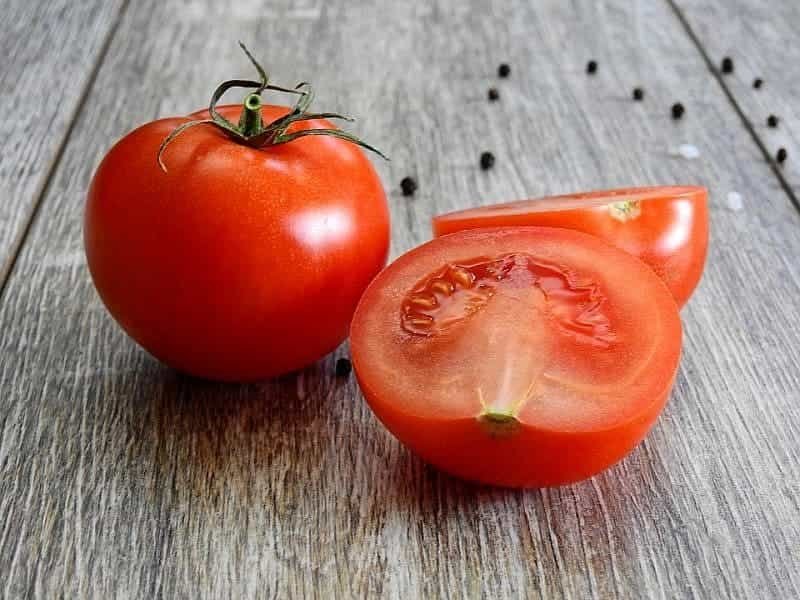
Adjust Tomato Storage Temperature by Ripeness Stage
Why we talk tomato storage separately? Because tomatoes are relatively sensitive to low temperatures, they shouldn’t place directly in overly cold storage conditions, especially before they are fully ripe.
The recommended tomatoes’ storage temperature isn’t a single fixed point; it should adjust according to their ripeness stage. В общем, the most suitable storage range for tomatoes is 12–14°C, with relative humidity around 85%, and prolonged exposure to temperatures below 8°C is forbidden under any circumstances.
Mature green tomatoes: Store them mainly for ripening, and keep them in a milder environment so they can retain their ability to ripen normally instead of exposing them to low-temperature refrigeration.
Turning tomatoes: Store them in conditions that allow them to continue ripening while still providing short-term preservation, and avoid excessively low temperatures that cause uneven color development and poor flavor.
Red-ripe tomatoes: Store them to slow down over-ripening, using short-term refrigeration only, and bring them back to room temperature before use to reduce the negative effects of low temperatures on texture and aroma.
Problems caused by low-temperature storage in tomatoes
When tomatoes store at excessively low temperatures, the most common issue isn’t freezing damage, but chilling injury.
Chilling injury includes:
-
Failure to ripen normally, with green fruit remaining difficult to turn red even after extended storage.
-
Loss of aroma, causing the characteristic tomato flavor to become weak or bland.
-
Softened flesh and poorer texture, with undesirable internal tissue condition after cutting.
-
Physiological disorders on the skin or surface, such as pitting, sunken areas, or abnormal spotting.
-
Quality problems becoming more obvious after removal from storage. Во многих случаях, the fruit may appear “spoiled,” but the damage is actually the result of accumulated chilling injury during earlier low-temperature storage.
Additional notes:
-
Unripe tomatoes shouldn’t be refrigerated directly, because this can interfere with the normal ripening process.
-
Tomatoes are highly sensitive to ethylene, so they should store separately from strong ethylene-producing fruits and vegetables, such as apples, pears, персики, and nectarines.
-
Ripe tomatoes may be refrigerated for a short period, but they are better suited to short turnover and aren’t suitable for long-term storage.
-
For commercial storage, ripeness grading is very important, because mature green, breaker, and red-ripe tomatoes have different storage objectives and therefore require different temperature strategies.
List of Fruits and Vegetables Unfit to Store in Standard Cold Rooms
Below is the list of fruits and vegerables which can’t store long-term in 0–4°C standard cold rooms:
| Produce | Причина | Примечания |
|---|---|---|
| Potato | Low temperatures accelerate the conversion of starch to sugars, leading to an overly sweet taste, excessive browning during frying/baking. | Store at about 7–10°C in a cool, сухой, dark place; avoid high humidity and very low temperatures in cold rooms. |
| Сладкая картошка | At 0–4°C they easily develop chilling injury: sunken skin, internal darkening, hard or fibrous texture, и т. д. | Prefer 13–16°C with relatively high humidity and good ventilation; use curing plus warm storage rather than standard cold rooms. |
| Dry onion | High humidity in cold rooms promotes mold, softening, and sprouting; the dry outer skins lose their protective effect and shorten storage life. | Store at 7–13°C in a low‑humidity, well‑ventilated environment, using mesh bags or ventilated containers. |
| Чеснок, shallot | Low temperature and high humidity cause sprouting, decay, and mold, and also affect flavor and appearance. | Store at cool, dry room temperature with good air movement; keep separate from potatoes to avoid mutual moisture problems. |
| Банан | Suffer chilling injury even with short exposure below about 13°C: the peel turns gray or black, the flesh becomes firm and off‑flavor, and normal ripening is disrupted. | Store green bananas around 13–14°C; avoid 0–4°C cold rooms during storage and ripening. |
| манго | At 0–4°C they show peel browning, water‑soaked patches, and serious flavor loss. | Store at about 10–13°C with appropriate ripening management instead of near 0°C cold storage. |
| Papaya | Low‑temperature storage causes chilling injury of peel and flesh, dull color, poor texture, and weak aroma. | Prefer storage around 10–13°C in a high temp cold room. |
| Огурец | Develop water‑soaked spots, pitting, and softening near 0°C, with obvious quality and appearance loss. | Best kept at 7–10°C and high relative humidity; avoid long‑term storage with 0–2°C commodities. |
| Eggplant | At 0–4°C they are prone to chilling injury, including skin browning, spotting, softening, and internal discoloration. | Store around 8–10°C, especially for long‑distance transport or longer storage time. |
| Sweet pepper | Very low temperatures cause surface pitting, internal darkening, water loss, and reduce crispness and gloss. | Store at 7–10°C with relatively high humidity to slow dehydration. |
| Citrus | Long time storage near 0°C can lead to chilling injury, peel browning, flavor loss. | Store in zones at 4–8°C, depending on the variety. |
| Зимняя дыня | Performs better in cool, сухой, well‑ventilated ambient conditions; low‑temperature, high‑humidity cold rooms tend to cause rot and mold. | Store at cool room temperature with good ventilation. |
Temperature Zone Division Scheme
Divide one cold room into 3 main temperature zones, with each zone further subdivided by ethylene/humidity needs. This is the most common practical zoning approach for commercial cold storage, covering over 90% of fruits and vegetables storage requirements.
1. Low-temperature zone (0–2°C, high humidity 90–98%)
Suitable products: Leafy greens, brassica vegetables (such as broccoli, cauliflower, cabbage), root vegetables (such as carrots, European radishes), temperate berries, and some strawberries—products that tolerate low temperatures well.
Расположение: Near the back wall or coldest end of the cold room, close to the evaporator air outlet. This leverages the natural settling of cold air, providing the lowest temperature and highest humidity, ideal for products that “fear heat but not cold.”
Operation tips:
1. Prioritize ethylene‑sensitive vegetables (such as lettuce, broccoli) and keep them away from any fruit zones.
2. Use tall racks or independent pallet racks for isolation to prevent temperature crossover with the mid‑temperature zone.
3. Контроль влажности: Use misting humidification or high‑humidity packaging to ensure it stays above 90% Правая сторона.
2. Mid-temperature zone (5–10°C, medium‑high humidity 85–95%)
Suitable products: Certain fruit vegetables (such as cucumbers, eggplants, peppers, bell peppers, immature tomatoes), some citrus fruits, transitional tropical/subtropical fruits (such as mangoes after precooling), and some root vegetables.
Расположение: Middle of the cold room, slightly closer to the door, where temperature is relatively stable with minimal fluctuations. This avoids the “overcooling” of the low‑temperature zone and the “rewarming” effects of the high‑temperature zone, making it suitable for chilling‑sensitive products that still need preservation.

Operation tips:
1. This zone often serves as a “transitional area” for short‑term storage (7–14 дней) of chilling‑sensitive fruits and vegetables.
2. Управление этиленом: Avoid sharing space with high ethylene producers like apples or bananas; if mixing is unavoidable, use plastic partition curtains or separate racks.
3. Rack design: Leave space under the bottom shelves to ensure air circulation and prevent cold air pooling at the base.
3. High‑temperature sensitive zone (10–15°C, medium humidity 80–90%)
Suitable products: Tropical fruits (such as bananas, mangoes, papayas, pineapples), ripe tomatoes, potatoes, сладкий картофель, dry onions and garlic, winter melons, and hard‑shell squashes—highly chilling‑sensitive or dry‑type products.
Расположение: Near the entrance door or warmest end of the cold room, utilizing door opening rewarming and equipment heat radiation.
This area naturally has higher temperatures, suitable for fine‑tuning with small electric heating wires or PTC heaters to reach the target temperature.
Operation tips:
1. Provide independent ventilation to prevent cold air infiltration from the low‑temperature zone.
2. Lower humidity control: Use dehumidifiers or dry packaging to prevent mold; place dry onions and potatoes on ventilated mesh racks.
3. Often used as a “ripening + short‑term preservation” zone, where bananas and mangoes can complete ethylene ripening and go directly to sale.
Заключение
Хранение в холодильнике — лучшее решение для сохранения свежести фруктов и овощей., это удобно и экономично, but you should understand different fruits and vegetables should store in different types cold storages with different chiller room temperature.
Любые комментарии?
Добро пожаловать оставьте сообщение или сделайте репост.