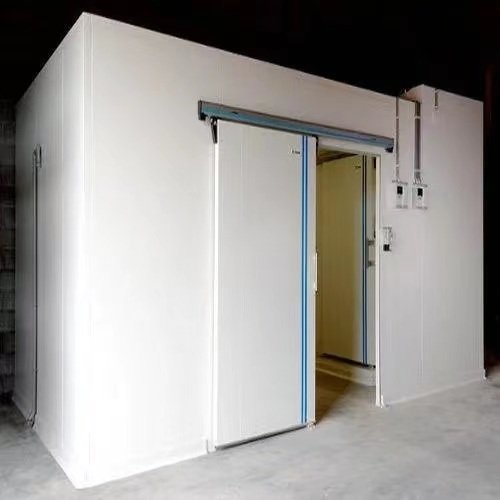
Sử dụng kho lạnh bảo quản rau củ quả là phương pháp giữ tươi khoa học, có thể duy trì tốt hơn chất dinh dưỡng và độ ẩm của chúng.
Đầu tiên, chúng ta nói về Kho Lạnh Trái Cây, nó có 3 các loại: kho lạnh tươi, bầu không khí được kiểm soát (CA) kho lạnh, và kho lạnh cấp đông.
Trái cây tươi Nhiệt độ và thời gian bảo quản
nhiệt độ tươi
For room chiller temperature, fresh cold storage and CA cold storage are roughly the same, is -2~+5°C. Một số loại trái cây nhiệt đới (chẳng hạn như chuối, quả xoài, vân vân) are kept the temperature above +10°C.
Nhiệt độ kho lạnh cấp đông thấp nhất, khoảng -18°C.
Thời gian lưu trữ
Đối với thời gian lưu trữ: nổ tủ đông kho lạnh > CA cold storage > kho lạnh tươi
Nhưng đối với chất lượng quả:
Kho lạnh CA có tác dụng giữ tươi tốt nhất, không phá hủy cấu trúc tế bào quả, và có tổn thất thấp nhất; Kho lạnh tươi kém hơn; Mặc dù kho lạnh cấp đông nổ có thời gian bảo quản lâu, will destroy fruits’ cell structure due to the low temperature freezing during the storage, không thể duy trì trái cây’ hương vị ban đầu.
| Loại kho lạnh | Nhiệt độ(°C) | Độ ẩm tương đối(%) | Thành phần khí(%) | Thời gian lưu trữ (Tháng) |
|---|---|---|---|---|
| Kho lạnh tươi | 0~2 | 85~90 | - | 3~6 |
| Kiểm soát khí quyển kho lạnh | -0.5~1 | 90~95 | Oxy là 3 ~ 5, Carbon dioxide thích hợp | 8~12 |
Táo’ Thời gian lưu trữ
Để ý: Fresh fruits (like apple) no use blast freezer cold storage.
CHÚ Ý: Do các khu vực sản xuất khác nhau và sự khác biệt cá nhân, các loại trái cây khác nhau có nhiệt độ và thời gian tươi khác nhau, see below:
Kho lạnh tươi
| Tên | Nhiệt độ(°C) | Độ ẩm tương đối(%) | Thời gian lưu trữ |
|---|---|---|---|
| Dừa | 4.5 | 75 | 12 Tháng |
| Quả xoài | 12.5 | 80~85 | 1 Tháng |
| Quả dứa | 8~10 | 85~90 | 14~28 ngày |
| Quả vải | 0~3 | 85~90 | 3 Tháng |
| sơn tra | 0 | 90 | 1 Tháng |
| pawpaw | 10~15 | 60~65 | 30~45 ngày |
| Chuối | 13~14 | 85 | 50 ngày |
Trái cây nhiệt đới’ Thời gian lưu trữ
| Tên | Nhiệt độ(°C) | Độ ẩm tương đối(%) | Thời gian lưu trữ |
|---|---|---|---|
| Quả nho | -1~3 | 85~90 | 1 Tháng |
| Cây xuân đào | 0 | 85~90 | 5 Tháng |
| thanh long | 3~4 | 80~90 | 45 ngày |
| quả anh đào | 0.5~1 | 80 | 7~21 ngày |
| ngày đỏ(Tươi) | -2~1 | 90~95 | 3 Tháng |
| Quýt | 1~2 | 75~80 | 1~3 tháng |
| Mận | 0~1 | 90 | 2 Tháng |
| Chanh vàng | 5~10 | 85~90 | 2 Tháng |
| Chuối | 7~11 | 85 | 14 ngày |
trái cây cận nhiệt đới’ Thời gian lưu trữ
| Tên | Nhiệt độ(°C) | Độ ẩm tương đối(%) | Thời gian lưu trữ |
|---|---|---|---|
| Dưa gang | 4~6 | 85~90 | 3 Tháng |
| Quả hồng | -1~0 | 85~90 | 3 Tháng |
| Quả dâu | -1 | 85~90 | 1 Tháng |
| Dưa lưới | 3~4 | 80 | 5~6 tháng |
| Quả cam | 1~2 | 75~80 | 1~3 tháng |
| Quả mơ | 0~1 | 90~95 | 7~12 ngày |
| nguyệt quế | 0 | 75~85 | 7~10 ngày |
| Quả đào | -1~0 | 90~95 | 1 Tháng |
| Quả táo | -1~1 | 80~85 | 3 Tháng |
| Dưa hấu | 10~12 | 80~85 | 1~2 tháng |
| Quả kiwi | 0~1 | 90~95 | 6~7 tháng |
Trái cây ôn đới và lạnh’ Thời gian lưu trữ
Kho lạnh CA
| tên trái cây | Nhiệt độ(°C) | Độ ẩm tương đối % | Nội dung O2 % | Hàm lượng CO2 % | Thời gian lưu trữ (Tháng) |
|---|---|---|---|---|---|
| Quả táo | 0~1 | 85~95 | 2~5 | 2~5 | 10 |
| Quả lê | 0 | 90~95 | 5 | >2 | 8 |
| Trái thạch lựu | 0~2 | 85~95 | 2~4 | 12 | 6 |
| Quả đào | 0 | 85~90 | 3 | 5 | 3~6 |
| Quả kiwi | 0~1 | 90~95 | 5 | 2 | 6 |
| Quả dâu | 0~1 | 85~95 | 3 | 6 | 1~2 |
| Dưa hấu | 2~4 | 75~85 | 3~5 | 3~5 | 2 |
| Dưa lưới | 3~4 | 80 | 3~5 | 1~1,5 | 6 |
| Mận | 0 | 80~95 | 3~5 | 2~5 | 1~2 |
| Quả hồng | -1 | 90 | 3~5 | 8 | 3~5 |
Blast Freezer kho lạnh
| tên trái cây | Nhiệt độ(°C) | Thời gian lưu trữ ( Tháng) |
|---|---|---|
| Quả sầu riêng | -18~-22 | 6~8 |
| Quả đào | -18 | 12 |
| việt quất | -18 | 12 |
| quả anh đào | -18 | 12 |
Fruit Storage Tips
1). Làm lạnh sơ bộ trái cây trước khi đưa vào kho lạnh
Làm lạnh sơ bộ có thể ức chế quá trình hô hấp và thoát hơi nước của quả sau khi hái, đồng thời giúp trái cây thích nghi tốt hơn với môi trường nhiệt độ thấp của kho lạnh.
Để ý: Vegetable also need pre-cool.
2). Giữ nhiệt độ kho lạnh ổn định
Temperature difference should be stable: ±1°C. Nếu nhiệt độ quá cao, cường độ hô hấp của quả tăng, dẫn đến chín sau. Nhiệt độ quá thấp có thể gây tê cóng cho trái cây.
3). Giữ độ ẩm ổn định
Keep the fresh cold storage humidity stable: 75~90%.
Độ ẩm quá cao có thể dễ dàng gây ngưng tụ hơi nước và làm hỏng trái cây. Too low humidity will cause fruits to lose water and dry up, mất giá trị ăn được.
4). Không trộn các loại trái cây khác nhau
Trái cây nhiệt đới không thể trộn lẫn với trái cây vùng ôn đới và lạnh giá.
Excessive temperature differences will cause fruits freezing damage in temperate and frigid zones.
Trong khi đó, nhiệt độ cao cũng sẽ đẩy nhanh sự phát triển và sinh sản của nấm mốc và các vi khuẩn khác, dẫn đến thối và hư hỏng trái cây bị nhiễm vi khuẩn.
Độ ẩm rất quan trọng đối với việc bảo quản trái cây. Khi trộn trái cây trong kho lạnh, độ ẩm trong phòng không thể đáp ứng các yêu cầu về độ ẩm khác nhau.
Một số loại trái cây như chuối, quả hồng, quả táo, Quả kiwi, và các loại trái cây khí hậu khác giải phóng ethylene khi chín. Ethylene là một loại hormone thực vật thúc đẩy quá trình chín của trái cây. When fruits mixed, will lead to accelerated ripening of other fruit.
Nhiệt độ kho lạnh rau quả
The temperature of vegetable cold storage is roughly 0~+15°C, nhiệt độ nào có thể ức chế hoạt động của vi sinh vật, giảm tỷ lệ thối rữa của rau, và kéo dài thời gian lưu trữ của rau.
Có liệt kê nhiệt độ phòng lạnh gần đúng của các loại rau chính:
| Các loại rau củ | nhiệt độ phòng(°C) | Các loại rau lá | nhiệt độ phòng(°C) | rau dưa | nhiệt độ phòng(°C) |
|---|---|---|---|---|---|
| Tỏi | 0~5 | hẹ Trung Quốc | 0~3 | Quả dưa chuột | 10~15 |
| cà rốt | 0~5 | cải xoăn | 0~3 | Bí đao | 10~15 |
| Rau cần tây | 0~5 | Rau chân vịt | 0~3 | Quả bí ngô | 10~15 |
| gừng | 0~15 | bắp cải Trung Quốc | 0~3 | Momordica charantia | 10~15 |
| khoai sọ | 0~15 | Rau xà lách | 0~3 | Bí đao | 10~15 |
| Khoai lang | 0~15 | cỏ dại | 0~3 | Bí đao | 5~10 |
Nhiệt độ kho lạnh rau quả
Adjust Tomato Storage Temperature by Ripeness Stage
Why we talk tomato storage separately? Because tomatoes are relatively sensitive to low temperatures, they shouldn’t place directly in overly cold storage conditions, especially before they are fully ripe.
The recommended tomatoes’ storage temperature isn’t a single fixed point; it should adjust according to their ripeness stage. Nói chung, the most suitable storage range for tomatoes is 12–14°C, with relative humidity around 85%, and prolonged exposure to temperatures below 8°C is forbidden under any circumstances.
Mature green tomatoes: Store them mainly for ripening, and keep them in a milder environment so they can retain their ability to ripen normally instead of exposing them to low-temperature refrigeration.
Turning tomatoes: Store them in conditions that allow them to continue ripening while still providing short-term preservation, and avoid excessively low temperatures that cause uneven color development and poor flavor.
Red-ripe tomatoes: Store them to slow down over-ripening, using short-term refrigeration only, and bring them back to room temperature before use to reduce the negative effects of low temperatures on texture and aroma.
Problems caused by low-temperature storage in tomatoes
When tomatoes store at excessively low temperatures, the most common issue isn’t freezing damage, but chilling injury.
Chilling injury includes:
-
Failure to ripen normally, with green fruit remaining difficult to turn red even after extended storage.
-
Loss of aroma, causing the characteristic tomato flavor to become weak or bland.
-
Softened flesh and poorer texture, with undesirable internal tissue condition after cutting.
-
Physiological disorders on the skin or surface, such as pitting, sunken areas, or abnormal spotting.
-
Quality problems becoming more obvious after removal from storage. Trong nhiều trường hợp, the fruit may appear “spoiled,” but the damage is actually the result of accumulated chilling injury during earlier low-temperature storage.
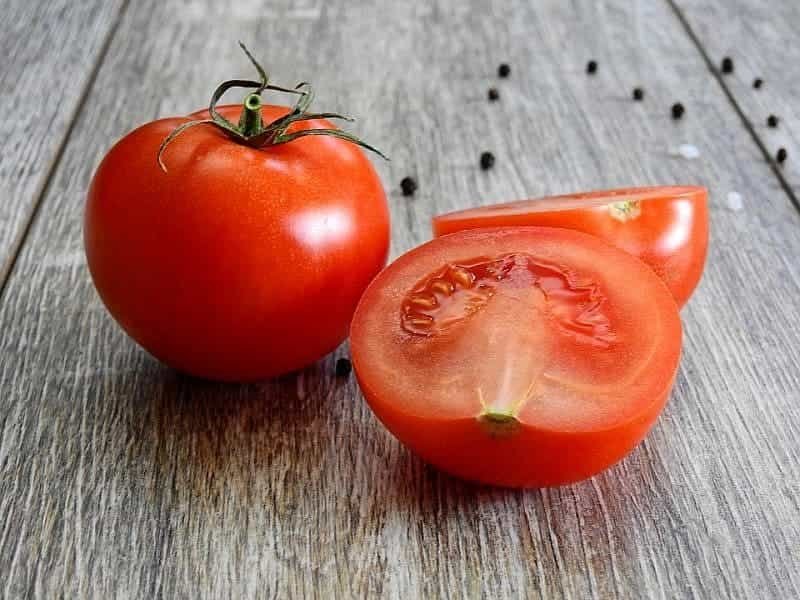
Additional notes:
-
Unripe tomatoes shouldn’t be refrigerated directly, because this can interfere with the normal ripening process.
-
Tomatoes are highly sensitive to ethylene, so they should store separately from strong ethylene-producing fruits and vegetables, such as apples, pears, quả đào, and nectarines.
-
Ripe tomatoes may be refrigerated for a short period, but they are better suited to short turnover and aren’t suitable for long-term storage.
-
For commercial storage, ripeness grading is very important, because mature green, breaker, and red-ripe tomatoes have different storage objectives and therefore require different temperature strategies.
List of Fruits and Vegetables Unfit to Store in Standard Cold Rooms
Below is the list of fruits and vegerables which can’t store long-term in 0–4°C standard cold rooms:
| Produce | Lý do | ghi chú |
|---|---|---|
| Potato | Low temperatures accelerate the conversion of starch to sugars, leading to an overly sweet taste, excessive browning during frying/baking. | Store at about 7–10°C in a cool, khô, dark place; avoid high humidity and very low temperatures in cold rooms. |
| Khoai lang | At 0–4°C they easily develop chilling injury: sunken skin, internal darkening, hard or fibrous texture, vân vân | Prefer 13–16°C with relatively high humidity and good ventilation; use curing plus warm storage rather than standard cold rooms. |
| Dry onion | High humidity in cold rooms promotes mold, softening, and sprouting; the dry outer skins lose their protective effect and shorten storage life. | Store at 7–13°C in a low‑humidity, well‑ventilated environment, using mesh bags or ventilated containers. |
| Tỏi, shallot | Low temperature and high humidity cause sprouting, decay, and mold, and also affect flavor and appearance. | Store at cool, dry room temperature with good air movement; keep separate from potatoes to avoid mutual moisture problems. |
| Chuối | Suffer chilling injury even with short exposure below about 13°C: the peel turns gray or black, the flesh becomes firm and off‑flavor, and normal ripening is disrupted. | Store green bananas around 13–14°C; avoid 0–4°C cold rooms during storage and ripening. |
| Quả xoài | At 0–4°C they show peel browning, water‑soaked patches, and serious flavor loss. | Store at about 10–13°C with appropriate ripening management instead of near 0°C cold storage. |
| Papaya | Low‑temperature storage causes chilling injury of peel and flesh, dull color, poor texture, and weak aroma. | Prefer storage around 10–13°C in a high temp cold room. |
| Quả dưa chuột | Develop water‑soaked spots, pitting, and softening near 0°C, with obvious quality and appearance loss. | Best kept at 7–10°C and high relative humidity; avoid long‑term storage with 0–2°C commodities. |
| Eggplant | At 0–4°C they are prone to chilling injury, including skin browning, spotting, softening, and internal discoloration. | Store around 8–10°C, especially for long‑distance transport or longer storage time. |
| Sweet pepper | Very low temperatures cause surface pitting, internal darkening, water loss, and reduce crispness and gloss. | Store at 7–10°C with relatively high humidity to slow dehydration. |
| Citrus | Long time storage near 0°C can lead to chilling injury, peel browning, flavor loss. | Store in zones at 4–8°C, depending on the variety. |
| Bí đao | Performs better in cool, khô, well‑ventilated ambient conditions; low‑temperature, high‑humidity cold rooms tend to cause rot and mold. | Store at cool room temperature with good ventilation. |
Temperature Zone Division Scheme
Divide one cold room into 3 main temperature zones, with each zone further subdivided by ethylene/humidity needs. This is the most common practical zoning approach for commercial cold storage, covering over 90% of fruits and vegetables storage requirements.
1. Low-temperature zone (0–2°C, high humidity 90–98%)
Suitable products: Leafy greens, brassica vegetables (such as broccoli, cauliflower, cabbage), root vegetables (such as carrots, European radishes), temperate berries, and some strawberries—products that tolerate low temperatures well.
Vị trí: Near the back wall or coldest end of the cold room, close to the evaporator air outlet. This leverages the natural settling of cold air, providing the lowest temperature and highest humidity, ideal for products that “fear heat but not cold.”
Operation tips:
1. Prioritize ethylene‑sensitive vegetables (such as lettuce, broccoli) and keep them away from any fruit zones.
2. Use tall racks or independent pallet racks for isolation to prevent temperature crossover with the mid‑temperature zone.
3. Kiểm soát độ ẩm: Use misting humidification or high‑humidity packaging to ensure it stays above 90% RH.
2. Mid-temperature zone (5–10°C, medium‑high humidity 85–95%)
Suitable products: Certain fruit vegetables (such as cucumbers, eggplants, peppers, bell peppers, immature tomatoes), some citrus fruits, transitional tropical/subtropical fruits (such as mangoes after precooling), and some root vegetables.
Vị trí: Middle of the cold room, slightly closer to the door, where temperature is relatively stable with minimal fluctuations. This avoids the “overcooling” of the low‑temperature zone and the “rewarming” effects of the high‑temperature zone, making it suitable for chilling‑sensitive products that still need preservation.

Operation tips:
1. This zone often serves as a “transitional area” for short‑term storage (7–14 ngày) of chilling‑sensitive fruits and vegetables.
2. quản lý etylen: Avoid sharing space with high ethylene producers like apples or bananas; if mixing is unavoidable, use plastic partition curtains or separate racks.
3. Rack design: Leave space under the bottom shelves to ensure air circulation and prevent cold air pooling at the base.
3. High‑temperature sensitive zone (10–15°C, medium humidity 80–90%)
Suitable products: Tropical fruits (such as bananas, mangoes, papayas, pineapples), ripe tomatoes, potatoes, khoai lang, dry onions and garlic, winter melons, and hard‑shell squashes—highly chilling‑sensitive or dry‑type products.
Vị trí: Near the entrance door or warmest end of the cold room, utilizing door opening rewarming and equipment heat radiation.
This area naturally has higher temperatures, suitable for fine‑tuning with small electric heating wires or PTC heaters to reach the target temperature.
Operation tips:
1. Provide independent ventilation to prevent cold air infiltration from the low‑temperature zone.
2. Lower humidity control: Use dehumidifiers or dry packaging to prevent mold; place dry onions and potatoes on ventilated mesh racks.
3. Often used as a “ripening + short‑term preservation” zone, where bananas and mangoes can complete ethylene ripening and go directly to sale.
Phần kết luận
Kho lạnh là giải pháp tốt nhất để giữ tươi rau củ quả, nó thuận tiện và kinh tế, but you should understand different fruits and vegetables should store in different types cold storages with different chiller room temperature.
Mọi ý kiến?
Chào mừng bạn để lại tin nhắn hoặc đăng lại.