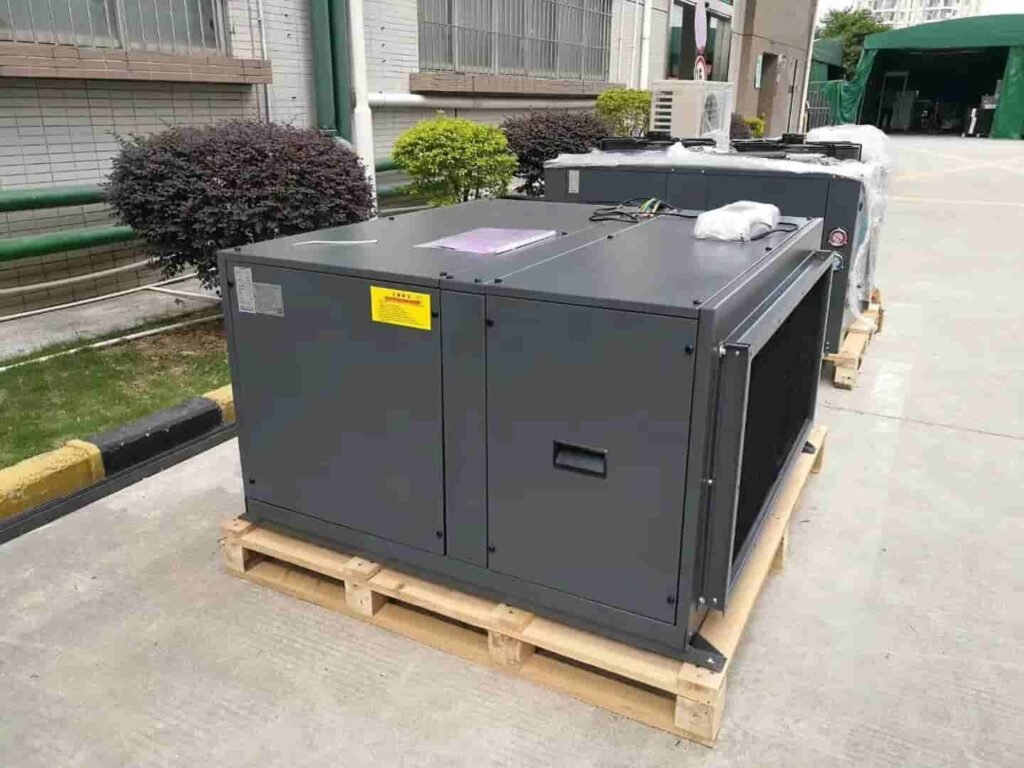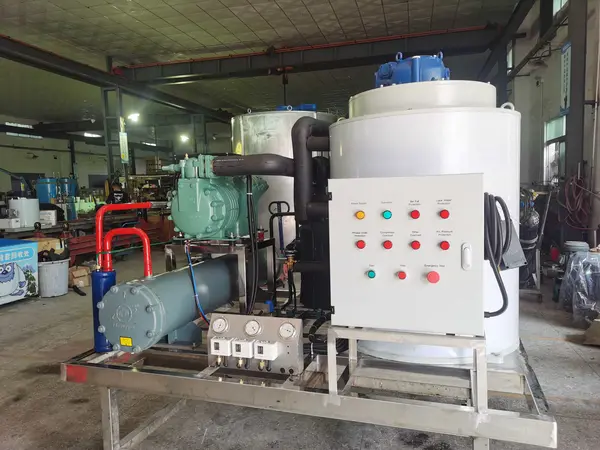
Usar o armazenamento a frio para armazenar frutas e vegetais é um método científico de conservação, que podem manter melhor seus nutrientes e umidade.
Primeiro, falamos da Armazenamento Frio de Frutas, tem 3 tipos: armazenamento frio fresco, atmosfera controlada (CA) armazém frio, e armazenamento a frio de ultracongelador.
Temperatura da fruta fresca e tempo de armazenamento
Temperatura Fresca
For room chiller temperature, fresh cold storage and CA cold storage are roughly the same, is -2~+5°C. Algumas frutas tropicais (como banana, manga, etc) are kept the temperature above +10°C.
A temperatura do armazenamento a frio do ultracongelador é a mais baixa, que é em torno de -18°C.
Tempo de armazenamento
Para tempo de armazenamento: armazenamento a frio do congelador de explosão > CA cold storage > armazenamento frio fresco
Mas para a qualidade da fruta:
O armazenamento a frio CA tem o melhor efeito de manutenção de frescor, não destrói a estrutura das células da fruta, e tem a menor perda; Armazenamento frio fresco é pior; Embora o armazenamento a frio do ultracongelador tenha um longo tempo de armazenamento, will destroy fruits’ cell structure due to the low temperature freezing during the storage, não pode manter frutas’ Sabor original.
| Tipo de armazenamento frio | temperatura(°C) | Humidade relativa(%) | Composição do gás(%) | Tempo de armazenamento (Mês) |
|---|---|---|---|---|
| Armazenamento frio fresco | 0~2 | 85~90 | - | 3~6 |
| Armazenamento a frio em atmosfera controlada | -0.5~1 | 90~95 | O oxigênio é 3 ~ 5, dióxido de carbono apropriado | 8~12 |
Maçãs’ Tempo de armazenamento
Perceber: Fresh fruits (like apple) no use blast freezer cold storage.
ATENÇÃO: Devido a diferentes áreas de produção e diferenças individuais, diferentes frutas têm diferentes temperaturas frescas e tempos, see below:
Armazenamento frio fresco
| Nome | temperatura(°C) | Humidade relativa(%) | Tempo de armazenamento |
|---|---|---|---|
| Coco | 4.5 | 75 | 12 Meses |
| manga | 12.5 | 80~85 | 1 Mês |
| Abacaxi | 8~10 | 85~90 | 14~ 28 dias |
| Lichia | 0~3 | 85~90 | 3 Meses |
| nêspera | 0 | 90 | 1 Mês |
| mamão | 10~15 | 60~65 | 30~ 45 dias |
| Banana | 13~14 | 85 | 50 Dias |
Frutas tropicais’ Tempo de armazenamento
| Nome | temperatura(°C) | Humidade relativa(%) | Tempo de armazenamento |
|---|---|---|---|
| Uva | -1~3 | 85~90 | 1 Meses |
| Nectarina | 0 | 85~90 | 5 Meses |
| Pitaya | 3~4 | 80~90 | 45 Dias |
| Cereja | 0.5~1 | 80 | 7~ 21 dias |
| jujubas(Fresco) | -2~1 | 90~95 | 3 Meses |
| tangerina | 1~2 | 75~80 | 1~ 3 meses |
| Ameixa | 0~1 | 90 | 2 Meses |
| Limão | 5~10 | 85~90 | 2 Meses |
| Banana | 7~11 | 85 | 14 Dias |
frutas subtropicais’ Tempo de armazenamento
| Nome | temperatura(°C) | Humidade relativa(%) | Tempo de armazenamento |
|---|---|---|---|
| Melão | 4~6 | 85~90 | 3 Meses |
| Caqui | -1~0 | 85~90 | 3 Meses |
| Morango | -1 | 85~90 | 1 Mês |
| Cantalupo | 3~4 | 80 | 5~ 6 Meses |
| Laranja | 1~2 | 75~80 | 1~ 3 meses |
| Damasco | 0~1 | 90~95 | 7~12 dias |
| Bayberry | 0 | 75~85 | 7~ 10 dias |
| Pêssego | -1~0 | 90~95 | 1 Mês |
| Maçã | -1~1 | 80~85 | 3 Meses |
| Melancia | 10~12 | 80~85 | 1~ 2 meses |
| kiwi | 0~1 | 90~95 | 6~ 7 Meses |
Frutas temperadas e frias’ Tempo de armazenamento
CA armazenamento a frio
| Nome da fruta | temperatura(°C) | Humidade relativa % | Conteúdo de O2 % | Conteúdo de CO2 % | Tempo de armazenamento (Meses) |
|---|---|---|---|---|---|
| Maçã | 0~1 | 85~95 | 2~5 | 2~5 | 10 |
| Pera | 0 | 90~95 | 5 | >2 | 8 |
| Romã | 0~2 | 85~95 | 2~4 | 12 | 6 |
| Pêssego | 0 | 85~90 | 3 | 5 | 3~6 |
| kiwi | 0~1 | 90~95 | 5 | 2 | 6 |
| Morango | 0~1 | 85~95 | 3 | 6 | 1~2 |
| Melancia | 2~4 | 75~85 | 3~5 | 3~5 | 2 |
| Cantalupo | 3~4 | 80 | 3~5 | 1~1,5 | 6 |
| Ameixa | 0 | 80~95 | 3~5 | 2~5 | 1~2 |
| Caqui | -1 | 90 | 3~5 | 8 | 3~5 |
Armazenamento a frio do ultracongelador
| Nome da fruta | temperatura(°C) | Tempo de armazenamento ( Meses) |
|---|---|---|
| Durian | -18~-22 | 6~8 |
| Pêssego | -18 | 12 |
| Mirtilo | -18 | 12 |
| Cereja | -18 | 12 |
Fruit Storage Tips
1). Pré-resfrie as frutas antes de colocá-las no armazenamento refrigerado
O pré-resfriamento pode inibir a respiração e a transpiração do fruto após a colheita, e, ao mesmo tempo, ajudam a fruta a se adaptar melhor ao ambiente de baixa temperatura do armazenamento a frio.
Perceber: Vegetable also need pre-cool.
2). Mantenha a temperatura de armazenamento a frio estável
Temperature difference should be stable: ±1°C. Se a temperatura estiver muito alta, a intensidade da respiração da fruta aumentará, resultando em pós-maturação. Temperatura muito baixa pode causar congelamento da fruta.
3). Mantenha a umidade estável
Keep the fresh cold storage humidity stable: 75~90%.
A umidade excessiva pode facilmente causar condensação e deterioração das frutas. Too low humidity will cause fruits to lose water and dry up, perdendo seu valor comestível.

4). Não misture frutas diferentes
Frutas tropicais não podem se misturar com frutas de zonas temperadas e frias.
Excessive temperature differences will cause fruits freezing damage in temperate and frigid zones.
Enquanto isso, alta temperatura também irá acelerar o crescimento e reprodução de fungos e outras bactérias, resultando em podridão e deterioração de frutas infectadas com bactérias.
A umidade é muito importante para o armazenamento de frutas. Quando as frutas são misturadas no armazenamento a frio, a umidade da sala não pode atender a vários requisitos de umidade.
Algumas frutas como banana, caqui, maçã, kiwi, e outras frutas climatéricas liberam etileno quando maduras. O etileno é um hormônio vegetal que promove o amadurecimento dos frutos. When fruits mixed, will lead to accelerated ripening of other fruit.
Temperatura de Armazenamento Frio de Legumes
The temperature of vegetable cold storage is roughly 0~+15°C, qual temperatura pode inibir a atividade de micróbios, reduzir a taxa de decomposição de vegetais, e prolongar o tempo de armazenamento de vegetais.
Ali estão listadas as temperaturas aproximadas da sala fria dos vegetais principais:
| Vegetal de raiz | Temperatura ambiente(°C) | Vegetais folhosos | Temperatura ambiente(°C) | Legumes de Melão | Temperatura ambiente(°C) |
|---|---|---|---|---|---|
| Alho | 0~5 | cebolinha chinesa | 0~3 | Pepino | 10~15 |
| Cenoura | 0~5 | Couve | 0~3 | Melão de inverno | 10~15 |
| Salsão | 0~5 | Espinafre | 0~3 | Abóbora | 10~15 |
| Ruivo | 0~15 | repolho chinês | 0~3 | Momordica charantia | 10~15 |
| taro | 0~15 | Alface | 0~3 | Abóbora | 10~15 |
| Batata doce | 0~15 | ervas daninhas | 0~3 | Abóbora | 5~10 |
Temperatura de armazenamento a frio de legumes
Adjust Tomato Storage Temperature by Ripeness Stage
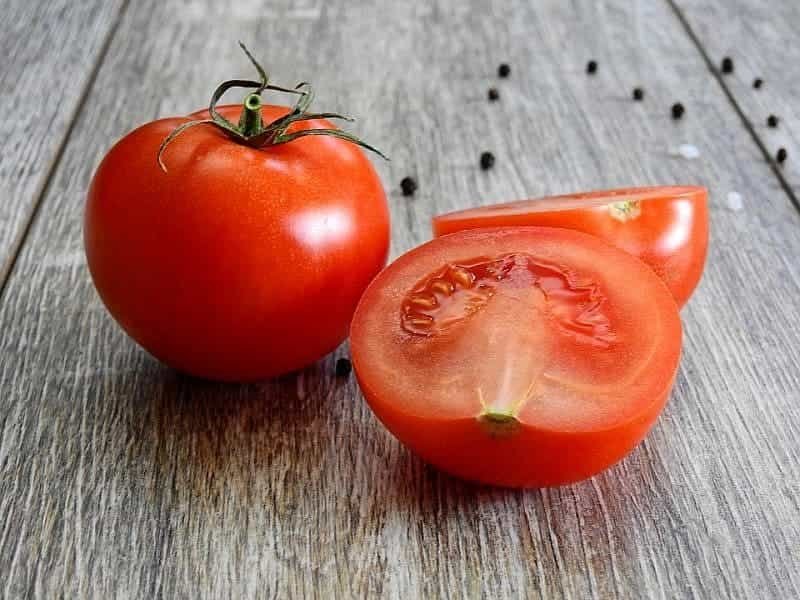
Why we talk tomato storage separately? Because tomatoes are relatively sensitive to low temperatures, they shouldn’t place directly in overly cold storage conditions, especially before they are fully ripe.
The recommended tomatoes’ storage temperature isn’t a single fixed point; it should adjust according to their ripeness stage. Em geral, the most suitable storage range for tomatoes is 12–14°C, with relative humidity around 85%, and prolonged exposure to temperatures below 8°C is forbidden under any circumstances.
Mature green tomatoes: Store them mainly for ripening, and keep them in a milder environment so they can retain their ability to ripen normally instead of exposing them to low-temperature refrigeration.
Turning tomatoes: Store them in conditions that allow them to continue ripening while still providing short-term preservation, and avoid excessively low temperatures that cause uneven color development and poor flavor.
Red-ripe tomatoes: Store them to slow down over-ripening, using short-term refrigeration only, and bring them back to room temperature before use to reduce the negative effects of low temperatures on texture and aroma.
Problems caused by low-temperature storage in tomatoes
When tomatoes store at excessively low temperatures, the most common issue isn’t freezing damage, but chilling injury.
Chilling injury includes:
-
Failure to ripen normally, with green fruit remaining difficult to turn red even after extended storage.
-
Loss of aroma, causing the characteristic tomato flavor to become weak or bland.
-
Softened flesh and poorer texture, with undesirable internal tissue condition after cutting.
-
Physiological disorders on the skin or surface, such as pitting, sunken areas, or abnormal spotting.
-
Quality problems becoming more obvious after removal from storage. Em muitos casos, the fruit may appear “spoiled,” but the damage is actually the result of accumulated chilling injury during earlier low-temperature storage.
Additional notes:
-
Unripe tomatoes shouldn’t be refrigerated directly, because this can interfere with the normal ripening process.
-
Tomatoes are highly sensitive to ethylene, so they should store separately from strong ethylene-producing fruits and vegetables, such as apples, pears, pêssegos, and nectarines.
-
Ripe tomatoes may be refrigerated for a short period, but they are better suited to short turnover and aren’t suitable for long-term storage.
-
For commercial storage, ripeness grading is very important, because mature green, breaker, and red-ripe tomatoes have different storage objectives and therefore require different temperature strategies.
List of Fruits and Vegetables Unfit to Store in Standard Cold Rooms
Below is the list of fruits and vegerables which can’t store long-term in 0–4°C standard cold rooms:
| Produce | Razão | Notas |
|---|---|---|
| Potato | Low temperatures accelerate the conversion of starch to sugars, leading to an overly sweet taste, excessive browning during frying/baking. | Store at about 7–10°C in a cool, seco, dark place; avoid high humidity and very low temperatures in cold rooms. |
| Batata doce | At 0–4°C they easily develop chilling injury: sunken skin, internal darkening, hard or fibrous texture, etc | Prefer 13–16°C with relatively high humidity and good ventilation; use curing plus warm storage rather than standard cold rooms. |
| Dry onion | High humidity in cold rooms promotes mold, softening, and sprouting; the dry outer skins lose their protective effect and shorten storage life. | Store at 7–13°C in a low‑humidity, well‑ventilated environment, using mesh bags or ventilated containers. |
| Alho, shallot | Low temperature and high humidity cause sprouting, decay, and mold, and also affect flavor and appearance. | Store at cool, dry room temperature with good air movement; keep separate from potatoes to avoid mutual moisture problems. |
| Banana | Suffer chilling injury even with short exposure below about 13°C: the peel turns gray or black, the flesh becomes firm and off‑flavor, and normal ripening is disrupted. | Store green bananas around 13–14°C; avoid 0–4°C cold rooms during storage and ripening. |
| manga | At 0–4°C they show peel browning, water‑soaked patches, and serious flavor loss. | Store at about 10–13°C with appropriate ripening management instead of near 0°C cold storage. |
| Papaya | Low‑temperature storage causes chilling injury of peel and flesh, dull color, poor texture, and weak aroma. | Prefer storage around 10–13°C in a high temp cold room. |
| Pepino | Develop water‑soaked spots, pitting, and softening near 0°C, with obvious quality and appearance loss. | Best kept at 7–10°C and high relative humidity; avoid long‑term storage with 0–2°C commodities. |
| Eggplant | At 0–4°C they are prone to chilling injury, including skin browning, spotting, softening, and internal discoloration. | Store around 8–10°C, especially for long‑distance transport or longer storage time. |
| Sweet pepper | Very low temperatures cause surface pitting, internal darkening, water loss, and reduce crispness and gloss. | Store at 7–10°C with relatively high humidity to slow dehydration. |
| Citrus | Long time storage near 0°C can lead to chilling injury, peel browning, flavor loss. | Store in zones at 4–8°C, depending on the variety. |
| Melão de inverno | Performs better in cool, seco, well‑ventilated ambient conditions; low‑temperature, high‑humidity cold rooms tend to cause rot and mold. | Store at cool room temperature with good ventilation. |
How to Divide One Cold Room into Multiple Temperature Zones?
Divide one cold room into 3 main temperature zones, with each zone further subdivided by ethylene/humidity needs. This is the most common practical zoning approach for commercial cold storage, covering over 90% of fruits and vegetables storage requirements.
1. Low-temperature zone (0–2°C, high humidity 90–98%)
Suitable products: Leafy greens, brassica vegetables (such as broccoli, cauliflower, cabbage), root vegetables (such as carrots, European radishes), temperate berries, and some strawberries—products that tolerate low temperatures well.
Localização: Near the back wall or coldest end of the cold room, close to the evaporator air outlet. This leverages the natural settling of cold air, providing the lowest temperature and highest humidity, ideal for products that “fear heat but not cold.”
Operation tips:
1. Prioritize ethylene‑sensitive vegetables (such as lettuce, broccoli) and keep them away from any fruit zones.
2. Use tall racks or independent pallet racks for isolation to prevent temperature crossover with the mid‑temperature zone.
3. controle de umidade: Use misting humidification or high‑humidity packaging to ensure it stays above 90% RH.
2. Mid-temperature zone (5–10°C, medium‑high humidity 85–95%)
Suitable products: Certain fruit vegetables (such as cucumbers, eggplants, peppers, bell peppers, immature tomatoes), some citrus fruits, transitional tropical/subtropical fruits (such as mangoes after precooling), and some root vegetables.
Localização: Middle of the cold room, slightly closer to the door, where temperature is relatively stable with minimal fluctuations. This avoids the “overcooling” of the low‑temperature zone and the “rewarming” effects of the high‑temperature zone, making it suitable for chilling‑sensitive products that still need preservation.

Operation tips:
1. This zone often serves as a “transitional area” for short‑term storage (7–14 dias) of chilling‑sensitive fruits and vegetables.
2. Gestão de etileno: Avoid sharing space with high ethylene producers like apples or bananas; if mixing is unavoidable, use plastic partition curtains or separate racks.
3. Rack design: Leave space under the bottom shelves to ensure air circulation and prevent cold air pooling at the base.
3. High‑temperature sensitive zone (10–15°C, medium humidity 80–90%)
Suitable products: Tropical fruits (such as bananas, mangoes, papayas, pineapples), ripe tomatoes, potatoes, batata -doce, dry onions and garlic, winter melons, and hard‑shell squashes—highly chilling‑sensitive or dry‑type products.
Localização: Near the entrance door or warmest end of the cold room, utilizing door opening rewarming and equipment heat radiation.
This area naturally has higher temperatures, suitable for fine‑tuning with small electric heating wires or PTC heaters to reach the target temperature.
Operation tips:
1. Provide independent ventilation to prevent cold air infiltration from the low‑temperature zone.
2. Lower humidity control: Use dehumidifiers or dry packaging to prevent mold; place dry onions and potatoes on ventilated mesh racks.
3. Often used as a “ripening + short‑term preservation” zone, where bananas and mangoes can complete ethylene ripening and go directly to sale.
What Cold Room Solution Do You Need for 3/7/30 Days or 6 Meses?
Quick decision guide:
3 dias: Choose a standard cold room; prioritize quick cooling and easy product turnover.
7 dias: Choose a standard cold room with better humidity and airflow control.
30 dias: Choose a well-designed standard cold room, or split products by temperature zone if you store mixed produce.
6 meses: Choose CA cold storage for suitable high-value products; standard cold rooms often can’t maintain the same quality for long-term storage.
Conclusão
O armazenamento a frio é a melhor solução para manter frutas e vegetais frescos, é conveniente e econômico, but you should understand different fruits and vegetables should store in different types cold storages with different chiller room temperature.