Câmara fria de carne ajuda processadores de carne, distribuidores, supermercados, e as empresas alimentícias mantêm a carne segura, fresco, e estável durante o armazenamento e distribuição.
A temperatura certa, umidade, fluxo de ar, e a configuração do equipamento podem reduzir a deterioração, limitar a perda de peso, e apoiar melhor qualidade do produto.
Este guia explica como escolher a câmara frigorífica certa para carne resfriada, carne congelada, e aplicações de congelamento rápido.
Também cobre a temperatura de armazenamento, tempo de armazenamento, projeto de quarto, problemas comuns, e as principais informações necessárias antes da seleção do sistema.
Temperaturas de armazenamento de carne
A temperatura correta depende do tipo de produto, meta de armazenamento, método de embalagem, e ciclo de rotatividade.
A temperatura ambiente e a temperatura central do produto nem sempre são as mesmas, portanto, o projeto deve seguir os requisitos reais do processo.
| Tipo de produto | Finalidade de armazenamento | Temperatura do quarto | Segmentação do produto | Notas |
|---|---|---|---|---|
| Carne fresca / carne de carcaça | Resfriamento de curto prazo | 0 ~ 4°C | Perto da condição refrigerada | Adequado para retenção curta e distribuição rápida. |
| Carne de porco resfriada, carne bovina, cortes de cordeiro | Curto prazo | 0 ~ 4°C, dependendo do processo | Condição refrigerada estável | Bom para varejo e uso em cadeia curta de frio. |
| Carne congelada | Longo prazo | Cerca de -18°C | Pouco tempo congelado | Meta comum para estoque congelado. |
| Processo de congelamento rápido | Congelamento rápido antes do armazenamento congelado | -35°C ~ -40 °C | O produto se move em direção a -18°C a -20°C | Ajuda a reduzir os danos causados pelos cristais de gelo e suporta uma descida mais rápida. |
| Armazenamento congelado após congelamento rápido | Longo prazo | -18° C ~ -25 ° C. | Manter a condição congelada | Usado depois que o produto atinge o estado congelado necessário. |
Carne Resfriada vs Carne Congelada
Carne gelada combina com armazenamento de curto prazo e rotatividade rápida.
As empresas muitas vezes escolhem o armazenamento refrigerado quando desejam manter uma aparência fresca e fornecer rapidamente o varejo ou a distribuição local.
Carne congelada adapta-se ao armazenamento a longo prazo, exportar, e backup de inventário.
As empresas utilizam o armazenamento congelado quando necessitam de um prazo de validade mais longo e de mais flexibilidade no transporte e no planeamento de stocks.
Os dois sistemas não têm o mesmo propósito:
Uma sala refrigerada suporta retenção curta, enquanto uma sala de freezer suporta armazenamento prolongado, e um freezer rápido suporta congelamento rápido antes do armazenamento congelado por longo prazo.
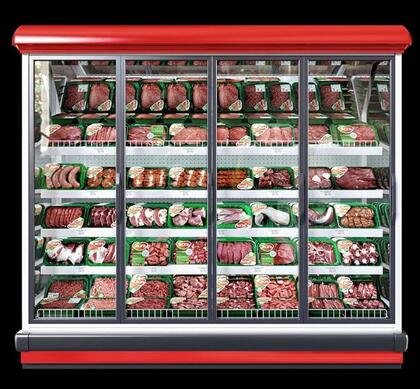
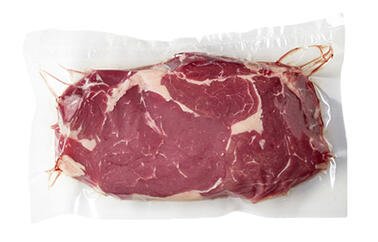
Carne Resfriada
Parâmetros-chave para câmara frigorífica de carne
O bom armazenamento da carne não depende apenas da temperatura.
Umidade, fluxo de ar, carregamento de sala, isolamento, drenagem, e frequência de abertura da porta afetam a qualidade, perda de peso, higiene, e uso de energia.
1. Faixa de temperatura
O ponto de ajuste da sala deve corresponder ao processo do produto.
Sala refrigerada, sala de congelamento, e a sala do congelador precisam de diferentes níveis de temperatura, e o projeto deve se concentrar na temperatura alvo do produto, em vez de apenas na temperatura da sala vazia.
2. Umidade relativa
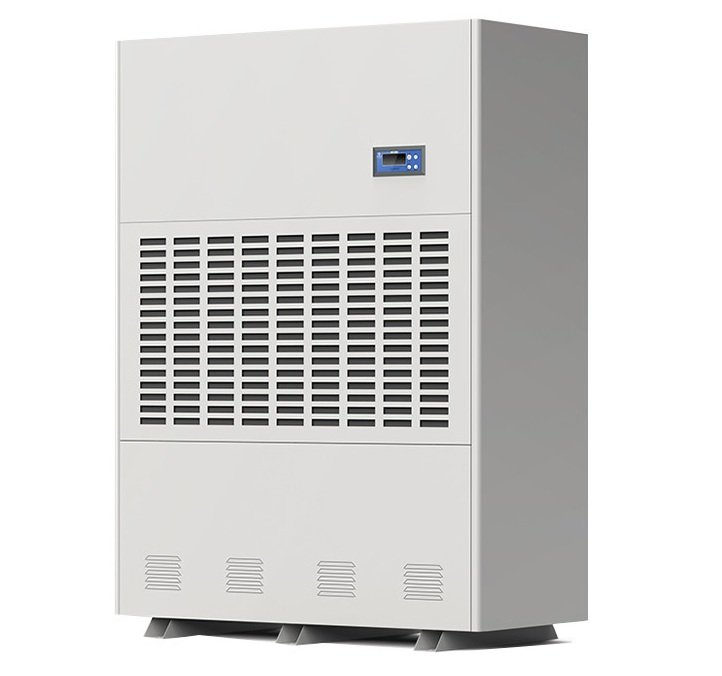
A alta umidade relativa ajuda a reduzir a perda excessiva de peso durante o resfriamento.
Recomendamos umidade bastante alta: 90 ~ 95% RH, durante as operações de resfriamento para ajudar a limitar a perda por desidratação.
3. Fluxo de ar e distribuição de ar
O fluxo de ar deve resfriar o produto uniformemente, mas não deve secar a superfície de forma muito agressiva.
A baixa umidade e o mau controle do ar podem remover a umidade do produto e reduzir o peso e a qualidade.
4. Espessura do painel de isolamento
A espessura do painel deve corresponder à temperatura ambiente, clima ambiente local, e condições de instalação.
Uma sala mais fria e um clima mais quente geralmente precisam de um isolamento mais forte e uma vedação de vapor mais apertada.
5. Piso e drenagem
Câmaras frigoríficas de carne precisam de piso higiênico, inclinação de drenagem adequada, e fácil acesso para limpeza.
Em salas de baixa temperatura, o projeto do piso também precisa de isolamento suficiente para reduzir a condensação e problemas estruturais de longo prazo.
6. Tipo de porta e frequência de tráfego
A abertura frequente da porta aumenta o ganho de calor, entrada de umidade, formação de geada, e uso de energia.
O tamanho certo da porta, cortina de tira, cortina de ar, ou plano de controle de tráfego pode ajudar a manter as condições do ambiente estáveis.
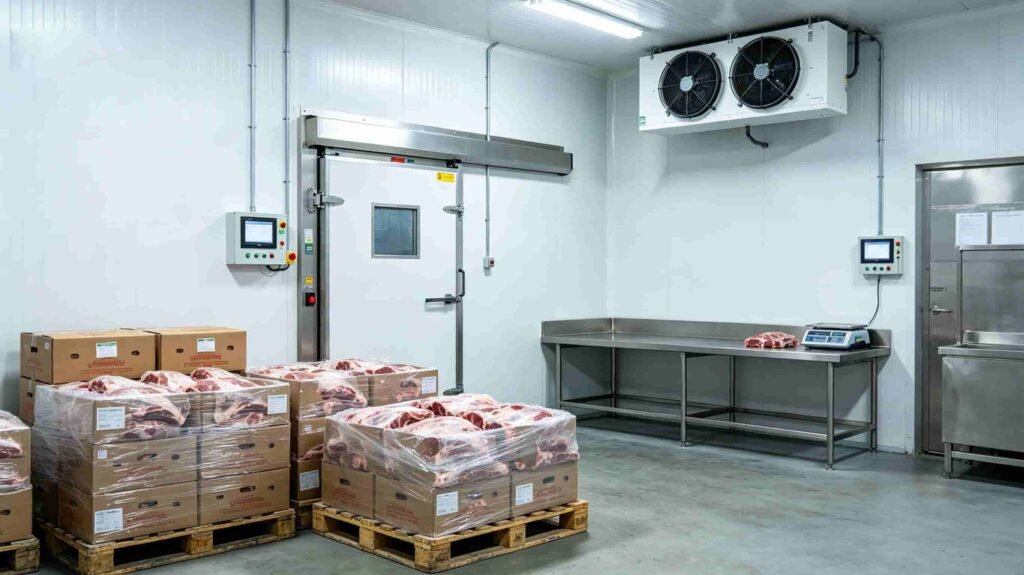
Como escolher o equipamento certo para câmara frigorífica de carne?
A seleção do equipamento deve começar com o produto e o processo, não apenas o tamanho do quarto.
Um design correto precisa do tipo de produto, temperatura de entrada, carregamento diário, temperatura alvo, ciclo de armazenamento, e temperatura ambiente local.
Sala de resfriamento ou sala de freezer?
Escolha uma sala de resfriamento para carne fresca ou resfriada com curto tempo de espera. Escolha uma sala de freezer para armazenamento congelado a longo prazo.
Você precisa de um freezer rápido?
Escolha um freezer rápido quando precisar de um pull-down rápido, melhor qualidade de congelamento, e menor risco de grandes danos aos cristais de gelo.
O armazenamento padrão em freezer não substitui o congelamento rápido em projetos que exigem desempenho de congelamento rápido.
Como você deve selecionar a unidade de refrigeração?
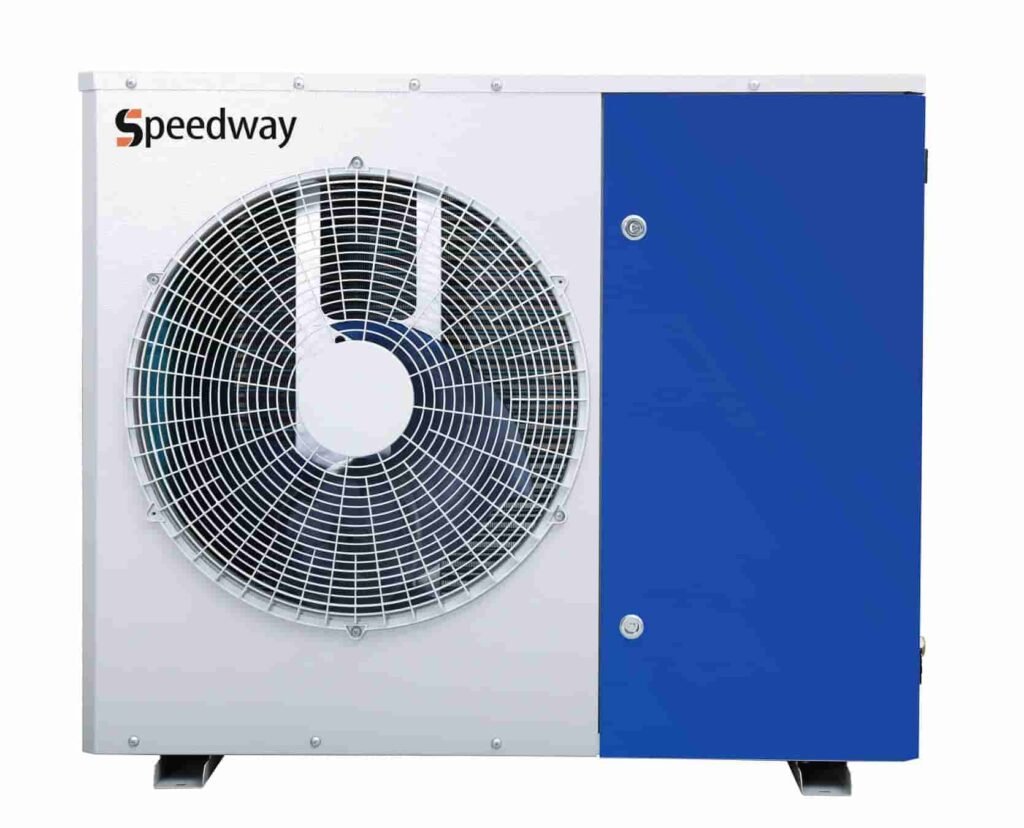
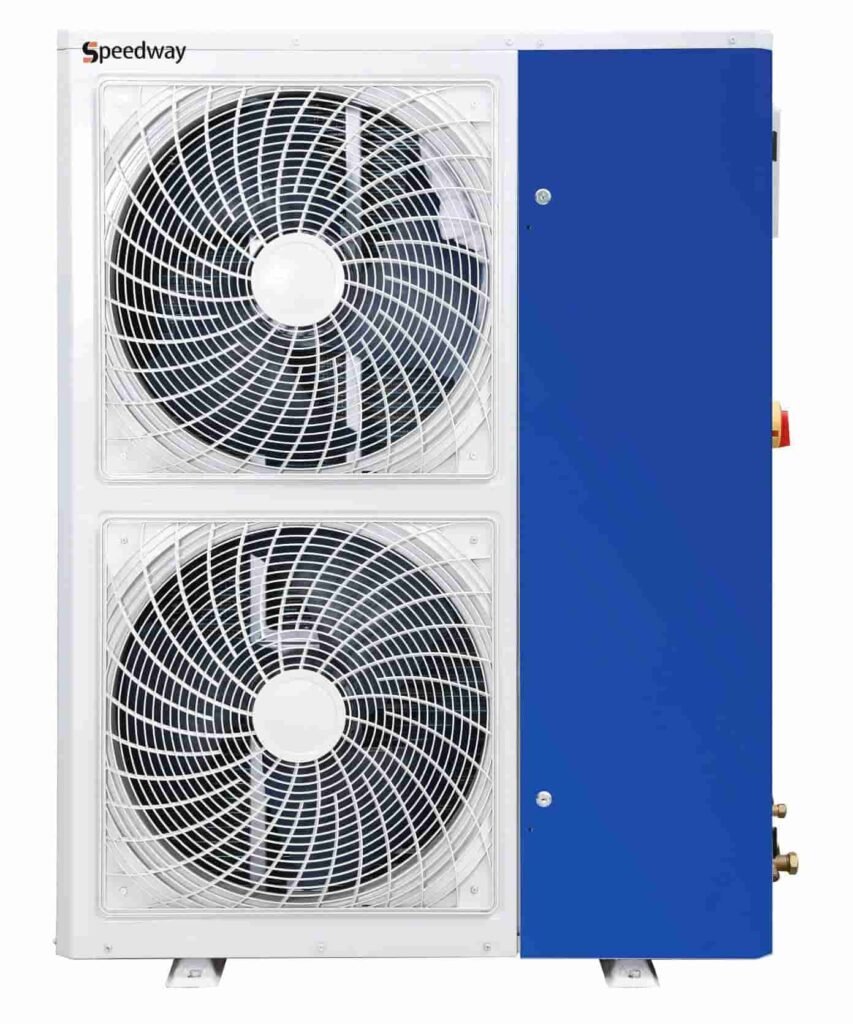
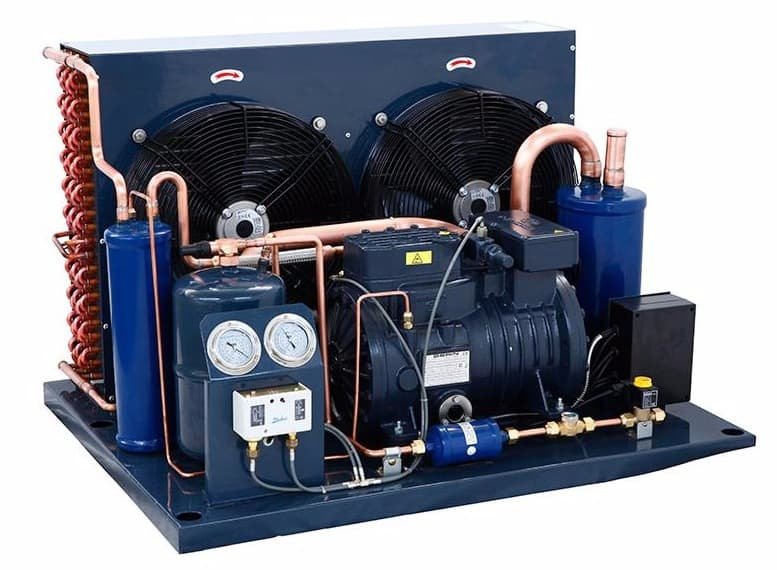
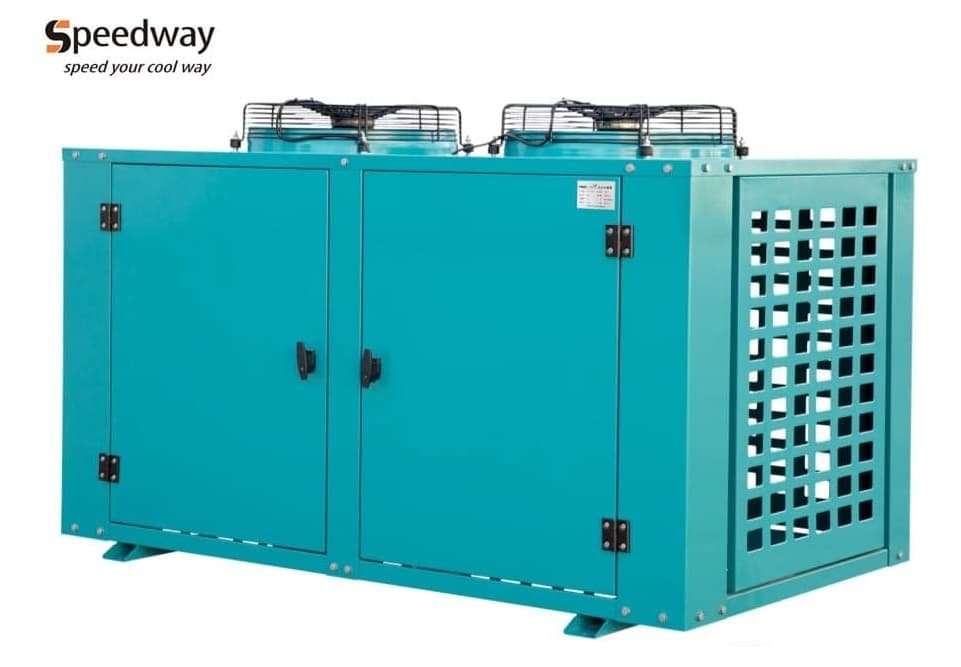
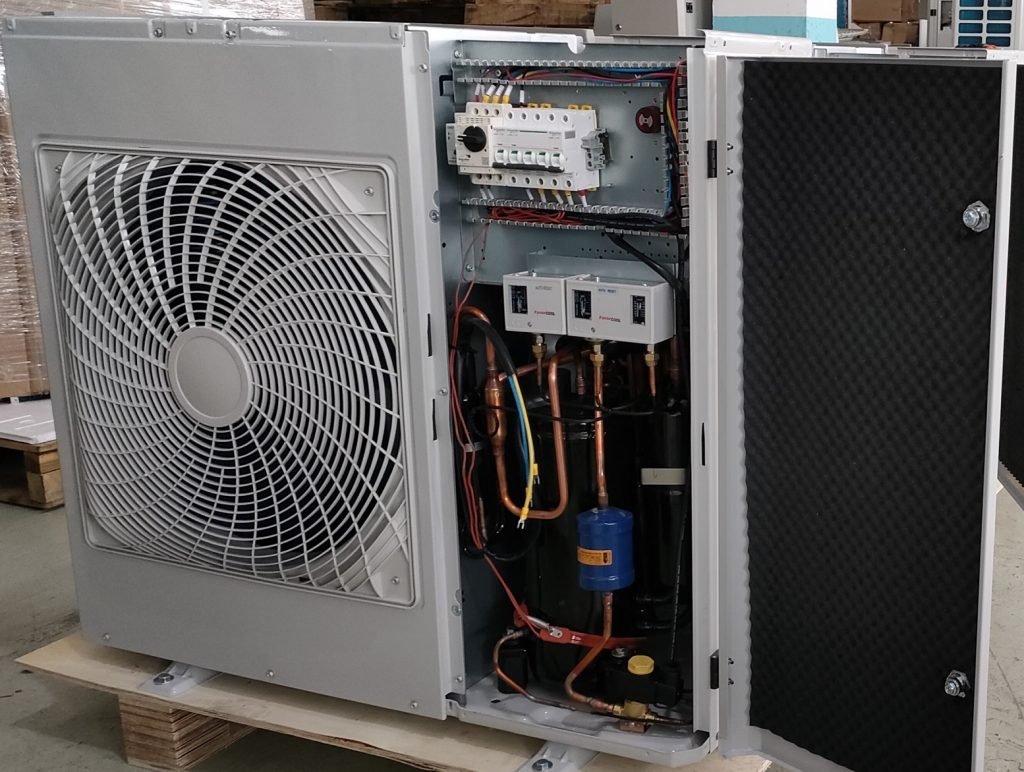
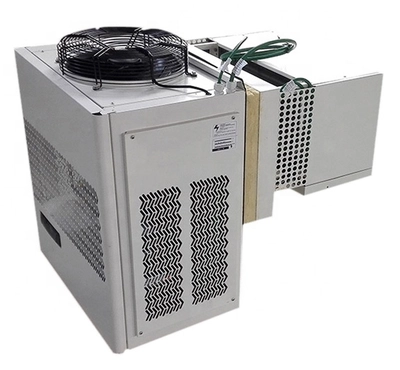
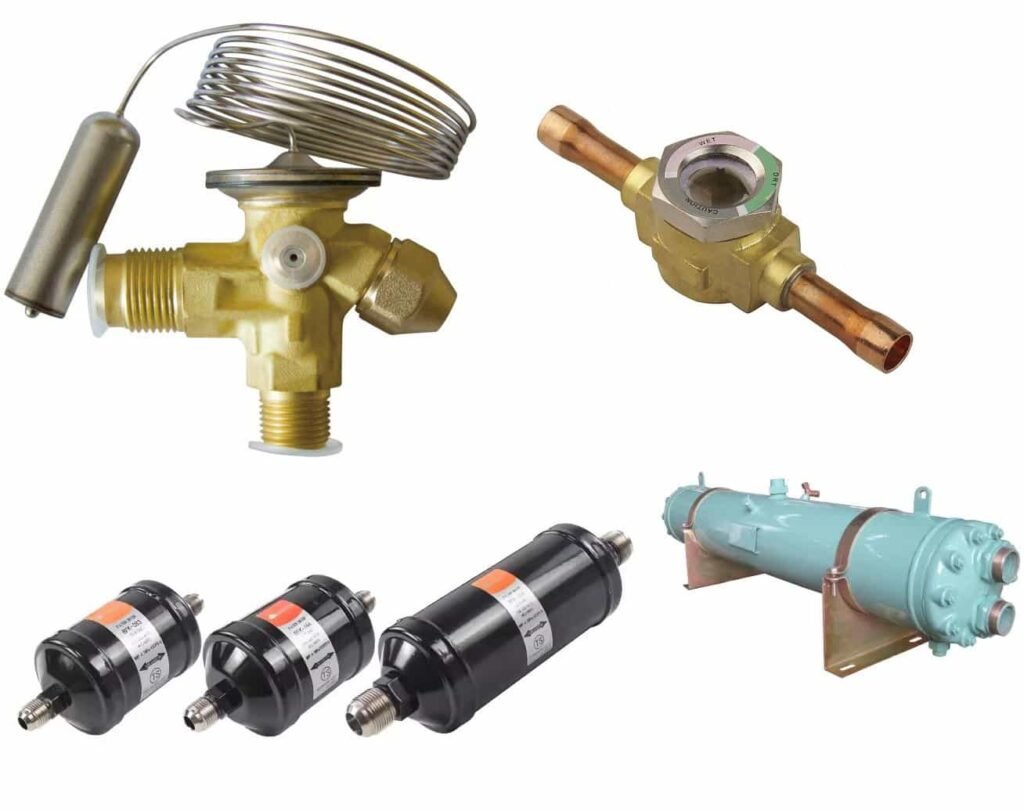
Unidade de condensação deve corresponder à carga da sala, carga do produto, requisito suspenso, e condições ambientais.
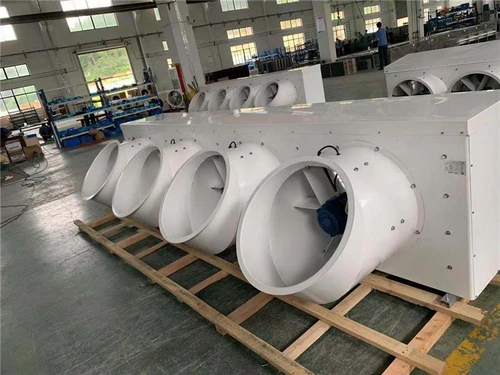
Refrigerador da unidade deve corresponder à altura da sala, meta de umidade, condição de geada, e exigência de fluxo de ar.
E quanto aos controles e alarmes?
A câmara frigorífica de carne deve incluir controle estável de temperatura e monitoramento prático.
Sistemas de alarme, registro de dados, e o monitoramento remoto tornam-se mais importantes quando a sala armazena carne de alto valor ou funciona com poucos funcionários.
Problemas comuns e como evitá-los?
Muitos problemas de armazenamento de carne decorrem: Mau controle de temperatura, fluxo de ar deficiente, baixa umidade, ou correspondência de equipamento errado.
Uma sala pode atingir a temperatura definida e ainda assim não proteger o produto adequadamente.
Problema 1: Carne perde muito peso
As causas prováveis incluem baixa umidade, alta velocidade do ar, longo tempo de armazenamento, e abertura frequente de portas.
Melhor controle de umidade e melhor design de fluxo de ar podem ajudar a reduzir a perda por desidratação.
Problema 2: A superfície da carne seca
Este problema geralmente aparece quando o fluxo de ar é muito forte ou a umidade ambiente é muito baixa.
Os operadores devem verificar a distribuição de ar, empilhamento de produtos, e seleção do evaporador.
Problema 3: O produto esfria muito lentamente após o carregamento
Isso geralmente significa que a sala enfrenta uma alta carga de calor do produto, não apenas um problema de ar ambiente.
O projeto deve verificar a quantidade de carregamento diário, temperatura do produto de entrada, tempo de descida, e capacidade de refrigeração.
Problema 4: O gelo se acumula muito rápido no evaporador
A abertura frequente da porta e a entrada de muita umidade geralmente aumentam a carga de gelo.
Melhor controle de tráfego, portas mais apertadas, e o planejamento correto do degelo pode melhorar o desempenho.
Problema 5: A temperatura ambiente não é uniforme
Layout de fluxo de ar ruim, má prática de empilhamento, ou a disposição errada do evaporador pode criar pontos quentes e resfriamento irregular do produto.
O projeto deve considerar a geometria da sala, layout do produto, e caminho aéreo juntos.
Detalhes do projeto necessários para cotação
O fornecedor não consegue selecionar o sistema certo apenas com base no tamanho da sala.
Os dados do produto e da operação decidem a carga real de refrigeração e a configuração do equipamento.
Antes de pedir um orçamento, prepare esses detalhes:
| Item | O que fornecer |
|---|---|
| Tipo de produto | Carne bovina, carne de porco, aves, frutos do mar, carne processada, ou outros produtos |
| Aplicativo | Fresco, refrigerado, congelado, ou congelamento rápido |
| Quantidade de carregamento diário | Quanto produto entra na sala por dia |
| Temperatura do produto de entrada | Temperatura do produto antes de entrar na sala |
| Temperatura ambiente alvo | Temperatura do ar ambiente necessária |
| Temperatura alvo do produto | Temperatura necessária do produto final/núcleo |
| Tempo de armazenamento | Quanto tempo o produto permanecerá armazenado |
| tamanho do quarto / capacidade | Dimensões da sala ou capacidade de armazenamento necessária |
| Temperatura ambiente | Temperatura externa local ou clima do projeto |
| Local de instalação | Instalação interna ou externa |
| Fonte de energia | Tensão, fase, e frequência |
| Frequência de abertura da porta | Com que frequência a porta abre durante a operação |
| Requisito de congelamento rápido | Se o congelamento rápido é necessário |
Conclusão
A melhor solução para câmara frigorífica de carne depende do tipo de produto, temperatura de carregamento, ciclo de armazenamento, e condições de operação.
Uma sala para carne resfriada pode não ser adequada para armazenamento congelado ou congelamento rápido, então a seleção do sistema deve começar com o requisito real do processo.
Antes de escolher o equipamento, definir o tipo de produto, carregamento diário, temperatura alvo, e uso do quarto claramente.
Esses fatores decidem o design da sala, capacidade de refrigeração, e desempenho operacional de longo prazo.