การใช้ห้องเย็นเพื่อเก็บผักและผลไม้เป็นวิธีการเก็บรักษาความสดทางวิทยาศาสตร์, ซึ่งสามารถรักษาสารอาหารและความชื้นได้ดีกว่า.
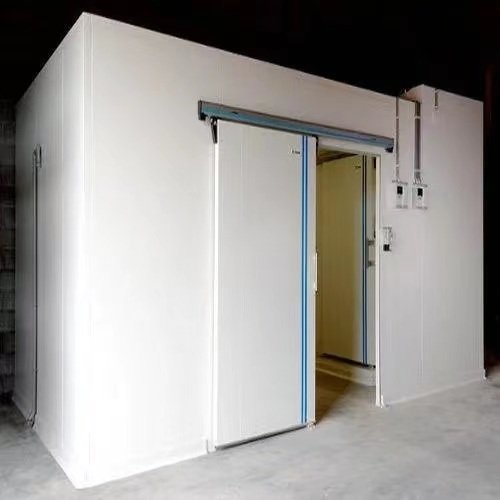
อันดับแรก, เราพูดถึง ห้องเย็นเก็บผลไม้, มันมี 3 ประเภท: ห้องเย็นสด, ควบคุมบรรยากาศ (แคลิฟอร์เนีย) ห้องเย็น, และห้องเย็นแช่เย็น.
ผลไม้สดอุณหภูมิและเวลาการเก็บรักษา
อุณหภูมิสด
For room chiller temperature, fresh cold storage and CA cold storage are roughly the same, is -2~+5°C. ผลไม้เมืองร้อนบางชนิด (เช่นกล้วย, มะม่วง, เป็นต้น) are kept the temperature above +10°C.
อุณหภูมิของห้องเย็นแช่แข็งจะต่ำที่สุด, ซึ่งอยู่ที่ประมาณ -18°C.
เวลาจัดเก็บ
สำหรับระยะเวลาในการจัดเก็บ: ระเบิดตู้แช่แข็งห้องเย็น > ห้องเย็นแคลิฟอร์เนีย > ห้องเย็นสด
แต่สำหรับคุณภาพของผลไม้:
ห้องเย็น CA มีผลการรักษาความสดที่ดีที่สุด, ไม่ทำลายโครงสร้างเซลล์ผลไม้, และมีการสูญเสียน้อยที่สุด; การเก็บความเย็นสดทำได้แย่กว่า; แม้ว่าห้องเย็นแช่แข็งระเบิดจะมีเวลาเก็บนาน, will destroy fruits’ cell structure due to the low temperature freezing during the storage, ไม่สามารถรักษาผลไม้ได้’ รสชาติดั้งเดิม.
| ประเภทห้องเย็น | อุณหภูมิ(องศาเซลเซียส) | ความชื้นสัมพัทธ์(%) | องค์ประกอบของแก๊ส(%) | เวลาจัดเก็บ (เดือน) |
|---|---|---|---|---|
| ห้องเย็นเก็บสด | 0~2 | 85~90 | - | 3~6 |
| ห้องเย็นควบคุมบรรยากาศ | -0.5~1 | 90~95 | ออกซิเจนคือ 3~5 คาร์บอนไดออกไซด์ที่เหมาะสม | 8~12 |
แอปเปิ้ล’ เวลาจัดเก็บ
สังเกต: Fresh fruits (like apple) no use blast freezer cold storage.
ความสนใจ: เนื่องจากพื้นที่การผลิตที่แตกต่างกันและความแตกต่างของแต่ละบุคคล, ผลไม้ต่างชนิดกันมีอุณหภูมิและเวลาสดต่างกัน, see below:
การเก็บรักษาความเย็นสด
| ชื่อ | อุณหภูมิ(องศาเซลเซียส) | ความชื้นสัมพัทธ์(%) | เวลาจัดเก็บ |
|---|---|---|---|
| มะพร้าว | 4.5 | 75 | 12 เดือน |
| มะม่วง | 12.5 | 80~85 | 1 เดือน |
| สัปปะรด | 8~10 | 85~90 | 14~ 28 วัน |
| ลิ้นจี่ | 0~3 | 85~90 | 3 เดือน |
| โลควอท | 0 | 90 | 1 เดือน |
| มะละกอ | 10~15 | 60~65 | 30~ 45 วัน |
| กล้วย | 13~14 | 85 | 50 วัน |
ผลไม้เมืองร้อน’ เวลาจัดเก็บ
| ชื่อ | อุณหภูมิ(องศาเซลเซียส) | ความชื้นสัมพัทธ์(%) | เวลาจัดเก็บ |
|---|---|---|---|
| องุ่น | -1~3 | 85~90 | 1 เดือน |
| ผลไม้เนกเตอริน | 0 | 85~90 | 5 เดือน |
| พิทยา | 3~4 | 80~90 | 45 วัน |
| เชอร์รี่ | 0.5~1 | 80 | 7~21 วัน |
| วันที่สีแดง(สด) | -2~1 | 90~95 | 3 เดือน |
| ส้มเขียวหวาน | 1~2 | 75~80 | 1~ 3 เดือน |
| พลัม | 0~1 | 90 | 2 เดือน |
| มะนาว | 5~10 | 85~90 | 2 เดือน |
| กล้วย | 7~11 | 85 | 14 วัน |
ผลไม้เมืองร้อน’ เวลาจัดเก็บ
| ชื่อ | อุณหภูมิ(องศาเซลเซียส) | ความชื้นสัมพัทธ์(%) | เวลาจัดเก็บ |
|---|---|---|---|
| แตงโม | 4~6 | 85~90 | 3 เดือน |
| ลูกพลับ | -1~0 | 85~90 | 3 เดือน |
| สตรอว์เบอร์รี | -1 | 85~90 | 1 เดือน |
| แคนตาลูป | 3~4 | 80 | 5~ 6 เดือน |
| ส้ม | 1~2 | 75~80 | 1~ 3 เดือน |
| แอปริคอท | 0~1 | 90~95 | 7~ 12 วัน |
| เบย์เบอร์รี่ | 0 | 75~85 | 7~ 10 วัน |
| ลูกพีช | -1~0 | 90~95 | 1 เดือน |
| แอปเปิล | -1~1 | 80~85 | 3 เดือน |
| แตงโม | 10~12 | 80~85 | 1~ 2 เดือน |
| กีวี่ | 0~1 | 90~95 | 6~ 7 เดือน |
ผลไม้เมืองหนาวและผลไม้เย็น’ เวลาจัดเก็บ
CA ห้องเย็น
| ชื่อผลไม้ | อุณหภูมิ(องศาเซลเซียส) | ความชื้นสัมพัทธ์ % | เนื้อหา O2 % | เนื้อหา CO2 % | เวลาจัดเก็บ (เดือน) |
|---|---|---|---|---|---|
| แอปเปิล | 0~1 | 85~95 | 2~5 | 2~5 | 10 |
| ลูกแพร์ | 0 | 90~95 | 5 | >2 | 8 |
| ทับทิม | 0~2 | 85~95 | 2~4 | 12 | 6 |
| ลูกพีช | 0 | 85~90 | 3 | 5 | 3~6 |
| กีวี่ | 0~1 | 90~95 | 5 | 2 | 6 |
| สตรอว์เบอร์รี | 0~1 | 85~95 | 3 | 6 | 1~2 |
| แตงโม | 2~4 | 75~85 | 3~5 | 3~5 | 2 |
| แคนตาลูป | 3~4 | 80 | 3~5 | 1~1.5 | 6 |
| พลัม | 0 | 80~95 | 3~5 | 2~5 | 1~2 |
| ลูกพลับ | -1 | 90 | 3~5 | 8 | 3~5 |
บลาสท์ฟรีซเซอร์ห้องเย็น
| ชื่อผลไม้ | อุณหภูมิ(องศาเซลเซียส) | เวลาจัดเก็บ ( เดือน) |
|---|---|---|
| ทุเรียน | -18~-22 | 6~8 |
| ลูกพีช | -18 | 12 |
| บลูเบอร์รี่ | -18 | 12 |
| เชอร์รี่ | -18 | 12 |
Fruit Storage Tips
1). แช่เย็นผลไม้ก่อนนำเข้าห้องเย็น
การแช่เย็นล่วงหน้าสามารถยับยั้งการหายใจและการคายน้ำของผลไม้หลังการเก็บ, และในขณะเดียวกันก็ช่วยให้ผลไม้ปรับตัวเข้ากับสภาพแวดล้อมที่มีอุณหภูมิต่ำของห้องเย็นได้ดีขึ้น.
สังเกต: Vegetable also need pre-cool.
2). รักษาอุณหภูมิห้องเย็นให้คงที่
Temperature difference should be stable: ±1°ซ. หากอุณหภูมิสูงเกินไป, ความเข้มข้นของการหายใจของผลไม้จะเพิ่มขึ้น, ส่งผลให้หลังสุก. อุณหภูมิที่ต่ำเกินไปอาจทำให้ผลไม้ถูกความเย็นกัดได้.
3). รักษาความชื้นให้คงที่
Keep the fresh cold storage humidity stable: 75~ 90%.
ความชื้นที่มากเกินไปอาจทำให้ผลไม้กลั่นตัวเป็นหยดน้ำและเสื่อมสภาพได้ง่าย. Too low humidity will cause fruits to lose water and dry up, สูญเสียคุณค่าที่กินได้.
4). อย่าผสมผลไม้ต่างๆ
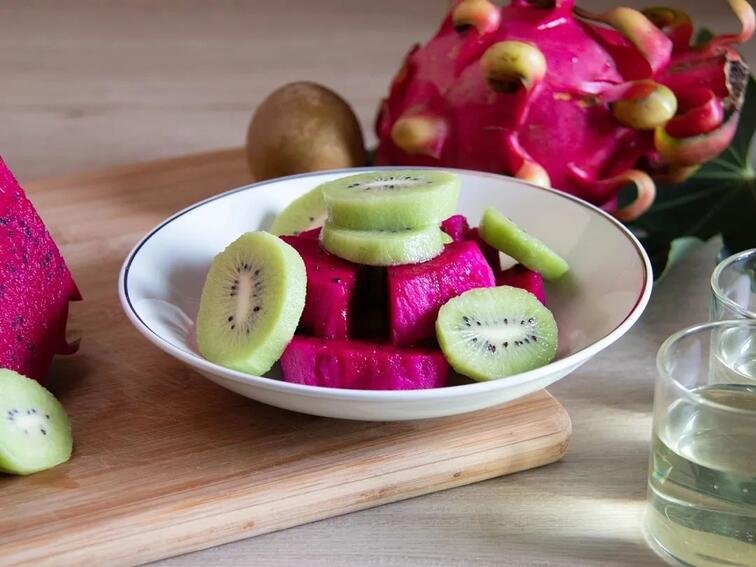
ผลไม้เมืองร้อนไม่สามารถผสมกับผลไม้เขตอบอุ่นและเขตหนาวได้.
Excessive temperature differences will cause fruits freezing damage in temperate and frigid zones.
ในขณะเดียวกัน, อุณหภูมิสูงจะเร่งการเจริญเติบโตและการแพร่พันธุ์ของเชื้อราและแบคทีเรียอื่นๆ, ส่งผลให้ผลไม้ติดเชื้อแบคทีเรียเน่าและเสื่อมสภาพ.
ความชื้นเป็นสิ่งสำคัญมากสำหรับการเก็บรักษาผลไม้. เมื่อนำผลไม้มาผสมในห้องเย็น, ความชื้นในห้องไม่สามารถตอบสนองความต้องการด้านความชื้นต่างๆ ได้.
ผลไม้บางชนิดเช่นกล้วย, ลูกพลับ, แอปเปิล, กีวี่, และผลไม้ภูมิอากาศอื่นๆ ปล่อยเอทิลีนเมื่อสุก. เอทิลีนเป็นฮอร์โมนพืชที่ส่งเสริมการสุกของผลไม้. When fruits mixed, will lead to accelerated ripening of other fruit.
อุณหภูมิห้องเย็นเก็บผัก
The temperature of vegetable cold storage is roughly 0~+15°C, อุณหภูมิที่สามารถยับยั้งการทำงานของจุลินทรีย์ได้, ลดอัตราการเน่าเสียของผัก, และยืดอายุการเก็บรักษาผัก.
มีการระบุอุณหภูมิห้องเย็นโดยประมาณของผักหลัก:
| ผักราก | อุณหภูมิห้อง(องศาเซลเซียส) | ผักใบ | อุณหภูมิห้อง(องศาเซลเซียส) | ผักเมล่อน | อุณหภูมิห้อง(องศาเซลเซียส) |
|---|---|---|---|---|---|
| กระเทียม | 0~5 | กุยช่ายจีน | 0~3 | แตงกวา | 10~15 |
| แครอท | 0~5 | ผักคะน้า | 0~3 | ฟักเขียว | 10~15 |
| ผักชีฝรั่ง | 0~5 | ผักโขม | 0~3 | ฟักทอง | 10~15 |
| ขิง | 0~15 | ผักกาดขาว | 0~3 | มะระขี้นก | 10~15 |
| เผือก | 0~15 | ผักกาดหอม | 0~3 | สควอช | 10~15 |
| มันเทศ | 0~15 | วัชพืช | 0~3 | สควอช | 5~10 |
อุณหภูมิห้องเย็นเก็บผัก
Adjust Tomato Storage Temperature by Ripeness Stage
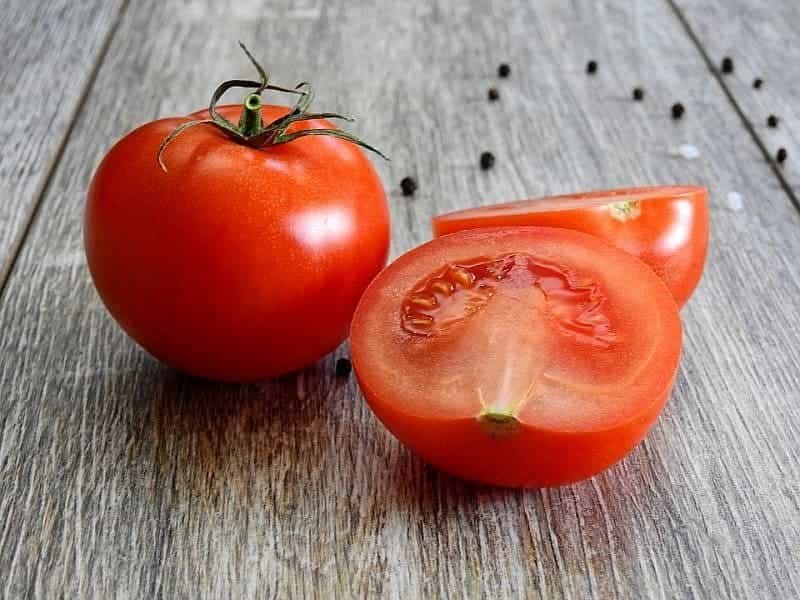
Why we talk tomato storage separately? Because tomatoes are relatively sensitive to low temperatures, they shouldn’t place directly in overly cold storage conditions, especially before they are fully ripe.
The recommended tomatoes’ storage temperature isn’t a single fixed point; it should adjust according to their ripeness stage. โดยทั่วไป, the most suitable storage range for tomatoes is 12–14°C, with relative humidity around 85%, and prolonged exposure to temperatures below 8°C is forbidden under any circumstances.
Mature green tomatoes: Store them mainly for ripening, and keep them in a milder environment so they can retain their ability to ripen normally instead of exposing them to low-temperature refrigeration.
Turning tomatoes: Store them in conditions that allow them to continue ripening while still providing short-term preservation, and avoid excessively low temperatures that cause uneven color development and poor flavor.
Red-ripe tomatoes: Store them to slow down over-ripening, using short-term refrigeration only, and bring them back to room temperature before use to reduce the negative effects of low temperatures on texture and aroma.
Problems caused by low-temperature storage in tomatoes
When tomatoes store at excessively low temperatures, the most common issue isn’t freezing damage, but chilling injury.
Chilling injury includes:
-
Failure to ripen normally, with green fruit remaining difficult to turn red even after extended storage.
-
Loss of aroma, causing the characteristic tomato flavor to become weak or bland.
-
Softened flesh and poorer texture, with undesirable internal tissue condition after cutting.
-
Physiological disorders on the skin or surface, such as pitting, sunken areas, or abnormal spotting.
-
Quality problems becoming more obvious after removal from storage. ในหลายกรณี, the fruit may appear “spoiled,” but the damage is actually the result of accumulated chilling injury during earlier low-temperature storage.
Additional notes:
-
Unripe tomatoes shouldn’t be refrigerated directly, because this can interfere with the normal ripening process.
-
Tomatoes are highly sensitive to ethylene, so they should store separately from strong ethylene-producing fruits and vegetables, such as apples, pears, ลูกพีช, and nectarines.
-
Ripe tomatoes may be refrigerated for a short period, but they are better suited to short turnover and aren’t suitable for long-term storage.
-
For commercial storage, ripeness grading is very important, because mature green, เบรกเกอร์, and red-ripe tomatoes have different storage objectives and therefore require different temperature strategies.
List of Fruits and Vegetables Unfit to Store in Standard Cold Rooms
Below is the list of fruits and vegerables which can’t store long-term in 0–4°C standard cold rooms:
| Produce | เหตุผล | หมายเหตุ |
|---|---|---|
| Potato | Low temperatures accelerate the conversion of starch to sugars, leading to an overly sweet taste, excessive browning during frying/baking. | Store at about 7–10°C in a cool, แห้ง, dark place; avoid high humidity and very low temperatures in cold rooms. |
| มันเทศ | At 0–4°C they easily develop chilling injury: sunken skin, internal darkening, hard or fibrous texture, เป็นต้น | Prefer 13–16°C with relatively high humidity and good ventilation; use curing plus warm storage rather than standard cold rooms. |
| Dry onion | High humidity in cold rooms promotes mold, softening, and sprouting; the dry outer skins lose their protective effect and shorten storage life. | Store at 7–13°C in a low‑humidity, well‑ventilated environment, using mesh bags or ventilated containers. |
| กระเทียม, shallot | Low temperature and high humidity cause sprouting, decay, and mold, and also affect flavor and appearance. | Store at cool, dry room temperature with good air movement; keep separate from potatoes to avoid mutual moisture problems. |
| กล้วย | Suffer chilling injury even with short exposure below about 13°C: the peel turns gray or black, the flesh becomes firm and off‑flavor, and normal ripening is disrupted. | Store green bananas around 13–14°C; avoid 0–4°C cold rooms during storage and ripening. |
| มะม่วง | At 0–4°C they show peel browning, water‑soaked patches, and serious flavor loss. | Store at about 10–13°C with appropriate ripening management instead of near 0°C cold storage. |
| Papaya | Low‑temperature storage causes chilling injury of peel and flesh, dull color, poor texture, and weak aroma. | Prefer storage around 10–13°C in a high temp cold room. |
| แตงกวา | Develop water‑soaked spots, pitting, and softening near 0°C, with obvious quality and appearance loss. | Best kept at 7–10°C and high relative humidity; avoid long‑term storage with 0–2°C commodities. |
| Eggplant | At 0–4°C they are prone to chilling injury, including skin browning, spotting, softening, and internal discoloration. | Store around 8–10°C, especially for long‑distance transport or longer storage time. |
| Sweet pepper | Very low temperatures cause surface pitting, internal darkening, water loss, and reduce crispness and gloss. | Store at 7–10°C with relatively high humidity to slow dehydration. |
| Citrus | Long time storage near 0°C can lead to chilling injury, peel browning, flavor loss. | Store in zones at 4–8°C, depending on the variety. |
| ฟักเขียว | Performs better in cool, แห้ง, well‑ventilated ambient conditions; low‑temperature, high‑humidity cold rooms tend to cause rot and mold. | Store at cool room temperature with good ventilation. |
How to Divide One Cold Room into Multiple Temperature Zones?
Divide one cold room into 3 main temperature zones, with each zone further subdivided by ethylene/humidity needs. This is the most common practical zoning approach for commercial cold storage, covering over 90% of fruits and vegetables storage requirements.
1. Low-temperature zone (0–2°C, high humidity 90–98%)
Suitable products: Leafy greens, brassica vegetables (such as broccoli, cauliflower, cabbage), root vegetables (such as carrots, European radishes), temperate berries, and some strawberries—products that tolerate low temperatures well.
ที่ตั้ง: Near the back wall or coldest end of the cold room, close to the evaporator air outlet. This leverages the natural settling of cold air, providing the lowest temperature and highest humidity, ideal for products that “fear heat but not cold.”
Operation tips:
1. Prioritize ethylene‑sensitive vegetables (such as lettuce, broccoli) and keep them away from any fruit zones.
2. Use tall racks or independent pallet racks for isolation to prevent temperature crossover with the mid‑temperature zone.
3. ควบคุมความชื้น: Use misting humidification or high‑humidity packaging to ensure it stays above 90% อาร์เอช.
2. Mid-temperature zone (5–10°C, medium‑high humidity 85–95%)
Suitable products: Certain fruit vegetables (such as cucumbers, eggplants, peppers, bell peppers, immature tomatoes), some citrus fruits, transitional tropical/subtropical fruits (such as mangoes after precooling), and some root vegetables.
ที่ตั้ง: Middle of the cold room, slightly closer to the door, where temperature is relatively stable with minimal fluctuations. This avoids the “overcooling” of the low‑temperature zone and the “rewarming” effects of the high‑temperature zone, making it suitable for chilling‑sensitive products that still need preservation.

Operation tips:
1. This zone often serves as a “transitional area” for short‑term storage (7–14 วัน) of chilling‑sensitive fruits and vegetables.
2. การจัดการเอทิลีน: Avoid sharing space with high ethylene producers like apples or bananas; if mixing is unavoidable, use plastic partition curtains or separate racks.
3. Rack design: Leave space under the bottom shelves to ensure air circulation and prevent cold air pooling at the base.
3. High‑temperature sensitive zone (10–15°C, medium humidity 80–90%)
Suitable products: Tropical fruits (such as bananas, mangoes, papayas, pineapples), ripe tomatoes, potatoes, มันฝรั่งหวาน, dry onions and garlic, winter melons, and hard‑shell squashes—highly chilling‑sensitive or dry‑type products.
ที่ตั้ง: Near the entrance door or warmest end of the cold room, utilizing door opening rewarming and equipment heat radiation.
This area naturally has higher temperatures, suitable for fine‑tuning with small electric heating wires or PTC heaters to reach the target temperature.
Operation tips:
1. Provide independent ventilation to prevent cold air infiltration from the low‑temperature zone.
2. Lower humidity control: Use dehumidifiers or dry packaging to prevent mold; place dry onions and potatoes on ventilated mesh racks.
3. Often used as a “ripening + short‑term preservation” zone, where bananas and mangoes can complete ethylene ripening and go directly to sale.
What Cold Room Solution Do You Need for 3/7/30 Days or 6 เดือน?
Quick decision guide:
3 วัน: Choose a standard cold room; prioritize quick cooling and easy product turnover.
7 วัน: Choose a standard cold room with better humidity and airflow control.
30 วัน: Choose a well-designed standard cold room, or split products by temperature zone if you store mixed produce.
6 เดือน: Choose CA cold storage for suitable high-value products; standard cold rooms often can’t maintain the same quality for long-term storage.
บทสรุป
ห้องเย็นเป็นทางออกที่ดีที่สุดในการรักษาความสดของผักและผลไม้, สะดวกและประหยัด, but you should understand different fruits and vegetables should store in different types cold storages with different chiller room temperature.