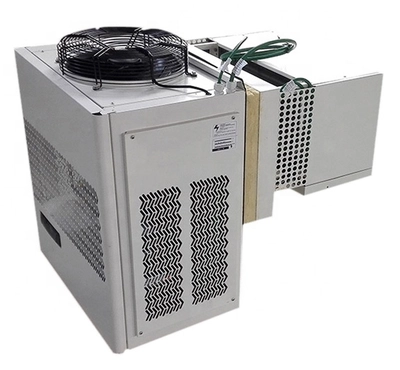
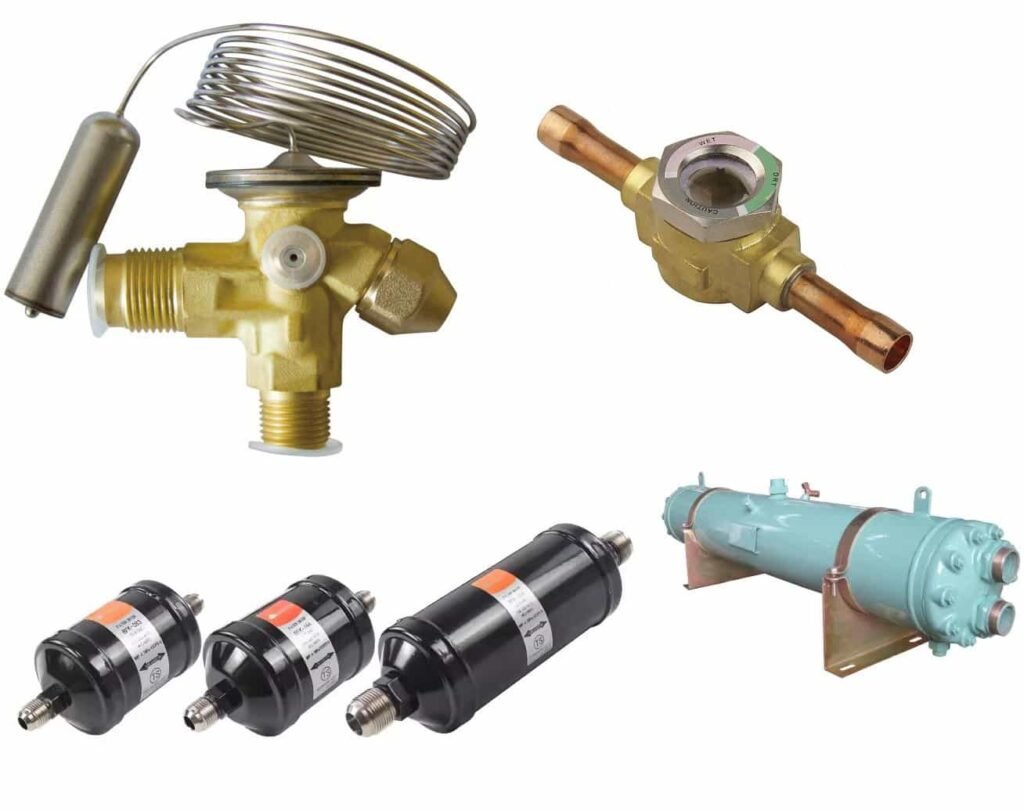
غرفة تبريد اللحوم تساعد معالجات اللحوم, الموزعين, محلات السوبر ماركت, وشركات الأغذية تحافظ على سلامة اللحوم, طازج, ومستقرة أثناء التخزين والتوزيع.
درجة الحرارة المناسبة, رطوبة, تدفق الهواء, وإعداد المعدات يمكن أن يقلل من التلف, الحد من فقدان الوزن, ودعم جودة المنتج بشكل أفضل.
يشرح هذا الدليل كيفية اختيار غرفة تبريد اللحوم المناسبة للحوم المبردة, اللحوم المجمدة, وتطبيقات تجميد الانفجار.
كما أنه يغطي درجة حرارة التخزين, وقت التخزين, تصميم الغرفة, المشاكل الشائعة, والمعلومات الأساسية اللازمة قبل اختيار النظام.
درجات حرارة تخزين اللحوم
تعتمد درجة الحرارة الصحيحة على نوع المنتج, هدف التخزين, طريقة التعبئة والتغليف, ودورة دوران.
درجة حرارة الغرفة ودرجة حرارة المنتج الأساسية ليست هي نفسها دائمًا, لذلك يجب أن يتبع التصميم متطلبات العملية الفعلية.
| نوع المنتج | غرض التخزين | درجة حرارة الغرفة | هدف المنتج | ملحوظات |
|---|---|---|---|---|
| اللحوم الطازجة / لحم الذبيحة | تقشعر لها الأبدان على المدى القصير | 0 ~ 4 درجات مئوية | حالة قريبة من المبردة | مناسبة للعقد القصير والتوزيع السريع. |
| لحم الخنزير المبرد, لحم, قطع لحم الضأن | قصير المدى | 0 ~ 4 درجات مئوية, اعتمادا على العملية | حالة مبردة مستقرة | جيد للبيع بالتجزئة واستخدام سلسلة التبريد القصيرة. |
| اللحوم المجمدة | على المدى الطويل | حوالي -18 درجة مئوية | وقت قصير مجمد | الهدف المشترك للأسهم المجمدة. |
| عملية تجميد الانفجار | تجميد سريع قبل التخزين المجمد | -35درجة مئوية ~ -40 درجة مئوية | يتحرك المنتج نحو -18 درجة مئوية إلى -20 درجة مئوية | يساعد على تقليل تلف بلورات الثلج ويدعم السحب لأسفل بشكل أسرع. |
| التخزين المجمد بعد التجميد الانفجاري | على المدى الطويل | -18درجة مئوية ~ -25 درجة مئوية | الحفاظ على حالة التجميد | يستخدم بعد وصول المنتج إلى حالة التجميد المطلوبة. |
اللحوم المبردة مقابل اللحوم المجمدة
اللحوم المبردة يناسب التخزين على المدى القصير والدوران السريع.
غالبًا ما تختار الشركات التخزين المبرد عندما ترغب في الحفاظ على مظهر جديد وتوريد منتجات التجزئة أو التوزيع المحلي بسرعة.
اللحوم المجمدة يناسب التخزين على المدى الطويل, يصدّر, والنسخ الاحتياطي للمخزون.
تستخدم الشركات التخزين المجمد عندما تحتاج إلى مدة صلاحية أطول ومرونة أكبر في النقل وتخطيط المخزون.
النظامان لا يخدمان نفس الغرض:
غرفة مبردة تدعم فترة قصيرة من الانتظار, بينما تدعم غرفة التجميد التخزين الطويل, ويدعم الفريزر الانفجار التجميد السريع قبل التخزين المجمد على المدى الطويل.
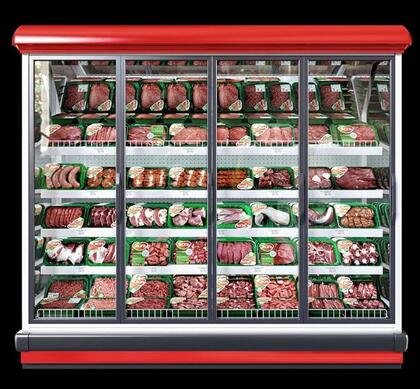
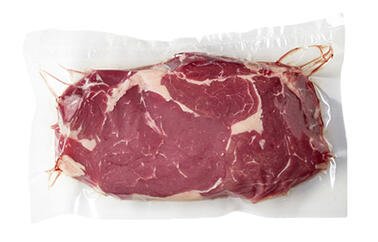
اللحوم المبردة
المعلمات الرئيسية لغرفة تبريد اللحوم
التخزين الجيد للحوم لا يعتمد على درجة الحرارة وحدها.
رطوبة, تدفق الهواء, تحميل الغرفة, عازلة, الصرف, وتردد فتح الباب كلها تؤثر على الجودة, فقدان الوزن, صحة, واستخدام الطاقة.
1. نطاق درجة حرارة
يجب أن تتطابق نقطة ضبط الغرفة مع عملية المنتج.
غرفة مبردة, غرفة التجميد, وتحتاج غرفة التجميد الانفجار إلى مستويات حرارة مختلفة, ويجب أن يركز التصميم على درجة حرارة المنتج المستهدفة بدلاً من درجة حرارة الغرفة الفارغة وحدها.
2. الرطوبة النسبية
تساعد الرطوبة النسبية العالية على تقليل فقدان الوزن الزائد أثناء التبريد.
نوصي بالرطوبة العالية إلى حد ما: 90 ~ 95% ر, أثناء عمليات التبريد للمساعدة في الحد من فقدان الجفاف.
3. تدفق الهواء وتوزيع الهواء
يجب أن يبرد تدفق الهواء المنتج بالتساوي, ولكن لا ينبغي أن يجفف السطح بقوة شديدة.
يمكن أن تؤدي الرطوبة المنخفضة وسوء التحكم في الهواء إلى إزالة الرطوبة من المنتج وتقليل الوزن والجودة.
4. سمك لوحة العزل
يجب أن يتناسب سمك اللوحة مع درجة حرارة الغرفة, المناخ المحيط المحلي, وشروط التثبيت.
عادة ما تحتاج الغرفة الباردة والمناخ الأكثر سخونة إلى عزل أقوى وختم بخار أكثر إحكامًا.
5. الكلمة والصرف
تحتاج غرف تبريد اللحوم إلى أرضيات صحية, منحدر الصرف السليم, وسهولة الوصول للتنظيف.
في غرف ذات درجة حرارة منخفضة, يحتاج تصميم الأرضية أيضًا إلى عزل كافٍ لتقليل التكثيف والمشاكل الهيكلية طويلة المدى.
6. نوع الباب وتكرار حركة المرور
يؤدي فتح الباب بشكل متكرر إلى زيادة اكتساب الحرارة, دخول الرطوبة, تشكيل الصقيع, واستخدام الطاقة.
حجم الباب الصحيح, ستارة الشريط, ستارة الهواء, أو خطة التحكم في حركة المرور يمكن أن تساعد في الحفاظ على استقرار ظروف الغرفة.
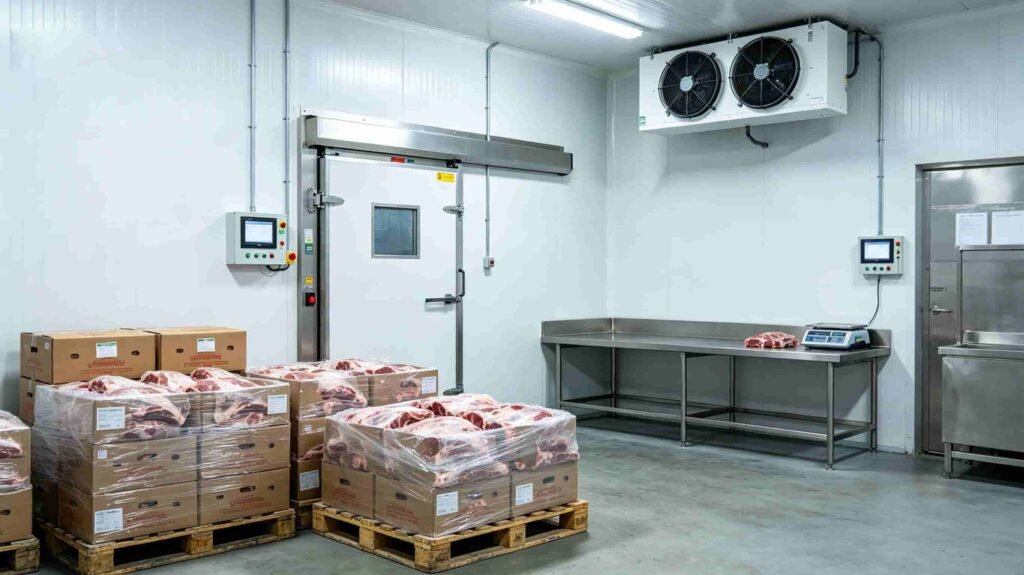
كيفية اختيار المعدات المناسبة لغرفة تبريد اللحوم?
يجب أن يبدأ اختيار المعدات بالمنتج والعملية, ليس فقط حجم الغرفة.
التصميم الصحيح يحتاج إلى نوع المنتج, درجة حرارة المدخل, التحميل اليومي, درجة الحرارة المستهدفة, دورة التخزين, ودرجة الحرارة المحيطة المحلية.
غرفة التبريد أو غرفة التجميد?
اختر غرفة تبريد للحوم الطازجة أو المبردة مع فترة حفظ قصيرة. اختر غرفة تجميد للتخزين المجمد على المدى الطويل.
هل تحتاج إلى الفريزر الانفجار?
اختر الفريزر الانفجاري عندما تحتاج إلى سحب سريع للأسفل, جودة تجميد أفضل, وانخفاض خطر حدوث تلف كبير في بلورات الجليد.
لا يحل التخزين القياسي في الفريزر محل التجميد السريع في المشروعات التي تتطلب أداء تجميد سريع.
كيف يجب عليك اختيار وحدة التبريد؟?
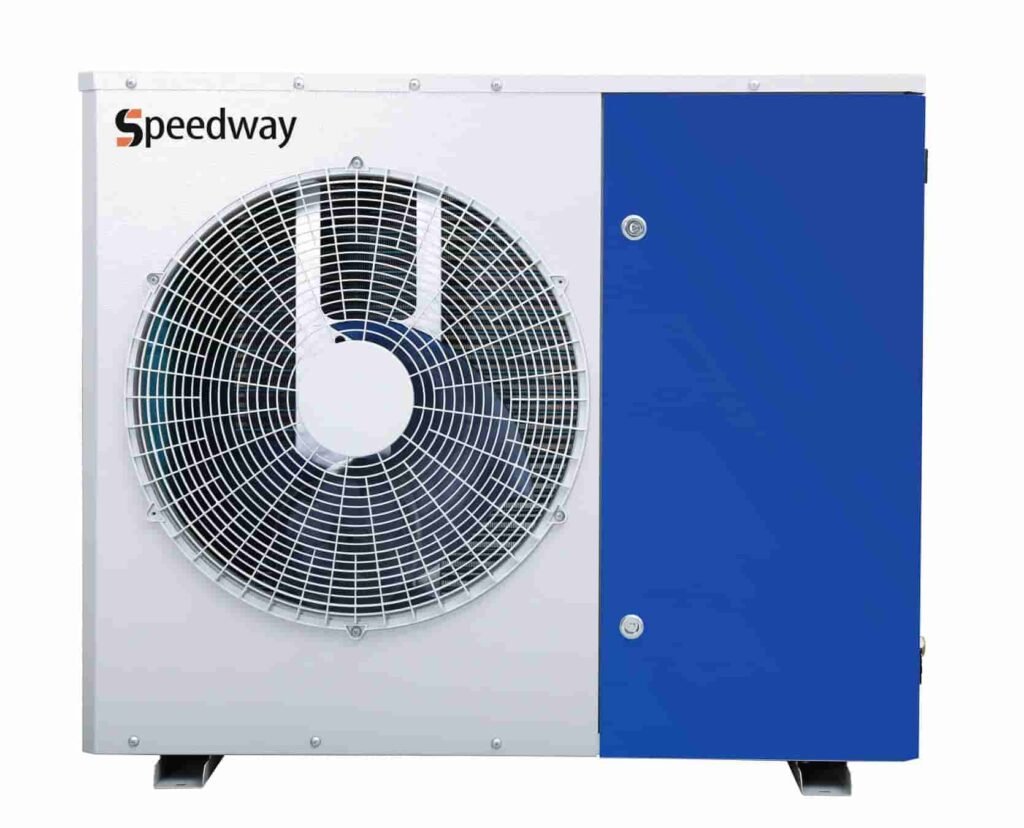
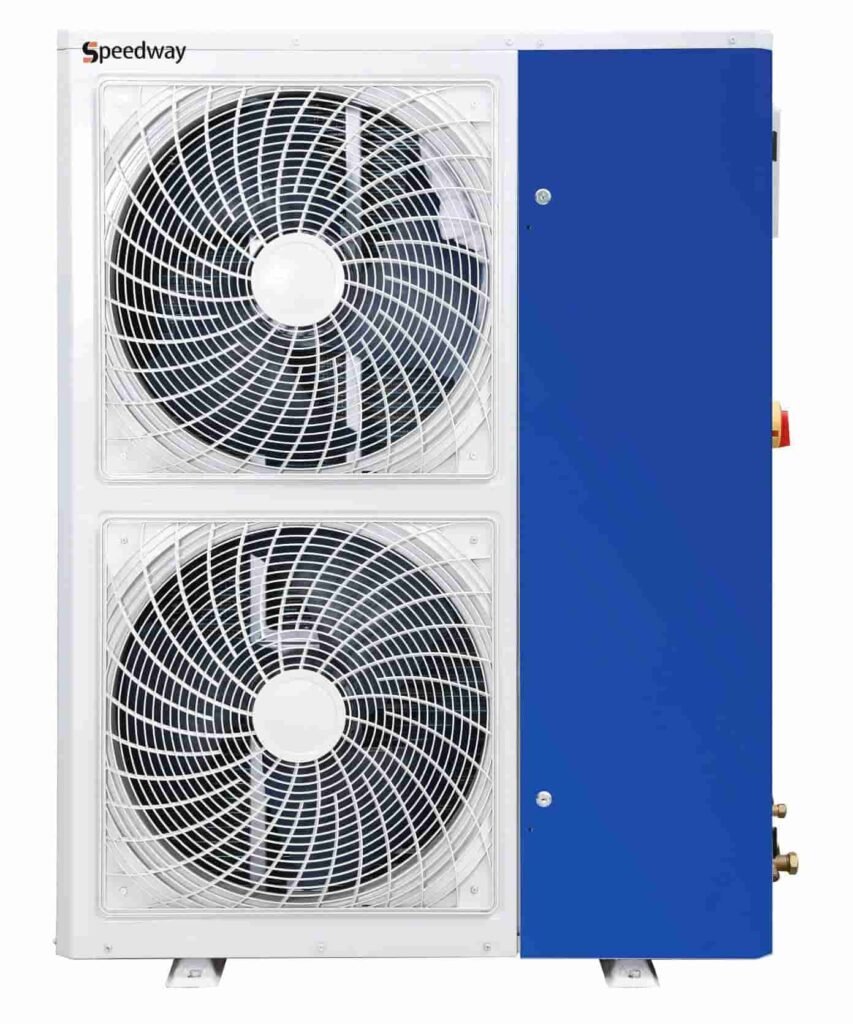
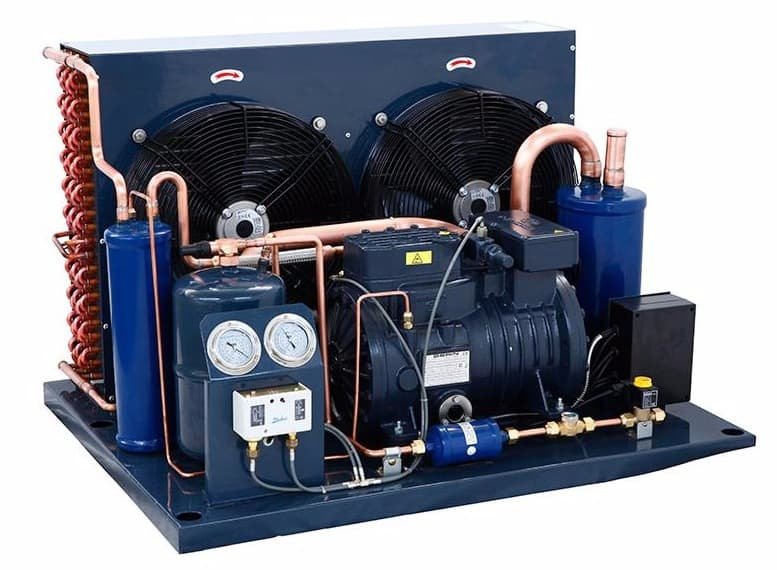
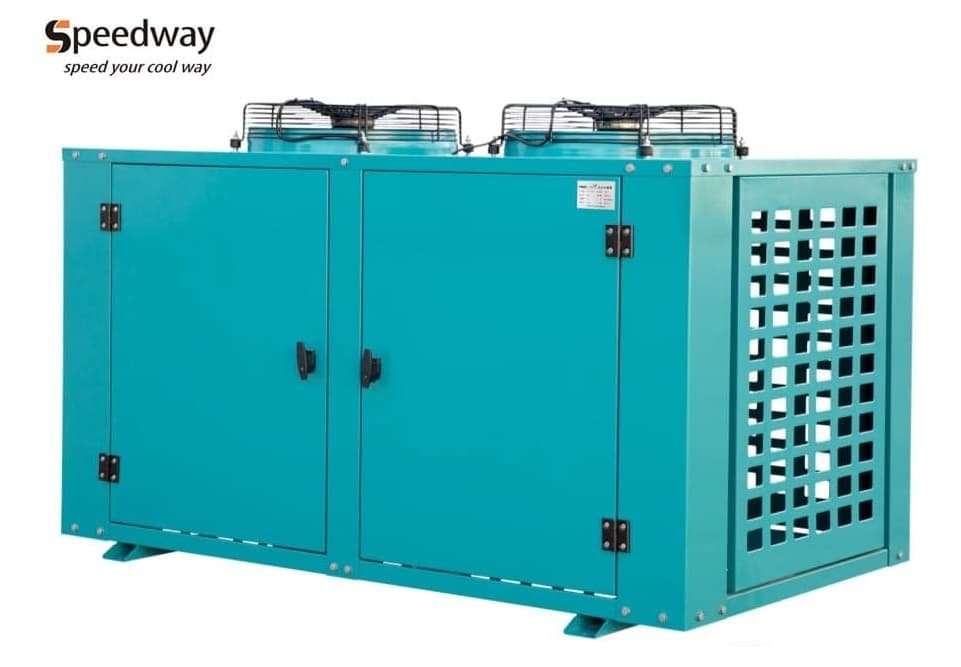
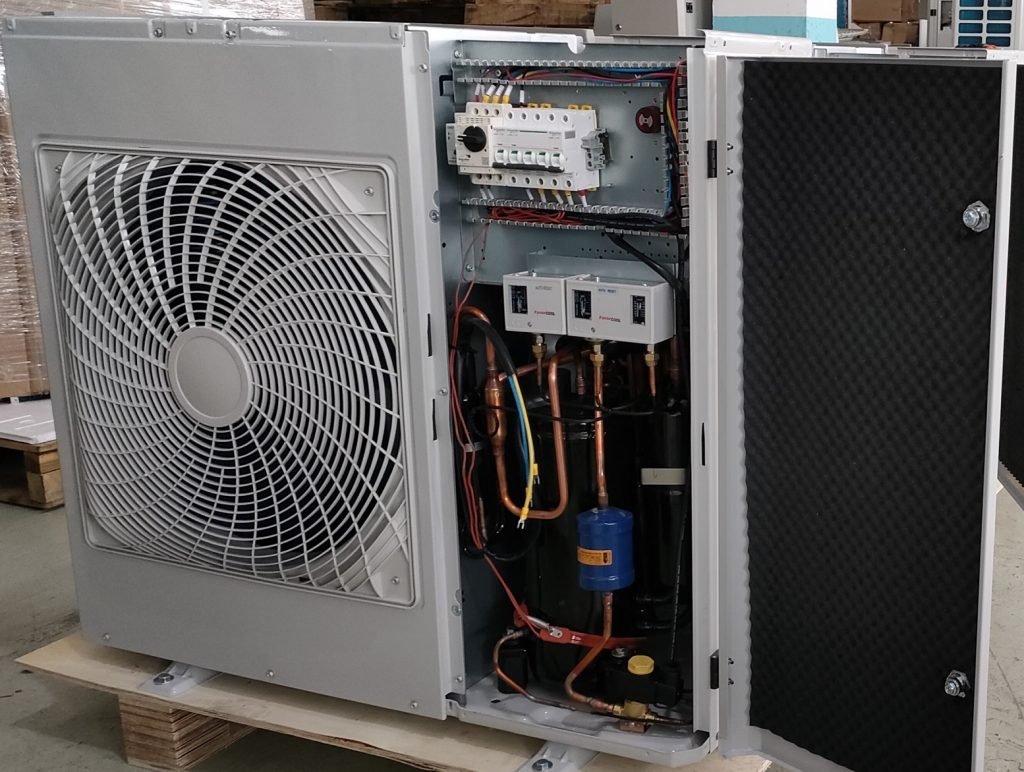
وحدة التكثيف يجب أن يتناسب مع حمل الغرفة, تحميل المنتج, متطلبات المنسدلة, والظروف المحيطة.
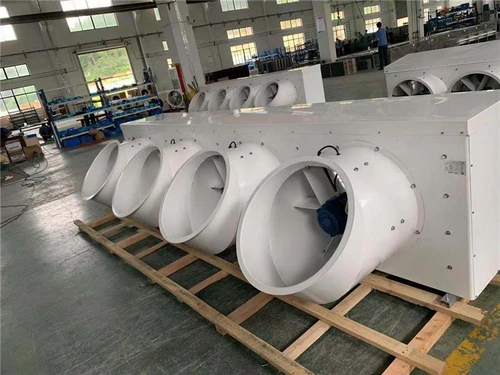
وحدة تبريد يجب أن تتناسب مع ارتفاع الغرفة, هدف الرطوبة, حالة صقيع, ومتطلبات تدفق الهواء.
ماذا عن الضوابط والإنذارات?
يجب أن تشتمل غرفة تبريد اللحوم على تحكم ثابت في درجة الحرارة ومراقبة عملية.
أنظمة الإنذار, تسجيل البيانات, وتصبح المراقبة عن بعد أكثر أهمية عندما تخزن الغرفة لحومًا عالية القيمة أو تعمل بعدد قليل من الموظفين.
المشاكل الشائعة وكيفية تجنبها?
تأتي العديد من مشاكل تخزين اللحوم: ضعف التحكم في درجة الحرارة, تدفق الهواء الفقراء, رطوبة منخفضة, أو مطابقة المعدات بشكل خاطئ.
يمكن أن تصل الغرفة إلى درجة الحرارة المحددة ولا تزال غير قادرة على حماية المنتج بشكل صحيح.
مشكلة 1: اللحوم تفقد الكثير من الوزن
تشمل الأسباب المحتملة انخفاض الرطوبة, سرعة الهواء العالية, وقت تخزين طويل, وفتح الباب بشكل متكرر.
يمكن أن يساعد التحكم الأفضل في الرطوبة وتصميم أفضل لتدفق الهواء في تقليل فقدان الجفاف.
مشكلة 2: يجف سطح اللحم
تظهر هذه المشكلة غالبًا عندما يكون تدفق الهواء قويًا جدًا أو تكون رطوبة الغرفة منخفضة جدًا.
يجب على المشغلين التحقق من توزيع الهواء, تكديس المنتج, واختيار المبخر.
مشكلة 3: يبرد المنتج ببطء شديد بعد التحميل
وهذا يعني عادة أن الغرفة تواجه حمولة حرارية عالية للمنتج, ليست مجرد مشكلة هواء الغرفة.
يجب أن يتحقق التصميم من كمية التحميل اليومية, درجة حرارة المنتج المدخل, وقت المنسدلة, وسعة التبريد.
مشكلة 4: يتراكم الصقيع بسرعة كبيرة على المبخر
غالبًا ما يؤدي فتح الباب المتكرر ودخول الرطوبة العالية إلى زيادة حمل الصقيع.
تحكم أفضل في حركة المرور, أبواب أكثر إحكاما, والتخطيط الصحيح لإزالة الجليد يمكن أن يحسن الأداء.
مشكلة 5: درجة حرارة الغرفة ليست متساوية
سوء تخطيط تدفق الهواء, ممارسة التراص السيئة, أو قد يؤدي الترتيب الخاطئ للمبخر إلى إنشاء نقاط ساخنة وتبريد غير متساوي للمنتج.
يجب أن يأخذ التصميم في الاعتبار هندسة الغرفة, تخطيط المنتج, ومسار الهواء معا.
تفاصيل المشروع المطلوبة لعرض الأسعار
لا يمكن للمورد اختيار النظام المناسب من حجم الغرفة وحده.
تحدد بيانات المنتج والتشغيل الحمل الحقيقي للتبريد وتكوين المعدات.
قبل أن تسأل عن الاقتباس, تحضير هذه التفاصيل:
| غرض | ما يجب تقديمه |
|---|---|
| نوع المنتج | لحم, لحم خنزير, دواجن, مأكولات بحرية, اللحوم المصنعة, أو غيرها من المنتجات |
| طلب | طازج, مبردة, مجمدة, أو تجميد الانفجار |
| كمية التحميل اليومية | ما هي كمية المنتج التي تدخل الغرفة يوميا |
| مدخل درجة حرارة المنتج | درجة حرارة المنتج قبل دخول الغرفة |
| درجة حرارة الغرفة المستهدفة | درجة حرارة هواء الغرفة المطلوبة |
| درجة حرارة المنتج المستهدفة | المنتج النهائي/درجة الحرارة الأساسية المطلوبة |
| وقت التخزين | كم من الوقت سيبقى المنتج في المخزن |
| حجم الغرفة / سعة | أبعاد الغرفة أو سعة التخزين المطلوبة |
| درجة الحرارة المحيطة | درجة الحرارة المحلية في الهواء الطلق أو مناخ المشروع |
| موقع التثبيت | تركيب داخلي أو خارجي |
| مزود الطاقة | الجهد االكهربى, مرحلة, والتردد |
| تردد فتح الباب | كم مرة يفتح الباب أثناء التشغيل |
| متطلبات تجميد الانفجار | ما إذا كان التجميد السريع مطلوبًا أم لا |
خاتمة
يعتمد أفضل حل لغرفة تبريد اللحوم على نوع المنتج, درجة حرارة التحميل, دورة التخزين, وظروف التشغيل.
قد لا تتناسب غرفة اللحوم المبردة مع التخزين المجمد أو التجميد السريع, لذلك يجب أن يبدأ اختيار النظام بمتطلبات العملية الحقيقية.
قبل أن تختار المعدات, تحديد نوع المنتج, التحميل اليومي, درجة الحرارة المستهدفة, واستخدام الغرفة بشكل واضح.
هذه العوامل تحدد تصميم الغرفة, قدرة التبريد, والأداء التشغيلي على المدى الطويل.