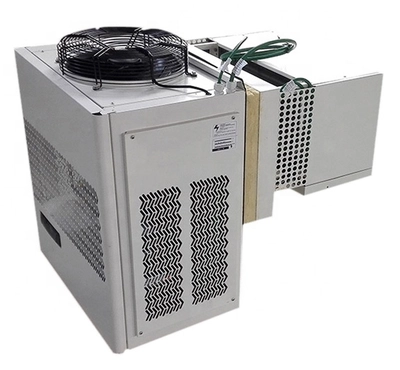
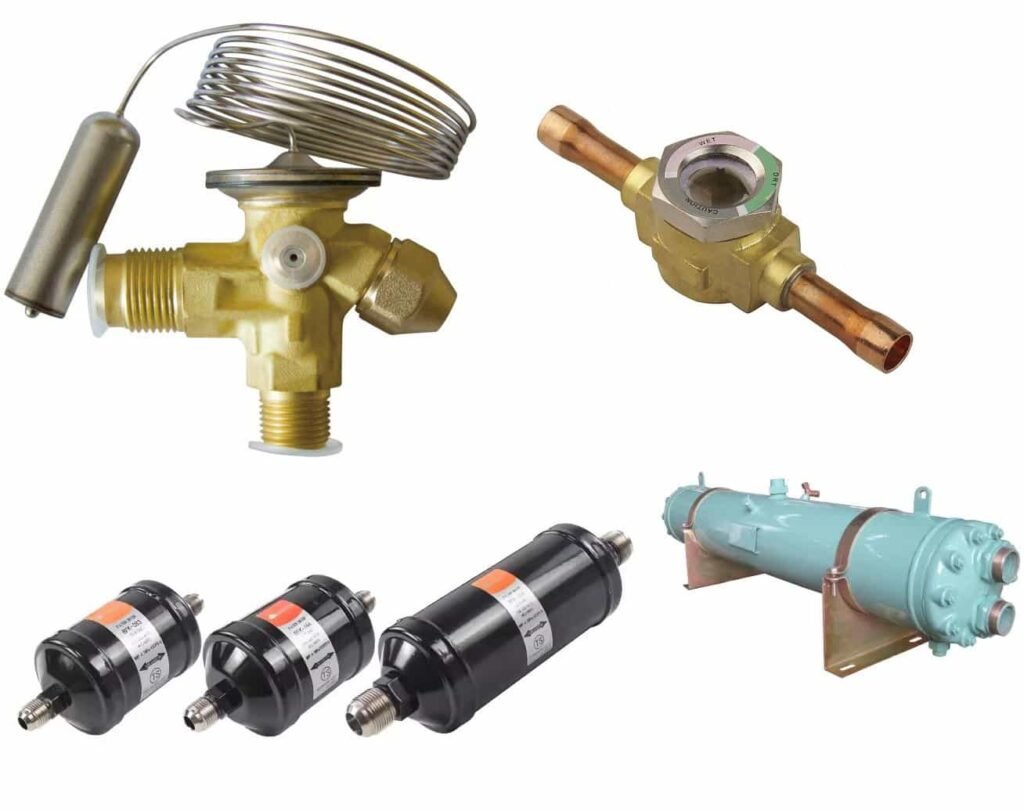
Проектирование холодильного склада – это не только выбор холодильной установки и изоляционных панелей.. Хорошее решение должно соответствовать вашему продукту, объем хранения, рабочий процесс, местный климат, и долгосрочный бизнес-план.
Если вы с самого начала хорошо спроектировали холодильное хранилище, вы можете защитить качество продукции, сократить затраты на электроэнергию, повысить ежедневную эффективность, и избежать дорогостоящих изменений в дальнейшем.
Что такое холодильное хранилище и почему дизайн имеет значение
Холодное хранилище — это помещение с контролируемой температурой, используемое для хранения скоропортящихся или чувствительных к температуре продуктов., например, овощи, фрукты, мясо, морепродукты, молочные продукты, замороженные продукты, цветы, фармацевтические препараты, или химикаты.
Хороший дизайн важен, потому что он влияет:
-
Безопасность продукта
-
Производительность охлаждения
-
Стоимость строительства
-
Потребление электроэнергии
-
Ежедневная эффективность работы
-
Возможность будущего расширения
Плохо спроектированное холодное хранилище все еще может «работать».,», но это часто приводит к медленному охлаждению, неравномерная температура, частое обледенение, высокие счета за электроэнергию, сложная погрузка и разгрузка, и проблемы с качеством продукции.
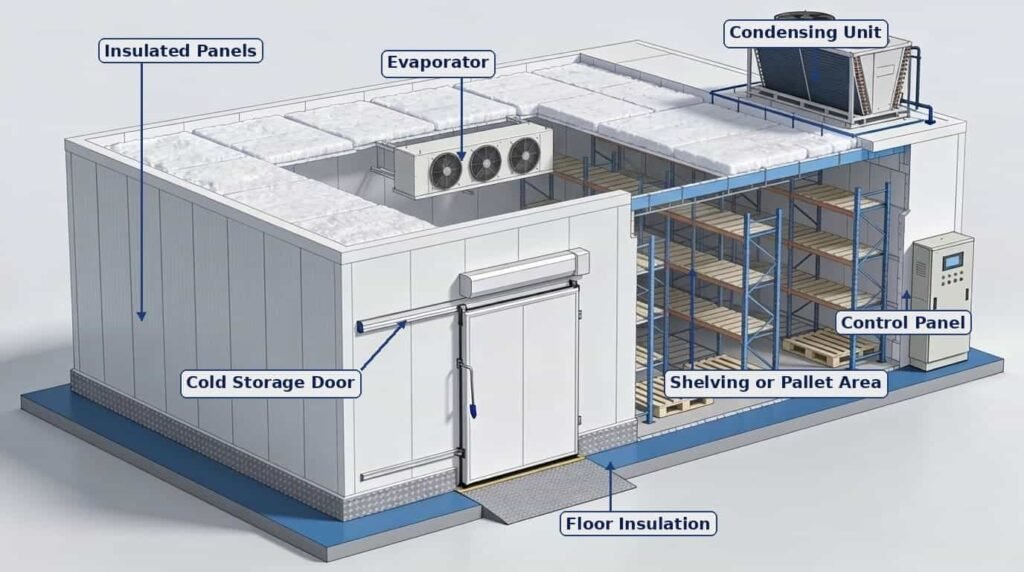
Общая структура холодильного склада
Какая информация вам нужна перед проектированием
Прежде чем спроектировать холодильное хранилище, сначала соберите ключевые данные проекта. Если введенные данные неверны или неполны, дизайн, выбор оборудования, и цитата также будет неточной.
Если вы можете предоставить вышеуказанную информацию перед дизайном, поставщик холодильных камер обычно может предложить более подходящее решение, избегайте завышения или занижения размера, и уменьшить последующие модификации.
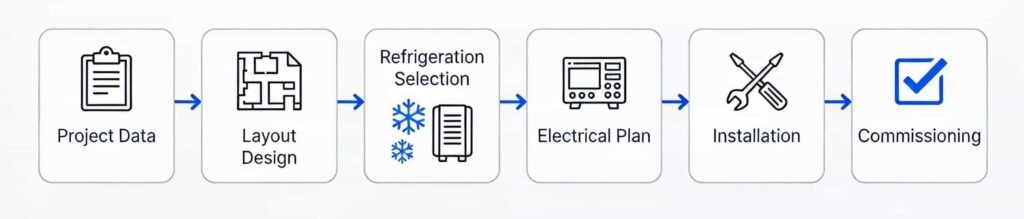
Блок-схема проектирования холодильного склада
Как выбрать правильный тип холодильного хранения
Не начинайте с оборудования. Начните с приложения.
Различные проекты холодильных хранилищ служат разным целям..
Правильный тип зависит от продукта, целевая температура, и рабочий процесс.
Например: дистрибьютору фруктов и переработчику замороженного мяса не нужна одинаковая конструкция холодильного склада. Даже если размер комнаты выглядит похожим, температурный диапазон, контроль влажности, расход воздуха, и холодильная нагрузка может сильно различаться.
Если вы храните разные продукты, не загоняйте все в одну комнату. Это часто приводит к проблемам с качеством и увеличению эксплуатационных расходов..
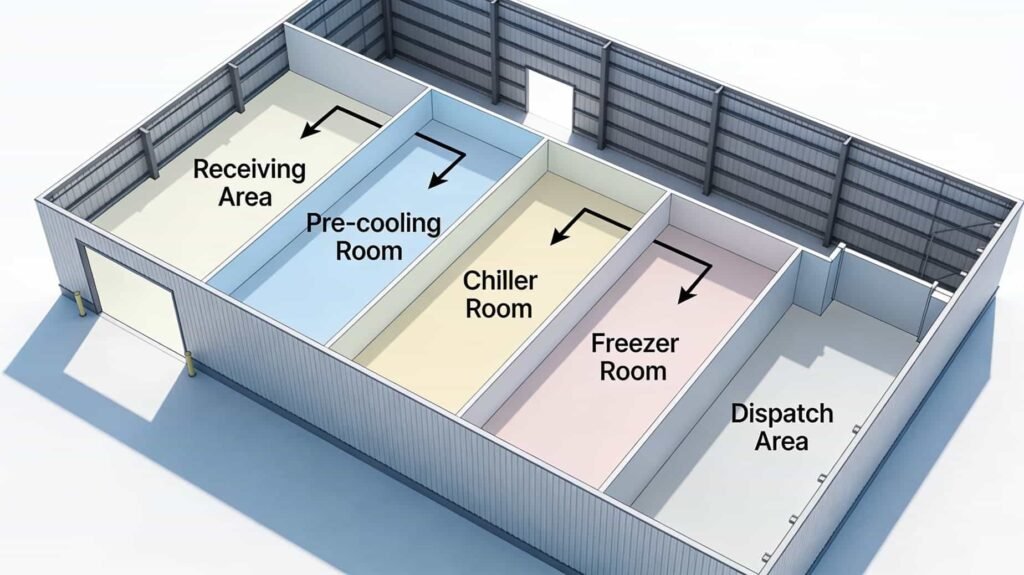
План компоновки холодильного склада с несколькими температурными зонами
Как определить правильный размер и емкость
Многие покупатели сначала задают один вопрос: «Насколько большим должно быть мое холодное хранилище??Ответ зависит не только от объема хранилища.
Размер комнаты следует выбирать исходя из:
-
Максимальный запас, не средний запас
-
Упаковка продукта и размер поддона
-
Пространство циркуляции воздуха
-
Ширина прохода
-
Погрузочно-разгрузочное пространство
-
Выбор или сортировка места
-
Будущее расширение
Например: если холодная комната может физически удерживать 100 поддоны не всегда хорошо сочетаются с 100 поддоны плотно упакованы внутри. Продуктам нужен воздушный поток. Рабочим и вилочным погрузчикам также необходимо пространство для безопасного и эффективного перемещения..
Уведомление: Когда вы планируете размер, думайте о том, как комната будет работать каждый день, не только то, сколько продукта он может вместить на бумаге.
Планировка холодильного склада и дизайн рабочего процесса
Хорошее холодильное хранилище – это не только холодная комната. Это рабочая система.
Планировка должна снижать приток тепла., повысить эффективность загрузки, и поддерживать бесперебойный поток продукции.
1. Приемная зона
Сюда впервые поступают продукты. Если теплые товары поступают непосредственно в складское помещение, температура в помещении может значительно колебаться.
2. Зона предварительного охлаждения или подготовки
Для некоторых продуктов, особенно фрукты, овощи, свежее мясо, или обработанная пища, зона предварительного охлаждения помогает снизить температуру продукта перед окончательным хранением.
3. Основное складское помещение
Это основное место хранения. Он должен быть спроектирован в соответствии с количеством поддонов., тип стеллажа, и скорость оборачиваемости продукции.
4. Зона комплектации и отгрузки
Если продукты часто отбираются и отправляются, выделенная зона диспетчеризации помогает повысить эффективность и сократить количество ненужных открываний дверей..
Практическая планировка должна идти по кратчайшему и простому маршруту.:
Приемка → Предварительное охлаждение → Хранение → Комплектование → Отгрузка.
| Проектная точка | Почему это важно |
|---|---|
| Расположение двери | Сокращает ненужное расстояние перемещения |
| Ширина прохода | Обеспечивает безопасное передвижение рабочих или вилочных погрузчиков. |
| Положение испарителя | Поддерживает лучшее распределение воздуха |
| Буферная комната / прихожая | Уменьшает попадание горячего воздуха в холодное помещение. |
| Подключение погрузочной платформы | Повышает эффективность доставки |
| Направление рабочего процесса | Предотвращает заторы и улучшает работу |
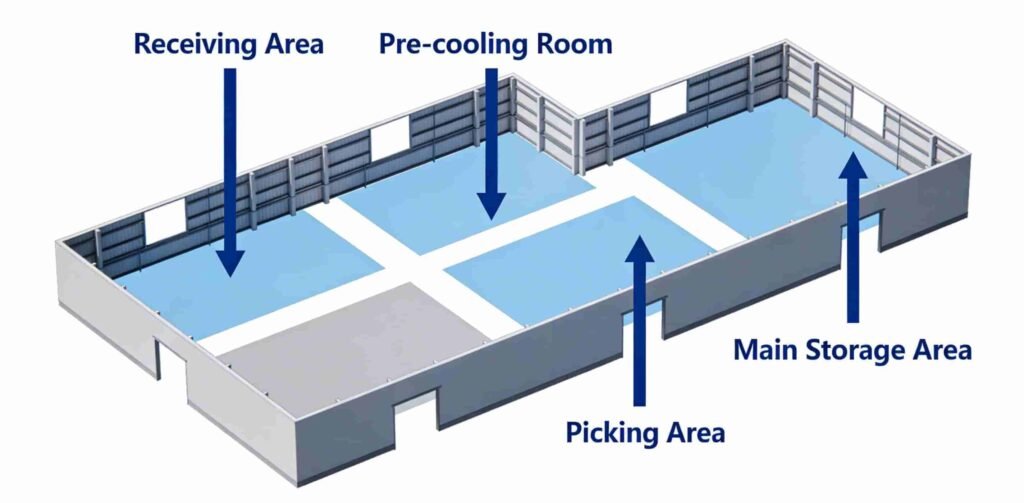
Планировка холодной комнаты
Уведомление: Если продукты часто входят и выходят из помещения, планировка имеет еще большее значение. Плохая планировка может привести к напрасной трате труда, увеличить потребление энергии, и замедлять операции каждый день.
Температура, Влажность, и требования к продукту
Температура важна, но это не единственный фактор.
Различные продукты также нуждаются в правильной влажности., расход воздуха, и температурная стабильность. Если вы проигнорируете эти детали, комната может работать, но товар все равно может потерять качество.
| Продукт | Типичная температура | Проблема влажности | Примечание к дизайну |
|---|---|---|---|
| Овощи | 0от °С до 8 °С | Обычно важно | Избегайте чрезмерного обезвоживания |
| Фрукты | Зависит от типа | Важный | Некоторые фрукты чувствительны к низкой температуре. |
| Мясо | От 0°C до 4°C(свежий) или от -18°C до -25°C (замороженный) | Середина | Гигиена и стабильная температура важны |
| Морепродукты | Обычно низкая температура или замерзание | Высокий | Быстрое охлаждение часто имеет решающее значение |
| Молочный | 2от °С до 8 °С | Середина | Стабильная температура важна |
| Замороженные продукты | -18°С или ниже | Меньшая озабоченность | Стабильность температуры является ключевым моментом |
Например: овощи часто требуют тщательного контроля влажности, чтобы уменьшить обезвоживание.. Замороженным продуктам обычно нужна стабильная низкая температура, а не высокая влажность.. Свежие морепродукты могут нуждаться в быстром охлаждении сразу после обработки..
Вот почему тип продукта должен определять дизайн с самого начала..
Как выбрать изоляционные панели, Пол, и двери
Система шкафов играет важную роль в производительности холодильного хранения.. В комплект входят изолированные панели., система пола, и двери.
1. Изолированные Панели
Изоляционные панели уменьшить передачу тепла снаружи внутрь.
Правильный тип и толщина панели зависят от температуры в помещении., размер комнаты, климат, и бюджет проекта.
| Тип номера | Типичная температура | Стандартная толщина панели |
|---|---|---|
| Холодильная комната | 0от °С до 8 °С | 75~100 мм |
| Морозильная комната | Ниже -18°C | 100~150 мм |
| Взрыв морозильника | Очень низкая температура | 200мм или выше |
Не выбирайте панели только по цене! Более низкие характеристики изоляции могут увеличить затраты на электроэнергию на долгие годы..
2. Дизайн пола
Пол должен выдерживать ожидаемую нагрузку и оставаться сухим., стабильный, и легко чистить.
Для морозильных камер, дизайн пола особенно важен. Если пренебречь утеплением и влагозащитой пола, вы можете столкнуться с морозным пучением, растрескивание пола, или проблемы с конденсатом позже.
Хороший дизайн пола должен учитывать:
-
Грузоподъемность
-
Изоляция
-
Влагозащитный барьер
-
Долговечность поверхности
-
Дренаж
-
Потребности в уборке
3. Двери
Тип двери должен соответствовать тому, как работает помещение..
Уведомление: Если дверь холодного помещения часто открывается, рассмотрите возможность добавления воздушной завесы или буферной комнаты, что может уменьшить потери температуры и повысить энергоэффективность.
Как выбрать холодильную систему
Холодильная система – основа холодильного склада..
Но правильная система не всегда является самой большой или самой дорогой..
Хороший выбор зависит от:
-
Размер комнаты
-
Целевая температура
-
Тип продукта
-
Ежедневный оборот
-
Температура продукта на входе
-
Требуемая скорость охлаждения
-
Температура окружающей среды
-
Условия установки
-
Потребности в обслуживании и техническом обслуживании
-
Цели энергоэффективности
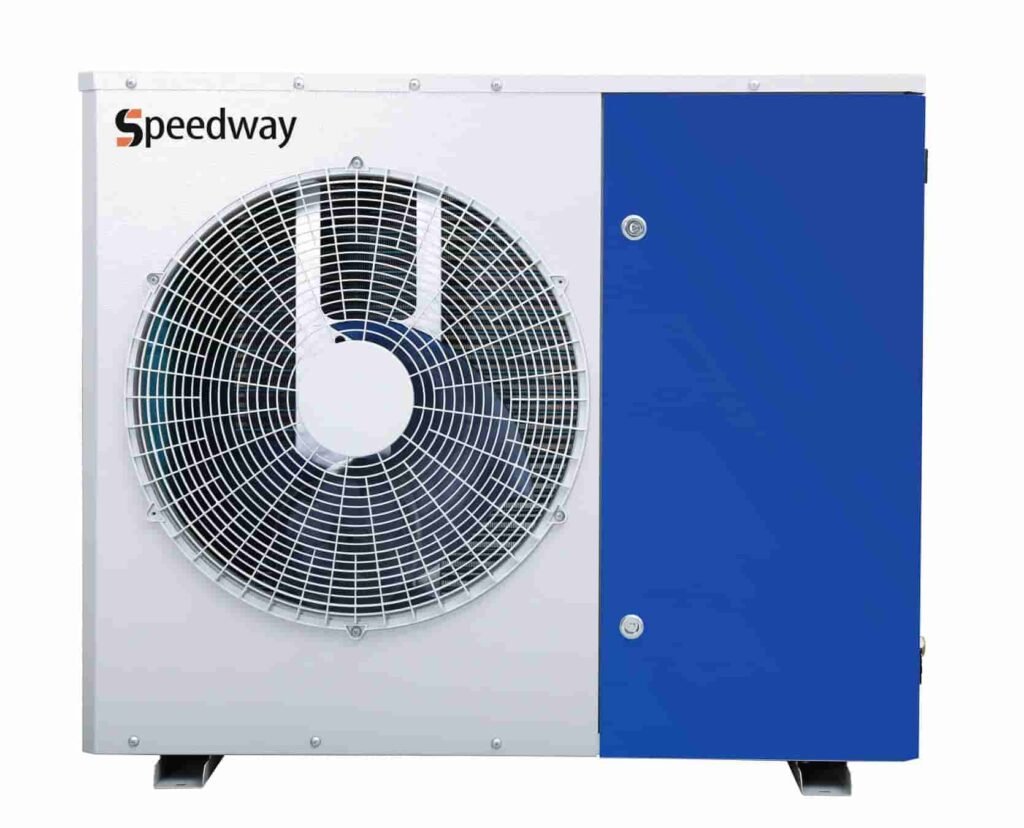
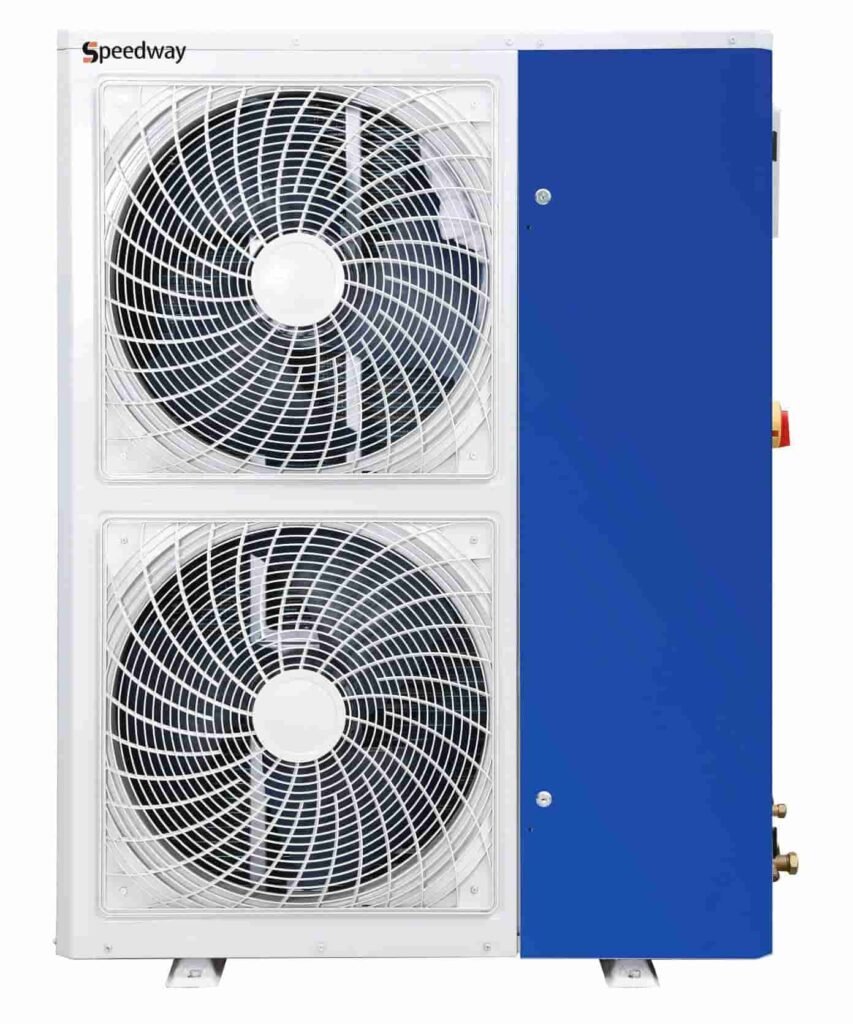
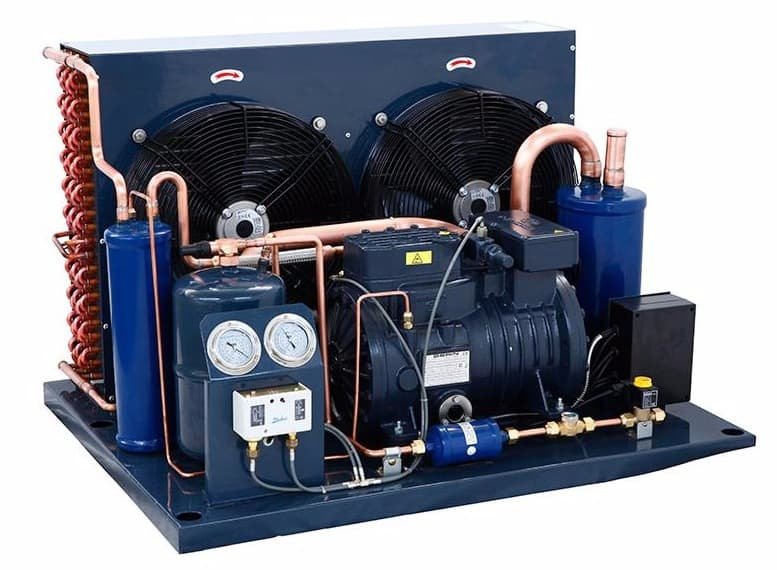
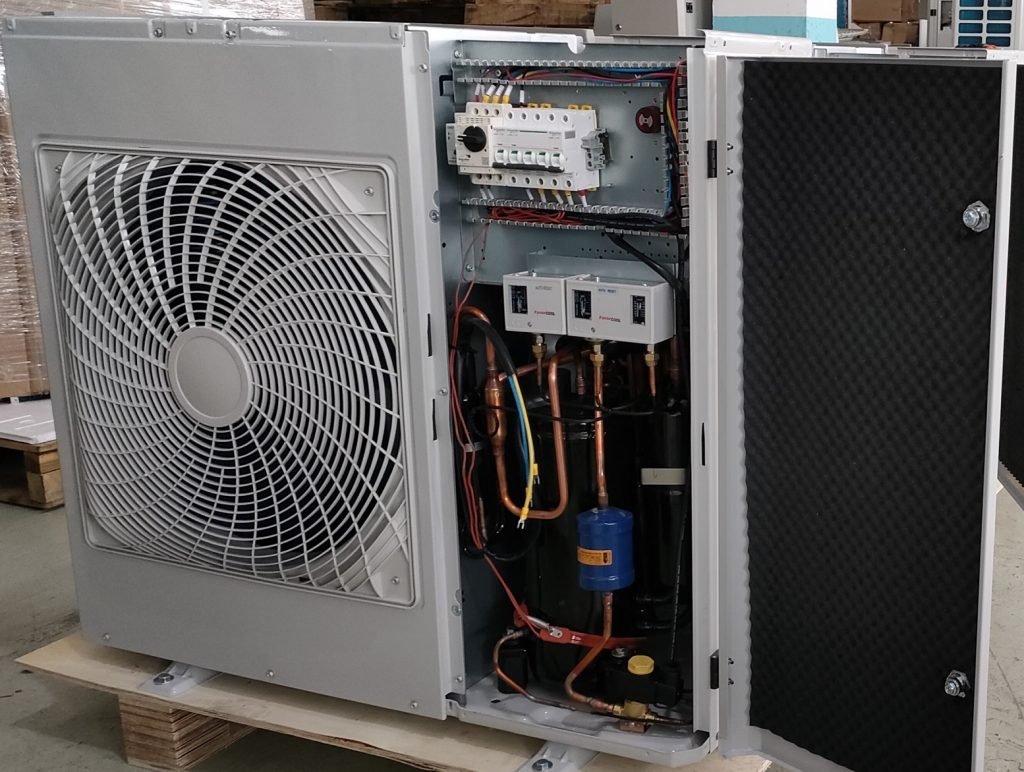
Основные части системы включают в себя:
-
Компрессор
-
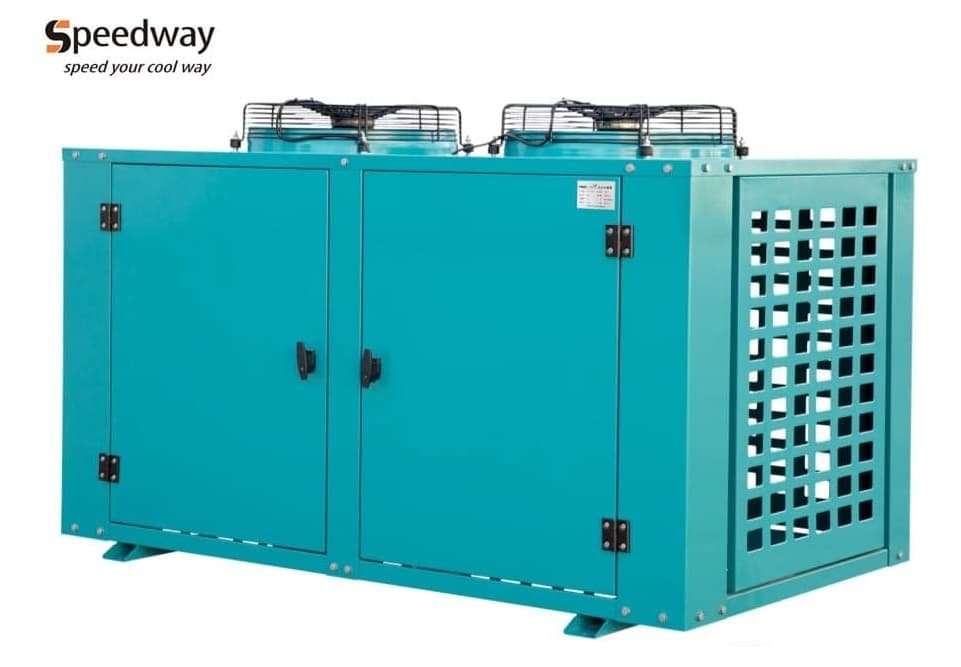
Конденсаторный агрегат
-
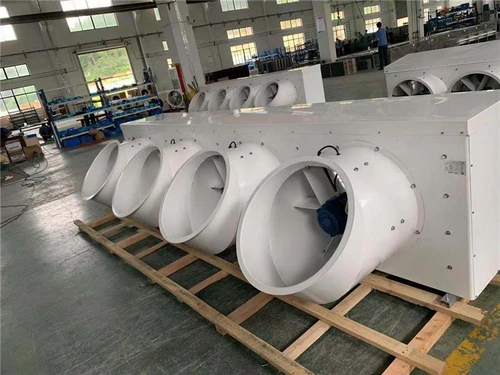
Испаритель
-
Хладагент
-
Контроль размораживания
Если клиенту требуется быстрое понижение, частое открывание двери, или тяжелая ежедневная нагрузка, система должна отражать это.
Не выбирайте оборудование только по размерам помещения.
Используйте наш Руководство по выбору конденсаторного агрегата для холодильной камеры проверить холодопроизводительность в реальных условиях эксплуатации.
Электрическое управление, Мониторинг, и система сигнализации
Современное холодильное хранилище не должно зависеть только от ручных проверок..
Надлежащая система управления помогает операторам поддерживать стабильные условия., обнаруживать неисправности заранее, и снизить риск потери продукции.
Полная установка может включать в себя:
-
Регулятор температуры
-
Мониторинг влажности
-
Регистратор данных
-
Сигнализация высокой/низкой температуры
-
Сигнализация открытия двери
-
Сигнализация неисправности
-
Автоматическое управление размораживанием
-
Управление освещением
-
Удаленный мониторинг
Для коммерческих проектов, удаленный мониторинг особенно полезен.
Это помогает менеджерам быстрее реагировать на повышение температуры., оборудование останавливается, или двери остаются открытыми слишком долго, и снизить риск потери продукции.
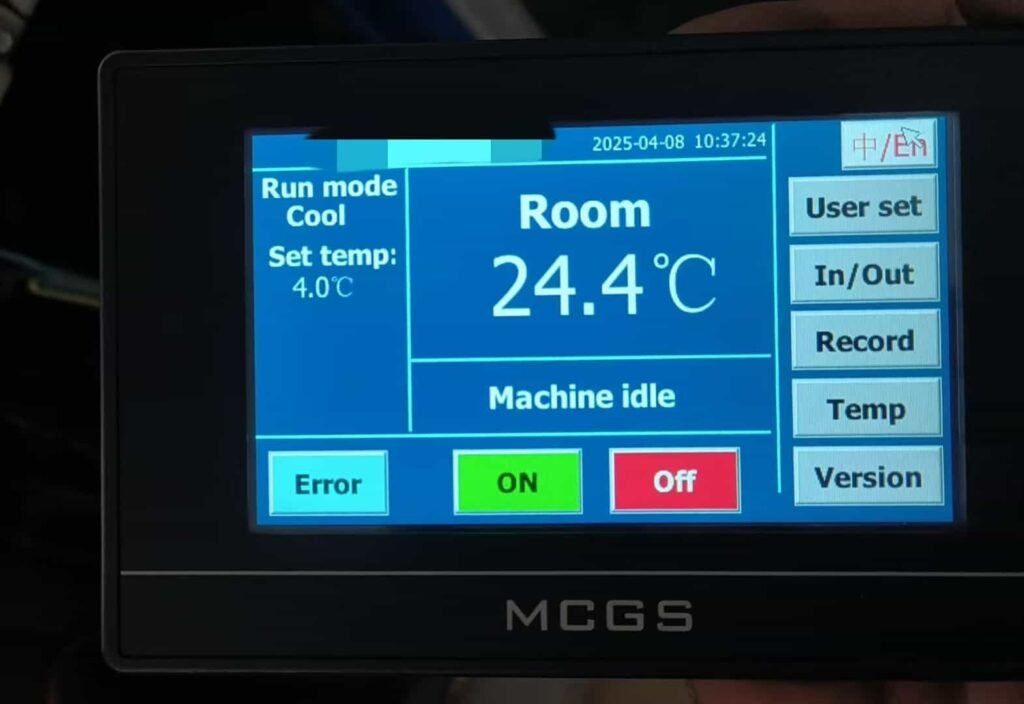
Цифровой удаленный мониторинг
Энергосбережение и контроль эксплуатационных расходов
Многие покупатели слишком много внимания уделяют покупной цене и недостаточно долгосрочным эксплуатационным расходам..
Дешевая система может стоить дешевле на начальном этапе, но плохая изоляция, слабая герметизация двери, неправильный размер оборудования, или плохая логика управления может привести к высоким счетам за электроэнергию и возникновению новых проблем с обслуживанием в дальнейшем..
Чтобы снизить эксплуатационные расходы:
-
Используйте подходящую изоляцию
-
Выбирайте двери с хорошей герметизацией.
-
Уменьшите ненужное открывание дверей
-
Добавьте буферную комнату, когда это необходимо
-
Подбираем эффективное холодильное оборудование
-
Используйте светодиодное освещение
-
Держите пути воздушного потока свободными
-
Регулярно очищайте теплообменники
-
Установите практичную температуру, не слишком низкие
Хорошая конструкция холодильного склада должна сбалансировать первоначальные инвестиции и долгосрочные эксплуатационные расходы..
Наш Стоимость строительства холодильной камеры объясняет, как разделить оборудование, затраты на установку и эксплуатацию при сравнении предложений.
Проектирование холодильных хранилищ по отраслям: Краткий справочник
Как построить холодильную камеру?
Строительство холодильного склада – технический проект. Включает в себя строительные работы, монтаж изоляции, холодильная установка, электромонтажные работы, дренаж, и окончательный ввод в эксплуатацию.
Типичный процесс:
-
Подтвердить требования проекта
-
Подготовим макет и технический проект.
-
Проверьте состояние объекта и коммунальные услуги
-
Подготовьте пол и конструкцию.
-
Установка утепленных панелей и дверей.
-
Установить холодильное оборудование
-
Установить электрическую систему управления и датчики.
-
Проверьте герметичность, дренаж, и связи
-
Провести пуско-наладочные испытания
-
Полная финальная проверка и передача
Каждый шаг имеет значение. Даже качественное оборудование не будет работать хорошо, если качество монтажа будет плохим..
Если в проекте предусмотрена морозильная камера, бригаде следует уделить особое внимание утеплению пола, защита от влаги, дренаж, и уплотнение дверей.
Контрольный список установки и ввода в эксплуатацию
Перед передачей, внимательно осмотрите систему. Четкий контрольный список помогает избежать споров между поставщиками, установщик, подрядчик, и конечный пользователь.
Не пропускайте пробный запуск. Реальная эксплуатация часто выявляет проблемы, которые не очевидны во время установки..
Общие ошибки, чтобы избежать
Многие проблемы с холодным хранением начинаются еще на этапе планирования., не во время работы.
Избегайте этих распространенных ошибок в проектах холодного хранения.:
-
Выбирайте размер комнаты только по площади пола
-
Игнорировать температуру продукта на входе
-
Забудьте о будущем расширении
-
Смешайте продукты с различными требованиями к хранению
-
Используйте двери, которые слишком малы для реальных потребностей в погрузочно-разгрузочных работах.
-
Не обращайте внимания на утепление пола в морозильных камерах.
-
Недооценить воздушный поток и вентиляцию
-
Выбирайте оборудование только по цене
-
Не устанавливайте сигнализацию или удаленный мониторинг
-
Запуск системы без плана обслуживания
Эти ошибки могут привести к нестабильной температуре., медленное охлаждение, более высокое энергопотребление, и дорогая переделка.
Часто задаваемые вопросы
Q1: Должен ли я увеличить размер блок конденсации если в моей стране очень жаркие летние температуры?
Не завышайте размер вслепую.
Подберите агрегат с учетом реальной тепловой нагрузки и местных пиковых условий окружающей среды..
В жарком климате, выберите модель для высоких температур или условия проектирования, соответствующие вашему объекту, поскольку стандартные номинальные характеристики могут не выдерживать емкость при высоких температурах наружного воздуха..
Q2: Как мне выбрать стеллаж, если мой холодная комната предназначен для оборотного хранения или длительного хранения?
Выбирайте стеллажи в зависимости от потока продукции.
Для высокооборотного склада, используйте макеты, поддерживающие быстрый доступ и быстрый выбор; для длительного хранения, используйте стеллажи более высокой плотности для экономии места.
Также проверьте тип поддона, маршрут вилочного погрузчика, ширина прохода, и ФИФО (Первый пришёл/первым ушёл) или ЛИФО (Последний в, первым вышел) потребности, прежде чем вы решите.
Q3: Нужна ли полу защита от замерзания или подогрев пола?? При какой температуре его рассматривать??
Для морозильных камер, вам следует серьезно подумать о защите пола от замерзания.
Когда пол и почва под ним могут замерзнуть, вы рискуете морозным пучением, растрескивание пола, и долгосрочные структурные повреждения.
На практике, это становится ключевой проблемой проектирования морозильников с отрицательными температурами., не просто обычные охлажденные помещения.
Q4: Достаточно ли воздушной завесы, если дверь открывается десятки раз в день? Нужна ли мне прихожая или буферная комната??
Одной воздушной завесы часто бывает недостаточно для интенсивного движения транспорта..
Если комната открывается много раз в день, особенно в жарком или влажном климате, добавить буферную комнату, быстрая дверь, полосатая занавеска, или сочетание этих мер.
Это помогает уменьшить попадание теплого воздуха., мороз, и потери энергии.
Q5: Как выбрать хладагент? Влияют ли экологические правила на решение?
Выберите хладагент ( Р404/507/448/449/290…) на основе приложения, эффективность, сервисная поддержка, и местные правила.
Да, экологические правила имеют значение.
Многие рынки в настоящее время ограничивают или поэтапно сокращают использование ГФУ-хладагентов с высоким ПГП в соответствии с правилами, касающимися фторсодержащих газов, или политикой, связанной с Кигали., поэтому вам следует подтвердить, что является законным и пригодным для использования в вашей стране, прежде чем завершить проектирование..
Q6: Может ли местная бригада отремонтировать систему, если она сломается?? Сколько времени займут запасные части?
Спросите об этом перед покупкой!
Проверьте, есть ли у поставщика местные сервисные партнеры, стандартные запасные части, электрические схемы, доступ к контроллеру, и удаленная поддержка.
Также запросите список запасных частей и сроки поставки критически важных элементов, таких как контроллеры., датчики, поклонники, контакторы, клапаны, и детали компрессора.
Q7: Как узнать, предлагает ли поставщик решение по низкой цене, но с низкими техническими характеристиками??
Проверьте детали, не только общая стоимость!
Предложение с низкими характеристиками часто скрывает недостаточную мощность, более тонкая изоляция, слабая дверная фурнитура, ограниченный контроль, нет сигнализации или мониторинга, нет конструкции защиты от замерзания, или плохая послепродажная поддержка.
Попросите каждого поставщика указать расчетную температуру., состояние окружающей среды, толщина панели, холодопроизводительность, хладагент, объем контроля, аксессуары в комплекте, и гарантия в письменной форме.
Вам нужно решение для холодного хранения для вашего проекта?
Отправьте нам следующую информацию:
-
Тип продукта
-
Требуемая комнатная температура
-
Размеры помещения
-
Местоположение проекта
-
Местный источник питания
-
Предполагаемый объем хранилища
-
Ежедневное количество входов/выходов
Наша команда может помочь вам подготовить подходящее решение для холодного хранения с учетом реальных потребностей вашего проекта..
Заключение
Успешный проект холодильного склада начинается с четких требований и практичного дизайна.. Размер комнаты, рабочий процесс, изоляция, охлаждение, элементы управления, качество установки, и энергопотребление — все это влияет на конечный результат.
Если вы хорошо спланируете проект с самого начала, вы можете построить холодильное хранилище, которое защитит ваши продукты, поддерживает повседневную работу, и контролирует долгосрочные затраты.