Powolne chłodzenie, niskie ciśnienie ssania i niestabilny przepływ czynnika chłodniczego często prowadzą techników do podejrzeń termostatycznego zaworu rozprężnego. Jednakże, objawy te nie zawsze wskazują na wadliwy TXV lub uzasadniają regulację.
Przed regulacją zaworu, sprawdź swoje pomiary, obciążenie parownika i dopływ cieczy. W tym przewodniku opisano obsługę TXV, pomiar przegrzania i praktyczne rozwiązywanie problemów w chłodniach z bezpośrednim odparowaniem i systemach klimatyzacyjnych.
Ogłoszenie: Tylko wykwalifikowani technicy powinni serwisować ciśnieniowe układy chłodnicze, sprzęt elektryczny i czynniki chłodnicze. Postępuj zgodnie z instrukcjami producentów sprzętu i zaworów oraz ograniczeniami operacyjnymi.
Do czego służy termostatyczny zawór rozprężny?
Termostatyczny zawór rozprężny, lub TXV/TEV, metrów czynnika chłodniczego do parownika. Pełni dwie główne funkcje:
| Funkcjonować | Zamiar |
|---|---|
| Dławienie | Obniża ciśnienie czynnika chłodniczego i dostarcza do parownika mieszaninę cieczy i pary pod niskim ciśnieniem |
| Regulacja przepływu | Reguluje przepływ czynnika chłodniczego w reakcji na przegrzanie na wylocie parownika |
Właściwa kontrola przepływu pomaga parownikowi efektywnie wykorzystać powierzchnię wymiany ciepła i zmniejsza ryzyko powrotu ciekłego czynnika chłodniczego do sprężarki. Jednakże, TXV nie zastępuje innych środków ochrony przed powodzią.
TXV reguluje przegrzanie na wylocie parownika, a nie bezpośrednio temperaturę pokojową. Dalsze otwarcie zaworu niekoniecznie poprawia chłodzenie.

Jak działa TXV?
TXV wykorzystuje żarówkę czujnikową, rurka kapilarna, membrana, sprężyna i igła zaworu.
Żarówka czujnikowa śledzi temperaturę przewodu ssawnego w pobliżu wylotu parownika. Jego wewnętrzny ładunek wytwarza ciśnienie i przenosi to ciśnienie przez rurkę kapilarną do membrany.

3 główne siły kontrolują ruch zaworu:
| Wejście | Główny efekt |
|---|---|
| Wykrywanie ciśnienia żarówki | Popycha zawór w kierunku otwarcia |
| Ciśnienie wyrównawcze | Popycha zawór w stronę zamknięcia |
| Siła sprężyny | Popycha zawór w stronę zamknięcia i wpływa na ustawienie przegrzania |
W zamierzonym zakresie działania, TXV zwiększa przepływ czynnika chłodniczego w miarę wzrostu przegrzania na wylocie i zmniejsza przepływ w miarę spadku przegrzania.
Ten proces kontroli pozostaje dynamiczny. Zmiany obciążenia, Dopływ cieczy i warunki pracy mogą mieć wpływ na ciśnienie, temperatura i reakcja zaworu.
Wewnętrznie vs. Zewnętrznie wyrównane TXV
Główna różnica dotyczy źródła ciśnienia działającego pod membraną.
| Typ | Źródło ciśnienia | Rozpatrzenie wniosku |
|---|---|---|
| Wewnętrznie wyrównane | Wylot zaworu, przez wewnętrzne przejście | Nadaje się tam, gdzie spadek ciśnienia w parowniku mieści się w granicach określonych przez producenta |
| Zewnętrznie wyrównane | W pobliżu wylotu parownika, przez linię zewnętrzną | Uwzględnia spadek ciśnienia w parowniku i dystrybutorze |
Znaczący spadek ciśnienia powoduje różnicę pomiędzy ciśnieniem wylotowym zaworu a ciśnieniem wylotowym parownika. Wybierając metodę wyrównywania, postępuj zgodnie z wymaganiami producenta sprzętu.
Zewnętrzny korektor zapewnia niezbędne sprzężenie zwrotne ciśnienia. Nigdy nie zakrywaj go ani nie pomijaj jego połączenia.
Jak mierzyć i obliczać przegrzanie?
Przegrzanie mierzy, o ile temperatura pary czynnika chłodniczego przekracza temperaturę nasycenia przy tym samym ciśnieniu.
Przegrzanie na wylocie parownika = temperatura pary na wylocie – temperatura nasycenia przy ciśnieniu na wylocie
W pomiarach terenowych, trwale przymocowany i izolowany czujnik temperatury wykorzystuje temperaturę powierzchni rury ssawnej do przybliżonej temperatury pary czynnika chłodniczego.
Nie zastępuj temperatury powietrza wylotowego z parownika ani temperatury pokojowej temperaturą linii ssawnej. Dopasuj pomiar temperatury do ciśnienia w tym miejscu.

Przykład obliczenia przegrzania
Poniższy przykład ilustruje jedynie obliczenia. Nie reprezentuje przypadku terenowego ani zalecanego ustawienia.
Załóżmy, że te wartości są podawane w prawidłowych danych dotyczących ciśnienia i temperatury czynnika chłodniczego:
| Pomiar | Przykład |
|---|---|
| Temperatura nasycenia przy ciśnieniu wylotowym parownika | −10°C |
| Temperatura linii ssawnej w tym samym miejscu | −4°C |
| Obliczone przegrzanie | 6 K |
Przegrzanie = −4 − (-10) = 6 K
Różnica temperatur wynosząca 6 K równa się różnicy 6°C. Jednakże, A 6 Sam odczyt K nie świadczy o poprawności działania. Porównaj wynik z docelowym zakresem i warunkami testowymi producenta sprzętu.
Punkt rosy vs. Punkt bąbelkowy
Do mieszanek czynników chłodniczych z poślizgiem temperatury, wykresy ciśnienie-temperatura mogą pokazywać zarówno wartości punktu rosy, jak i temperatury pęcherzyków.
| Obliczenie | Odniesienie temperatury |
|---|---|
| Przegrzanie pary | Punkt rosy |
| Przechłodzenie cieczy | Punkt bąbelkowy |
Do obliczenia przegrzania pary nie należy stosować temperatury wrzenia ani średniej temperatury parowania.
Wylot parownika vs. Przegrzanie wlotu sprężarki
Pomiary te służą różnym celom:
| Miejsce pomiaru | Główny cel |
|---|---|
| Wylot parownika | Ocenić kontrolę przegrzania TXV |
| Wlot sprężarki | Sprawdź warunki ssania sprężarki |
Linia ssawna może pochłaniać ciepło i powodować utratę ciśnienia pomiędzy tymi miejscami.
Jeśli mierzysz ciśnienie tylko na sprężarce, ocenić spadek ciśnienia w linii ssawnej przed połączeniem tego odczytu z temperaturą na wylocie parownika.
Co sprawdzić przed regulacją TXV?
Nieprawidłowe przegrzanie rozpoczyna dochodzenie. Nie uzasadnia to automatycznie obrócenia trzonka regulacyjnego.
1.Sprawdź dokładność pomiaru
Potwierdź poniższe:
- Prawidłowy dobór czynnika chłodniczego za pomocą manometru lub narzędzia pomiaru ciśnienia i temperatury
- Spójne jednostki ciśnienia i ustawienia ciśnienia względnego/absolutnego
- Solidny kontakt czujnika temperatury i ochrona przed ciepłem otoczenia
- Dopasowane miejsca pomiaru ciśnienia i temperatury
- Odczyty z tego samego okresu eksploatacji
Narzędzie cyfrowe może uprościć obliczenia, ale nie może skorygować nieprawidłowego wyboru czynnika chłodniczego lub miejsca pomiaru.
2.Sprawdź wymianę ciepła przez parownik
Sprawdź wentylatory, czystość cewki, gromadzenie się szronu i droga przepływu powietrza. Do systemów klimatyzacyjnych, sprawdź także filtry i rzeczywisty przepływ powietrza.
Przed regulacją zaworu należy skorygować problemy z przepływem powietrza i przenoszeniem ciepła. Regulacja TXV nie może skompensować zablokowanej cewki lub uszkodzonego wentylatora.
3.Sprawdź dopływ cieczy
Sprawdź ilość czynnika chłodniczego i warunki zasilania cieczą, dochłodzenie w linii cieczy, i możliwe ograniczenia w filtrze-osuszaczu, zawory lub rurociągi.
TXV potrzebuje odpowiedniej ilości ciekłego czynnika chłodniczego na wlocie. Zmiana ustawienia przegrzania nie może rozwiązać problemu z zasilaniem na wejściu.
4.Sprawdź żarówkę czujnikową i korektor
Potwierdź prawidłowy kontakt żarówki, bezpieczny montaż, izolacja i ochrona przed zewnętrznymi źródłami ciepła. Sprawdź połączenie zewnętrznego korektora i poszukaj uszkodzeń lub ograniczeń.
Postępuj zgodnie z wymaganiami instalacyjnymi konkretnego modelu zaworu. Przed oceną ustawienia zaworu należy skorygować problemy ze sprzężeniem zwrotnym.
Ogłoszenie: Do montażu żarówki, routing korektora i kontrole przed uruchomieniem, podążaj za naszymi Przewodnik instalacji i uruchomienia chłodni TXV.
5.Zidentyfikuj etap operacyjny
Zapisz, czy system właśnie się uruchomił, obniża temperaturę, zbliża się do wartości zadanej lub wraca do normy po odszranianiu.
Nie porównuj odczytów z różnych etapów pracy, jakby reprezentowały to samo obciążenie. Unikaj wielokrotnych korekt w oparciu o pojedynczą migawkę.
Użyj spójnego zapisu terenowego:
| Nagrywać | Bliższe dane |
|---|---|
| Sprzęt | Chłodziwo, Model TXV i model parownika |
| Warunki pracy | Czas, temperatura pokojowa i stopień działania |
| Pomiary | Lokalizacje testowe, ciśnienie, temperatura rury i przegrzanie |
| Obserwacje | Wydajność chłodzenia, stan mrozowy i objawy usterek |
| Zmiany | Kierunek regulacji, ilość i dalsze odczyty |
Jak wyregulować przegrzanie TXV?
Krok 1: Potwierdź możliwość regulacji
Nie każdy TXV umożliwia regulację pola.
Sprawdź dokumentację modelu pod kątem metody regulacji, punkt dostępu i dozwolony zasięg.
Różne serie zaworów mogą mieć różną czułość na obrót. Nie kopiuj kwoty korekty z innego modelu.
Krok 2: Ustal właściwy cel
Nie stosuj jednego uniwersalnego ustawienia przegrzania do chłodni, zamrażarki niskotemperaturowe i klimatyzatory.
Sprawdzać:
- Miejsce docelowe i miejsce pomiaru producenta sprzętu
- Zakres zastosowań Valve
- Limity warunków ssania sprężarki
- Warunki obciążenia do testowania.
Należy także rozróżnić przegrzanie statyczne od przegrzania roboczego. Ustawienie statyczne zaworu niekoniecznie jest równe przegrzaniu, które należy zmierzyć pod obciążeniem.
Krok 3: Zrób mały, Korekty specyficzne dla modelu
Wiele regulowanych TXV korzysta z poniższych wskazówek:
| Kierunek | Typowa zmiana ustawień |
|---|---|
| Zgodnie ze wskazówkami zegara | Zwiększa ustawienie przegrzania |
| Przeciwnie do ruchu wskazówek zegara | Zmniejsza ustawienie przegrzania |
Potwierdź kierunek i stopień regulacji w instrukcji zaworu.
Poniższe wskazówki opisują zmianę ustawień, a nie gwarantowaną reakcję roboczą. Inne błędy systemowe mogą uniemożliwić oczekiwany rezultat.
Krok 4: Pozwól systemowi się ustabilizować
Zapisz każdą regulację i poczekaj, aż system zrównoważy się przed wprowadzeniem kolejnej zmiany.
Okres obserwacji wynoszący 10–15 minut stanowi przydatny punkt wyjścia dla wielu zastosowań, ale postępuj zgodnie z instrukcjami sprzętu i rzeczywistymi reakcjami operacyjnymi. Sam upływający czas nie świadczy o stabilności.
Jeśli powtarzane korekty nie dają rozsądnej reakcji, przestań obracać łodygę. Sprawdź ponownie dopływ płynu, sprzężenie zwrotne czujnika, stan wyrównawczy, ograniczenia i kompatybilność zaworów.
Krok 5: Sprawdź ogólną wydajność
Nie kończ uruchamiania na podstawie jednego akceptowalnego odczytu przegrzania.
Potwierdź to:
- Trendy ciśnienia i temperatury stabilizują się
- Wydajność chłodzenia spełnia wymagania aplikacji
- System nie wykazuje żadnych oznak zadziałania zabezpieczenia przed zalaniem lub sprężarką
- Zawór utrzymuje akceptowalną kontrolę przy zmianie obciążenia
Jeśli nieprawidłowe działanie będzie się utrzymywać, zaprzestań dalszych próbnych regulacji i postępuj zgodnie z procedurą rozwiązywania problemów ze sprzętem.
Studium przypadku dostosowania TXV: Wyniki przed i po
Problem z systemem i chłodzeniem
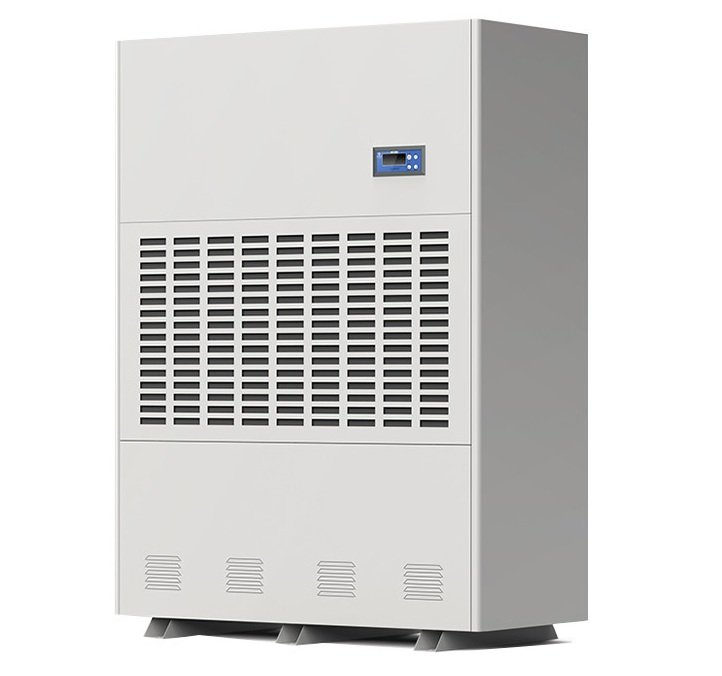
Jednostka klimatyzacyjna utrzymująca stałą temperaturę i wilgotność wykazywała słabą wydajność chłodzenia podczas pracy obu sprężarek. Badanie skupiło się na przegrzaniu wylotu parownika i działaniu TXV.
Chłodziwo: R410a
Kontrola i diagnoza
Wstępne kontrole wykazały odpowiednią ilość czynnika chłodniczego i brak blokady filtra. Pomiary temperatury i ciśnienia wykazały wysokie przegrzanie na wylocie parownika, co sugerowało niewystarczający przepływ czynnika chłodniczego w stosunku do obciążenia parownika.
Technik przejrzał te ustalenia przed wyregulowaniem zaworów TXV.
Regulacja TXV
Technik wyregulował TXV, aby zmniejszyć nadmierne przegrzanie, pozwoliło systemowi się ustabilizować, oraz zapisane kolejne odczyty temperatury i ciśnienia.
W ocenie porównano przegrzanie robocze przed i po regulacji, zamiast opierać się wyłącznie na ciśnieniu ssania.
Przegrzanie przed i po regulacji
Poniższa tabela podsumowuje pomiary dla obu obiegów chłodniczych.
| Przedmiot | Temp. na wylocie parownika (°C) | Ciśnienie wylotowe powietrza ze sprężarki (kg/cm2) | Znamionowa temperatura ciśnienia wylotowego powietrza ze sprężarki(°C) | Przegrzać(°C) | Przegrzanie spełnia żądanie, czy nie |
|---|---|---|---|---|---|
| Manufacturer's debug standard value | <14 | 4.5~6 | 2.5~11 | 5~8 | Tak |
| (#1 kompresor) przed debugowaniem | 21.0 | 3.2 | -5.0 | 26.0 | NIE |
| (#1 kompresor) po debugowaniu | 12.3 | 5.0 | 5.8 | 6.5 | Tak |
| (#2 kompresor) przed debugowaniem | 20.5 | 4.0 | 0.0 | 20.5 | NIE |
| (#2 kompresor) po debugowaniu | 13.9 | 5.2 | 6.0 | 7.9 | Tak |
Po regulacji, Przegrzanie wylotu spadło z 26.0 K. do 6.5 K w Obwodzie 1 i od 20.5 K. do 7.9 K w Obwodzie 2.
Wyniki te pokazują niższe przegrzanie wylotu w obu obwodach w zarejestrowanych warunkach testowych.
Porównanie temperatury powietrza
Poniższa tabela porównuje temperaturę powietrza przed i po regulacji.
| Przedmiot | Wylot powietrza z klimatyzacji | Wylot powietrza z klimatyzacji | Wlot powietrza klimatyzacji | Wlot powietrza klimatyzacji | Różnica temperatur pomiędzy wlotem i wylotem powietrza |
|---|---|---|---|---|---|
| Jednostka | Temp (°C) | Wilgotność (%) | Temp (°C) | Wilgotność (%) | (°C) |
| Przed debugowaniem | 22.5 | 54.8 | 16.8 | 75.4 | 5.7 |
| Po debugowaniu | 22.5 | 54.8 | 14.3 | 84.3 | 8.2 |
Różnica temperatur pomiędzy dwoma punktami pomiaru powietrza wzrosła od 5.7 K. do 8.2 K. Cieplejszy punkt pozostał na poziomie 22.5°C, podczas gdy chłodniejszy punkt spadł z 16.8°C do 14,3°C.
Wyniki i ograniczenia zastosowań
Zarejestrowane wyniki pokazują niższe przegrzanie na wylocie parownika i większą różnicę temperatur powietrza po regulacji TXV.
Jednakże, same te odczyty nie określają ilościowo przyrostu wydajności chłodniczej ani oszczędności energii. Takie wnioski wymagają dodatkowych pomiarów, łącznie z przepływem powietrza, wilgotność i zużycie energii w porównywalnych warunkach.
Końcowe wartości przegrzania dotyczą tylko tego przypadku. Podczas oceny innych systemów należy przestrzegać wymagań producenta sprzętu.
Typowe objawy TXV i kontrole rozwiązywania problemów
Wykorzystuj objawy do kierowania inspekcją, a nie do samodzielnego identyfikowania uszkodzonego komponentu.
| Objaw | Możliwe przyczyny | Kontrole priorytetowe |
|---|---|---|
| Wysokie przegrzanie i słabe chłodzenie | Niewystarczający dopływ cieczy, ograniczenie, nieprawidłowa wydajność zaworu lub błędne sprzężenie zwrotne | Sprawdź pomiary; sprawdź dopływ płynu, Filtrowy, żarówka i korektor |
| Niskie przegrzanie | Nadmierne karmienie, niskie obciążenie, słaby przepływ powietrza lub problemy z żarówkami | Sprawdź obciążenie, Fani, stan mrozu i cebul przed regulacją |
| Zmienne przegrzanie i ciśnienie ssania | Polowanie, zmieniające się obciążenie, nieprawidłowy dobór zaworu lub problemy z instalacją | Rejestruj trendy operacyjne; sprawdź przepływ powietrza, obciążenie, dobór zaworu i montaż żarówki |
| Niskie ciśnienie ssania po wymianie TXV | Pozostałe ograniczenie lub niezgodny zawór/kryza | Potwierdź kompatybilność czynnika chłodniczego, model zaworu, stan kryzy i linii cieczy |
| Mała reakcja na regulację | Ograniczenie dostaw, błąd sprzężenia zwrotnego, uszkodzenie zaworu lub praca poza zakresem zaworu | Sprawdź ponownie stan systemu i postępuj zgodnie z procedurą diagnostyczną właściwą dla modelu |
Ogłoszenie: Wysokie przegrzanie nie oznacza automatycznie niskiego ładunku czynnika chłodniczego. Niskie ciśnienie ssania nie oznacza automatycznie awarii TXV.
Przed wymianą zaworu należy zawsze ocenić szerszy system.
Jeśli diagnoza potwierdzi, że konieczna jest wymiana, skorzystaj z naszego Przegląd producentów TXV do odkrywania marek, następnie sprawdź u dostawcy dokładny model i zastosowanie.
Często zadawane pytania dotyczące regulacji TXV
Pytanie 1. Czy niższe przegrzanie zawsze poprawia chłodzenie?
NIE. Dąż do stabilnej pracy w granicach producenta sprzętu, nie najniższy możliwy odczyt.
Bardzo niskie przegrzanie może wskazywać na nadmierne zasilanie lub problem z obciążeniem i może zwiększać ryzyko powodzi.
Pytanie 2. Czy każdy nowy TXV wymaga regulacji?
NIE. Najpierw sprawdź model zaworu, instalacja, dostarczanie cieczy i wydajność operacyjna.
Dostosuj tylko wtedy, gdy odczyty uzasadniają zmianę, a zawór pozwala na regulację w terenie.
Pytanie 3. Samo ciśnienie ssania może potwierdzić prawidłowe działanie TXV?
NIE. Ocenić ciśnienie ssania w zależności od rodzaju czynnika chłodniczego, temperatura linii ssawnej, obciążenie, przepływ powietrza i dostarczanie cieczy.
Pytanie 4. Kiedy należy wymienić TXV?
Najpierw wyklucz pomiar, instalacja, problemy z dostawą i obciążeniem. Rozważ naprawę lub wymianę, jeśli kontrole specyficzne dla modelu potwierdzą uszkodzenie elementu lub nieodpowiedni zawór. Postępuj zgodnie z zaleceniami serwisowymi producenta.
Jakie informacje należy podać w celu uzyskania pomocy technicznej?
Pełne informacje terenowe pomogą Twojemu dostawcy odróżnić usterkę zaworu od usterki instalacji, problemy z zaopatrzeniem i pomiarami.
| Informacja | Co zapewnić |
|---|---|
| Identyfikacja zaworu | Zdjęcie tabliczki znamionowej, identyfikacja modelu i otworu |
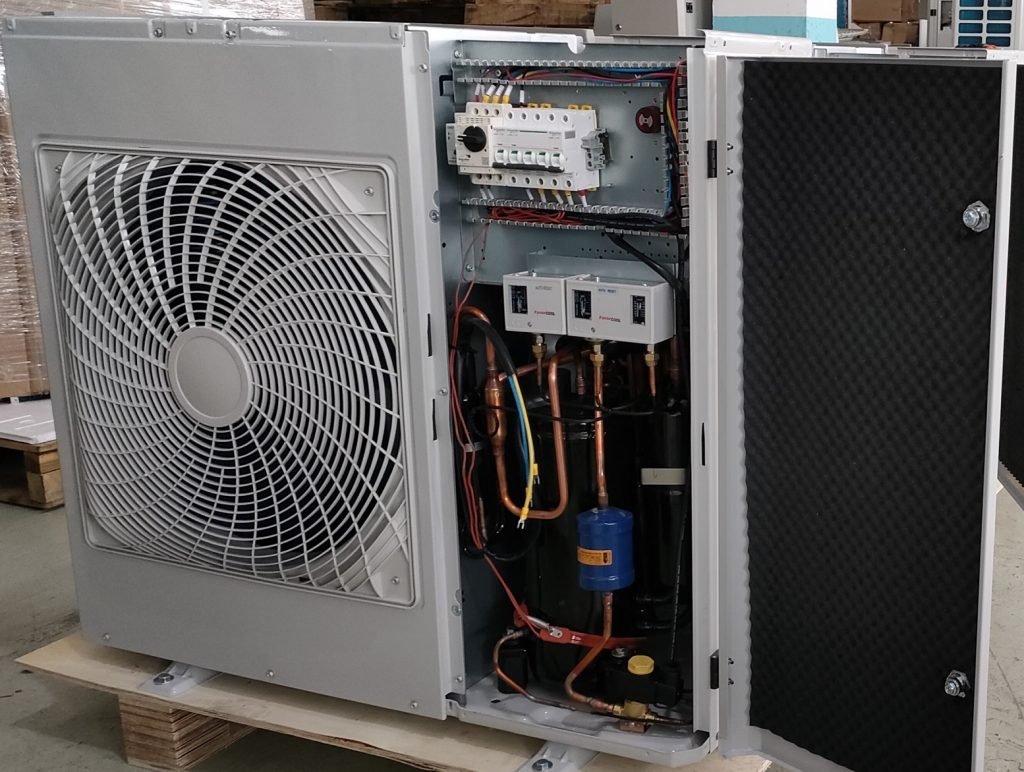
| Szczegóły systemu | Chłodziwo, modele parowników i agregatów skraplających |
| Zdjęcia instalacyjne | Czujna żarówka, połączenie wyrównawcze i rurociągi cieczy |
| Warunki pracy | Temperatura pokojowa, etap działania i czas wystąpienia usterki |
| Pomiary | Ciśnienie, temperatura rury i przegrzanie, z lokalizacjami testowymi |
| Historia serwisu | Ostatnie zamienniki, prace związane z ładowaniem i regulacją zaworów |
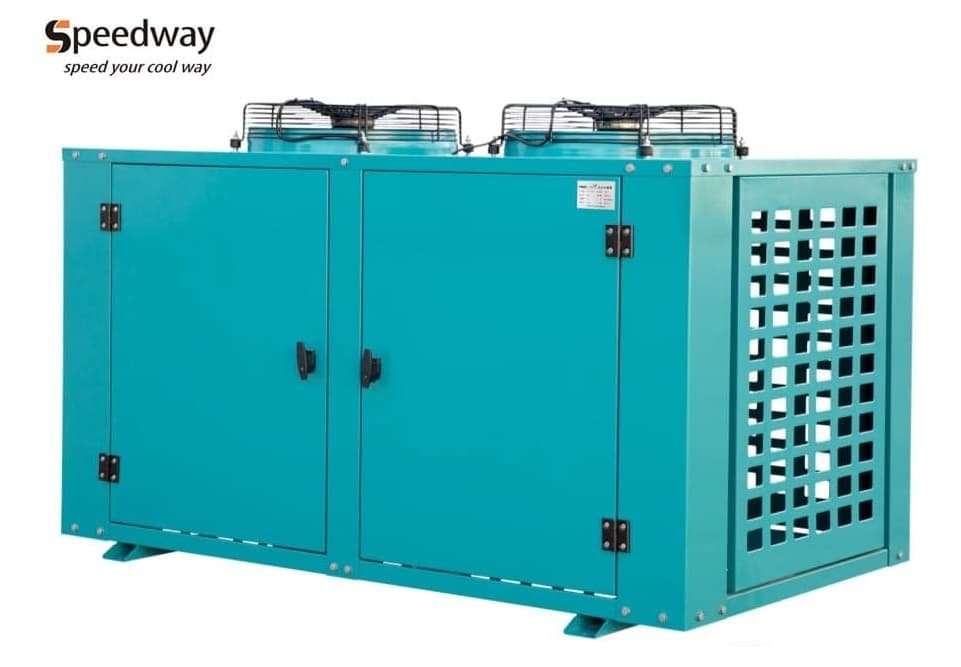
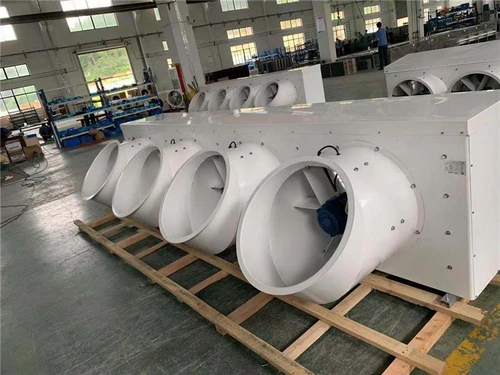
Żądając TXV, parownik lub wspornik akcesoriów chłodniczych Grupa Chłodnicza Żużlowa, podaj te szczegóły, aby nasz zespół mógł sprawdzić wniosek i spełnić wymagania.
Wniosek
Skuteczne rozwiązywanie problemów z TXV zaczyna się od wiarygodnych pomiarów, prawidłowe sprzężenie zwrotne i odpowiedni dopływ cieczy — a nie stała liczba obrotów regulacyjnych.
Sprawdź odczyty, sprawdź warunki systemu, następnie zdecyduj, czy chcesz się dostosować, naprawić lub wymienić zawór.
Zachowaj zapisy przed i po, aby ułatwić uruchomienie, przekazanie i przyszłą obsługę.