최적의 솔루션 공유, 전문 HVACR 지식 및 산업 뉴스

TXV 기능, 과열도 조정 및 문제 해결

목차

Slow cooling, low suction pressure and unstable refrigerant flow often lead technicians to suspect the thermostatic expansion valve. 하지만, these symptoms don’t always indicate a faulty TXV or justify an adjustment.

Before adjusting the valve, verify your measurements, evaporator load and liquid supply. This guide explains TXV operation, superheat measurement and practical troubleshooting for direct-expansion cold rooms and air-conditioning systems.

알아채다: Only qualified technicians should service pressurized refrigeration systems, electrical equipment and refrigerants. Follow the equipment and valve manufacturers’ instructions and operating limits.

What Does Thermostatic Expansion Valve Do?

A thermostatic expansion valve, or TXV/TEV, meters refrigerant into the evaporator. It performs two main functions:

기능 목적
Throttling Reduces refrigerant pressure and delivers a low-pressure liquid–vapor mixture to the evaporator
Flow regulation Adjusts refrigerant flow in response to evaporator outlet superheat

Proper flow control helps the evaporator use its heat-transfer surface effectively and reduces the risk of liquid refrigerant returning to the compressor. 하지만, TXV doesn’t replace other floodback protection measures.

A TXV regulates evaporator outlet superheat—not room temperature directly. Opening the valve further doesn’t necessarily improve cooling.

TXV의 특징

How Does TXV Work?

TXV uses sensing bulb, 모세관, diaphragm, spring and valve needle.

The sensing bulb tracks the suction-line temperature near the evaporator outlet. Its internal charge develops pressure and transmits that pressure through the capillary tube to the diaphragm.

TXV diagram showing sensing bulb pressure, equalizer pressure and spring force

3 main forces control valve movement:

Input Main effect
Sensing bulb pressure Pushes the valve toward opening
Equalizer pressure Pushes the valve toward closing
Spring force Pushes the valve toward closing and influences the superheat setting

Within its intended operating range, the TXV increases refrigerant flow as outlet superheat rises and reduces flow as superheat falls.

This control process remains dynamic. Changes in load, liquid supply and operating conditions can affect pressure, temperature and valve response.

Internally vs. Externally Equalized TXVs

The main difference concerns the pressure source that acts beneath the diaphragm.

유형 Pressure source Application consideration
Internally equalized Valve outlet, through an internal passage Suitable where the evaporator pressure drop remains within the manufacturer’s limit
Externally equalized Near the evaporator outlet, through an external line Accounts for pressure drop through the evaporator and distributor

A significant pressure drop creates a difference between valve outlet pressure and evaporator outlet pressure. Follow the equipment manufacturer’s requirements when choosing the equalization method.

The external equalizer provides essential pressure feedback. Never cap it or omit its connection.

How to Measure and Calculate Superheat?

Superheat measures how far refrigerant vapor temperature exceeds its saturation temperature at the same pressure.

Evaporator outlet superheat = outlet vapor temperature − saturation temperature at outlet pressure

In field measurements, a firmly attached and insulated temperature probe uses suction-pipe surface temperature to approximate refrigerant vapor temperature.

Don’t substitute evaporator discharge-air temperature or room temperature for suction-line temperature. Match the temperature measurement with the pressure at that location.

Evaporator outlet superheat measurement using local suction pressure and pipe temperature

Superheat Calculation Example

The following example illustrates the calculation only. It does not represent a field case or a recommended setting.

Assume the correct refrigerant pressure–temperature data gives these values:

Measurement
Saturation temperature at evaporator outlet pressure −10°C
Suction-line temperature at the same location −4°C
Calculated superheat 6 케이

Superheat = −4 − (−10) = 6 케이

A temperature difference of 6 K equals a difference of 6°C. 하지만, ㅏ 6 K reading alone doesn’t prove correct operation. Compare the result with the equipment manufacturer’s target range and test conditions.

Dew Point vs. Bubble Point

For refrigerant blends with temperature glide, pressure–temperature charts may show both dew-point and bubble-point values.

Calculation Temperature reference
Vapor superheat Dew point
Liquid subcooling Bubble point

Don’t use bubble-point or mean evaporating temperature to calculate vapor superheat.

Evaporator Outlet vs. Compressor Inlet Superheat

These measurements serve different purposes:

Measurement location 주요 목적
Evaporator outlet Evaluate TXV superheat control
Compressor inlet Check compressor suction conditions

The suction line can absorb heat and introduce pressure loss between these locations.

If you measure pressure only at the compressor, assess the suction-line pressure drop before combining that reading with the evaporator outlet temperature.

What to Check Before Adjusting a TXV?

Abnormal superheat starts the investigation. It doesn’t automatically justify turning the adjustment stem.

1.Verify Measurement Accuracy

Confirm the following:

  • Correct refrigerant selection in the gauge or pressure–temperature tool
  • Consistent pressure units and gauge/absolute pressure settings
  • Firm temperature-probe contact and protection from ambient heat
  • Matching pressure and temperature measurement locations
  • Readings from the same operating period

A digital tool can simplify calculations, but it can’t correct the wrong refrigerant selection or measurement location.

2.Check Evaporator Heat Transfer

Inspect the fans, 코일 청결도, frost buildup and airflow path. For air-conditioning systems, also check filters and actual airflow.

Correct airflow and heat-transfer problems before adjusting the valve. TXV adjustment can’t compensate for a blocked coil or failed fan.

3.Check Liquid Supply

Inspect refrigerant charge and liquid supply conditions, liquid-line subcooling, and possible restrictions in the filter-drier, valves or piping.

TXV needs adequate liquid refrigerant at its inlet. Changing its superheat setting can’t correct an upstream supply problem.

4.Check the Sensing Bulb and Equalizer

Confirm proper bulb contact, secure mounting, insulation and protection from external heat sources. Check the external equalizer connection and look for damage or restrictions.

Follow the specific valve model’s installation requirements. Correct feedback problems before judging the valve setting.

5.Identify the Operating Stage

Record whether the system has just started, is pulling down temperature, is approaching setpoint or is recovering from defrost.

Don’t compare readings from different operating stages as though they represent the same load. Avoid repeated adjustments based on a single snapshot.

Use a consistent field record:

Record 세부
장비 냉각제, TXV model and evaporator model
Operating conditions Time, room temperature and operating stage
Measurements Test locations, 압력, pipe temperature and superheat
Observations 냉각 성능, frost condition and fault symptoms
Changes Adjustment direction, amount and follow-up readings

How to Adjust TXV Superheat?

단계 1: Confirm Adjustability

Not every TXV allows field adjustment.

Check the model documentation for the adjustment method, access point and permitted range.

Different valve series can have different sensitivities per turn. Don’t copy the adjustment amount from another model.

단계 2: Establish the Correct Target

Don’t apply one universal superheat setting to cold rooms, low-temperature freezers and air conditioners.

확인하다:

  • Equipment manufacturer’s target and measurement location
  • Valve’s application range
  • Compressor’s suction-condition limits
  • Load conditions for testing.

Also distinguish static superheat from operating superheat. The valve’s static setting doesn’t necessarily equal the superheat you should measure under load.

단계 3: Make Small, Model-Specific Adjustments

Many adjustable TXVs use the following directions:

Direction Typical setting change
Clockwise Increases superheat setting
Counterclockwise Decreases superheat setting

Confirm the direction and adjustment increment in the valve manual.

These directions describe the setting change—not a guaranteed operating response. Other system faults may prevent the expected result.

단계 4: Allow the System to Stabilize

Record each adjustment and allow the system to rebalance before making another change.

A 10–15-minute observation period provides a useful starting point for many applications, but follow the equipment instructions and actual operating response. Elapsed time alone does not prove stability.

If repeated adjustments produce no reasonable response, stop turning the stem. Recheck liquid supply, sensing-bulb feedback, equalizer condition, restrictions and valve compatibility.

단계 5: Verify Overall Performance

Don’t finish commissioning based on one acceptable superheat reading.

Confirm that:

  • Pressure and temperature trends stabilize
  • Cooling performance meets the application requirements
  • The system shows no signs of floodback or compressor protection trips
  • The valve maintains acceptable control as the load changes

If abnormal operation continues, stop further trial adjustments and follow the equipment troubleshooting procedure.

TXV Adjustment Case Study: Before-and-After Results

System and Cooling Problem

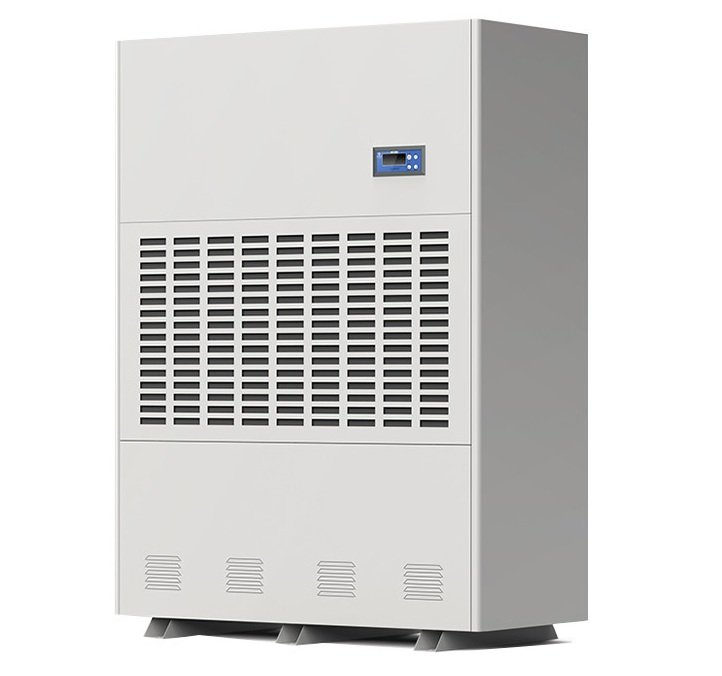
A constant-temperature-and-humidity air-conditioning unit showed poor cooling performance while both compressors operated. The investigation focused on evaporator outlet superheat and TXV operation.

냉각제: R410a

Inspection and Diagnosis

Initial checks indicated adequate refrigerant charge and no filter blockage. Temperature and pressure measurements showed high evaporator outlet superheat, which suggested insufficient refrigerant flow relative to the evaporator load.

The technician reviewed these findings before adjusting the TXVs.

TXV Adjustment

The technician adjusted the TXVs to reduce excessive superheat, allowed the system to stabilize, and recorded follow-up temperature and pressure readings.

The assessment compared operating superheat before and after adjustment rather than relying on suction pressure alone.

Superheat Before and After Adjustment

The following table summarizes the measurements for both refrigeration circuits.

증발기 출구 온도 (°C)압축기 공기 출구 압력 (kg/cm2)압축기 공기 출구 압력을위한 조정 온도(°C)과열(°C)과열 요청을 충족 시키십시오
제조업체의 디버그 표준 값< 144.5~62.5~115~8
(#1 압축기) 디버그 전에
21.03.2-5.026.0아니요
(#1 압축기) 디버그 후12.35.05.86.5
(#2 압축기) 디버그 전에
20.54.00.020.5아니요
(#2 압축기) 디버그 후13.95.26.07.9

After adjustment, outlet superheat decreased from 26.0 K to 6.5 케이 in Circuit 1 and from 20.5 K to 7.9 케이 in Circuit 2.

These results show lower outlet superheat in both circuits under the recorded test conditions.

Air-Temperature Comparison

The following chart compares the air temperatures before and after adjustment.

에어컨 에어 아울렛에어컨 에어 아울렛에어컨 공기 입구에어컨 공기 입구공기 흡입구와 출구 사이의 온도 간격
단위온도 (°C)습기 (%)온도 (°C)습기 (%)(°C)
디버그 전에22.554.816.875.45.7
디버그 후22.554.814.384.38.2

The temperature difference between the two air measurement points increased from 5.7 K to 8.2 케이. The warmer point remained at 22.5°C, while the cooler point decreased from 16.8°C to 14.3°C.

Results and Application Limits

The recorded results show lower evaporator outlet superheat and a larger air-temperature difference after TXV adjustment.

하지만, these readings alone don’t quantify cooling-capacity gains or energy savings. Such conclusions require additional measurements, including airflow, humidity and power consumption under comparable conditions.

The final superheat values apply to this case only. Follow the equipment manufacturer’s requirements when evaluating other systems.

Common TXV Symptoms and Troubleshooting Checks

Use symptoms to guide inspection—not to identify a failed component on their own.

Symptom 가능한 원인 Priority checks
High superheat and poor cooling Inadequate liquid supply, restriction, incorrect valve capacity or faulty feedback Verify measurements; check liquid supply, 필터 건조기, bulb and equalizer
Low superheat Excessive feeding, low load, poor airflow or bulb problems Check load, 팬, frost and bulb condition before adjusting
Fluctuating superheat and suction pressure Hunting, changing load, incorrect valve sizing or installation problems Log operating trends; check airflow, 짐, valve selection and bulb mounting
Low suction pressure after TXV replacement Remaining restriction or incompatible valve/orifice Confirm refrigerant compatibility, valve model, orifice and liquid-line condition
Little response to adjustment Supply restriction, feedback failure, valve damage or operation outside the valve’s range Recheck system conditions and follow the model-specific diagnostic procedure

High superheat doesn’t automatically mean low refrigerant charge. Low suction pressure doesn’t automatically mean a failed TXV.

Always evaluate the wider system before replacing the valve.

TXV Adjustment FAQs

Q1.Does Lower Superheat Always Improve Cooling?

아니요. Aim for stable operation within the equipment manufacturer’s limits, not the lowest possible reading.

Very low superheat can indicate overfeeding or a load problem and may increase floodback risk.

Q2.Does Every New TXV Need Adjustment?

아니요. First verify the valve model, 설치, liquid supply and operating performance.

Adjust only when the readings justify a change and the valve permits field adjustment.

Q3.Can Suction Pressure Alone Confirm Correct TXV Operation?

아니요. Evaluate suction pressure alongside refrigerant type, suction-line temperature, 짐, airflow and liquid supply.

Q4.When Should You Replace a TXV?

First rule out measurement, 설치, supply and load problems. Consider repair or replacement when model-specific checks confirm component damage or an unsuitable valve. Follow the manufacturer’s service recommendations.

What Information Should You Provide for Technical Support?

Complete field information helps your supplier distinguish valve faults from installation, supply and measurement problems.

정보 무엇을 제공해야 할까요?
Valve identification Nameplate photo, model and orifice identification
System details 냉각제, evaporator and condensing-unit models
Installation photos Sensing bulb, equalizer connection and liquid piping
Operating conditions 실온, operating stage and fault timing
Measurements Pressure, pipe temperature and superheat, with test locations
Service history Recent replacements, charging work and valve adjustments

When requesting TXV, evaporator or refrigeration-accessory support from Speedway Refrigeration Group, include these details so our team can review the application and matching requirements.

결론

Effective TXV troubleshooting starts with reliable measurements, correct feedback and adequate liquid supply—not a fixed number of adjustment turns.

Verify the readings, check system conditions, then decide whether to adjust, repair or replace the valve.

Keep before-and-after records to support commissioning, handover and future service.

페이스북
트위터
링크드인
레딧
인쇄
사진 빅 청
빅 청

안녕, 나는 빅이다! 이후 HVACR 분야에서 작업 시작 2008, 우리의 주요 제품 포함: 공기 조절, 추운 방, 제빙기, 상업용 탈수기, 제습기, 및 액세서리. 차이나 스피드웨이 그룹에 합류한 이후 2012, 나는 여기서 일했어요 10+ 연령, 수출 부서의 총책임자로, 우리는 설립 50+ 다른 국가 및 지역의 에이전트.
우리의 경험과 강력한 기술 지원으로, 우리는 당신이 한 번 당신의 문제를 해결할 수 있습니다, 그리고 우리의 수석 엔지니어는 이후 HVACR 분야에서 일했습니다. 1997. 엔지니어뿐만 아니라 우리의 지식이 점점 더 대중화되고 있다는 사실이 자랑스럽습니다., 그리고 HVACR 사업의 신규 이민자를 위해, DIY 애호가. 당신이 우리의 기사를 즐기고 있기를 바랍니다, 질문이나 의견이 있으면 cn-beyond.com에서 저에게 마케팅을 보내주세요.

모든 게시물

회사 소개

차이나 스피드웨이 그룹 전문 HVACR 제품입니다’ 제조업체 및 도매업체, 우리는 다양한 HVACR 제품 및 예비 부품을 사용자 정의합니다., 특히 냉동 제품 및 부품. 에어컨과 같은, 냉동 장비, 찬 방 단위, 제빙기, 제습기, 부속품 (압축기, 열교환 기, 구리 코일, 밸브, 컨트롤 박스, 증발기) 등.

HVACR 분야에서 일한 이후 2010, 우리는 당신에게 독특한 제품과 솔루션을 제공할 수 있는 더 많은 경험을 가지고 있습니다., 또한 평생 무료 기술 지원을 제공합니다.. 귀하의 샘플에 대한 문의를 따뜻하게 환영합니다., 그림 또는 디자인, 우리의 목표는 귀하의 아이디어를 실현하고 귀하에게 혜택을 주는 것입니다..

또 뭔데, 고객을 위해, 우리는 다른 제품을 소싱할 것입니다, 공급업체 확인, 당신을 위한 무료 요금으로 그들과 협상하십시오.

사진 빅 청
빅 청

나는 이 글의 저자이다, 또한 수출 총괄 관리자 겸 마케팅 이사이기도 합니다. "중국 스피드 웨이", ~와 함께 15+ HVACR 업계에서의 다년간의 경험. 질문이 있으시면, 언제든지 나에게 연락해도 돼.

저자에 대한 추가 정보

문의하기

이메일 주소를 작성하시면 됩니다, 전화번호와 문의사항에 대한 간략한 설명을 이 양식에 기재하세요.. 이내에 연락드리겠습니다. 24 시간.

문의하기

우리와 함께 프로젝트를 시작할 준비가 되었습니다.?

귀하의 브랜드 평판을 높이기 위해 저희와 협력하십시오, 고객이 평생 기억할 인상적인 경험을 얻으십시오., 경쟁 시장에서 두각을 나타낼 수 있도록 도와드립니다. !

최고의 파트너를 놓치지 마세요!

우리와 함께 일할 준비가?

우리는 귀하의 아이디어나 제안을 바탕으로 우수한 냉동 제품을 맞춤화합니다. 2010