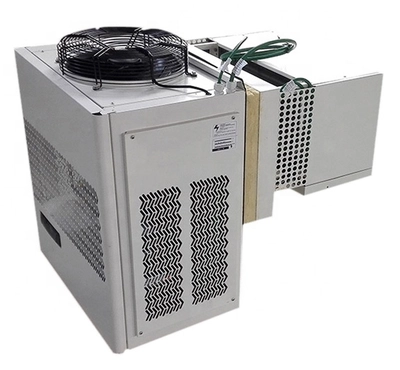
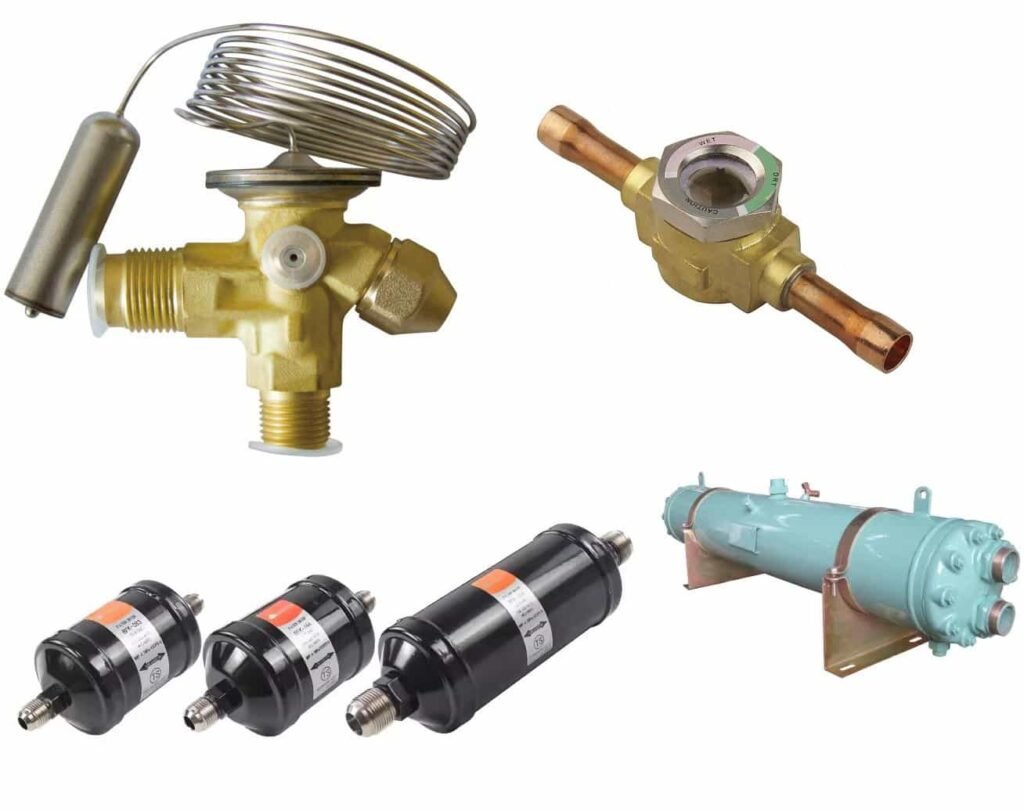
Reka bentuk storan sejuk bukan sekadar memilih unit penyejukan dan panel berpenebat. Penyelesaian yang baik harus sepadan dengan produk anda, volum simpanan, aliran kerja, iklim tempatan, dan rancangan perniagaan jangka panjang.
Jika anda mereka bentuk storan sejuk dengan baik dari awal, anda boleh melindungi kualiti produk, mengurangkan kos tenaga, meningkatkan kecekapan harian, dan elakkan perubahan yang mahal kemudiannya.
Apakah Cold Storage dan Mengapa Reka Bentuk Penting
Storan sejuk ialah ruang terkawal suhu yang digunakan untuk menyimpan produk mudah rosak atau sensitif suhu, seperti sayur-sayuran, buah-buahan, daging, makanan laut, produk tenusu, makanan sejuk beku, bunga, farmaseutikal, atau bahan kimia.
Reka bentuk yang baik adalah penting kerana ia memberi kesan:
-
Keselamatan produk
-
Prestasi penyejukan
-
Kos pembinaan
-
Penggunaan elektrik
-
Kecekapan operasi harian
-
Kemungkinan pengembangan masa depan
Storan sejuk yang direka dengan buruk mungkin masih "berjalan,” tetapi ia sering menyebabkan penyejukan perlahan, suhu tidak sekata, pembekuan yang kerap, bil tenaga yang tinggi, pemuatan dan pemunggahan yang sukar, dan masalah kualiti produk.
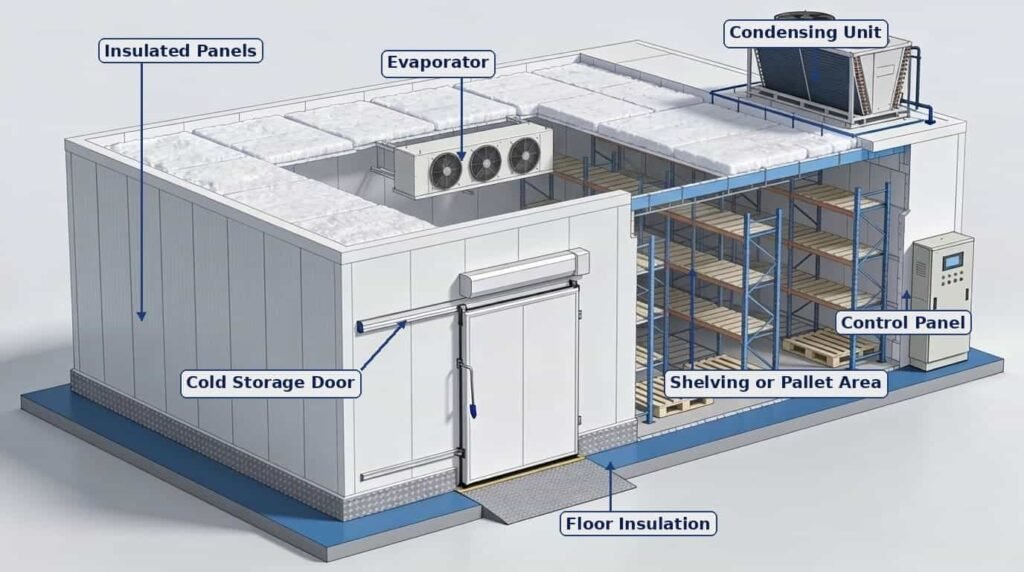
Keseluruhan Struktur Penyimpanan Sejuk
Apakah Maklumat Yang Anda Perlukan Sebelum Reka Bentuk
Sebelum anda mereka bentuk storan sejuk, kumpulkan data projek utama dahulu. Jika input salah atau tidak lengkap, reka bentuk, pemilihan peralatan, dan sebut harga juga akan menjadi tidak tepat.
Jika anda boleh memberikan maklumat di atas sebelum reka bentuk, pembekal storan sejuk biasanya boleh menawarkan penyelesaian yang lebih sesuai, elakkan saiz terlalu besar atau kecil, dan mengurangkan pengubahsuaian kemudian.
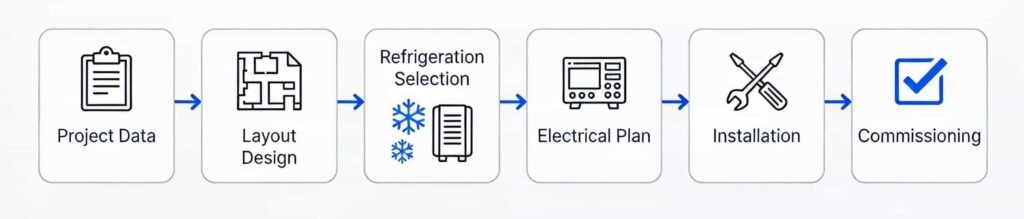
Carta Aliran Reka Bentuk Penyimpanan Sejuk
Cara Memilih Jenis Storan Sejuk Yang Tepat
Jangan mulakan dengan peralatan. Mulakan dengan aplikasi.
Projek storan sejuk yang berbeza mempunyai tujuan yang berbeza.
Jenis yang betul bergantung pada produk, suhu sasaran, dan aliran kerja.
Sebagai contoh: pengedar buah-buahan dan pemproses daging beku tidak memerlukan reka bentuk penyimpanan sejuk yang sama. Walaupun saiz bilik kelihatan serupa, julat suhu, Kawalan kelembapan, aliran udara, dan beban penyejukan mungkin sangat berbeza.
Jika anda menyimpan produk yang berbeza, jangan paksa semuanya ke dalam satu bilik. Itu sering menyebabkan masalah kualiti dan kos operasi yang lebih tinggi.
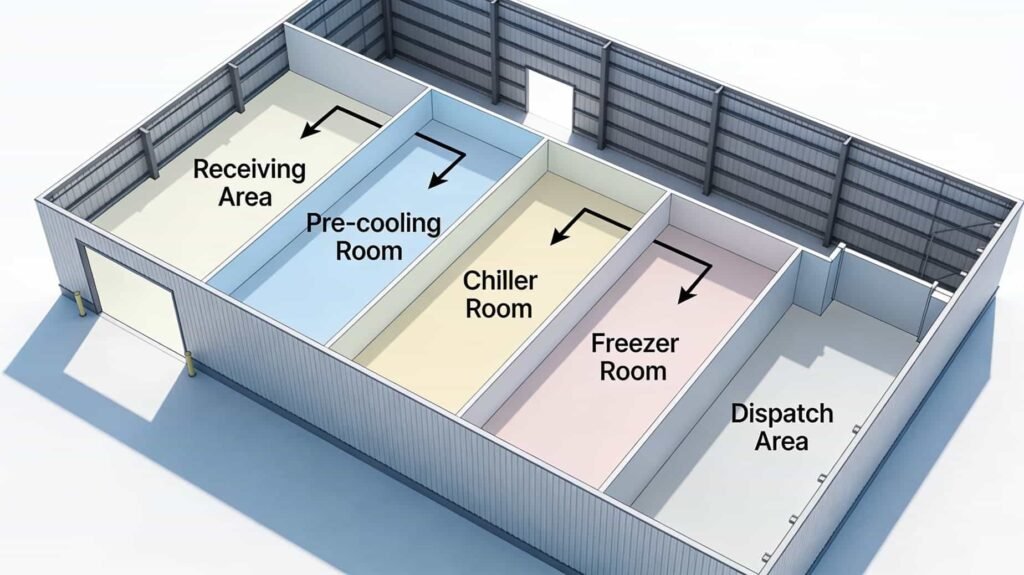
Pelan Susun Atur Penyimpanan Sejuk Zon Berbilang Suhu
Cara Menentukan Saiz dan Kapasiti Yang Tepat
Ramai pembeli bertanya satu soalan dahulu: “Seberapa besar simpanan sejuk saya?” Jawapannya bergantung pada lebih daripada jumlah storan.
Anda harus saiz bilik berdasarkan:
-
Stok maksimum, bukan stok biasa
-
Pembungkusan produk dan saiz palet
-
Ruang peredaran udara
-
Lebar lorong
-
Memuat dan memunggah ruang
-
Memilih atau menyusun ruang
-
Perluasan masa hadapan
Sebagai contoh: jika a bilik sejuk boleh tahan secara fizikal 100 palet tidak selalu berfungsi dengan baik 100 palet dibungkus rapat di dalamnya. Produk memerlukan aliran udara. Pekerja dan forklift juga memerlukan ruang untuk bergerak dengan selamat dan cekap.
Notis: Apabila anda merancang saiz, fikirkan bagaimana bilik itu akan beroperasi setiap hari, bukan hanya berapa banyak produk yang boleh disimpan di atas kertas.
Reka Bentuk Penyimpanan Sejuk dan Reka Bentuk Aliran Kerja
Storan sejuk yang baik bukan sahaja a bilik sejuk. Ia adalah sistem kerja.
Reka bentuk susun atur harus mengurangkan penambahan haba, meningkatkan kecekapan pemuatan, dan menyokong aliran produk yang lancar.
1. Kawasan penerimaan
Di sinilah produk mula-mula tiba. Jika barang suam masuk terus ke dalam bilik simpanan, suhu bilik mungkin turun naik dengan ketara.
2. Kawasan pra-penyejukan atau pementasan
Untuk beberapa produk, terutamanya buah-buahan, sayur-sayuran, daging segar, atau makanan yang diproses, kawasan pra-penyejukan membantu mengurangkan suhu produk sebelum penyimpanan akhir.
3. Kawasan simpanan utama
Ini adalah ruang storan teras. Ia harus direka mengikut kuantiti palet, jenis rak, dan kelajuan pusing ganti produk.
4. Kawasan pengambilan dan penghantaran
Jika produk kerap dipilih dan dihantar, zon penghantaran khusus membantu meningkatkan kecekapan dan mengurangkan pembukaan pintu yang tidak perlu.
Susun atur yang praktikal hendaklah mengikut laluan terpendek dan paling mudah:
Menerima → Pra-penyejukan → Penyimpanan → Memilih → Penghantaran
| Titik reka bentuk | Mengapa ia penting |
|---|---|
| Lokasi pintu | Mengurangkan jarak perjalanan yang tidak perlu |
| Lebar lorong | Memastikan pergerakan pekerja atau forklift selamat |
| Kedudukan penyejat | Menyokong pengedaran udara yang lebih baik |
| Bilik penampan / bilik depan | Mengurangkan udara panas memasuki bilik sejuk |
| Memuatkan sambungan dok | Meningkatkan kecekapan penghantaran |
| Arah aliran kerja | Mencegah kesesakan dan meningkatkan operasi |
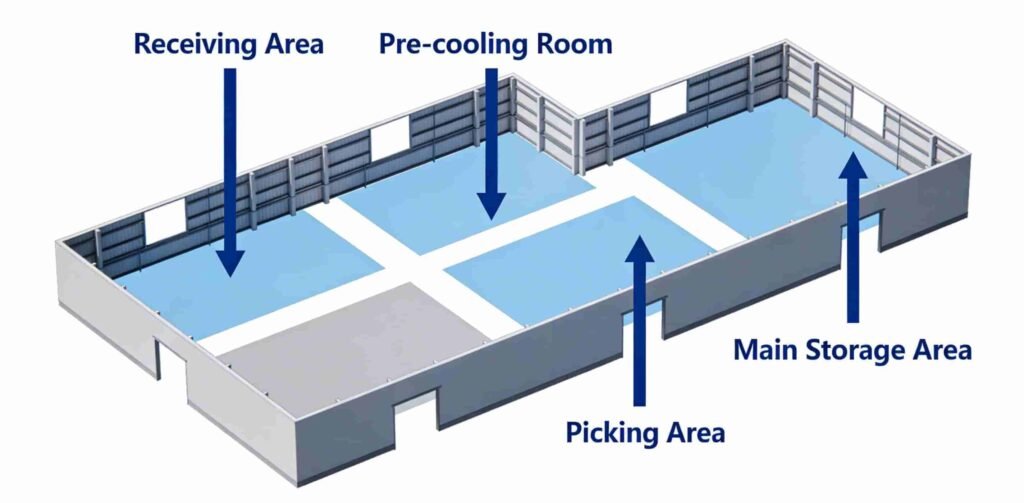
Susun Atur Bilik Sejuk
Notis: Jika produk kerap masuk dan keluar dari bilik, susun atur lebih penting lagi. Susun atur yang buruk boleh membazirkan tenaga kerja, meningkatkan penggunaan tenaga, dan melambatkan operasi setiap hari.
Suhu, Kelembapan, dan Keperluan Produk
Suhu adalah penting, tetapi ia bukan satu-satunya faktor.
Produk yang berbeza juga memerlukan kelembapan yang betul, aliran udara, dan kestabilan suhu. Jika anda mengabaikan butiran ini, bilik mungkin berjalan, tetapi produk mungkin masih kehilangan kualiti.
| produk | Suhu biasa | Kebimbangan kelembapan | Nota reka bentuk |
|---|---|---|---|
| Sayur-sayuran | 0°C hingga 8°C | Biasanya penting | Elakkan dehidrasi yang berlebihan |
| buah-buahan | Bergantung pada jenis | penting | Sesetengah buah sensitif terhadap suhu rendah |
| daging | Sekitar 0°C hingga 4°C(segar) atau -18°C hingga -25°C (beku) | Sederhana | Kebersihan dan suhu yang stabil adalah penting |
| Makanan laut | Biasanya suhu rendah atau beku | tinggi | Penyejukan pantas selalunya kritikal |
| tenusu | 2°C hingga 8°C | Sederhana | Suhu stabil adalah penting |
| Makanan sejuk beku | -18°C atau ke bawah | Kebimbangan yang lebih rendah | Kestabilan suhu adalah kunci |
Sebagai contoh: sayur-sayuran sering memerlukan kawalan kelembapan yang teliti untuk mengurangkan dehidrasi. Makanan sejuk beku biasanya memerlukan suhu rendah yang stabil lebih daripada kelembapan yang tinggi. Makanan laut segar mungkin memerlukan penyejukan segera selepas diproses.
Inilah sebabnya mengapa jenis produk harus membimbing reka bentuk dari awal.
Cara Memilih Panel Penebat, Lantai, dan Pintu
Sistem kepungan memainkan peranan utama dalam prestasi storan sejuk. Ia termasuk panel terlindung, sistem lantai, dan pintu.
1. Panel Tertebat
Panel berpenebat mengurangkan pemindahan haba dari luar ke dalam.
Jenis dan ketebalan panel yang betul bergantung pada suhu bilik, saiz bilik, iklim, dan bajet projek.
| Jenis bilik | Suhu biasa | Rujukan ketebalan panel biasa |
|---|---|---|
| Bilik penyejuk | 0°C hingga 8°C | 75~100mm |
| Bilik beku | Di bawah -18°C | 100~150mm |
| Pembekuan beku | Suhu yang sangat rendah | 200mm atau ke atas |
Jangan pilih panel mengikut harga sahaja! Prestasi penebat yang lebih rendah boleh meningkatkan kos elektrik selama bertahun-tahun.
2. Reka Bentuk Lantai
Lantai mesti menyokong beban yang dijangkakan dan kekal kering, stabil, dan mudah dibersihkan.
Untuk bilik penyejuk beku, reka bentuk lantai amat penting. Jika anda mengabaikan penebat lantai dan perlindungan kelembapan, anda mungkin menghadapi frost heave, retak lantai, atau masalah pemeluwapan kemudian.
Reka bentuk lantai yang baik harus dipertimbangkan:
-
Muatan kapasiti
-
Penebat
-
Penghalang kelembapan
-
Ketahanan permukaan
-
Saliran
-
Keperluan pembersihan
3. Pintu
Jenis pintu hendaklah sepadan dengan cara bilik beroperasi.
Notis: Sekiranya pintu bilik sejuk dibuka dengan kerap, pertimbangkan untuk menambah tirai udara atau bilik penampan, yang boleh mengurangkan kehilangan suhu dan meningkatkan kecekapan tenaga.
Cara Memilih Sistem Penyejukan
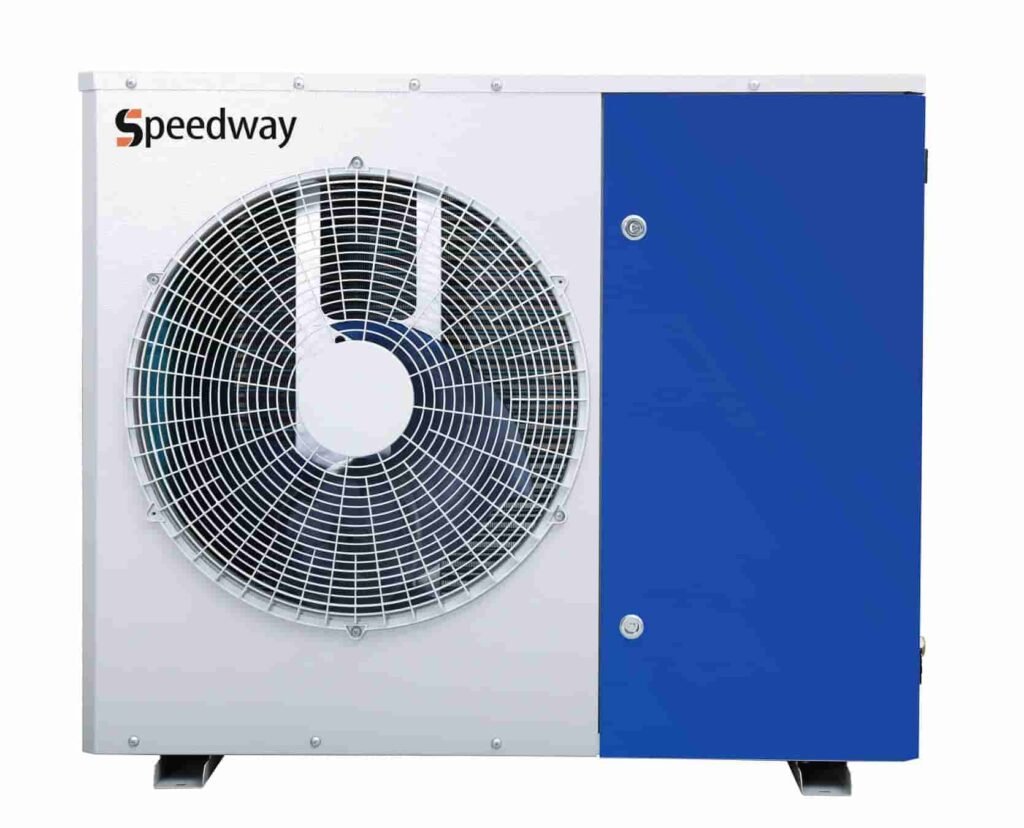
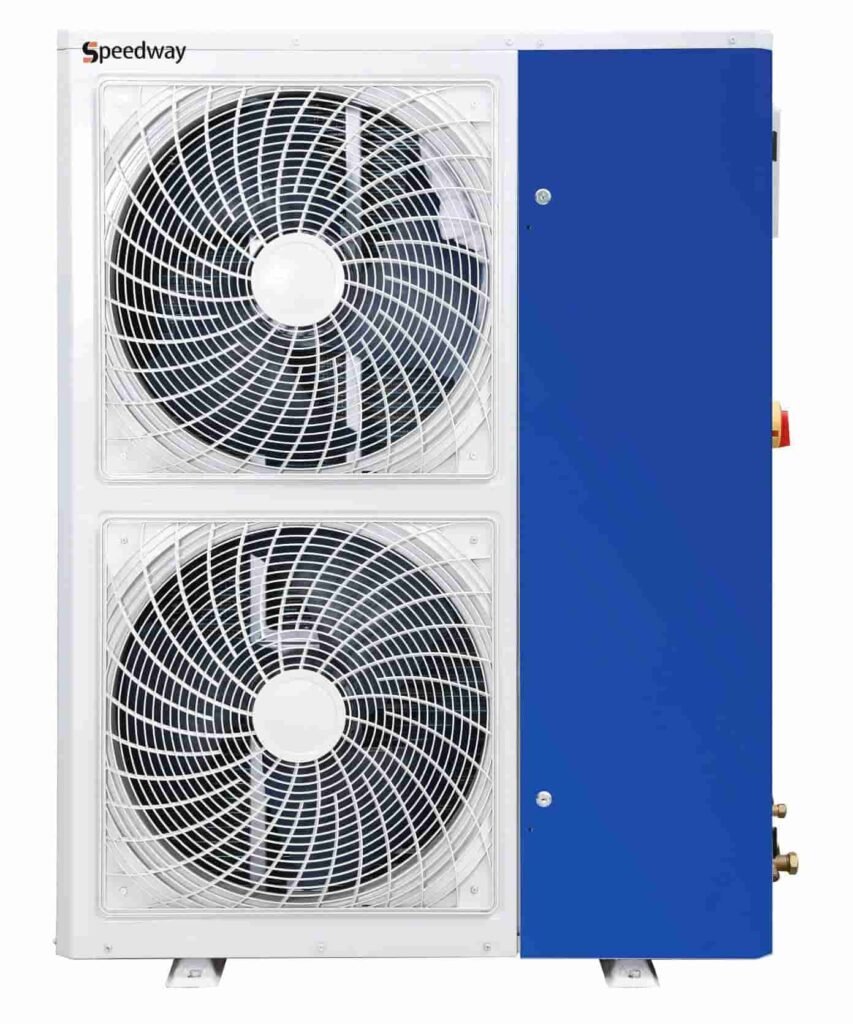
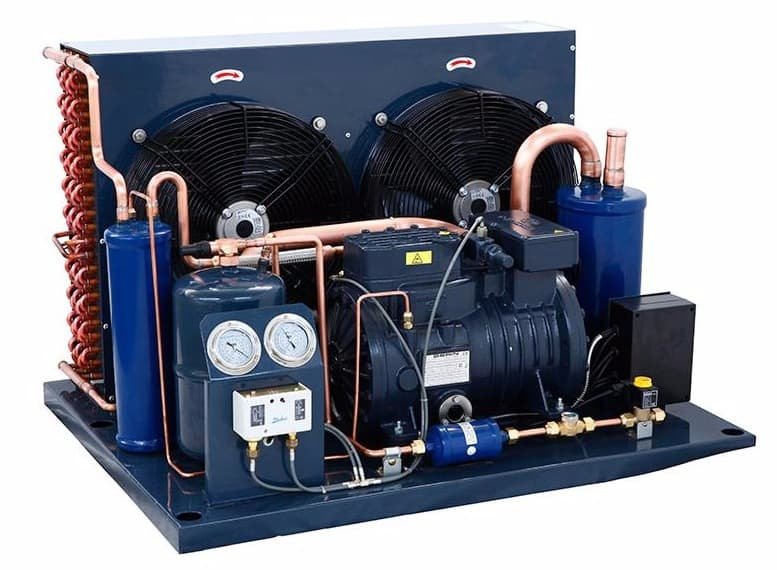
Sistem penyejukan adalah teras penyimpanan sejuk.
Tetapi sistem yang betul tidak selalunya yang terbesar atau yang paling mahal.
Pilihan yang baik bergantung pada:
-
Saiz bilik
-
Suhu sasaran
-
Jenis produk
-
Perolehan harian
-
Suhu masuk produk
-
Kelajuan penyejukan yang diperlukan
-
Suhu ambien
-
Syarat pemasangan
-
Keperluan perkhidmatan dan penyelenggaraan
-
Matlamat kecekapan tenaga
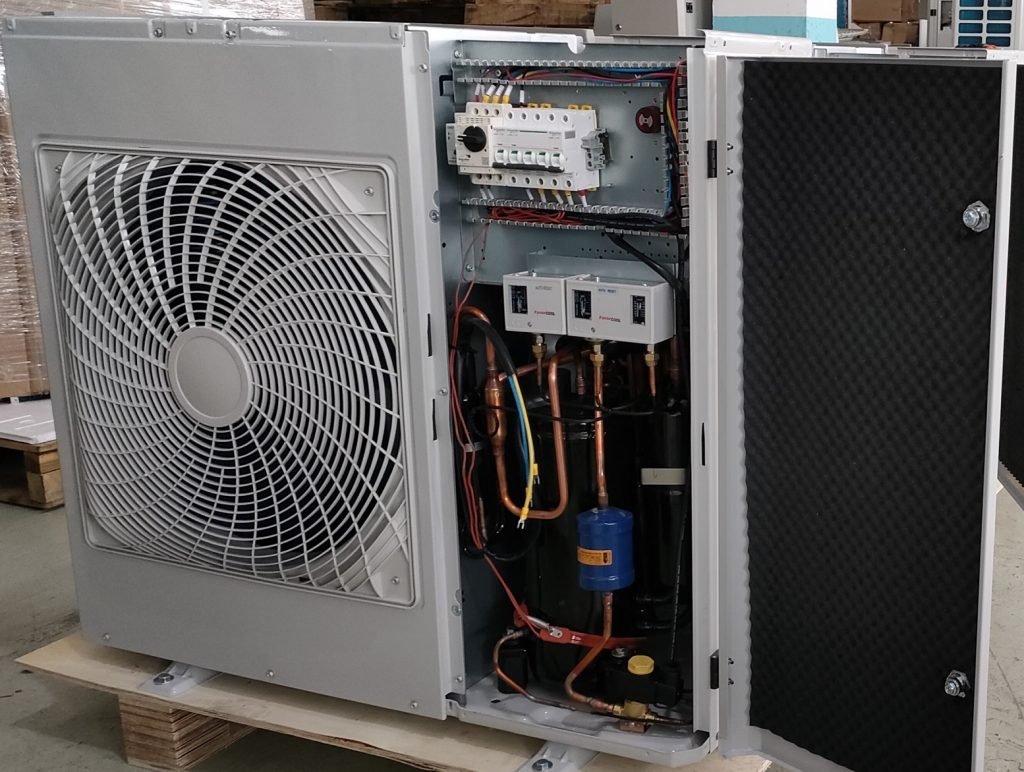
Bahagian sistem utama termasuk:
-
Pemampat
-
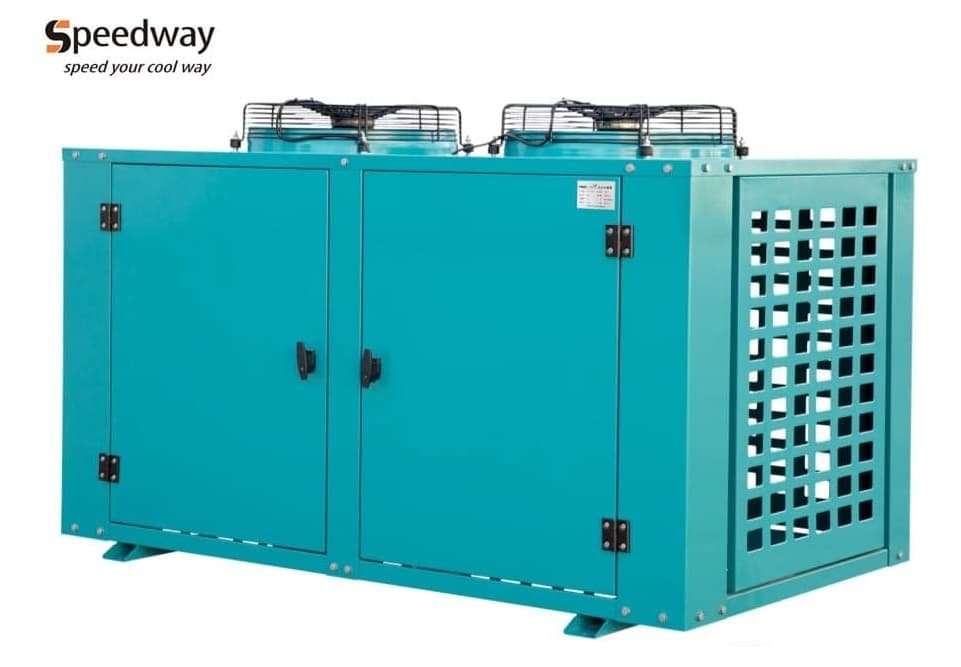
Unit pemeluwapan
-
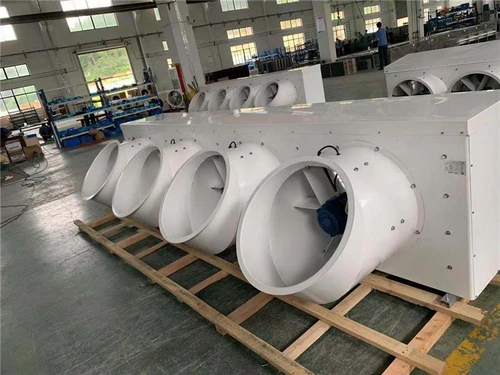
Penyejat
-
Bahan penyejuk
-
Kawalan nyahbeku
Jika pelanggan memerlukan pull-down yang cepat, kerap membuka pintu, atau beban harian yang berat, sistem harus mencerminkannya.
Jangan saiz peralatan mengikut dimensi bilik sahaja.
Kawalan Elektrik, Pemantauan, dan Sistem Penggera
Storan sejuk moden tidak seharusnya bergantung pada pemeriksaan manual sahaja.
Sistem kawalan yang betul membantu pengendali mengekalkan keadaan yang stabil, temui kesalahan lebih awal, dan mengurangkan risiko kehilangan produk.
Persediaan lengkap mungkin termasuk:
-
Pengawal suhu
-
Pemantauan kelembapan
-
Pencatat data
-
Penggera suhu tinggi/rendah
-
Penggera pembukaan pintu
-
Penggera kerosakan
-
Kawalan nyahbeku automatik
-
Kawalan pencahayaan
-
Pemantauan jauh
Untuk projek komersial, pemantauan jarak jauh amat berguna.
Ia membantu pengurus bertindak balas dengan lebih pantas apabila suhu meningkat, peralatan berhenti, atau pintu tetap terbuka terlalu lama, dan mengurangkan risiko kehilangan produk.
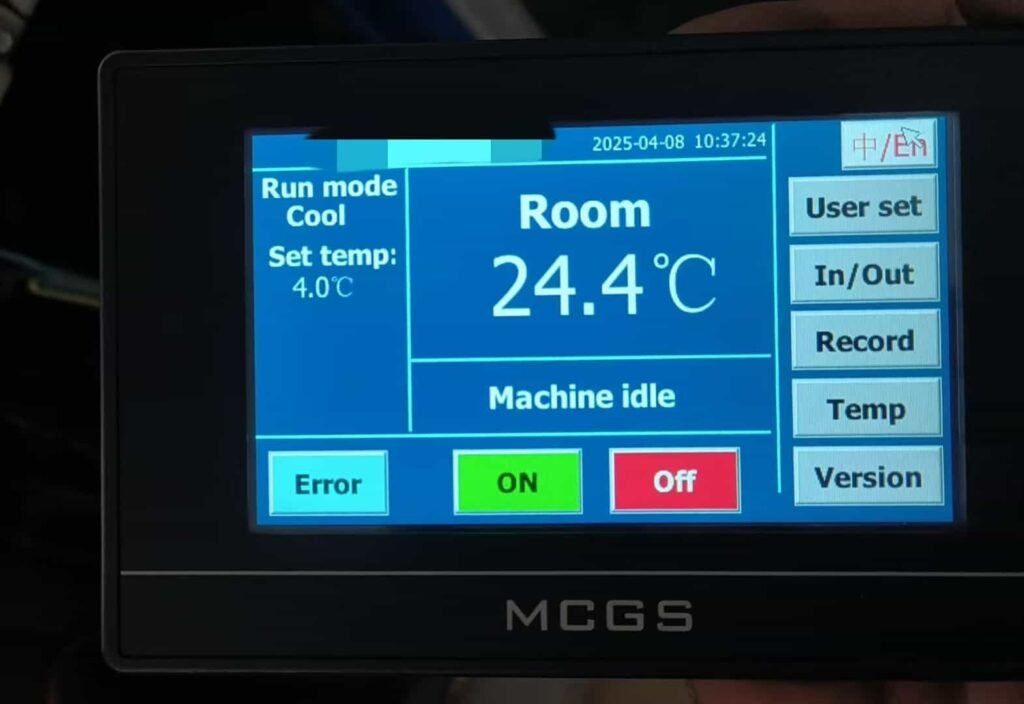
Pemantauan Jauh Digital
Penjimatan Tenaga dan Kawalan Kos Operasi
Ramai pembeli terlalu menumpukan pada harga pembelian dan tidak cukup pada kos berjalan jangka panjang.
Sistem yang murah mungkin lebih murah pada mulanya, tetapi penebat yang lemah, pengedap pintu yang lemah, saiz peralatan yang salah, atau logik kawalan yang lemah boleh menyebabkan bil elektrik yang tinggi dan lebih banyak masalah perkhidmatan kemudiannya.
Untuk mengurangkan kos operasi:
-
Gunakan penebat yang sesuai
-
Pilih pintu dengan pengedap yang baik
-
Kurangkan pembukaan pintu yang tidak perlu
-
Tambah bilik penampan apabila diperlukan
-
Pilih peralatan penyejukan yang cekap
-
Gunakan lampu LED
-
Pastikan laluan aliran udara bersih
-
Bersihkan penukar haba dengan kerap
-
Tetapkan suhu praktikal, tidak terlalu rendah
Reka bentuk storan sejuk yang baik harus mengimbangi pelaburan awal dan kos operasi jangka panjang.
Reka Bentuk Penyimpanan Sejuk oleh Industri: Rujukan Pantas
Cara Membina Cold Storage?
Pembinaan storan sejuk adalah projek teknikal. Ia termasuk kerja awam, pemasangan penebat, pemasangan penyejukan, kerja elektrik, saliran, dan pentauliahan akhir.
Satu proses biasa:
-
Sahkan keperluan projek
-
Sediakan susun atur dan reka bentuk teknikal
-
Semak keadaan tapak dan utiliti
-
Sediakan lantai dan struktur
-
Pasang panel dan pintu berpenebat
-
Pasang peralatan penyejukan
-
Pasang sistem kawalan elektrik dan penderia
-
Periksa pengedap, saliran, dan sambungan
-
Jalankan ujian pentauliahan
-
Selesaikan pemeriksaan akhir dan penyerahan
Setiap langkah penting. Malah peralatan berkualiti tinggi tidak akan berfungsi dengan baik jika kualiti pemasangan kurang baik.
Jika projek itu termasuk bilik penyejuk beku, pasukan harus memberi perhatian khusus kepada penebat lantai, perlindungan kelembapan, saliran, dan pengedap pintu.
Senarai Semak Pemasangan dan Pentauliahan
Sebelum penyerahan, memeriksa sistem dengan teliti. Senarai semak yang jelas membantu mengelakkan pertikaian antara pembekal, pemasang, kontraktor, dan pengguna akhir.
Jangan langkau larian percubaan. Operasi sebenar sering mendedahkan isu yang tidak jelas semasa pemasangan.
Kesilapan biasa untuk dielakkan
Banyak masalah penyimpanan sejuk bermula semasa perancangan, bukan semasa operasi.
Elakkan kesilapan biasa ini dalam projek penyimpanan sejuk:
-
Pilih saiz bilik mengikut keluasan lantai sahaja
-
Abaikan suhu masuk produk
-
Lupakan pengembangan masa depan
-
Campurkan produk dengan keperluan penyimpanan yang berbeza
-
Gunakan pintu yang terlalu kecil untuk keperluan pengendalian sebenar
-
Abaikan penebat lantai dalam bilik penyejuk beku
-
Kurang anggaran aliran udara dan pengudaraan
-
Pilih peralatan mengikut harga sahaja
-
Pasang tiada penggera atau pemantauan jauh
-
Jalankan sistem tanpa pelan penyelenggaraan
Kesilapan ini boleh menyebabkan suhu tidak stabil, penyejukan perlahan, penggunaan kuasa yang lebih tinggi, dan kerja semula yang mahal.
Soalan Lazim
S1: Sekiranya saya terlalu besar unit pemeluwapan jika negara saya mempunyai suhu musim panas yang sangat panas?
Jangan terlalu besar secara membuta tuli.
Saiz unit untuk beban haba sebenar dan keadaan ambien puncak setempat.
Dalam iklim panas, pilih model ambien tinggi atau keadaan reka bentuk yang sepadan dengan tapak anda, kerana penarafan standard mungkin tidak memegang kapasiti pada suhu luar yang tinggi.
S2: Bagaimana saya harus memilih rak jika saya bilik sejuk adalah untuk simpanan pusing ganti atau simpanan jangka panjang?
Pilih rak berdasarkan aliran produk.
Untuk simpanan perolehan tinggi, gunakan reka letak yang menyokong akses pantas dan pemilihan pantas; untuk penyimpanan jangka panjang, gunakan rak berketumpatan lebih tinggi untuk menjimatkan ruang.
Semak juga jenis palet, laluan forklift, lebar lorong, dan FIFO (Mula-mula masuk/dahulu keluar) atau LIFO (Terakhir masuk, keluar dulu) keperluan sebelum anda membuat keputusan.
S3: Adakah lantai memerlukan perlindungan anti-fros atau pemanasan lantai? Pada suhu berapa saya harus menganggapnya?
Untuk bilik penyejuk beku, anda harus serius mempertimbangkan perlindungan fros bawah lantai.
Setelah lantai dan tanah di bawah boleh membeku, anda berisiko tinggi beku, retak lantai, dan kerosakan struktur jangka panjang.
Dalam amalan, ini menjadi isu reka bentuk utama untuk aplikasi penyejuk beku subsifar, bukan hanya bilik sejuk biasa.
S4: Adakah tirai udara cukup jika pintu dibuka berpuluh-puluh kali sehari? Adakah saya memerlukan ante-room atau bilik penampan?
Tirai udara sahaja selalunya tidak mencukupi untuk lalu lintas yang sesak.
Jika bilik dibuka banyak kali sehari, terutamanya dalam iklim panas atau lembap, tambah bilik penampan, pintu laju, langsir jalur, atau gabungan langkah-langkah ini.
Ini membantu mengurangkan kemasukan udara hangat, fros, dan kehilangan tenaga.
S5: Bagaimana saya harus memilih penyejuk? Adakah peraturan alam sekitar mempengaruhi keputusan?
Pilih bahan pendingin ( R404/507/448/449/290…) berdasarkan permohonan, kecekapan, sokongan perkhidmatan, dan peraturan tempatan.
ya, peraturan alam sekitar penting.
Banyak pasaran kini menyekat atau menurunkan secara beransur-ansur penyejuk HFC GWP tinggi di bawah peraturan F-gas atau dasar berkaitan Kigali, jadi anda harus mengesahkan perkara yang sah dan boleh digunakan di negara anda sebelum anda memuktamadkan reka bentuk.
S6: Bolehkah pasukan tempatan membaiki sistem jika ia rosak? Berapa lama alat ganti akan diambil?
Tanya ini sebelum anda membeli!
Semak sama ada pembekal mempunyai rakan kongsi perkhidmatan tempatan, alat ganti standard, gambar rajah pendawaian, akses pengawal, dan sokongan jauh.
Minta juga senarai alat ganti dan masa utama untuk item kritikal seperti pengawal, penderia, peminat, penyentuh, injap, dan bahagian pemampat.
S7: Bagaimanakah saya boleh mengetahui sama ada pembekal menawarkan penyelesaian harga rendah tetapi berspesifikasi rendah?
Semak butiran, bukan sahaja jumlah harga!
Tawaran berspesifikasi rendah selalunya menyembunyikan kapasiti bersaiz kecil, penebat yang lebih nipis, perkakasan pintu yang lebih lemah, kawalan terhad, tiada penggera atau pemantauan, tiada reka bentuk perlindungan fros, atau sokongan selepas jualan yang lemah.
Minta setiap pembekal menyatakan suhu reka bentuk, keadaan persekitaran, ketebalan panel, kapasiti penyejukan, bahan penyejuk, skop kawalan, disertakan aksesori, dan waranti secara bertulis.
Perlukan Penyelesaian Cold Storage untuk Projek Anda?
Hantarkan maklumat berikut kepada kami:
-
Jenis produk
-
Suhu bilik yang diperlukan
-
Dimensi bilik
-
Lokasi projek
-
Bekalan kuasa tempatan
-
Anggaran volum storan
-
Kuantiti masuk/keluar harian
Pasukan kami boleh membantu anda menyediakan penyelesaian storan sejuk yang sesuai berdasarkan keperluan projek sebenar anda.
Kesimpulan
Projek storan sejuk yang berjaya bermula dengan keperluan yang jelas dan reka bentuk praktikal. Saiz bilik, aliran kerja, penebat, penyejukan, kawalan, kualiti pemasangan, dan penggunaan tenaga semuanya mempengaruhi keputusan akhir.
Jika anda merancang projek dengan baik dari awal, anda boleh membina storan sejuk yang melindungi produk anda, menyokong operasi harian, dan mengawal kos jangka panjang.