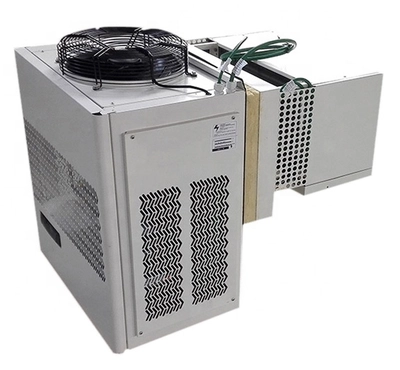
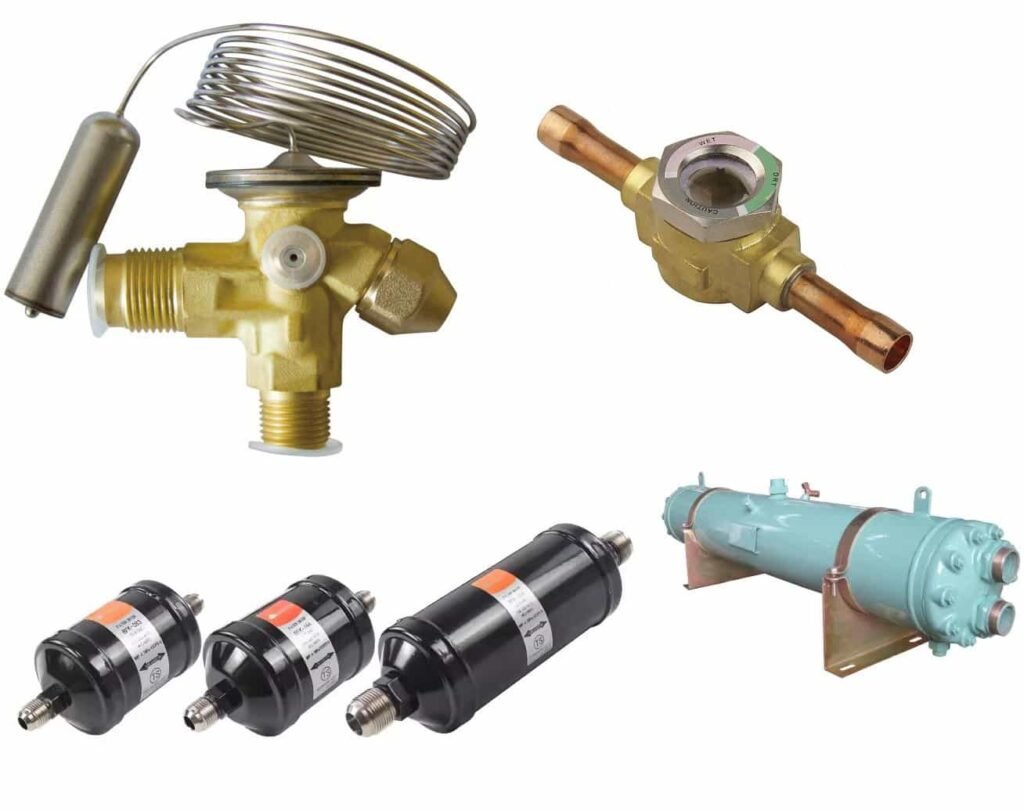
Medical and chemical cold rooms support safe, stable storage for products that can’t tolerate temperature fluctuation, poor monitoring, or weak safety control.
A reliable solution does more than keep a room cold. It should match the product, the storage risk, the site condition, and the operating needs of the user. That is why a complete cold room solution usually includes room design, refrigeration equipment, monitoring, backup protection, safety features, commissioning support, and long-term service.
This guide explains what medical and chemical cold rooms are, how they differ from standard cold storage, what design points matter most, and how to choose the right solution for your project.
What is Medical Cold Room?
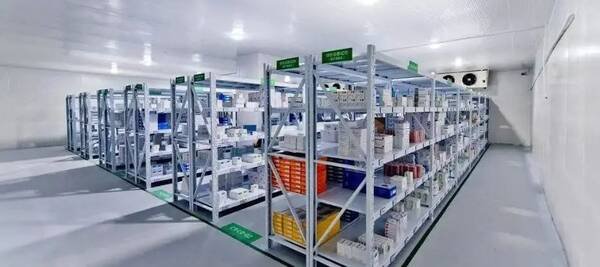
Medical cold room, often called a pharmaceutical cold room, is a walk-in temperature-controlled storage area for products with defined storage conditions. Typical applications include vaccines, medicines, reagents, diagnostic products, selected APIs and biological materials. Blood products, clinical samples and other specialized materials may require separate product-specific standards and operating procedures.
The room must do more than reach a setpoint. It must control conditions throughout the usable storage volume, support monitoring and alarms, recover from normal door openings and provide records that match the owner’s quality requirements.
Define the Products Before Design
List each product group before selecting the room and refrigeration equipment. Record its approved storage range, freeze sensitivity, permitted excursion procedure, package type, maximum stock, loading method and segregation needs. Do not assume that all vaccines, medicines, reagents or biological materials share the same storage condition.
What is Chemical Cold Room?
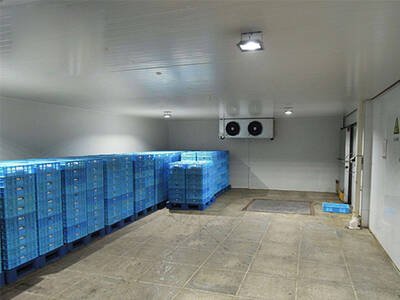
Chemical cold room is a temperature-controlled room for chemicals that need stable low-temperature storage or tighter environmental control.
It is often used in laboratories, chemical plants, pharmaceutical facilities, research centers, and industrial sites where product stable and storage safety both matter.
Unlike a standard cold room, chemical cold room must address more than temperature. The design may need to consider chemical compatibility, corrosion resistance, ventilation, spill control, restricted access, and in some cases explosion-proof protection.
For that reason, chemical cold room design should always start with the actual material list, storage conditions, and safety requirements.
Typical Applications
Medical and pharmaceutical cold rooms are often used for:
-
Vaccines
-
Medicines
-
Reagents
-
Biological samples
-
Blood-related materials
-
APIs and pharmaceutical intermediates
-
Diagnostic products
-
Laboratory materials
Chemical cold rooms are often used for:
-
Temperature-sensitive chemicals
-
Laboratory chemicals
-
Specialty chemicals
-
Corrosive chemicals
-
Volatile chemicals
-
Chemical intermediates
-
Research materials
-
Selected flammable materials, where the design meets the required safety standard
Before final design, users should confirm the real storage requirement of each product.
Temperature is important, but it is not the only factor.
Packaging, loading pattern, shelf life, access frequency, and safety risk can all affect the final cold room configuration.
Recommended Temperature Ranges
Different products require different storage temperatures. A professional design should always start from the product requirement instead of using one standard temperature for every application.
Common temperature ranges in medical and pharmaceutical projects include:
-
2 to 8°C for many vaccines, medicines, and reagents
-
15 to 25°C for controlled room temperature storage
-
-20°C for some biological materials and selected products
-
Lower temperatures for special applications
Chemical products may also need chilled or low-temperature storage, but the correct setting depends on the product specification, stable target, SDS, and site risk assessment.
For this reason, buyers should avoid choosing a cold room by temperature only. The right system should also reflect how the room will be used every day.
| Chemical | Temperature Requirement |
|---|---|
| Acetone | -20°C |
| Acetonitrile | 2-8°C |
| Ammonia | < -33°C |
| Benzene | 2-8°C |
| Chloroform | 2-8°C |
| Cyclohexane | 2-8°C |
| Dichloromethane (methylene chloride) | 2-8°C |
| Diethyl ether | 2-8°C |
| Dimethylformamide (DMF) | 2-8°C |
| Dimethyl sulfoxide (DMSO) | -20°C |
| Ethylene glycol | -10°C |
| Formaldehyde | < -40°C |
| Glacial acetic acid | 2-8°C |
| Glycerol | 15-25°C |
| Hexane | 2-8°C |
| Hydrochloric acid | 15-25°C |
| Hydrogen peroxide | -20 ~ -30°C |
| Isopropanol (IPA) | 2-8°C |
| Methanol | -20°C |
| Methylene blue | 2-8°C |
| Nitric acid | -20 ~-30°C |
| Phenol | 2-8°C |
| Potassium permanganate | 15-25°C |
| Propylene glycol | 15-25°C |
| Sodium azide | -20 ~ -30°C |
| Sodium hydroxide | 15-25°C |
| Sulfuric acid | 15-25°C |
| Toluene | 2-8°C |
| Xylene | 2-8°C |
| Dry ice (solid carbon dioxide) | -78.5°C |
| Liquid nitrogen | -196°C |
Typical Chemicals Temperature
Why a Standard Cold Room is Not Enough?
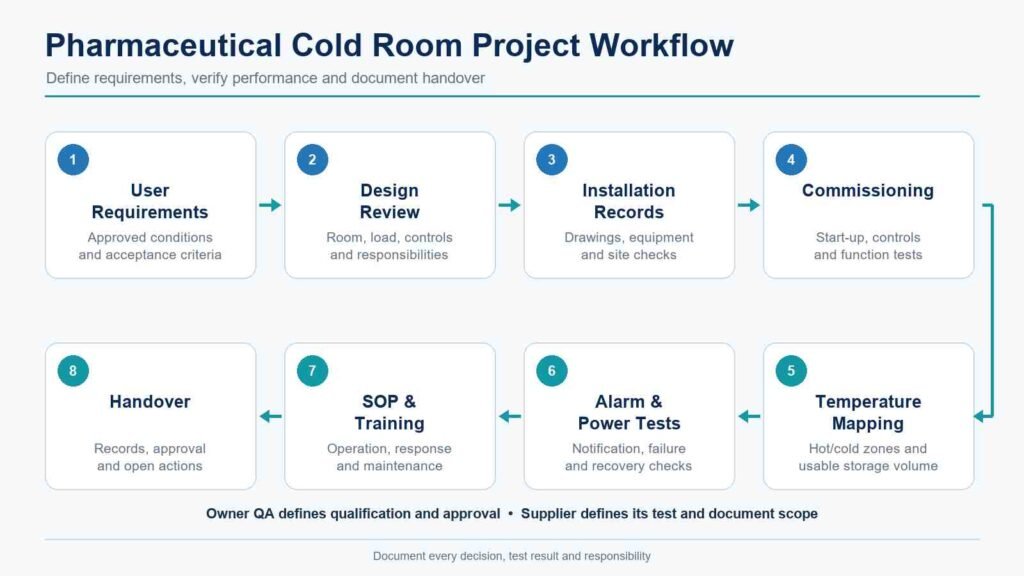
A standard cold room may maintain a controller setpoint without proving that every storage location stays within the approved range. Shelving, loading, door traffic, defrost and air distribution can create hot or cold zones. Pharmaceutical projects may also require calibrated monitoring, alarm escalation, backup planning, temperature mapping and documented handover tests.
Define these requirements before equipment selection. Adding them after installation can leave unsuitable storage zones, weak alarm coverage or incomplete records.
What Makes a Complete Cold Room Solution?
A complete cold room solution covers the full project cycle, not only the equipment list.
Room structure
The room structure includes insulation panels, doors, floor design, sealing details, and internal layout.
A good structure reduces heat gain, improves temperature stably, supports daily operation, and helps the system recover faster after door opening.
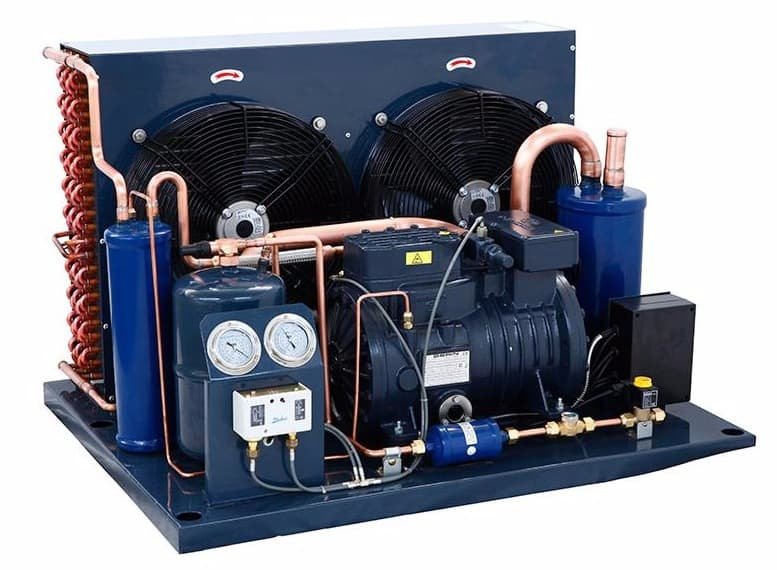
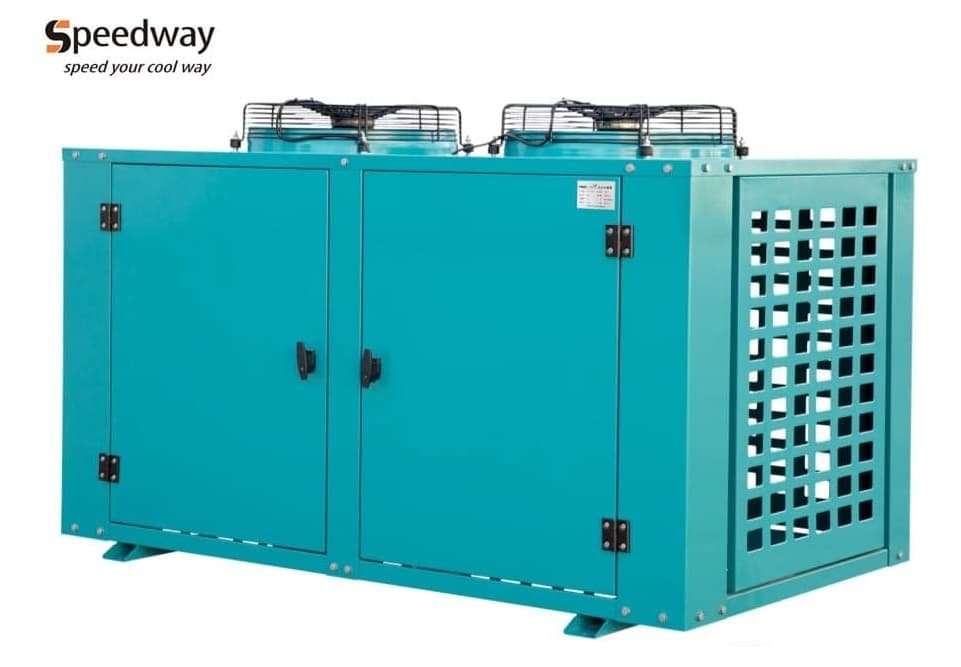
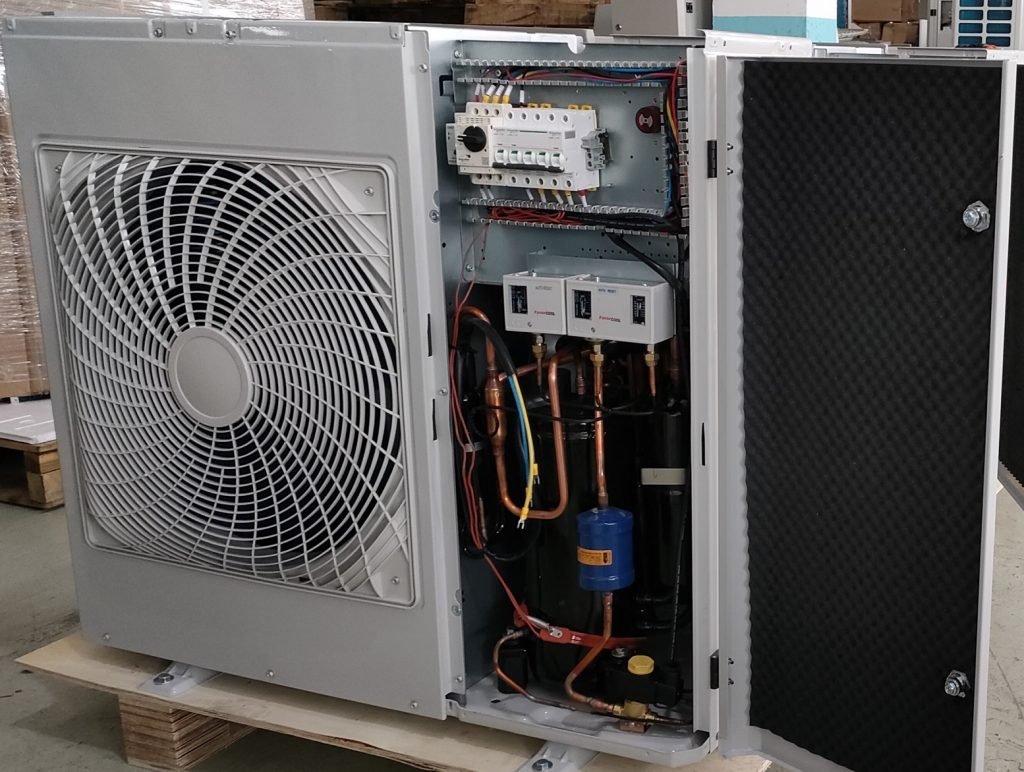
Refrigeration system
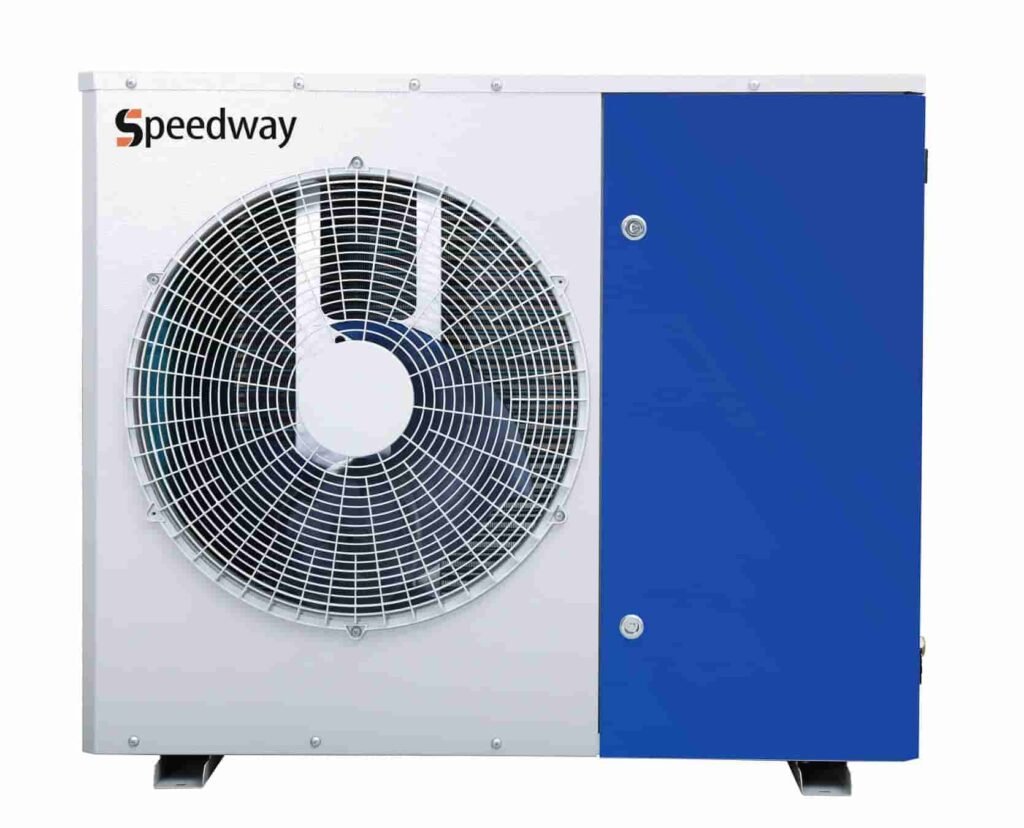
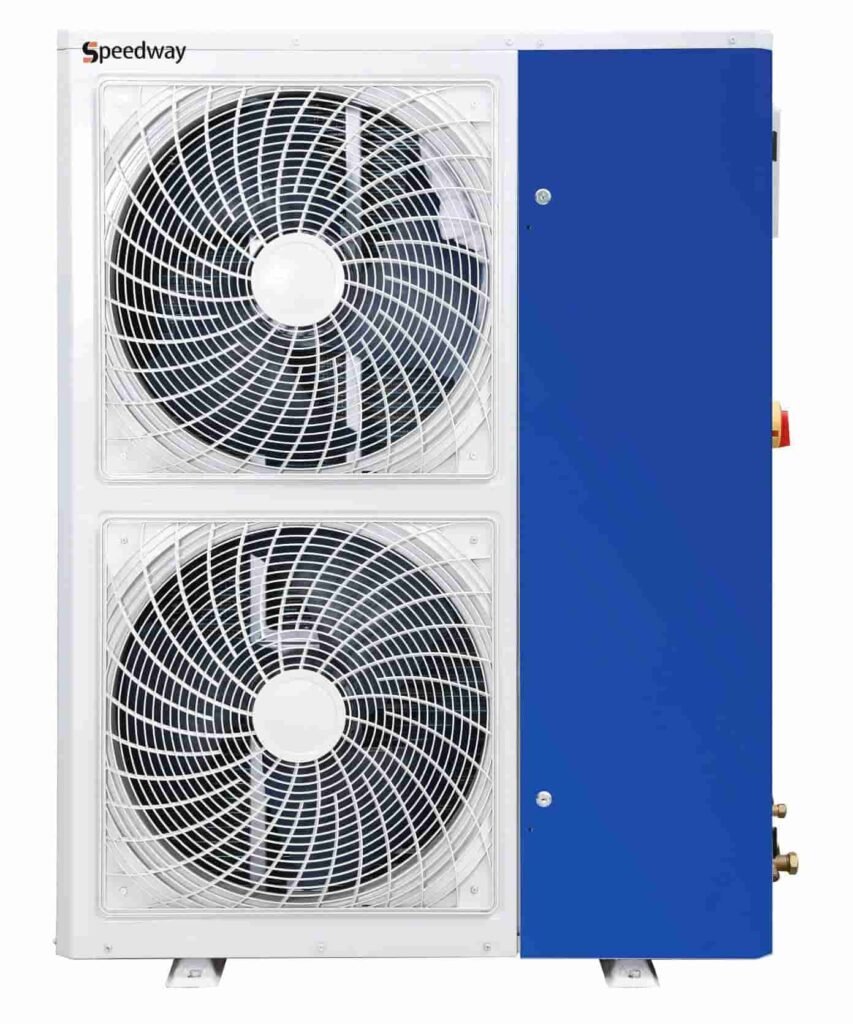
The refrigeration system should match the room size, target temperature, local ambient temperature, product load, and door opening frequency.
Correct system selection supports stable performance under real operating conditions instead of only under ideal test conditions.
Monitoring and control
A professional cold room should include a reliable control system with temperature monitoring, alarms, and operating status display.
Many projects also require data logging, remote access, and alarm notification to support faster response.
Backup and redundancy
Power failure and equipment failure can create serious product risk.
Depend on the project, the solution may include backup power, UPS support for controls, standby refrigeration equipment, or a broader contingency plan.
Safety features
Safety design may include emergency door release, internal alarm, emergency lighting, access control, anti-slip flooring, spill protection, ventilation, and explosion-proof components where required.
The right safety package depends on the stored materials and the operating environment.
Documentation and support
A complete solution should also include technical drawings, equipment details, installation guidance, commissioning support, maintenance recommendations, and where needed, testing or validation support.
This is one of the clearest differences between a project-focused supplier and a supplier that only sells standard equipment.
Medical Cold Room Design Considerations
Temperature Stability and Distribution
The controller shows the temperature at one sensor. It doesn’t prove that every usable storage location remains within the approved range.
Air distribution, shelving, loading, door traffic, defrost, and sensor position can create hot or cold zones. Define the usable storage volume, complete temperature mapping under the required conditions, and place routine monitoring sensors according to the study results.
Door-Opening Recovery
Record the expected door-opening frequency, opening duration, and loading pattern.
Size the refrigeration system and plan the airflow so the room can recover under the agreed operating conditions.
Verify recovery during commissioning instead of relying only on design assumptions.
Monitoring and Alarm Logic
Define the measurement range, accuracy, calibration requirements, recording interval, alarm delay, notification path, and response procedure.
Test high- and low-temperature alarms, sensor faults, and communication loss before handover. Keep the test results with the commissioning records.
Backup Plan
Assess power loss, controller failure, sensor failure, communication loss, and refrigeration system failure.
Match the backup strategy to product value, permitted exposure time, service response, and emergency transfer capability.
Internal Layout and Shelving
Keep products away from cooling coils, direct air streams, doors, and other mapped risk zones.
Mark unusable storage areas and loading limits after mapping. Do not let shelves or pallets block supply or return airflow.
Commissioning, Qualification and Mapping
The supplier should document installation checks, equipment start-up, control functions, alarms, and agreed performance tests. The owner’s quality team should define the qualification and validation plan.
Temperature mapping should demonstrate temperature distribution throughout the usable storage volume under the specified test conditions.

Chemical Cold Room Design Considerations
Chemical cold room design should follow the actual materials stored in the room. Temperature control alone doesn’t define a safe solution.
SDS-based storage plan
The first step is to understand the material list and review the SDS for each product.
The design team should confirm storage temperature, incompatibility risks, handling limits, and any special safety control needed during storage and access.
Chemical compatibility and segregation
NOTICE: Not all chemicals can be stored together!
Some projects require physical separation, different storage zones, or even separate rooms based on compatibility and hazard class. You should make this decision early in the project, not after installation.
Corrosion-resistant material selection
Some chemicals can damage standard metal parts, floor finishes, shelving, and hardware.
The internal material selection should match the actual chemical exposure risk. This improves long-term durability and helps reduce maintenance issues later.
Ventilation and vapor management
Some chemicals may release vapors during storage or handling.
In these applications, ventilation design becomes a key part of the room solution. The design should consider air exchange, exhaust routing, operator exposure, and site safety requirements.
Fire and explosion risk control
When the storage involves flammable or volatile materials, the project may require explosion-proof electrical components and stronger fire risk control.
This should never be limited to the lighting fixture alone.
The full electrical and safety design should match the actual risk level of the application.
Spill control and emergency response
A chemical cold room should also address spill containment, floor protection, warning labels, restricted access, and emergency response plan.
These details often make the difference between a basic cold room and a safe chemical storage solution.
Standards and Compliance Considerations
For medical cold rooms, common standards and guidelines include:
- WHO PQS and vaccine cold chain requirements
- EU GDP, GMP requirements for storage environment, records, and validation
- FDA 21 CFR Part 11 for electronic records and audit trails, and GSP or GDP requirements for temperature and humidity monitoring, alarms, and data records.
- ISO 14644 only applies when the project involves cleanroom or controlled clean environment design.
- Blood storage also requires product-specific blood bank standards and cannot follow one general rule.
For chemical cold rooms, common reference points include:
- Flammable and combustible chemical storage codes
- ATEX or IECEx requirements
- Explosion-proof electrical requirements
- NFPA fire and explosion protection guidance
- SDS-based storage design, secondary containment and spill control requirements, ventilation and air exchange requirements, and chemical compatibility segregation guidance.
Medical Cold Room vs Chemical Cold Room
Medical and chemical cold rooms may share a similar structure, but they solve different problems.
In simple terms:
- Medical cold room focuses on storage control and product protection.
- Chemical cold room must do that while also managing material-specific safety risk.
Common Mistakes in Medical Cold Room Projects
Many medical cold room problems come from weak planning, not from the equipment alone.
Common mistakes include:
-
Choose room size without planning for future expansion
-
Focus on set temperature but ignoring temperature uniform
-
Use shelf layouts that block airflow
-
Ignore daily door opening frequency during system selection
-
Install too few monitoring points
-
Have alarms without remote escalation
-
Skip proper commissioning before operation
-
Have no emergency transfer plan for critical products
A better project starts with clear operating information. The supplier should understand the product type, room usage pattern, local climate, and required protection level before final selection.
Common Mistakes in Chemical Cold Room Projects
NOTICE: Chemical cold room failures often happen because the projects focus on cooling capacity and ignores storage risk.
Common mistakes include:
-
Mix incompatible chemicals in one room
-
Ignore SDS storage requirements
-
Use internal materials that cannot resist chemical exposure
-
Have no spill containment strategy
-
Use unsuitable electrical components in higher-risk applications
-
Ignore ventilation or vapor control needs
-
Provide weak labeling and access control
-
Design the room without emergency response planning
If a project team only discusses target temperature, the design is still incomplete.
How to Choose the Right Cold Room Solution?
Before starting a project, ask these questions:
-
What products will you store?
-
What is your required temperature range?
-
What is the total storage volume?
-
How often will the door open each day?
-
Do you need shelves or pallet storage?
-
Will the system be installed indoors or outdoors?
-
What is the highest local ambient temperature?
-
Do you need remote monitoring and data logging?
-
Do you need backup power or standby refrigeration?
-
Do you need testing, qualification, or validation support?
-
Do the stored materials create corrosion, spill, fire, or explosion risk?
-
Do you need room for future expansion?
These questions help define the right room size, refrigeration capacity, safety package, and monitoring level. They also help the supplier provide a more accurate proposal.
What Buyers Should Ask from a Supplier
Price matters, but it should never be the only question.
A serious buyer should also ask for:
-
Room layout drawing
-
Equipment list
-
Refrigeration selection basis
-
Panel thickness and material details
-
Electrical diagram
-
Monitoring and alarm function list
-
Sensor quantity and location plan
-
Installation scope
-
Commissioning scope
-
O&M manual
-
Spare parts list
-
Warranty terms
-
Testing or validation support scope, if needed
These documents help buyers evaluate whether the supplier understands project delivery, not just equipment supply.
Installation, Commissioning, and After-Sales Support
Cold room performance depends on more than product quality. Installation quality, commissioning quality, and after-sales support all affect long-term results.
A complete solution should include:
-
Site condition review before installation
-
Clear installation guidance
-
Refrigeration piping and electrical support
-
Start-up and commissioning
-
Temperature testing before handover
-
User training
-
Preventive maintenance recommendations
-
Spare parts support
-
Remote technical support
Before placing an order, you should also confirm who will install the room, who will handle commissioning, and how technical support will work after handover.
Conclusion
A medical or chemical cold room should match the product, the site conditions, and the real operating risk.
A reliable solution should combine room design, refrigeration performance, monitoring, backup protection, safety control, documentation, and service support.
If you are planning a vaccine cold room, pharmaceutical cold room, reagent storage room, or chemical cold room, the best first step is to define your product type, target temperature, storage volume, and site conditions clearly. That makes it much easier to choose a solution that supports both daily operation and long-term reliability.