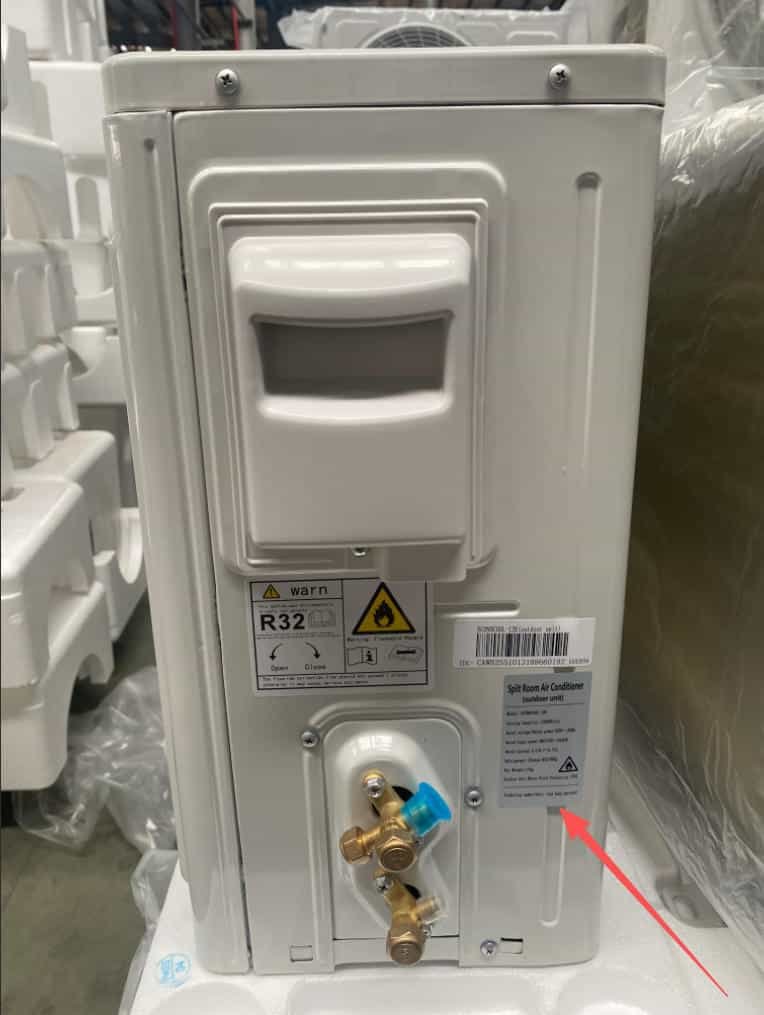
Lettere successive:
-
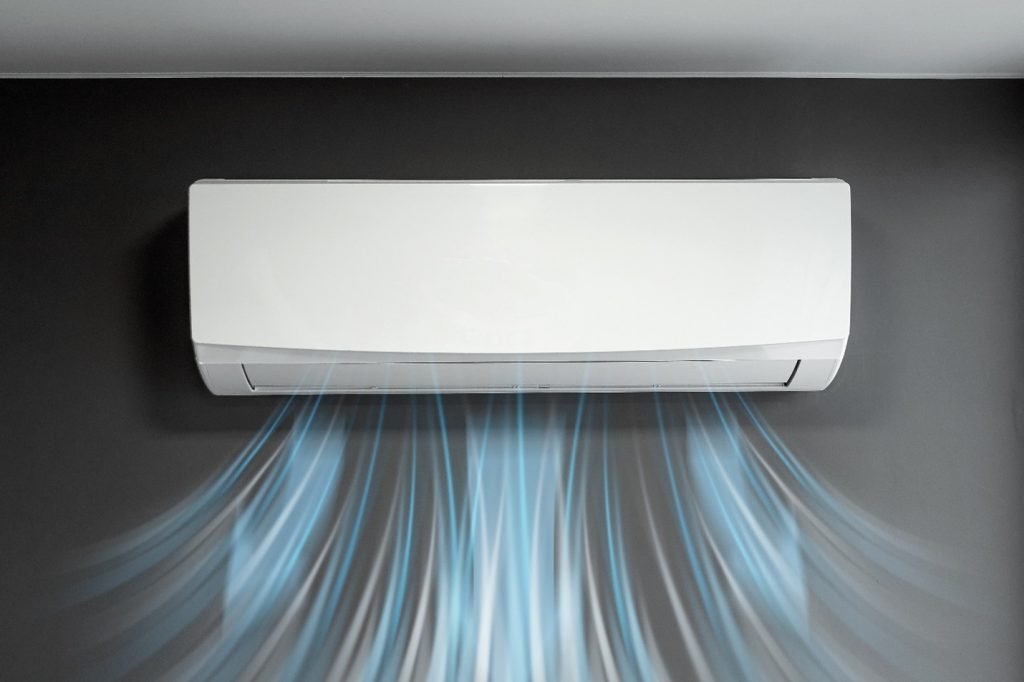
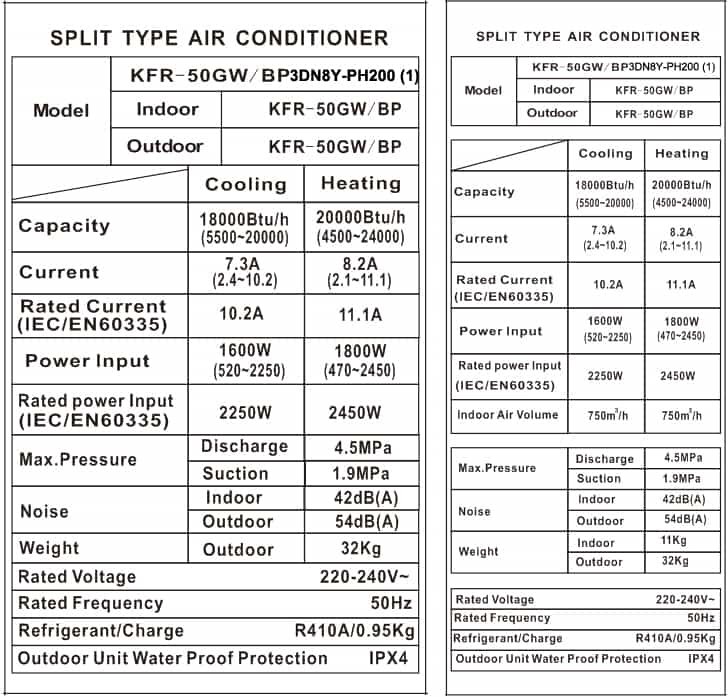
G: Rappresenta l'unità interna a parete (L'unità mobile è “l”)
-
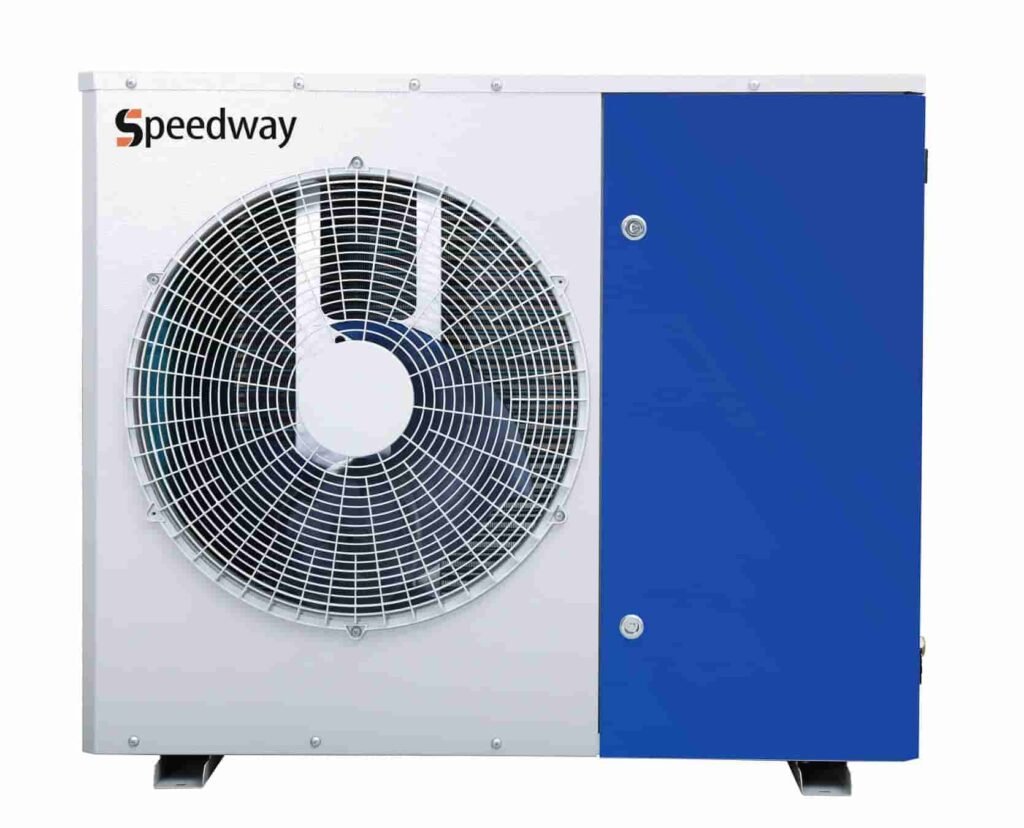
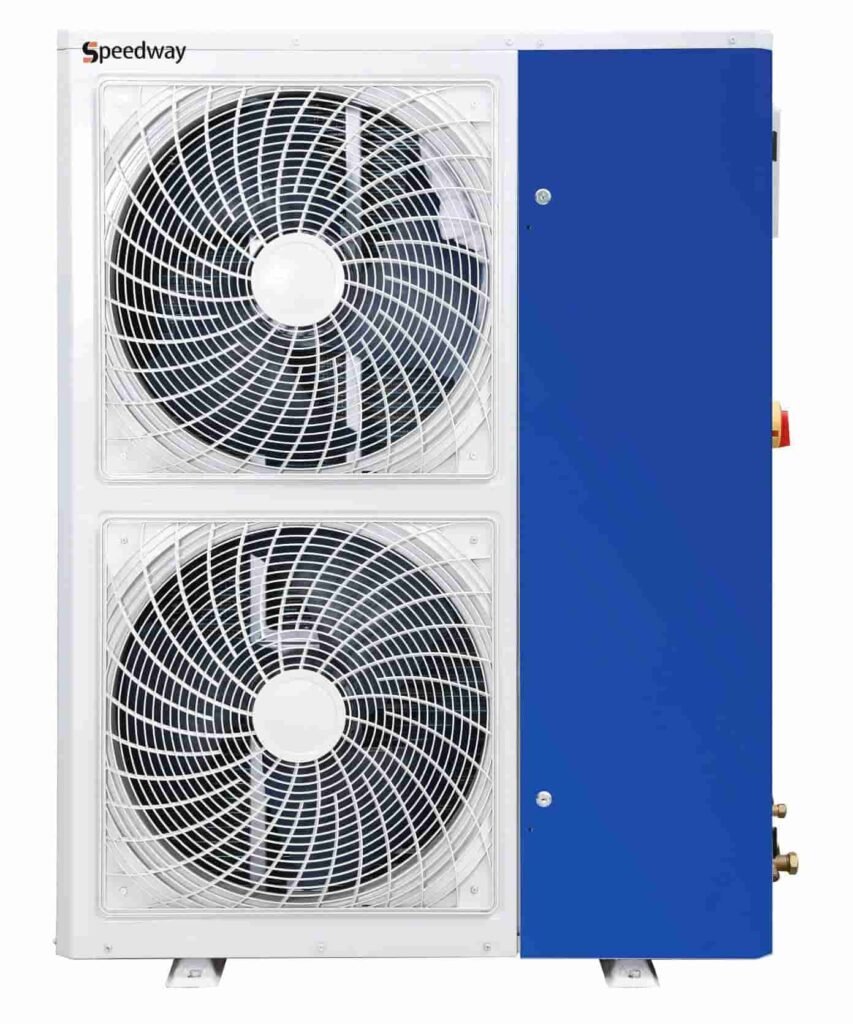
W: Rappresenta l'unità esterna
Codici funzione aggiuntivi (per esempio., BP3DN8Y):
-
BP: Invertitore (i modelli di condizionatori non inverter non hanno questo identificatore)
-
3D: Rappresenta il flusso d'aria 3D o il controllo intelligente della temperatura
-
N: Rappresenta il refrigerante ecologico (per esempio., R410a o R32)
-
Y: Funzione di controllo remoto
Etichetta di efficienza energetica (per esempio., PH200 (1)):
-
Il numero “1” rappresenta il livello 1 Efficienza energetica (Un livello più basso indica un maggiore risparmio energetico).
Capacità di raffreddamento/riscaldamento: L'unità è W. Un valore più alto indica una maggiore capacità di raffreddamento/riscaldamento (per esempio., Capacità di raffreddamento 5000 W, Capacità di riscaldamento 5500 W).
Ingresso potenza raffreddamento/riscaldamento: L'unità è W. Rappresenta il consumo energetico durante il funzionamento in raffreddamento/riscaldamento (una minore potenza assorbita significa un maggiore risparmio energetico. Questo dovrebbe essere valutato insieme alla valutazione dell'efficienza energetica per una valutazione più accurata).
Potenza riscaldante elettrica ausiliaria: Alcuni condizionatori d'aria richiedono un riscaldamento elettrico ausiliario durante la modalità di riscaldamento. L'unità è W. Questo consumo energetico è aggiuntivo.
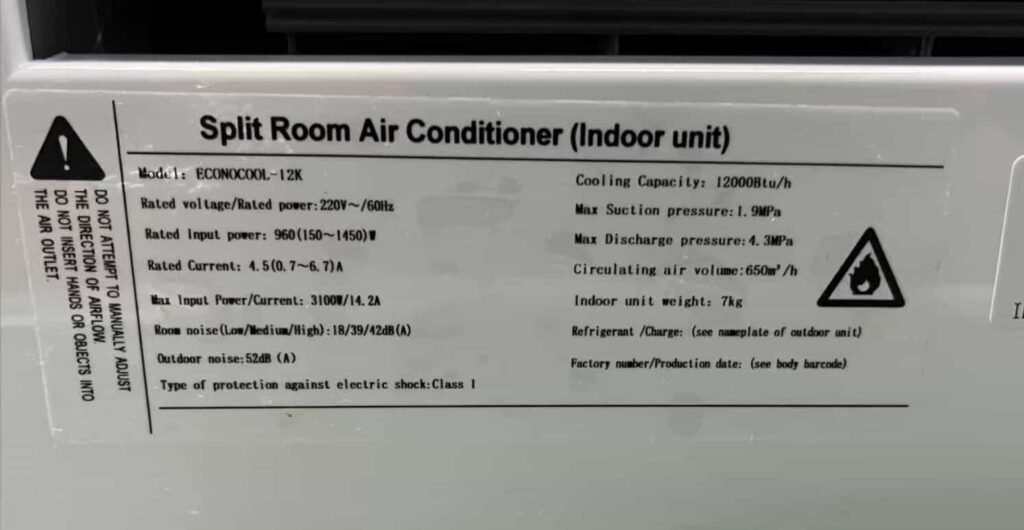
Capacità: Raffreddamento 18.000 btu/h significa capacità di raffreddamento nominale (btu è un'unità di energia per misurare il condizionatore d'aria), 5,500~20.000btu/h significa capacità di raffreddamento del condizionatore d'aria INVERTER a diverse temperature ambiente (condizionatore d'aria non inverter non presente in questo ambito).
Attuale: Raffreddamento 7,3 A significa corrente di funzionamento regolare in modalità raffreddamento, 2.4~10,2 A significa portata della corrente di raffreddamento del condizionatore d'aria INVERTER a diverse temperature ambiente (condizionatore d'aria non inverter non presente in questo ambito).
CEI/EN60335: Standard internazionale per condizionatori con prestazioni eccellenti.
Rapporto di efficienza energetica (APF/SCOP):
-
Per condizionatori inverter, fare riferimento all'APF (Fattore di prestazione annuale).
-
Per condizionatori non inverter, fare riferimento all'EER (Rapporto di efficienza energetica).
Un valore più alto indica una migliore efficienza energetica (Tipicamente, Livello 1 L'efficienza energetica richiede un APF ≥ 4.5).

Massimo. Scarico della pressione (lato alto): 4.5 MPa
Massimo. Aspirazione a pressione (lato basso): 1.9 MPa
Carica di refrigerante: Peso massimo di riempimento
Cosa significa KFR su un condizionatore d'aria?
Il numero del modello di solito inizia con “KFR” che è una designazione comune in sistemi come gli standard GB cinesi. Ecco una ripartizione:
-
K: Sta per “Condizionatore”
-
F: Sta per “Tipo diviso” Ciò indica che l'unità dispone di unità interne ed esterne separate.
-
R: Sta per “Pompa di calore.” Ciò significa che l'unità può fornire sia il raffreddamento che il riscaldamento.
Perciò, “KFR” indica un condizionatore d'aria a pompa di calore di tipo split.
Un modello che ha solo “KF” sarebbe un sistema split di solo raffreddamento. I numeri che seguono queste lettere spesso indicano la capacità di raffreddamento (vedere sopra).
Kfrd: IL “D” rappresenta il riscaldamento elettrico ausiliario, ciò significa che oltre alla pompa di calore, supporta anche il riscaldamento elettrico ausiliario per migliorare le prestazioni di riscaldamento.
KC: Rappresenta un condizionatore d'aria montato sulla finestra, che è una singola unità che integra sia la sezione interna che quella esterna, e installato in una finestra.
Numero di modello e numero di serie: Qual è la differenza??
Molte persone confondono il numero del modello con il numero di serie, ma non sono la stessa cosa.
Il numero del modello identifica la famiglia del prodotto, progetto, e configurazione. È utile per la selezione del prodotto, identificazione dei pezzi di ricambio, e riferimenti tecnici generali.
Il numero di serie identifica un'unità specifica. Viene utilizzato principalmente per la tracciabilità, garanzia, registri di produzione, e storia del servizio.
Se contatti un fornitore o un team di assistenza, spesso è meglio fornire sia il numero del modello che il numero di serie.
Perché la targhetta è importante per utenti diversi
La stessa targa può essere utile a persone diverse per motivi diversi.
Per i proprietari di case
I proprietari di case di solito vogliono sapere che tipo di aria condizionata hanno, che refrigerante utilizza, qual è la capacità, e se l'unità dispone solo del raffreddamento o sia del raffreddamento che del riscaldamento.
Per acquirenti e importatori
Acquirenti e importatori spesso si concentrano sull'identità del modello, voltaggio, frequenza, refrigerante, certificazioni, e tracciabilità. Questi dettagli aiutano a confermare se il prodotto è adatto per un mercato di riferimento.
Per installatori
Gli installatori devono verificare i requisiti di alimentazione, corrispondenza del sistema, e le principali specifiche operative prima dell'installazione. La targhetta aiuta a ridurre gli errori di compatibilità.
Per I Tecnici
I tecnici utilizzano la targhetta per identificare l'unità esatta, verificare il tipo di refrigerante, verificare i dati elettrici, rivedere i limiti di pressione, e supportare la risoluzione dei problemi o la corrispondenza dei pezzi di ricambio.
Errori comuni durante la lettura della targhetta del condizionatore d'aria
Ecco alcuni degli errori più comuni:
-
Confondere il numero del modello con il numero di serie
-
Supponendo che tutti i marchi utilizzino la stessa logica di codifica
-
Pensare che la capacità di raffreddamento sia la stessa cosa del consumo di energia elettrica
-
Osservare una sola etichetta quando è necessario controllare sia le unità interne che quelle esterne
-
Ignorare la tensione, frequenza, o informazioni sulla fase
-
Trattare i marchi di certificazione come valutazioni delle prestazioni
Quello che la targhetta non può dirti
Anche una targhetta dettagliata non contiene tutto.
Per esempio, la targhetta di solito non spiega completamente:
-
Lunghezza massima della tubazione
-
Dislivello massimo
-
Prestazioni di pressione statica
-
Curve del flusso d'aria
-
Logica di sbrinamento
-
Prestazioni di riscaldamento ambientale basse
-
Condizioni di prova del rumore
-
Procedure complete di risoluzione dei problemi
Per quei dettagli, gli utenti dovrebbero consultare il manuale di installazione, scheda tecnica del prodotto, o manuale di servizio.
Domande frequenti
Q1: Cos'è la targhetta del condizionatore d'aria?
È l'etichetta identificativa attaccata all'unità che riporta le principali informazioni tecniche e di prodotto.
D2: Dov'è la targhetta su un'unità AC?
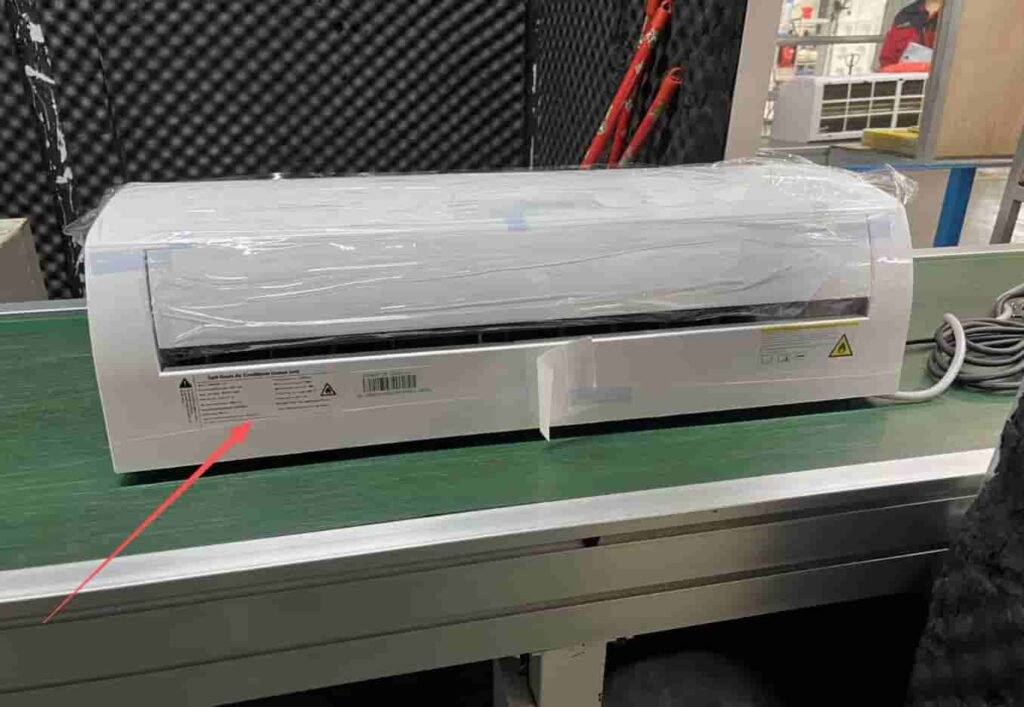
Spesso si trova sul lato, Indietro, o nell'area del pannello di servizio dell'unità. I sistemi split possono avere etichette sia sulle unità interne che su quelle esterne.
D3: Il numero del modello è uguale al numero di serie?
NO. Il numero del modello identifica il tipo o la serie del prodotto, mentre il numero di serie identifica la singola unità.
D4: Cosa significa KFR?
In molti sistemi di denominazione cinesi, KFR si riferisce a a “condizionatore split in pompa di calore”.
Q5: Posso identificare il refrigerante dalla targhetta??
SÌ. Nella maggior parte dei casi, il tipo di refrigerante è elencato sulla targhetta, come R32 o R410A.
Q6: La targhetta indica il consumo energetico?
Di solito sì. Può mostrare la potenza in ingresso nominale e la corrente nominale, ma questi non devono essere confusi con la capacità di raffreddamento.
D7: Posso usare la targhetta per trovare i pezzi di ricambio?
SÌ. Il numero del modello e il numero di serie sono spesso necessari quando si verifica la compatibilità dei pezzi di ricambio.
Q8: Tutti i numeri di modello AC sono decodificati allo stesso modo?
NO. Le strutture dei numeri di modello variano in base al produttore, linea di prodotti, e mercato.
Conclusione
Comprendere i parametri di targa del condizionatore d'aria è una competenza fondamentale sia per gli utenti che per il personale di installazione o manutenzione.
Ogni dato sulla targhetta riflette le prestazioni dell’unità, sicurezza, e livello di consumo energetico.
Solo comprendendo veramente questi parametri puoi selezionare il modello giusto, installarlo correttamente, e utilizzarlo in modo efficiente, consentendo al condizionatore d'aria di fornire prestazioni ottimali e godere di una maggiore durata.