Le celle frigorifere mediche e chimiche supportano la sicurezza, conservazione stabile per prodotti che non tollerano le fluttuazioni di temperatura, scarso monitoraggio, o un controllo di sicurezza debole.
Una soluzione affidabile non si limita a mantenere fredda una stanza. Dovrebbe corrispondere al prodotto, il rischio di stoccaggio, la condizione del sito, e le esigenze operative dell'utente. Ecco perché una soluzione completa per una cella frigorifera solitamente comprende la progettazione della stessa, apparecchiature di refrigerazione, monitoraggio, protezione di backup, caratteristiche di sicurezza, supporto alla messa in servizio, e servizio a lungo termine.
Questa guida spiega cosa sono le celle frigorifere mediche e chimiche, come differiscono dalle celle frigorifere standard, quali punti di progettazione contano di più, e come scegliere la soluzione giusta per il tuo progetto.
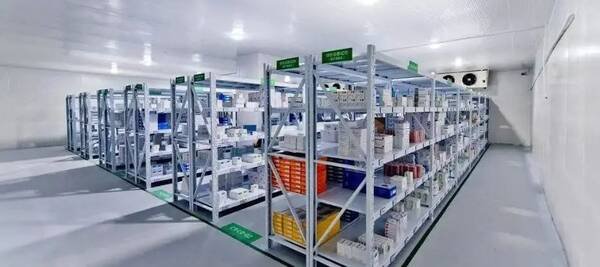
Cos'è la cella frigorifera medica?
Cella frigorifera medica, spesso chiamata cella frigorifera farmaceutica, è un'area di stoccaggio a temperatura controllata per prodotti con condizioni di conservazione definite. Le applicazioni tipiche includono i vaccini, medicinali, reagenti, prodotti diagnostici, API e materiali biologici selezionati. Prodotti sanguigni, i campioni clinici e altri materiali specializzati possono richiedere standard e procedure operative specifici per prodotto separati.
La stanza deve fare di più che raggiungere un setpoint. Deve controllare le condizioni in tutto il volume di stoccaggio utilizzabile, supportare il monitoraggio e gli allarmi, recuperare dalle normali aperture delle porte e fornire registrazioni che corrispondano ai requisiti di qualità del proprietario.
Definire i prodotti prima della progettazione
Elencare ciascun gruppo di prodotti prima di selezionare la stanza e l'apparecchiatura di refrigerazione. Registrare l'intervallo di archiviazione approvato, sensibilità al congelamento, procedura di escursione consentita, tipo di pacchetto, scorta massima, metodo di caricamento ed esigenze di segregazione. Non dare per scontato che tutti i vaccini, medicinali, i reagenti o i materiali biologici condividono le stesse condizioni di conservazione.
Cos'è la cella frigorifera chimica?
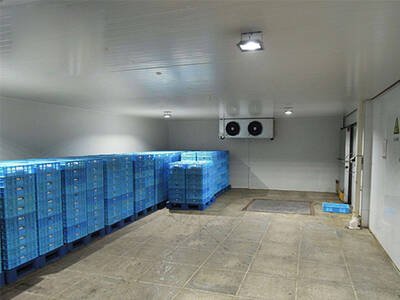
La cella frigorifera chimica è una stanza a temperatura controllata per prodotti chimici che necessitano di uno stoccaggio stabile a bassa temperatura o di un controllo ambientale più rigoroso.
Viene spesso utilizzato nei laboratori, impianti chimici, strutture farmaceutiche, centri di ricerca, e siti industriali in cui sono importanti la stabilità del prodotto e la sicurezza dello stoccaggio.
A differenza di una cella frigorifera standard, la cella frigorifera chimica deve affrontare qualcosa di più della semplice temperatura. Potrebbe essere necessario considerare la compatibilità chimica nella progettazione, resistenza alla corrosione, ventilazione, controllo delle fuoriuscite, accesso limitato, e in alcuni casi protezione antideflagrante.
Per questo motivo, La progettazione della cella frigorifera chimica dovrebbe sempre iniziare con l'elenco dei materiali effettivi, condizioni di conservazione, e requisiti di sicurezza.
Applicazioni tipiche
Vengono spesso utilizzate celle frigorifere mediche e farmaceutiche:
-
Vaccini
-
Medicinali
-
Reagenti
-
Campioni biologici
-
Materiali relativi al sangue
-
API e intermedi farmaceutici
-
Prodotti diagnostici
-
Materiali di laboratorio
Spesso vengono utilizzate celle frigorifere chimiche:
-
Prodotti chimici sensibili alla temperatura
-
Prodotti chimici di laboratorio
-
Prodotti chimici speciali
-
Prodotti chimici corrosivi
-
Prodotti chimici volatili
-
Intermedi chimici
-
Materiali di ricerca
-
Materiali infiammabili selezionati, dove il progetto soddisfa gli standard di sicurezza richiesti
Prima della progettazione definitiva, gli utenti devono confermare il reale requisito di archiviazione di ciascun prodotto.
La temperatura è importante, ma non è l’unico fattore.
Confezione, modello di caricamento, durata di conservazione, frequenza di accesso, e i rischi per la sicurezza possono influenzare la configurazione finale della cella frigorifera.
Intervalli di temperatura consigliati
Prodotti diversi richiedono temperature di conservazione diverse. Una progettazione professionale dovrebbe sempre partire dai requisiti del prodotto invece di utilizzare una temperatura standard per ogni applicazione.
Intervalli di temperatura comuni in medico e farmaceutico i progetti includono:
-
2 a 8°C per molti vaccini, medicinali, e reagenti
-
15 a 25°C per la conservazione a temperatura ambiente controllata
-
-20°C per alcuni materiali biologici e prodotti selezionati
-
Temperature più basse per applicazioni speciali
Prodotti chimici potrebbe anche necessitare di conservazione refrigerata o a bassa temperatura, ma l'impostazione corretta dipende dalle specifiche del prodotto, obiettivo stabile, Scheda di sicurezza, e valutazione del rischio del sito.
Per questa ragione, gli acquirenti dovrebbero evitare di scegliere una cella frigorifera solo in base alla temperatura. Il giusto sistema dovrebbe riflettere anche come verrà utilizzata la stanza ogni giorno.
| Chimico | Requisito di temperatura |
|---|---|
| Acetone | -20°C |
| Acetonitrile | 2-8°C |
| Ammoniaca | < -33°C |
| Benzene | 2-8°C |
| Cloroformio | 2-8°C |
| Cicloesano | 2-8°C |
| Diclorometano (cloruro di metilene) | 2-8°C |
| Etere dietilico | 2-8°C |
| Dimetilformammide (DMF) | 2-8°C |
| Dimetilsolfossido (DMSO) | -20°C |
| Glicole etilenico | -10°C |
| Formaldeide | < -40°C |
| Acido acetico glaciale | 2-8°C |
| Glicerolo | 15-25°C |
| Esano | 2-8°C |
| Acido cloridrico | 15-25°C |
| Perossido di idrogeno | -20 ~ -30°C |
| Isopropanolo (IPA) | 2-8°C |
| Metanolo | -20°C |
| Blu di metilene | 2-8°C |
| Acido nitrico | -20 ~-30°C |
| Fenolo | 2-8°C |
| Permanganato di Potassio | 15-25°C |
| Glicole propilenico | 15-25°C |
| Sodio azide | -20 ~ -30°C |
| Idrossido di sodio | 15-25°C |
| Acido solforico | 15-25°C |
| Toluene | 2-8°C |
| Xilene | 2-8°C |
| Ghiaccio secco (anidride carbonica solida) | -78.5°C |
| Nitrogeno liquido | -196°C |
Temperatura tipica dei prodotti chimici
Perché una cella frigorifera standard non è sufficiente?
Una cella frigorifera standard può mantenere un setpoint del controller senza dimostrare che ogni posizione di conservazione rimanga entro l'intervallo approvato. Scaffalature, caricamento, traffico della porta, lo sbrinamento e la distribuzione dell'aria possono creare zone calde o fredde. Anche i progetti farmaceutici possono richiedere un monitoraggio calibrato, escalation dell'allarme, pianificazione del backup, mappatura della temperatura e test di consegna documentati.
Definire questi requisiti prima della scelta dell'attrezzatura. Aggiungerli dopo l'installazione può lasciare zone di stoccaggio inadeguate, copertura degli allarmi debole o registrazioni incomplete.
Che cosa rende una soluzione completa per celle frigorifere?
Una soluzione completa per celle frigorifere copre l'intero ciclo del progetto, non solo l'elenco delle attrezzature.
Struttura della stanza
La struttura della camera prevede pannelli isolanti, porte, disegno del pavimento, dettagli di sigillatura, e disposizione interna.
Una buona struttura riduce il guadagno di calore, migliora la temperatura in modo stabile, supporta il funzionamento quotidiano, e aiuta il sistema a riprendersi più velocemente dopo l'apertura della porta.
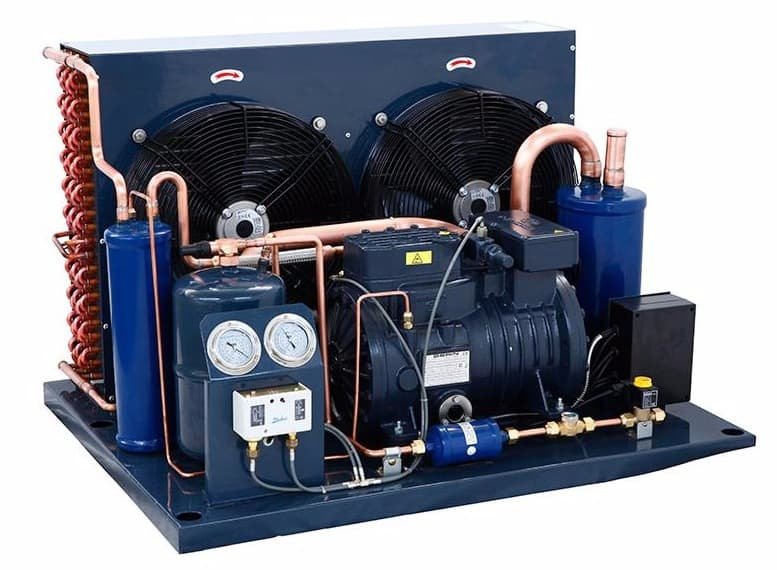
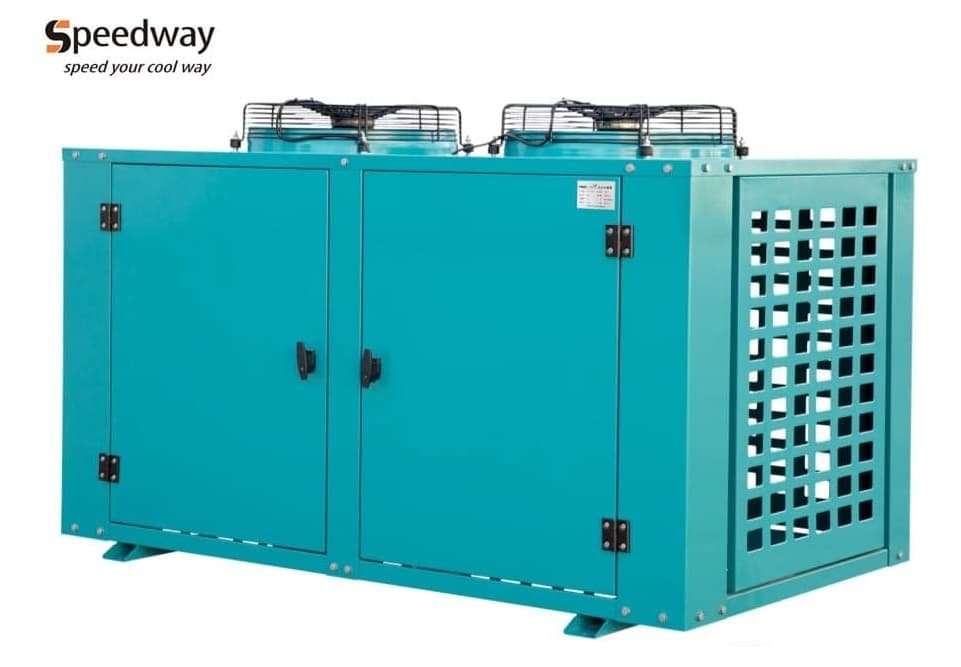
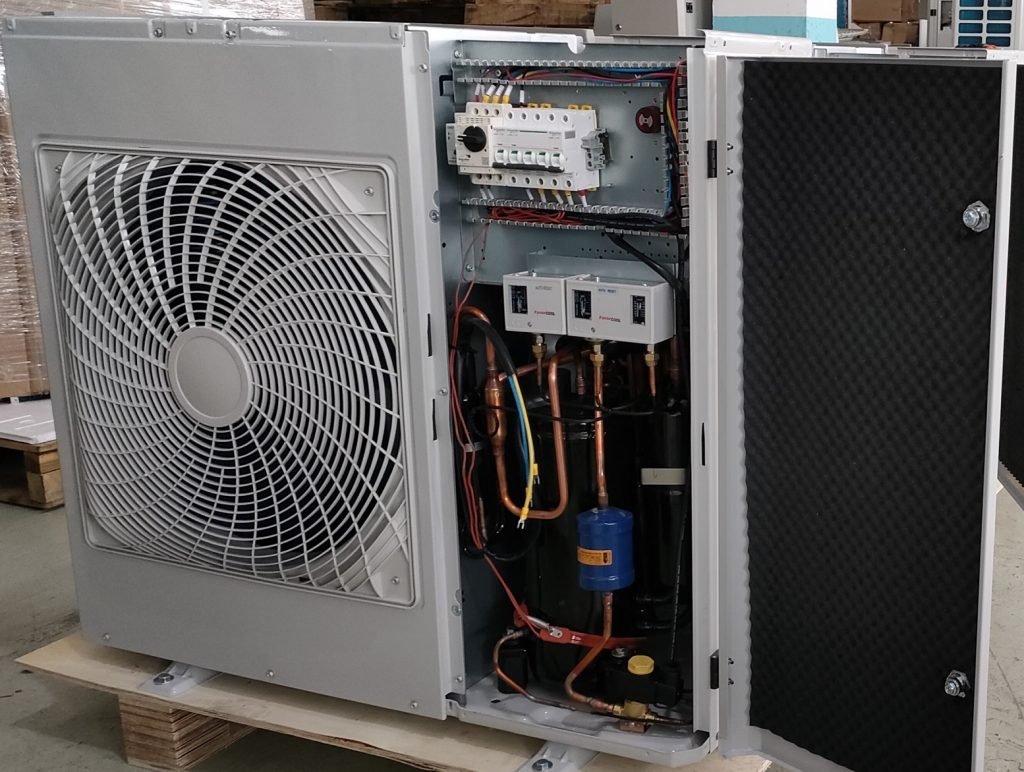
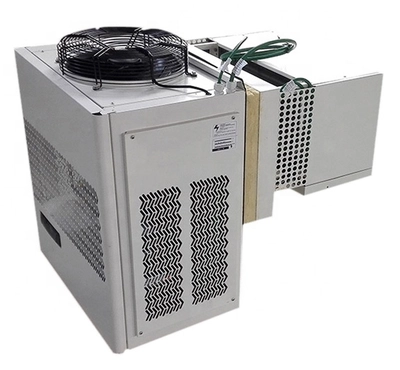
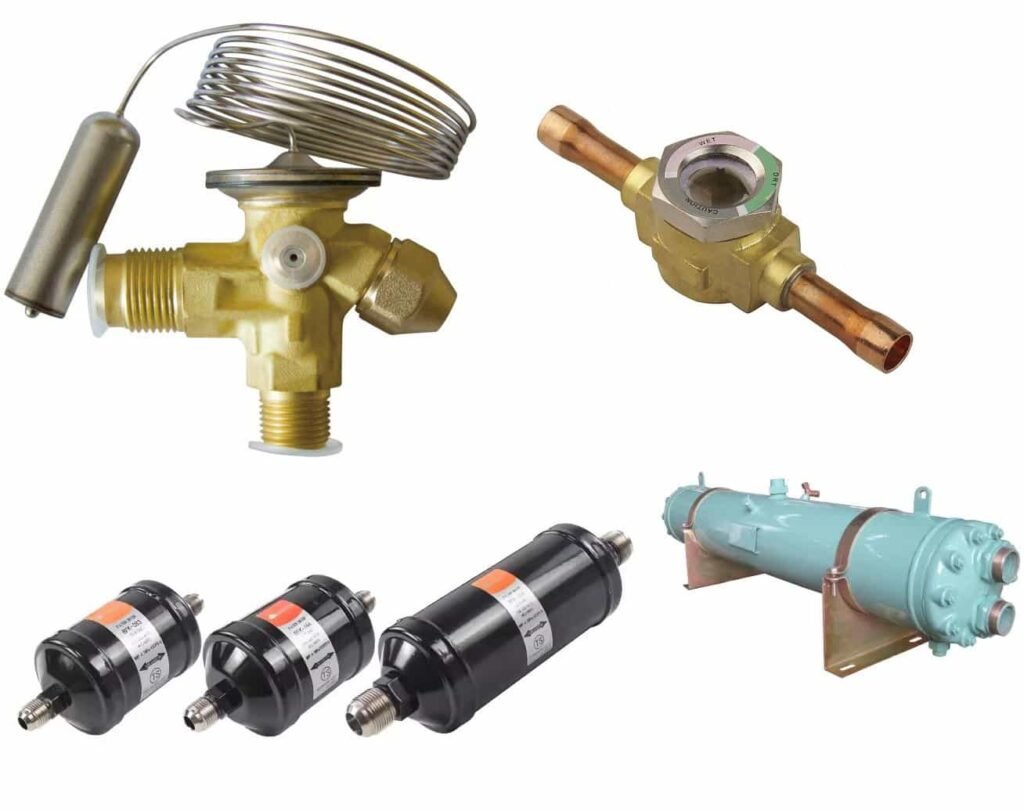
Sistema di refrigerazione
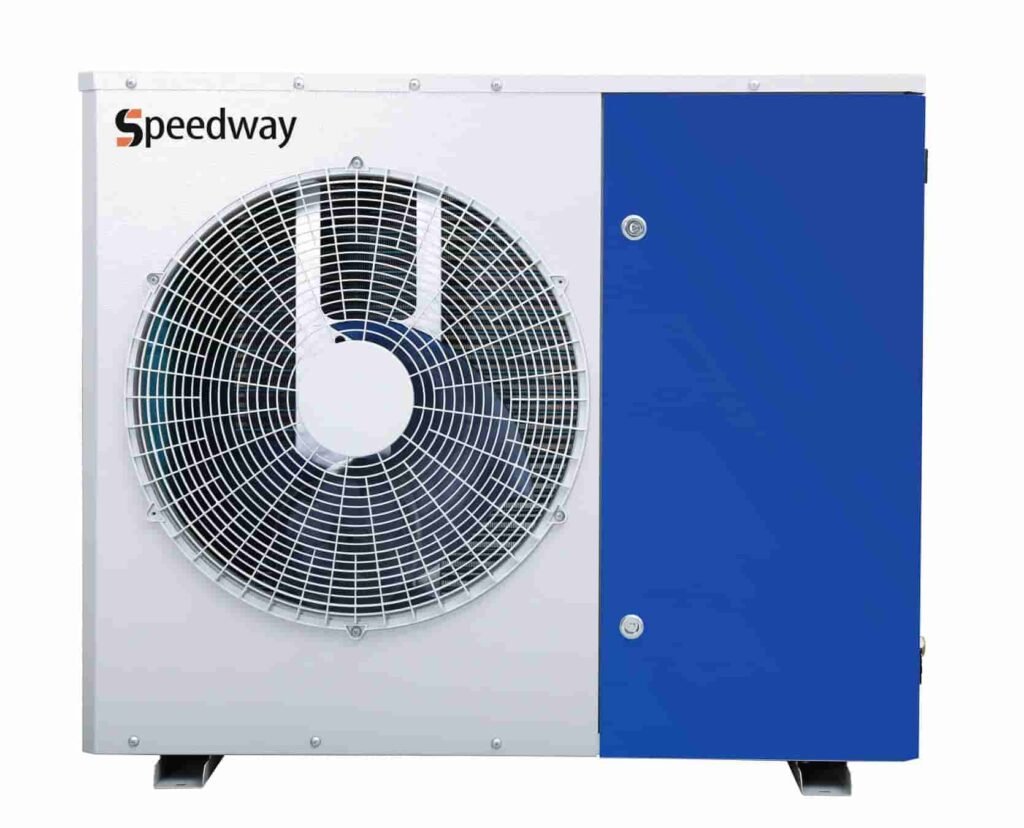
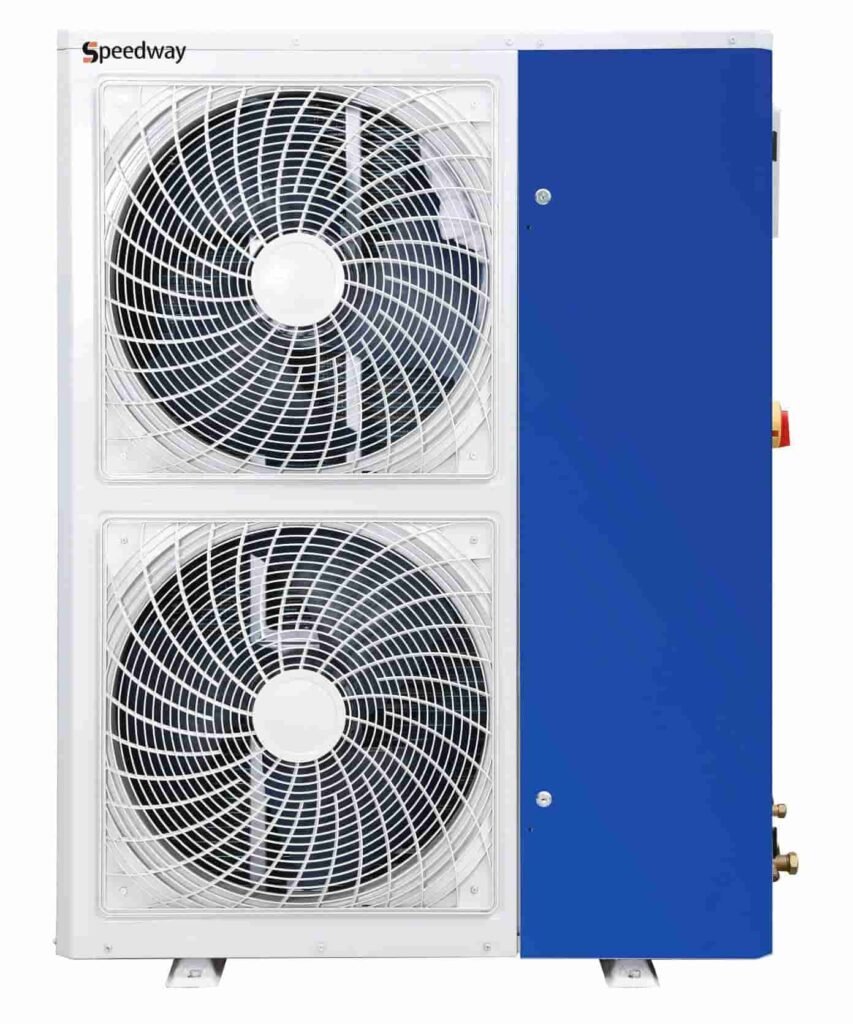
Il sistema di refrigerazione dovrebbe corrispondere alle dimensioni della stanza, temperatura target, temperatura ambiente locale, carico del prodotto, e la frequenza di apertura delle porte.
La corretta selezione del sistema supporta prestazioni stabili in condizioni operative reali anziché solo in condizioni di test ideali.
Monitoraggio e controllo
Una cella frigorifera professionale dovrebbe includere un sistema di controllo affidabile con monitoraggio della temperatura, allarmi, e visualizzazione dello stato di funzionamento.
Molti progetti richiedono anche la registrazione dei dati, accesso remoto, e notifica di allarme per supportare una risposta più rapida.
Backup e ridondanza
Interruzioni di corrente e guasti alle apparecchiature possono creare gravi rischi per il prodotto.
Dipende dal progetto, la soluzione può includere alimentazione di backup, Supporto UPS per i controlli, apparecchiature di refrigerazione di riserva, o un piano di emergenza più ampio.
Caratteristiche di sicurezza
La progettazione della sicurezza può includere il rilascio di emergenza della porta, allarme interno, illuminazione di emergenza, controllo degli accessi, pavimentazione antiscivolo, protezione contro le fuoriuscite, ventilazione, e componenti antideflagranti ove richiesto.
Il giusto pacchetto di sicurezza dipende dai materiali immagazzinati e dall'ambiente operativo.
Documentazione e supporto
Una soluzione completa dovrebbe includere anche disegni tecnici, dettagli dell'attrezzatura, guida all'installazione, supporto alla messa in servizio, raccomandazioni per la manutenzione, e dove necessario, supporto per test o validazione.
Questa è una delle differenze più evidenti tra un fornitore focalizzato sul progetto e un fornitore che vende solo attrezzature standard.
Considerazioni sulla progettazione delle celle frigorifere mediche
Stabilità e distribuzione della temperatura
Il controller mostra la temperatura su un sensore. Ciò non dimostra che ogni posizione di archiviazione utilizzabile rimanga all'interno dell'intervallo approvato.
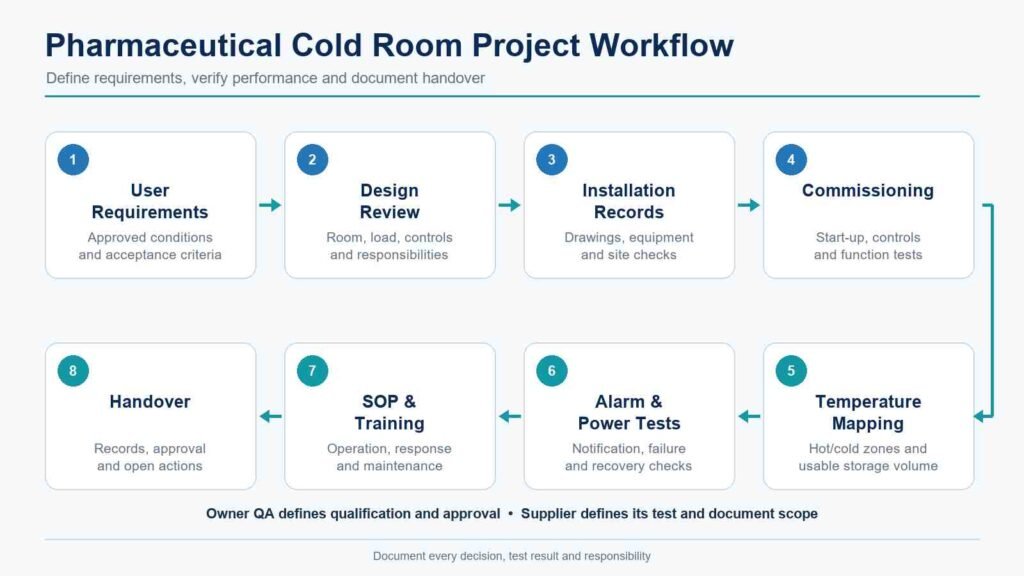
Distribuzione dell'aria, scaffalature, caricamento, traffico della porta, scongelare, e la posizione del sensore possono creare zone calde o fredde. Definire il volume di archiviazione utilizzabile, mappatura completa della temperatura nelle condizioni richieste, e posizionare sensori di monitoraggio di routine in base ai risultati dello studio.
Recupero dell'apertura della porta
Registrare la frequenza prevista di apertura della porta, durata dell'apertura, e modello di caricamento.
Dimensionare il sistema di refrigerazione e pianificare il flusso d'aria in modo che la stanza possa recuperare nelle condizioni operative concordate.
Verifica il ripristino durante la messa in servizio invece di fare affidamento solo sulle ipotesi di progettazione.
Monitoraggio e logica degli allarmi
Definire l'intervallo di misurazione, precisione, requisiti di calibrazione, intervallo di registrazione, ritardo allarme, percorso di notifica, e procedura di risposta.
Prova alta- e allarmi di bassa temperatura, guasti del sensore, e perdita di comunicazione prima della consegna. Conservare i risultati dei test insieme ai registri della messa in servizio.
Piano di riserva
Valutare la perdita di potenza, guasto del controllore, guasto del sensore, perdita di comunicazione, e guasto del sistema di refrigerazione.
Abbina la strategia di backup al valore del prodotto, tempo di esposizione consentito, risposta del servizio, e capacità di trasferimento di emergenza.
Disposizione interna e scaffalature
Tenere i prodotti lontani dalle serpentine di raffreddamento, flussi d'aria diretti, porte, e altre zone a rischio mappate.
Contrassegnare le aree di stoccaggio inutilizzabili e i limiti di carico dopo la mappatura. Non lasciare che scaffali o pallet blocchino il flusso d'aria di mandata o di ritorno.
Messa in servizio, Qualificazione e mappatura
Il fornitore dovrebbe documentare i controlli di installazione, avviamento delle apparecchiature, funzioni di controllo, allarmi, e test prestazionali concordati. Il team di qualità del proprietario dovrebbe definire il piano di qualificazione e convalida.
La mappatura della temperatura dovrebbe dimostrare la distribuzione della temperatura in tutto il volume di stoccaggio utilizzabile nelle condizioni di test specificate.

Considerazioni sulla progettazione delle celle frigorifere chimiche
La progettazione della cella frigorifera chimica dovrebbe seguire i materiali effettivi immagazzinati nella stanza. Il solo controllo della temperatura non definisce una soluzione sicura.
Piano di archiviazione basato su SDS
Il primo passo è comprendere l'elenco dei materiali e rivedere la SDS per ciascun prodotto.
Il team di progettazione dovrebbe confermare la temperatura di conservazione, rischi di incompatibilità, limiti di manipolazione, e qualsiasi controllo speciale di sicurezza necessario durante lo stoccaggio e l'accesso.
Compatibilità chimica e segregazione
AVVISO: Non tutte le sostanze chimiche possono essere conservate insieme!
Alcuni progetti richiedono la separazione fisica, diverse zone di stoccaggio, o anche stanze separate in base alla compatibilità e alla classe di pericolosità. Dovresti prendere questa decisione all'inizio del progetto, non dopo l'installazione.
Selezione dei materiali resistenti alla corrosione
Alcuni prodotti chimici possono danneggiare le parti metalliche standard, finiture del pavimento, scaffalature, e hardware.
La selezione del materiale interno deve corrispondere al rischio effettivo di esposizione chimica. Ciò migliora la durata a lungo termine e aiuta a ridurre i problemi di manutenzione successivi.
Ventilazione e gestione del vapore
Alcuni prodotti chimici possono rilasciare vapori durante lo stoccaggio o la manipolazione.
In queste applicazioni, la progettazione della ventilazione diventa una parte fondamentale della soluzione della stanza. Il progetto dovrebbe considerare lo scambio d'aria, percorso di scarico, esposizione dell'operatore, e requisiti di sicurezza del sito.
Controllo del rischio di incendio ed esplosione
Quando lo stoccaggio coinvolge materiali infiammabili o volatili, il progetto potrebbe richiedere componenti elettrici a prova di esplosione e un maggiore controllo del rischio di incendio.
Ciò non dovrebbe mai limitarsi al solo apparecchio di illuminazione.
L'intera progettazione elettrica e di sicurezza deve corrispondere all'effettivo livello di rischio dell'applicazione.
Controllo degli sversamenti e risposta alle emergenze
Una cella frigorifera chimica dovrebbe anche occuparsi del contenimento delle fuoriuscite, protezione del pavimento, etichette di avvertenza, accesso limitato, e piano di risposta alle emergenze.
Questi dettagli spesso fanno la differenza tra una cella frigorifera di base e una soluzione sicura per lo stoccaggio di prodotti chimici.
Considerazioni su standard e conformità
Per celle frigorifere mediche, standard e linee guida comuni includono:
- PQS dell’OMS e requisiti della catena del freddo dei vaccini
- PIL dell’UE, Requisiti GMP per l'ambiente di archiviazione, record, e convalida
- FDA 21 CFR parte 11 per registrazioni elettroniche e audit trail, e requisiti SPG o GDP per il monitoraggio della temperatura e dell'umidità, allarmi, e record di dati.
- ISO 14644 si applica solo quando il progetto prevede la progettazione di camere bianche o di ambienti puliti controllati.
- La conservazione del sangue richiede inoltre standard specifici per le banche del sangue e non può seguire una regola generale.
Per celle frigorifere chimiche, i punti di riferimento comuni includono:
- Codici di stoccaggio dei prodotti chimici infiammabili e combustibili
- Requisiti ATEX o IECEx
- Requisiti elettrici a prova di esplosione
- Guida NFPA sulla protezione da incendi ed esplosioni
- Progettazione di storage basato su SDS, requisiti di contenimento secondario e controllo delle fuoriuscite, esigenze di ventilazione e ricambio d’aria, e linee guida sulla segregazione per la compatibilità chimica.
Cella frigorifera medica o cella frigorifera chimica
Le celle frigorifere mediche e chimiche possono condividere una struttura simile, ma risolvono problemi diversi.
In termini semplici:
- La cella frigorifera medica si concentra sul controllo dello stoccaggio e sulla protezione del prodotto.
- La cella frigorifera chimica deve farlo, gestendo al tempo stesso il rischio per la sicurezza specifico del materiale.
Errori comuni nei progetti di celle frigorifere mediche
Molti problemi delle celle frigorifere mediche derivano da una pianificazione debole, non solo dall'attrezzatura.
Gli errori comuni includono:
-
Scegli la dimensione della stanza senza pianificare espansioni future
-
Concentrarsi sulla temperatura impostata ignorando l'uniformità della temperatura
-
Utilizzare disposizioni sugli scaffali che blocchino il flusso d'aria
-
Ignorare la frequenza giornaliera di apertura della porta durante la selezione del sistema
-
Installare troppo pochi punti di monitoraggio
-
Disponi di allarmi senza escalation remota
-
Saltare la corretta messa in servizio prima dell'operazione
-
Non disporre di un piano di trasferimento di emergenza per i prodotti critici
Un progetto migliore inizia con informazioni operative chiare. Il fornitore dovrebbe comprendere il tipo di prodotto, modello di utilizzo della stanza, clima locale, e il livello di protezione richiesto prima della selezione finale.
Errori comuni nei progetti di celle frigorifere chimiche
AVVISO: I guasti alle celle frigorifere chimiche spesso si verificano perché i progetti si concentrano sulla capacità di raffreddamento e ignorano i rischi di stoccaggio.
Gli errori comuni includono:
-
Mescola sostanze chimiche incompatibili in una stanza
-
Ignora i requisiti di archiviazione della SDS
-
Utilizzare materiali interni che non resistano all'esposizione chimica
-
Non esiste una strategia di contenimento delle fuoriuscite
-
Utilizzare componenti elettrici non idonei nelle applicazioni ad alto rischio
-
Ignorare le esigenze di ventilazione o controllo del vapore
-
Fornire un’etichettatura debole e un controllo degli accessi
-
Progetta la stanza senza pianificare la risposta alle emergenze
Se un team di progetto discute solo della temperatura target, il progetto è ancora incompleto.
Come scegliere la giusta soluzione per celle frigorifere?
Prima di iniziare un progetto, fai queste domande:
-
Quali prodotti conserverai?
-
Qual è l'intervallo di temperatura richiesto??
-
Qual è il volume di archiviazione totale?
-
Quante volte si aprirà la porta ogni giorno??
-
Hai bisogno di scaffali o di stoccaggio di pallet?
-
Il sistema sarà installato all'interno o all'esterno?
-
Qual è la temperatura ambiente locale più alta?
-
Hai bisogno di monitoraggio remoto e registrazione dei dati?
-
Hai bisogno di alimentazione di riserva o di refrigerazione in standby?
-
Hai bisogno di test?, qualificazione, o supporto di convalida?
-
I materiali immagazzinati creano corrosione, fuoriuscita, fuoco, o rischio di esplosione?
-
Hai bisogno di spazio per un'espansione futura?
Queste domande aiutano a definire la giusta dimensione della stanza, capacità di refrigerazione, pacchetto sicurezza, e livello di monitoraggio. Aiutano inoltre il fornitore a fornire una proposta più accurata.
Cosa dovrebbero chiedere gli acquirenti a un fornitore
Il prezzo conta, ma non dovrebbe mai essere l’unica domanda.
Anche un acquirente serio dovrebbe chiederlo:
-
Disegno della disposizione della stanza
-
Elenco delle attrezzature
-
Base di selezione della refrigerazione
-
Spessore del pannello e dettagli del materiale
-
Schema elettrico
-
Elenco delle funzioni di monitoraggio e allarme
-
Quantità dei sensori e piano di localizzazione
-
Ambito di installazione
-
Ambito di messa in servizio
-
O&Manuale M
-
Elenco dei pezzi di ricambio
-
Termini di garanzia
-
Ambito del supporto di test o convalida, se necessario
Questi documenti aiutano gli acquirenti a valutare se il fornitore comprende la consegna del progetto, non solo fornitura di attrezzature.
Installazione, Messa in servizio, e supporto post-vendita
Le prestazioni delle celle frigorifere non dipendono solo dalla qualità del prodotto. Qualità dell'installazione, qualità della messa in servizio, e il supporto post-vendita influiscono tutti sui risultati a lungo termine.
Una soluzione completa dovrebbe includere:
-
Revisione delle condizioni del sito prima dell'installazione
-
Guida all'installazione chiara
-
Tubazioni di refrigerazione e supporto elettrico
-
Avviamento e messa in servizio
-
Test della temperatura prima della consegna
-
Formazione degli utenti
-
Consigli per la manutenzione preventiva
-
Supporto ricambi
-
Supporto tecnico remoto
Prima di effettuare un ordine, dovresti anche confermare chi installerà la stanza, che si occuperà della messa in servizio, e come funzionerà il supporto tecnico dopo la consegna.
Conclusione
Una cella frigorifera medica o chimica dovrebbe corrispondere al prodotto, le condizioni del sito, e il reale rischio operativo.
Una soluzione affidabile dovrebbe combinare il design della stanza, prestazioni di refrigerazione, monitoraggio, protezione di backup, controllo di sicurezza, documentazione, e servizio di supporto.
Se stai progettando una cella frigorifera per i vaccini, stanza fredda farmaceutica, locale di stoccaggio dei reagenti, o cella frigorifera chimica, il miglior primo passo è definire il tipo di prodotto, temperatura target, volume di archiviazione, e le condizioni del sito in modo chiaro. Ciò rende molto più semplice la scelta di una soluzione che supporti sia il funzionamento quotidiano che l’affidabilità a lungo termine.