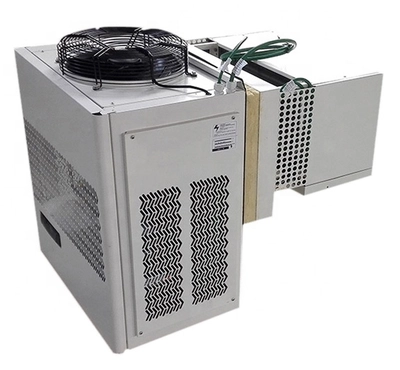
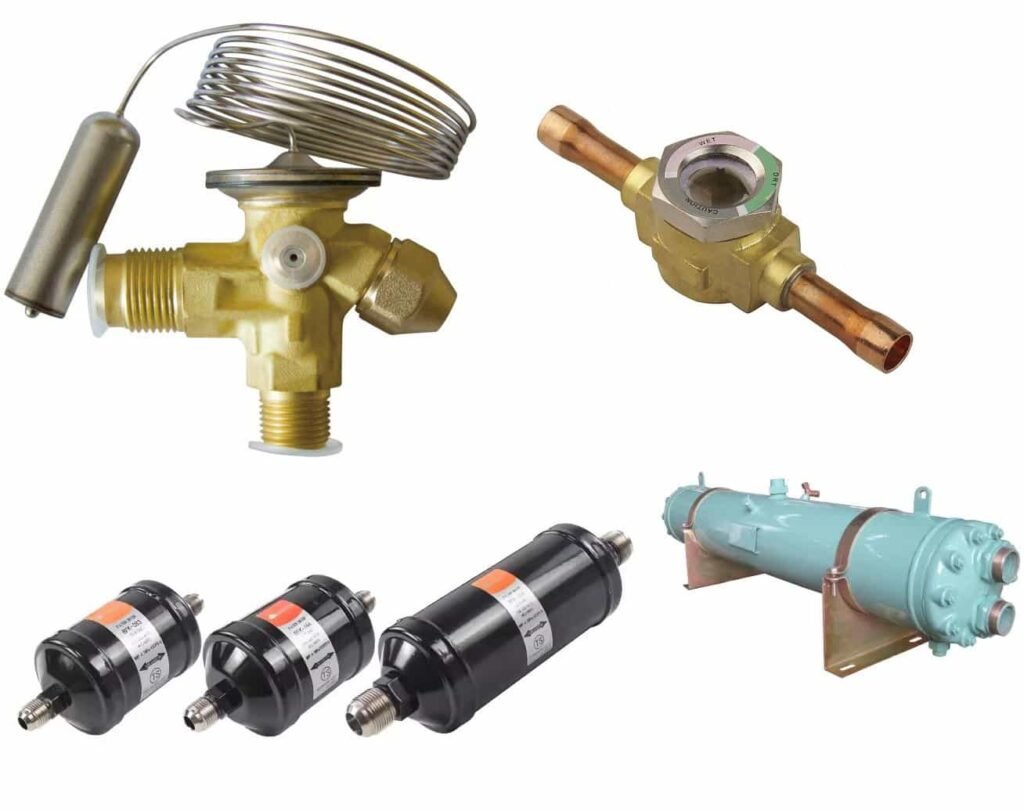
Medische en chemische koelkamers ondersteunen veilig, stabiele opslag voor producten die geen temperatuurschommelingen verdragen, slechte monitoring, of zwakke veiligheidscontrole.
Een betrouwbare oplossing doet meer dan alleen een kamer koud houden. Het moet overeenkomen met het product, het opslagrisico, de toestand van de locatie, en de operationele behoeften van de gebruiker. Daarom omvat een complete koelruimteoplossing doorgaans ook een ruimteontwerp, koelapparatuur, toezicht houden, back-up bescherming, veiligheidsvoorzieningen, ondersteuning bij inbedrijfstelling, en langdurige dienstverlening.
In deze handleiding wordt uitgelegd wat medische en chemische koelcellen zijn, hoe ze verschillen van standaard koude opslag, welke ontwerppunten het belangrijkst zijn, en hoe u de juiste oplossing voor uw project kiest.
Wat is een medische koude kamer?
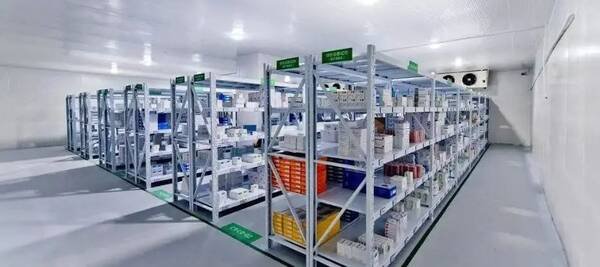
Medische koude kamer, vaak een farmaceutische koelkamer genoemd, is een inlooptemperatuurgecontroleerde opslagruimte voor producten met gedefinieerde bewaarcondities. Typische toepassingen zijn onder meer vaccins, geneesmiddelen, reagentia, diagnostische producten, geselecteerde API's en biologische materialen. Bloedproducten, Voor klinische monsters en andere gespecialiseerde materialen zijn mogelijk afzonderlijke productspecifieke normen en operationele procedures vereist.
De kamer moet meer doen dan alleen een instelpunt bereiken. Het moet de omstandigheden in het gehele bruikbare opslagvolume controleren, ondersteuning van monitoring en alarmen, herstellen van normale deuropeningen en gegevens overleggen die voldoen aan de kwaliteitseisen van de eigenaar.
Definieer de producten vóór het ontwerp
Maak een lijst van elke productgroep voordat u de kamer- en koelapparatuur selecteert. Noteer het goedgekeurde opslagbereik, gevoeligheid voor bevriezing, toegestane excursieprocedure, pakkettype, maximale voorraad, laadmethode en scheidingsbehoeften. Ga er niet vanuit dat alle vaccins, geneesmiddelen, reagentia of biologische materialen delen dezelfde opslagomstandigheden.
Wat is een chemische koude kamer?
Chemische koelruimte is een temperatuurgecontroleerde ruimte voor chemicaliën die een stabiele opslag bij lage temperatuur of een strengere omgevingscontrole nodig hebben.
Het wordt vaak gebruikt in laboratoria, chemische fabrieken, farmaceutische faciliteiten, onderzoekscentra, en industriële locaties waar productstabiliteit en opslagveiligheid beide van belang zijn.
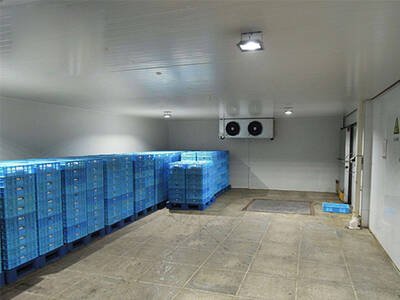
In tegenstelling tot een standaard koelcel, Een chemische koude kamer moet meer omvatten dan alleen de temperatuur. Bij het ontwerp moet mogelijk rekening worden gehouden met chemische compatibiliteit, corrosieweerstand, ventilatie, controle over morsen, beperkte toegang, en in sommige gevallen explosieveilige bescherming.
Om die reden, Het ontwerp van chemische koelruimtes moet altijd beginnen met de daadwerkelijke materiaallijst, bewaaromstandigheden, en veiligheidseisen.
Typische toepassingen
Medische en farmaceutische koelkamers worden hier vaak voor gebruikt:
-
Vaccins
-
Geneesmiddelen
-
Reagentia
-
Biologische monsters
-
Bloedgerelateerde materialen
-
API's en farmaceutische tussenproducten
-
Diagnostische producten
-
Laboratorium materialen
Hier worden vaak chemische koelcellen voor gebruikt:
-
Temperatuurgevoelige chemicaliën
-
Laboratorium chemicaliën
-
Speciale chemicaliën
-
Bijtende chemicaliën
-
Vluchtige chemicaliën
-
Chemische tussenproducten
-
Onderzoeksmaterialen
-
Geselecteerde brandbare materialen, waarbij het ontwerp voldoet aan de vereiste veiligheidsnorm
Vóór het definitieve ontwerp, gebruikers moeten de werkelijke opslagbehoefte van elk product bevestigen.
Temperatuur is belangrijk, maar het is niet de enige factor.
Verpakking, laadpatroon, houdbaarheid, toegangsfrequentie, en veiligheidsrisico's kunnen allemaal van invloed zijn op de uiteindelijke configuratie van de koelruimte.
Aanbevolen temperatuurbereiken
Verschillende producten vereisen verschillende bewaartemperaturen. Een professioneel ontwerp moet altijd uitgaan van de producteis in plaats van één standaardtemperatuur voor elke toepassing te hanteren.
Veel voorkomende temperatuurbereiken in medisch en farmaceutisch projecten omvatten:
-
2 tot 8°C voor veel vaccins, geneesmiddelen, en reagentia
-
15 tot 25°C voor opslag op gecontroleerde kamertemperatuur
-
-20°C voor sommige biologische materialen en geselecteerde producten
-
Lagere temperaturen voor speciale toepassingen
Chemische producten kan ook gekoelde opslag of opslag op lage temperatuur nodig hebben, maar de juiste instelling is afhankelijk van de productspecificatie, stabiel doelwit, SDS, en risicobeoordeling van de locatie.
Om deze reden, kopers moeten vermijden om een koude kamer alleen op temperatuur te kiezen. Het juiste systeem moet ook weerspiegelen hoe de ruimte dagelijks zal worden gebruikt.
| Chemisch | Temperatuurvereiste |
|---|---|
| Aceton | -20° C |
| Acetonitril | 2-8° C |
| Ammoniak | < -33°C |
| Benzeen | 2-8° C |
| Chloroform | 2-8° C |
| Cyclohexaan | 2-8° C |
| Dichloormethaan (dichloormethaan) | 2-8° C |
| Diethyl ether | 2-8° C |
| Dimethylformamide (DMF) | 2-8° C |
| Dimethylsulfoxide (DMSO) | -20° C |
| Ethyleenglycol | -10° C |
| Formaldehyde | < -40°C |
| Ijsazijn | 2-8° C |
| Glycerol | 15-25° C |
| Hexaan | 2-8° C |
| Zoutzuur | 15-25° C |
| Waterstof peroxide | -20 ~ -30°C |
| Isopropanol (IPA) | 2-8° C |
| Methanol | -20° C |
| Methyleenblauw | 2-8° C |
| Salpeterzuur | -20 ~-30°C |
| Fenol | 2-8° C |
| Kaliumpermanganaat | 15-25° C |
| Propyleenglycol | 15-25° C |
| Natriumazide | -20 ~ -30°C |
| Natriumhydroxide | 15-25° C |
| Zwavelzuur | 15-25° C |
| Tolueen | 2-8° C |
| Xyleen | 2-8° C |
| Droog ijs (vast koolstofdioxide) | -78.5° C |
| Vloeibare stikstof | -196° C |
Typische chemicaliëntemperatuur
Waarom een standaard koelruimte niet genoeg is?
Een standaard koelruimte kan een instelpunt van de controller handhaven zonder te bewijzen dat elke opslaglocatie binnen het goedgekeurde bereik blijft. Rekken, laden, deur verkeer, ontdooiing en luchtverdeling kunnen warme of koude zones creëren. Farmaceutische projecten kunnen ook gekalibreerde monitoring vereisen, alarm escalatie, back-upplanning, temperatuurkartering en gedocumenteerde overdrachtstests.
Definieer deze vereisten voordat u apparatuur selecteert. Als u ze na installatie toevoegt, kunnen er ongeschikte opslagzones ontstaan, zwakke alarmdekking of onvolledige gegevens.
Wat een complete oplossing voor koude ruimtes is?
Een complete koelceloplossing dekt de volledige projectcyclus, niet alleen de uitrustingslijst.
Structuur van de kamer
De ruimtestructuur omvat isolatiepanelen, deuren, vloer ontwerp, afdichtingsdetails, en interne indeling.
Een goede structuur vermindert de warmtewinst, verbetert de temperatuur stabiel, ondersteunt de dagelijkse werking, en helpt het systeem sneller te herstellen na het openen van de deur.
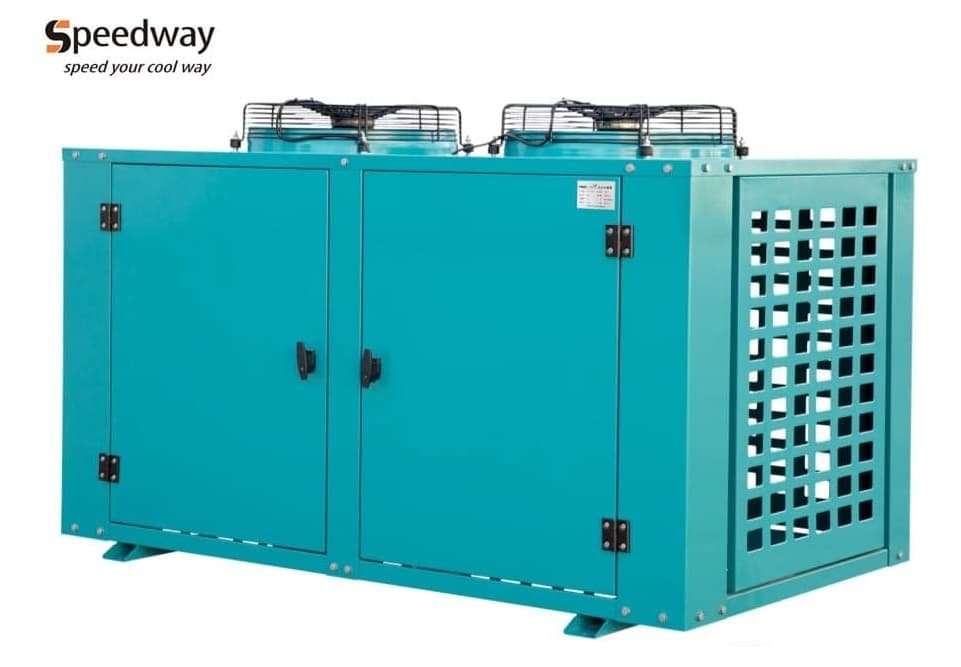
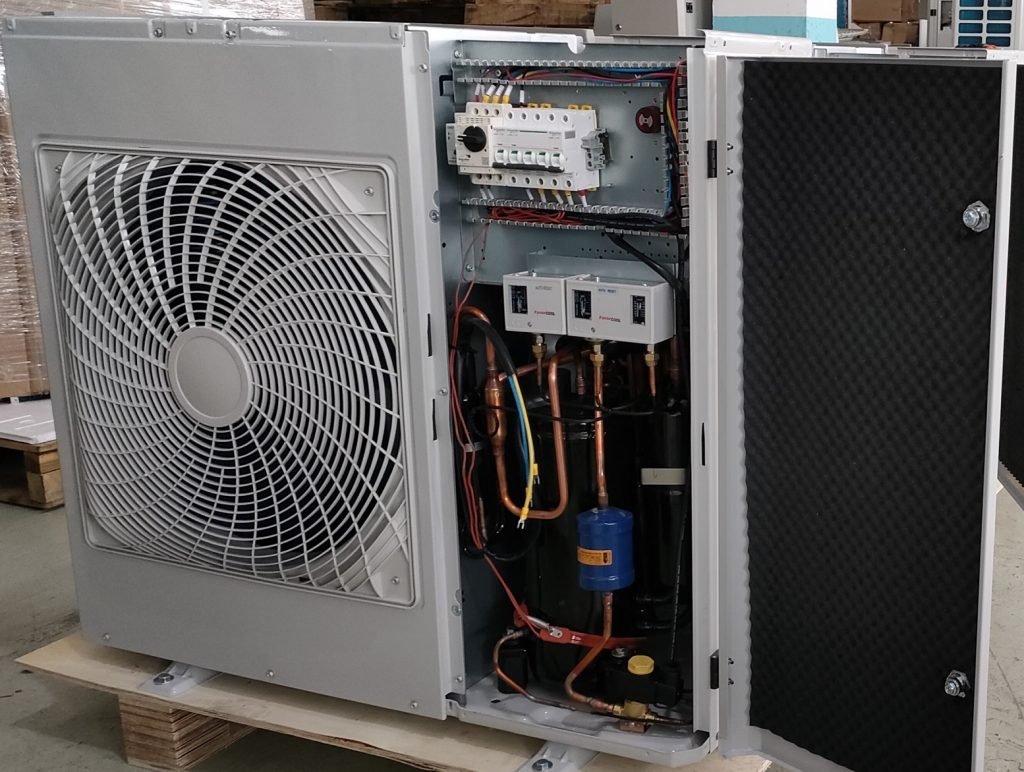
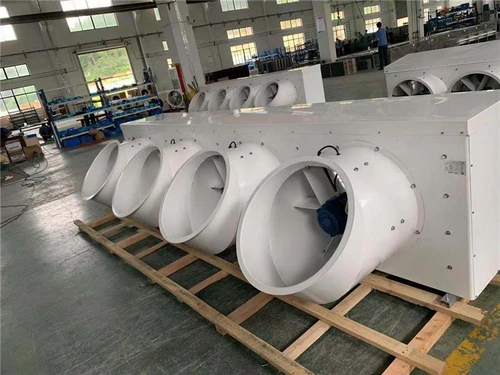
Koelsysteem
Het koelsysteem moet passen bij de grootte van de ruimte, doel temperatuur, plaatselijke omgevingstemperatuur, productlading, en openingsfrequentie van de deur.
Een juiste systeemselectie ondersteunt stabiele prestaties onder reële bedrijfsomstandigheden in plaats van alleen onder ideale testomstandigheden.
Toezicht en controle
Een professionele koelcel moet beschikken over een betrouwbaar regelsysteem met temperatuurbewaking, alarmen, en bedrijfsstatusweergave.
Veel projecten vereisen ook datalogging, toegang op afstand, en alarmmelding om een snellere reactie te ondersteunen.
Back-up en redundantie
Stroomstoringen en apparatuurstoringen kunnen ernstige productrisico's met zich meebrengen.
Afhankelijk van het project, de oplossing kan back-upstroom omvatten, UPS-ondersteuning voor besturingen, stand-by koelapparatuur, of een breder noodplan.
Veiligheidsvoorzieningen
Het veiligheidsontwerp kan een nooddeurontgrendeling omvatten, intern alarm, noodverlichting, toegangscontrole, antislipvloer, bescherming tegen morsen, ventilatie, en explosieveilige componenten waar nodig.
Het juiste veiligheidspakket is afhankelijk van de opgeslagen materialen en de werkomgeving.
Documentatie en ondersteuning
Bij een totaaloplossing horen ook technische tekeningen, uitrustingsdetails, installatie begeleiding, ondersteuning bij inbedrijfstelling, onderhoudsaanbevelingen, en waar nodig, ondersteuning voor testen of validatie.
Dit is een van de duidelijkste verschillen tussen een projectgerichte leverancier en een leverancier die alleen standaardapparatuur verkoopt.
Overwegingen bij het ontwerp van medische koelruimtes
Temperatuurstabiliteit en distributie
De controller toont de temperatuur bij één sensor. Het bewijst niet dat elke bruikbare opslaglocatie binnen het goedgekeurde bereik blijft.
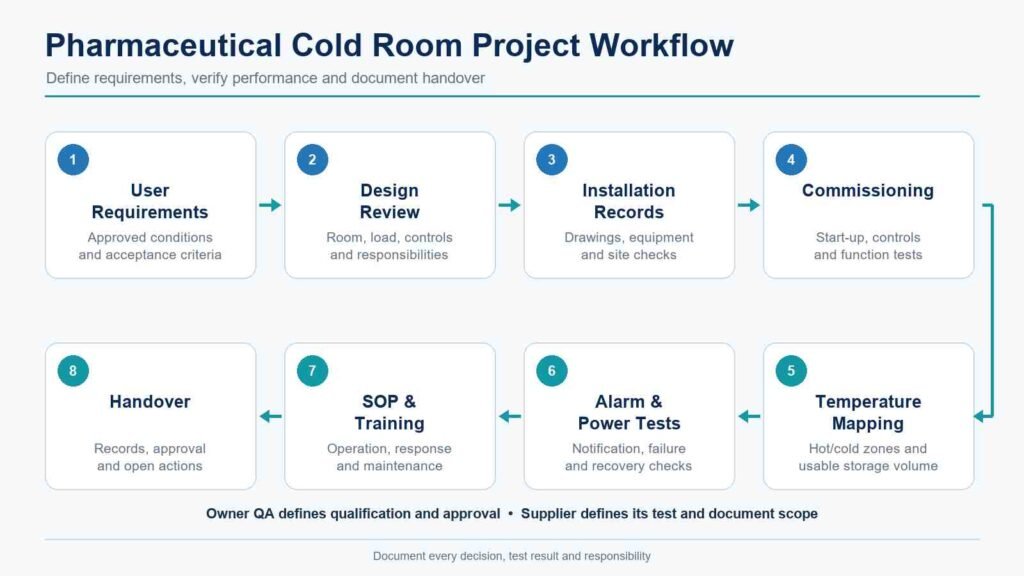
Luchtverdeling, rekken, laden, deur verkeer, ontdooien, en de positie van de sensor kunnen warme of koude zones creëren. Definieer het bruikbare opslagvolume, volledige temperatuurkartering onder de vereiste omstandigheden, en plaats routinematige monitoringsensoren volgens de onderzoeksresultaten.
Herstel van deuropening
Noteer de verwachte openingsfrequentie van de deur, openingsduur, en laadpatroon.
Bepaal het koelsysteem op maat en plan de luchtstroom zodat de ruimte zich kan herstellen onder de afgesproken bedrijfsomstandigheden.
Controleer het herstel tijdens de inbedrijfstelling in plaats van alleen te vertrouwen op ontwerpaannames.
Bewaking en alarmlogica
Definieer het meetbereik, nauwkeurigheid, kalibratievereisten, opname-interval, alarmvertraging, meldingspad, en reactieprocedure.
Hoog testen- en lage temperatuuralarmen, sensorfouten, en communicatieverlies vóór de overdracht. Bewaar de testresultaten bij de inbedrijfstellingsgegevens.
Reserveplan
Beoordeel het stroomverlies, besturingsfout, sensorstoring, communicatie verlies, en storingen in het koelsysteem.
Stem de back-upstrategie af op de productwaarde, toegestane belichtingstijd, reactie van de dienst, en noodoverdrachtscapaciteit.
Interne indeling en rekken
Houd producten uit de buurt van koelspiralen, directe luchtstromen, deuren, en andere in kaart gebrachte risicozones.
Markeer onbruikbare opslagruimtes en laadlimieten na het in kaart brengen. Zorg ervoor dat planken of pallets de toevoer- of retourluchtstroom niet blokkeren.
Inbedrijfstelling, Kwalificatie en in kaart brengen
De leverancier moet installatiecontroles documenteren, opstarten van apparatuur, controle functies, alarmen, en overeengekomen prestatietests. Het kwaliteitsteam van de eigenaar moet het kwalificatie- en validatieplan definiëren.
Het in kaart brengen van de temperatuur moet de temperatuurverdeling over het bruikbare opslagvolume onder de gespecificeerde testomstandigheden aantonen.

Overwegingen bij het ontwerp van chemische koelruimtes
Het ontwerp van een chemische koelruimte moet de werkelijke materialen volgen die in de ruimte zijn opgeslagen. Temperatuurbeheersing alleen is geen veilige oplossing.
Op SDS gebaseerd opslagplan
De eerste stap is het begrijpen van de materiaallijst en het doornemen van het veiligheidsinformatieblad voor elk product.
Het ontwerpteam moet de opslagtemperatuur bevestigen, risico's van incompatibiliteit, verwerkingslimieten, en eventuele speciale veiligheidscontroles die nodig zijn tijdens opslag en toegang.
Chemische compatibiliteit en segregatie
KENNISGEVING: Niet alle chemicaliën kunnen samen worden opgeslagen!
Sommige projecten vereisen fysieke scheiding, verschillende opslagzones, of zelfs aparte ruimtes op basis van compatibiliteit en gevarenklasse. U moet deze beslissing vroeg in het project nemen, niet na installatie.
Corrosiebestendige materiaalkeuze
Sommige chemicaliën kunnen standaard metalen onderdelen beschadigen, afwerkingen van vloeren, rekken, en hardware.
De interne materiaalkeuze moet overeenkomen met het werkelijke risico op blootstelling aan chemische stoffen. Dit verbetert de duurzaamheid op de lange termijn en helpt latere onderhoudsproblemen te verminderen.
Ventilatie en dampbeheersing
Bij sommige chemicaliën kunnen tijdens opslag of hantering dampen vrijkomen.
Bij deze toepassingen, ventilatieontwerp wordt een belangrijk onderdeel van de ruimteoplossing. Bij het ontwerp moet rekening worden gehouden met luchtuitwisseling, uitlaat route, blootstelling van de operator, en veiligheidseisen op locatie.
Brand- en explosierisicobeheersing
Wanneer de opslag brandbare of vluchtige materialen betreft, Het project vereist mogelijk explosieveilige elektrische componenten en een sterkere brandrisicobeheersing.
Dit mag nooit beperkt blijven tot de verlichtingsarmatuur alleen.
Het volledige elektrische en veiligheidsontwerp moet overeenkomen met het werkelijke risiconiveau van de toepassing.
Controle van lekkages en reactie op noodsituaties
Een chemische koelruimte moet ook de beheersing van lekkages aanpakken, bescherming van de vloer, waarschuwingsetiketten, beperkte toegang, en noodplan.
Deze details maken vaak het verschil tussen een eenvoudige koelcel en een veilige oplossing voor chemische opslag.
Normen en nalevingsoverwegingen
Voor medische koelkamers, gemeenschappelijke normen en richtlijnen omvatten:
- WHO PQS en vereisten voor de koelketen van vaccins
- Het bbp van de EU, GMP-vereisten voor opslagomgeving, records, en validatie
- FDA 21 CFR-onderdeel 11 voor elektronische dossiers en audittrails, en GSP- of GDP-vereisten voor temperatuur- en vochtigheidsmonitoring, alarmen, en gegevensrecords.
- ISO 14644 is alleen van toepassing als het project een ontwerp van een cleanroom of een gecontroleerde schone omgeving betreft.
- Bloedopslag vereist ook productspecifieke bloedbanknormen en kan niet aan één algemene regel worden voldaan.
Voor chemische koelruimtes, gemeenschappelijke referentiepunten omvatten:
- Ontvlambare en brandbare chemische opslagcodes
- ATEX- of IECEx-vereisten
- Explosieveilige elektrische vereisten
- NFPA-richtlijnen voor brand- en explosiebeveiliging
- SDS-gebaseerd opslagontwerp, vereisten voor secundaire insluiting en lekkagecontrole, ventilatie- en luchtverversingsvereisten, en richtlijnen voor scheiding van chemische compatibiliteit.
Medische koude kamer versus chemische koude kamer
Medische en chemische koelkamers kunnen een vergelijkbare structuur hebben, maar ze lossen verschillende problemen op.
In eenvoudige bewoordingen:
- Medische koelkamers richten zich op opslagcontrole en productbescherming.
- Een chemische koelcel moet dat doen en tegelijkertijd de materiaalspecifieke veiligheidsrisico's beheersen.
Veel voorkomende fouten bij projecten voor medische koelkamers
Veel medische koelkamerproblemen komen voort uit een zwakke planning, niet alleen door de apparatuur.
Veel voorkomende fouten zijn onder meer:
-
Kies de kamergrootte zonder plannen te maken voor toekomstige uitbreidingen
-
Concentreer u op de ingestelde temperatuur, maar negeer de uniforme temperatuur
-
Gebruik plankindelingen die de luchtstroom blokkeren
-
Negeer de dagelijkse openingsfrequentie van de deur tijdens de systeemselectie
-
Installeer te weinig meetpunten
-
Zorg voor alarmen zonder escalatie op afstand
-
Sla de juiste inbedrijfstelling vóór gebruik over
-
Er is geen noodoverdrachtsplan voor kritieke producten
Een beter project begint met duidelijke bedrijfsinformatie. De leverancier moet het producttype begrijpen, gebruikspatroon van de kamer, lokaal klimaat, en het vereiste beschermingsniveau vóór de definitieve selectie.
Veel voorkomende fouten bij projecten voor chemische koelruimtes
KENNISGEVING: Storingen in chemische koelruimtes komen vaak voor omdat de projecten zich richten op de koelcapaciteit en het opslagrisico negeren.
Veel voorkomende fouten zijn onder meer:
-
Meng onverenigbare chemicaliën in één kamer
-
Negeer SDS-opslagvereisten
-
Gebruik interne materialen die niet bestand zijn tegen chemische blootstelling
-
Zorg dat er geen strategie is om lekkages in te dammen
-
Gebruik ongeschikte elektrische componenten in toepassingen met een hoger risico
-
Negeer de behoeften op het gebied van ventilatie of dampbeheersing
-
Zorg voor zwakke labels en toegangscontrole
-
Ontwerp de ruimte zonder noodplanning
Als een projectteam alleen de doeltemperatuur bespreekt, het ontwerp is nog steeds niet compleet.
Hoe u de juiste koelruimteoplossing kiest?
Voordat u aan een project begint, stel deze vragen:
-
Welke producten gaat u opslaan??
-
Wat is uw vereiste temperatuurbereik?
-
Wat is het totale opslagvolume?
-
Hoe vaak gaat de deur elke dag open??
-
Heeft u planken of palletopslag nodig??
-
Wordt het systeem binnen of buiten geïnstalleerd??
-
Wat is de hoogste lokale omgevingstemperatuur?
-
Heeft u monitoring op afstand en datalogging nodig??
-
Heeft u back-upstroom of standby-koeling nodig??
-
Heeft u testen nodig, kwalificatie, of validatieondersteuning?
-
Zorgen de opgeslagen materialen voor corrosie?, morsen, vuur, of explosiegevaar?
-
Heeft u ruimte nodig voor toekomstige uitbreiding??
Deze vragen helpen bij het bepalen van de juiste kamergrootte, koelcapaciteit, veiligheidspakket, en monitoringniveau. Ze helpen de leverancier ook om een nauwkeuriger voorstel te doen.
Wat kopers van een leverancier moeten vragen
Prijs is belangrijk, maar het mag nooit de enige vraag zijn.
Een serieuze koper moet er ook om vragen:
-
Indelingstekening van de kamer
-
Uitrustingslijst
-
Selectiebasis voor koeling
-
Paneeldikte en materiaaldetails
-
Elektrisch schema
-
Bewakings- en alarmfunctielijst
-
Sensorhoeveelheid en locatieplan
-
Installatiebereik
-
Reikwijdte van de inbedrijfstelling
-
O&M handleiding
-
Lijst met reserveonderdelen
-
Garantievoorwaarden
-
Ondersteuningsbereik voor tests of validatie, indien nodig
Deze documenten helpen kopers te beoordelen of de leverancier de projectoplevering begrijpt, niet alleen de levering van apparatuur.
Installatie, Inbedrijfstelling, en ondersteuning na verkoop
De prestaties van koude ruimtes zijn van meer afhankelijk dan alleen de productkwaliteit. Installatiekwaliteit, kwaliteit van de inbedrijfstelling, en after-salesondersteuning hebben allemaal invloed op de resultaten op de lange termijn.
Een complete oplossing zou moeten omvatten:
-
Beoordeling van de staat van de locatie vóór installatie
-
Duidelijke installatierichtlijnen
-
Koelleidingen en elektrische ondersteuning
-
Opstarten en inbedrijfstelling
-
Temperatuurtest vóór overdracht
-
Gebruikerstraining
-
Preventieve onderhoudsaanbevelingen
-
Ondersteuning voor reserveonderdelen
-
Technische ondersteuning op afstand
Voordat u een bestelling plaatst, u moet ook bevestigen wie de kamer zal installeren, die de inbedrijfstelling zal verzorgen, en hoe de technische ondersteuning na de overdracht zal werken.
Conclusie
Een medische of chemische koelcel moet bij het product passen, de omstandigheden ter plaatse, en het reële bedrijfsrisico.
Een betrouwbare oplossing moet het ontwerp van de ruimte combineren, koelprestaties, toezicht houden, back-up bescherming, veiligheidscontrole, documentatie, en serviceondersteuning.
Als u een koelkamer voor vaccins plant, Farmaceutische koude kamer, reagens opslagruimte, of chemische koude kamer, de beste eerste stap is het definiëren van uw producttype, doel temperatuur, opslagvolume, en omstandigheden ter plaatse duidelijk. Dat maakt het veel eenvoudiger om een oplossing te kiezen die zowel de dagelijkse werking als de betrouwbaarheid op de lange termijn ondersteunt.