ห้องเย็นทางการแพทย์และเคมีรองรับความปลอดภัย, การจัดเก็บที่มั่นคงสำหรับผลิตภัณฑ์ที่ไม่สามารถทนต่อความผันผวนของอุณหภูมิได้, การตรวจสอบที่ไม่ดี, หรือการควบคุมความปลอดภัยที่อ่อนแอ.
โซลูชั่นที่เชื่อถือได้ไม่เพียงแต่ทำให้ห้องเย็นเท่านั้น. มันควรจะตรงกับผลิตภัณฑ์, ความเสี่ยงในการจัดเก็บ, สภาพไซต์, และความต้องการในการดำเนินงานของผู้ใช้. นั่นคือเหตุผลว่าทำไมโซลูชันห้องเย็นแบบครบวงจรจึงมักรวมเอาการออกแบบห้องไว้ด้วย, อุปกรณ์ทำความเย็น, การตรวจสอบ, การป้องกันการสำรองข้อมูล, คุณสมบัติด้านความปลอดภัย, การสนับสนุนการว่าจ้าง, และบริการระยะยาว.
คู่มือนี้จะอธิบายว่าห้องเย็นทางการแพทย์และเคมีคืออะไร, แตกต่างจากห้องเย็นมาตรฐานอย่างไร, จุดการออกแบบใดที่สำคัญที่สุด, และวิธีการเลือกโซลูชันที่เหมาะสมสำหรับโครงการของคุณ.
ห้องเย็นทางการแพทย์คืออะไร?
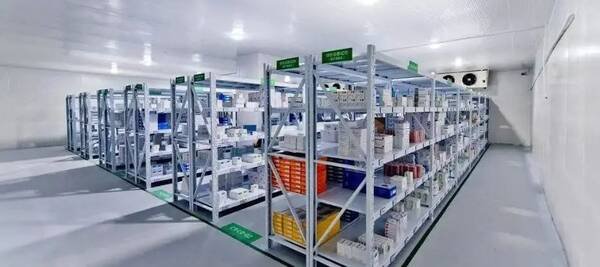
ห้องเย็นทางการแพทย์, มักเรียกว่าห้องเย็นยา, เป็นพื้นที่จัดเก็บแบบควบคุมอุณหภูมิแบบวอล์คอินสำหรับสินค้าที่มีเงื่อนไขการจัดเก็บที่กำหนดไว้. การใช้งานทั่วไป ได้แก่ วัคซีน, ยา, น้ำยา, ผลิตภัณฑ์วินิจฉัย, APIs และวัสดุชีวภาพที่เลือกสรร. ผลิตภัณฑ์เลือด, ตัวอย่างทางคลินิกและวัสดุเฉพาะทางอื่นๆ อาจต้องมีมาตรฐานและขั้นตอนการปฏิบัติงานเฉพาะผลิตภัณฑ์แยกต่างหาก.
ห้องต้องทำมากกว่าถึงจุดที่ตั้งไว้. จะต้องควบคุมเงื่อนไขตลอดปริมาณการจัดเก็บที่ใช้ได้, รองรับการตรวจสอบและการเตือนภัย, ฟื้นตัวจากการเปิดประตูปกติและจัดทำบันทึกที่ตรงกับข้อกำหนดด้านคุณภาพของเจ้าของ.
กำหนดผลิตภัณฑ์ก่อนการออกแบบ
ระบุแต่ละกลุ่มผลิตภัณฑ์ก่อนเลือกห้องและอุปกรณ์ทำความเย็น. บันทึกช่วงการจัดเก็บที่ได้รับอนุมัติ, แช่แข็งความไว, ขั้นตอนการเดินทางที่ได้รับอนุญาต, ประเภทแพ็คเกจ, สต็อกสูงสุด, วิธีการโหลดและความต้องการในการแยก. อย่าคิดว่าวัคซีนทุกชนิด, ยา, รีเอเจนต์หรือวัสดุชีวภาพมีสภาวะการเก็บรักษาเหมือนกัน.
ห้องเย็นเคมีคืออะไร?
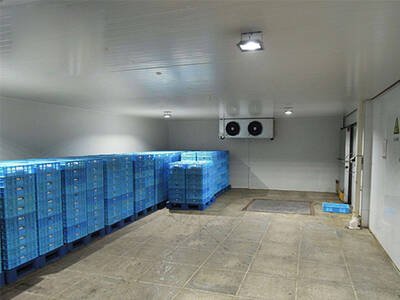
ห้องเย็นเคมีเป็นห้องควบคุมอุณหภูมิสำหรับสารเคมีที่ต้องการการจัดเก็บที่อุณหภูมิต่ำอย่างคงที่หรือการควบคุมสิ่งแวดล้อมที่เข้มงวดยิ่งขึ้น.
มักใช้ในห้องปฏิบัติการ, โรงงานเคมี, สิ่งอำนวยความสะดวกด้านเภสัชกรรม, ศูนย์วิจัย, และไซต์งานอุตสาหกรรมที่ความเสถียรของผลิตภัณฑ์และความปลอดภัยในการจัดเก็บมีความสำคัญ.
ต่างจากห้องเย็นมาตรฐาน, ห้องเย็นเคมีต้องอยู่มากกว่าอุณหภูมิ. การออกแบบอาจต้องคำนึงถึงความเข้ากันได้ของสารเคมีด้วย, ความต้านทานการกัดกร่อน, การระบายอากาศ, การควบคุมการรั่วไหล, การเข้าถึงแบบจำกัด, และในบางกรณีสามารถป้องกันการระเบิดได้.
ด้วยเหตุผลนั้น, การออกแบบห้องเย็นเคมีควรเริ่มต้นด้วยรายการวัสดุจริงเสมอ, สภาพการเก็บรักษา, และข้อกำหนดด้านความปลอดภัย.
แอปพลิเคชันทั่วไป
ห้องเย็นทางการแพทย์และเภสัชกรรม มักใช้สำหรับ:
-
วัคซีน
-
ยา
-
รีเอเจนต์
-
ตัวอย่างทางชีวภาพ
-
วัสดุที่เกี่ยวข้องกับเลือด
-
API และตัวกลางทางเภสัชกรรม
-
ผลิตภัณฑ์วินิจฉัย
-
วัสดุห้องปฏิบัติการ
ห้องเย็นเคมีมักใช้สำหรับ:
-
สารเคมีที่ไวต่ออุณหภูมิ
-
สารเคมีในห้องปฏิบัติการ
-
สารเคมีชนิดพิเศษ
-
สารเคมีที่มีฤทธิ์กัดกร่อน
-
สารเคมีระเหยง่าย
-
ตัวกลางเคมี
-
วัสดุการวิจัย
-
เลือกใช้วัสดุไวไฟ, โดยการออกแบบเป็นไปตามมาตรฐานความปลอดภัยที่กำหนด
ก่อนการออกแบบขั้นสุดท้าย, ผู้ใช้ควรยืนยันข้อกำหนดการจัดเก็บจริงของแต่ละผลิตภัณฑ์.
อุณหภูมิเป็นสิ่งสำคัญ, แต่มันไม่ใช่ปัจจัยเดียวเท่านั้น.
บรรจุภัณฑ์, รูปแบบการโหลด, อายุการเก็บรักษา, ความถี่ในการเข้าถึง, และความเสี่ยงด้านความปลอดภัยอาจส่งผลต่อการกำหนดค่าห้องเย็นขั้นสุดท้ายได้.
ช่วงอุณหภูมิที่แนะนำ
ผลิตภัณฑ์ที่แตกต่างกันต้องการอุณหภูมิในการจัดเก็บที่แตกต่างกัน. การออกแบบอย่างมืออาชีพควรเริ่มจากความต้องการของผลิตภัณฑ์เสมอ แทนที่จะใช้อุณหภูมิมาตรฐานเดียวสำหรับทุกการใช้งาน.
ช่วงอุณหภูมิทั่วไปใน การแพทย์และเภสัชกรรม โครงการต่างๆ ได้แก่:
-
2 ถึง 8°C สำหรับวัคซีนหลายชนิด, ยา, และรีเอเจนต์
-
15 ถึง 25°C สำหรับการเก็บรักษาที่อุณหภูมิห้องแบบควบคุม
-
-20°C สำหรับวัสดุชีวภาพบางชนิดและผลิตภัณฑ์ที่เลือกสรร
-
อุณหภูมิต่ำลงสำหรับการใช้งานพิเศษ
ผลิตภัณฑ์เคมี อาจต้องเก็บในตู้เย็นหรืออุณหภูมิต่ำด้วย, แต่การตั้งค่าที่ถูกต้องขึ้นอยู่กับข้อมูลจำเพาะของผลิตภัณฑ์, เป้าหมายที่มั่นคง, เอกสารความปลอดภัย, และการประเมินความเสี่ยงของสถานที่.
สำหรับเหตุผลนี้, ผู้ซื้อควรหลีกเลี่ยงการเลือกห้องเย็นตามอุณหภูมิเท่านั้น. ระบบที่เหมาะสมควรสะท้อนถึงวิธีการใช้ห้องในแต่ละวันด้วย.
| เคมี | ความต้องการอุณหภูมิ |
|---|---|
| อะซิโตน | -20องศาเซลเซียส |
| อะซิโตไนไทรล์ | 2-8องศาเซลเซียส |
| แอมโมเนีย | < -33°C |
| น้ำมันเบนซิน | 2-8องศาเซลเซียส |
| คลอโรฟอร์ม | 2-8องศาเซลเซียส |
| ไซโคลเฮกเซน | 2-8องศาเซลเซียส |
| ไดคลอโรมีเทน (เมทิลีนคลอไรด์) | 2-8องศาเซลเซียส |
| ไดเอทิลอีเทอร์ | 2-8องศาเซลเซียส |
| ไดเมทิลฟอร์มาไมด์ (ทบ) | 2-8องศาเซลเซียส |
| ไดเมทิลซัลฟอกไซด์ (สพม) | -20องศาเซลเซียส |
| เอทิลีนไกลคอล | -10องศาเซลเซียส |
| ฟอร์มาลดีไฮด์ | < -40°C |
| กรดอะซิติกน้ำแข็ง | 2-8องศาเซลเซียส |
| กลีเซอรอล | 15-25องศาเซลเซียส |
| เฮกเซน | 2-8องศาเซลเซียส |
| กรดไฮโดรคลอริก | 15-25องศาเซลเซียส |
| ไฮโดรเจนเปอร์ออกไซด์ | -20 ~ -30°C |
| ไอโซโพรพานอล (ไอพีเอ) | 2-8องศาเซลเซียส |
| เมทานอล | -20องศาเซลเซียส |
| เมทิลีนบลู | 2-8องศาเซลเซียส |
| กรดไนตริก | -20 ~-30°ซ |
| ฟีนอล | 2-8องศาเซลเซียส |
| ด่างทับทิม | 15-25องศาเซลเซียส |
| โพรพิลีนไกลคอล | 15-25องศาเซลเซียส |
| โซเดียมอะไซด์ | -20 ~ -30°C |
| โซเดียมไฮดรอกไซด์ | 15-25องศาเซลเซียส |
| กรดซัลฟูริก | 15-25องศาเซลเซียส |
| โทลูอีน | 2-8องศาเซลเซียส |
| ไซลีน | 2-8องศาเซลเซียส |
| น้ำแข็งแห้ง (คาร์บอนไดออกไซด์ที่เป็นของแข็ง) | -78.5องศาเซลเซียส |
| ไนโตรเจนเหลว | -196องศาเซลเซียส |
อุณหภูมิสารเคมีทั่วไป
ทำไมห้องเย็นมาตรฐานถึงไม่เพียงพอ?
ห้องเย็นมาตรฐานอาจรักษาเซ็ตพอยต์ของตัวควบคุมไว้ได้โดยไม่ต้องพิสูจน์ว่าสถานที่จัดเก็บทุกแห่งอยู่ภายในช่วงที่ได้รับอนุมัติ. ชั้นวางของ, กำลังโหลด, การจราจรที่ประตู, การละลายน้ำแข็งและการกระจายลมสามารถสร้างโซนร้อนหรือเย็นได้. โครงการด้านเภสัชกรรมอาจต้องมีการตรวจสอบเทียบมาตรฐานด้วย, การยกระดับการเตือนภัย, การวางแผนการสำรองข้อมูล, การทำแผนที่อุณหภูมิและการทดสอบการส่งมอบที่จัดทำเป็นเอกสาร.
กำหนดข้อกำหนดเหล่านี้ก่อนเลือกอุปกรณ์. การเพิ่มหลังการติดตั้งอาจทำให้พื้นที่จัดเก็บข้อมูลไม่เหมาะสมได้, สัญญาณเตือนภัยครอบคลุมน้อยหรือบันทึกไม่สมบูรณ์.
อะไรทำให้เกิดโซลูชั่นห้องเย็นที่สมบูรณ์แบบ?
โซลูชั่นห้องเย็นครบวงจรครอบคลุมทั้งโครงการ, ไม่ใช่แค่รายการอุปกรณ์เท่านั้น.
โครงสร้างห้อง
โครงสร้างห้องประกอบด้วยแผ่นฉนวน, ประตู, การออกแบบพื้น, รายละเอียดการปิดผนึก, และเค้าโครงภายใน.
โครงสร้างที่ดีจะช่วยลดความร้อนที่ได้รับ, ช่วยเพิ่มอุณหภูมิให้คงที่, รองรับการทำงานประจำวัน, และช่วยให้ระบบฟื้นตัวเร็วขึ้นหลังเปิดประตู.
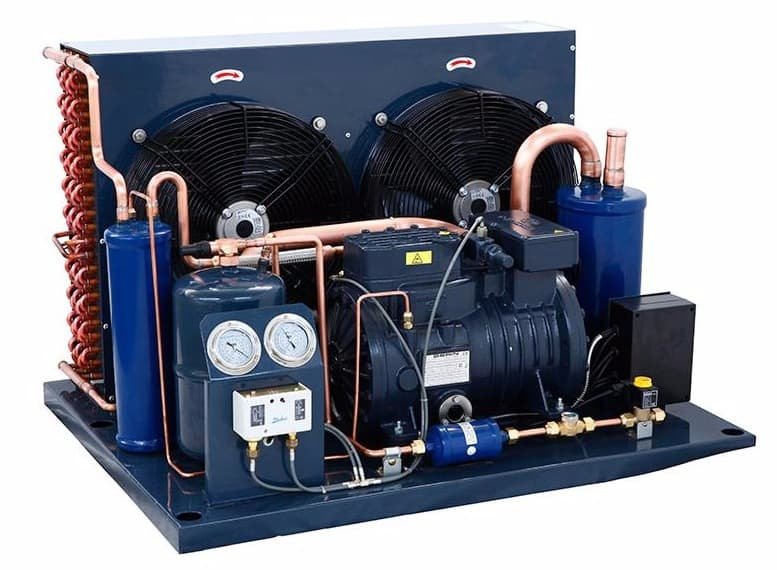
ระบบทำความเย็น
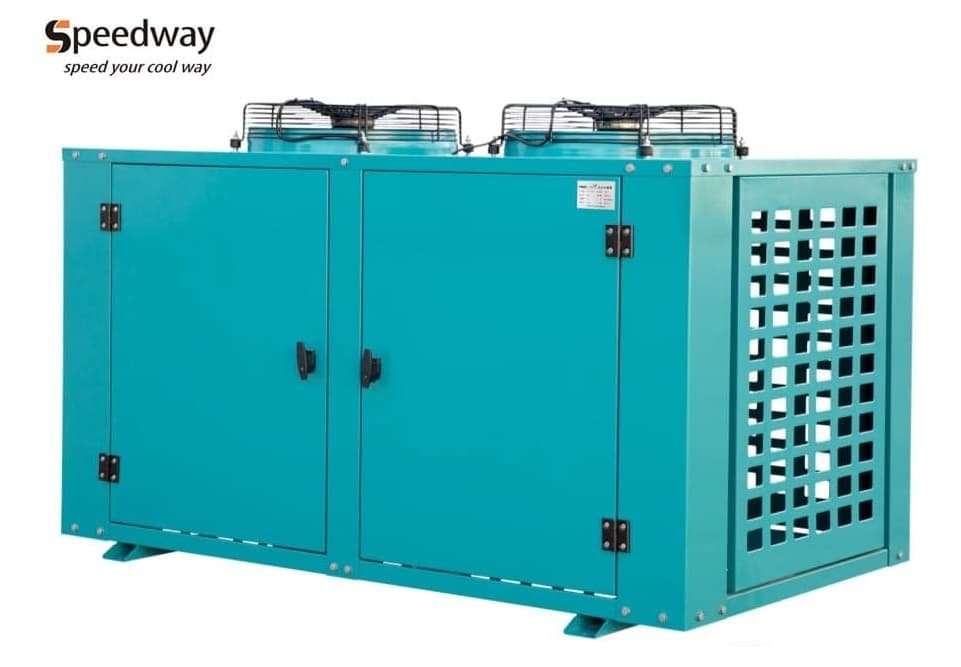
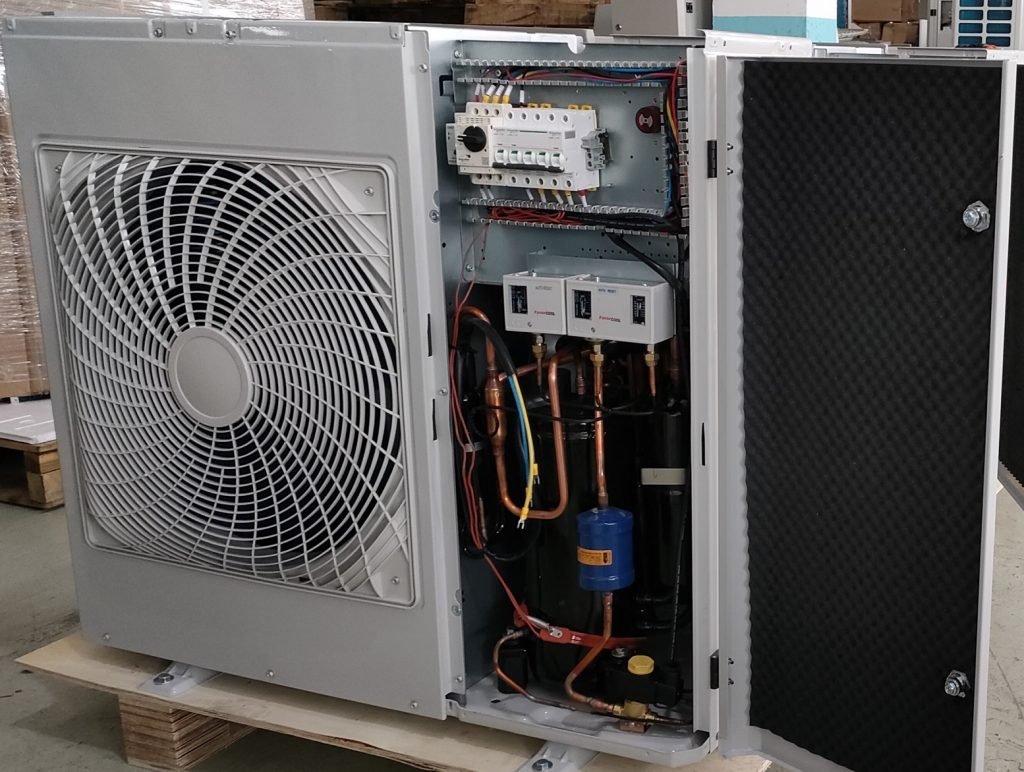
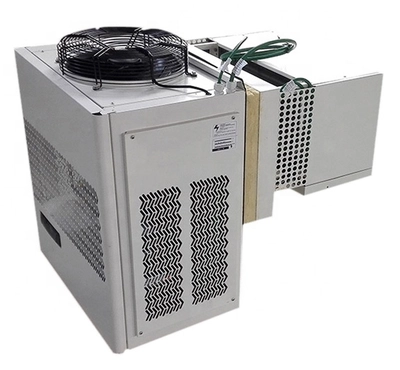
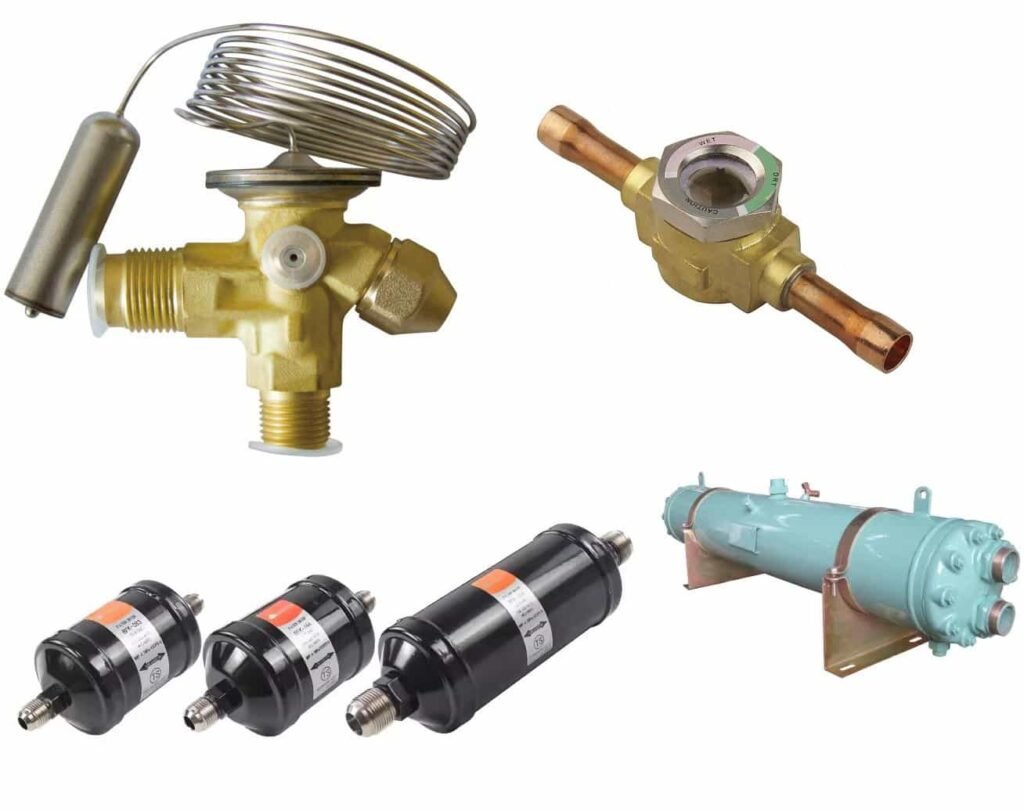
ระบบทำความเย็นควรเหมาะสมกับขนาดห้อง, อุณหภูมิเป้าหมาย, อุณหภูมิโดยรอบในท้องถิ่น, โหลดผลิตภัณฑ์, และความถี่ในการเปิดประตู.
การเลือกระบบที่ถูกต้องสนับสนุนประสิทธิภาพที่เสถียรภายใต้สภาวะการทำงานจริง แทนที่จะเป็นเพียงสภาวะการทดสอบที่เหมาะสมเท่านั้น.
การติดตามและการควบคุม
ห้องเย็นแบบมืออาชีพควรมีระบบควบคุมที่เชื่อถือได้พร้อมการตรวจวัดอุณหภูมิ, สัญญาณเตือน, และแสดงสถานะการทำงาน.
หลายโครงการยังต้องมีการบันทึกข้อมูลด้วย, การเข้าถึงระยะไกล, และการแจ้งเตือนเพื่อรองรับการตอบสนองที่รวดเร็วยิ่งขึ้น.
การสำรองข้อมูลและความซ้ำซ้อน
ไฟฟ้าขัดข้องและความล้มเหลวของอุปกรณ์อาจสร้างความเสี่ยงร้ายแรงต่อผลิตภัณฑ์.
ขึ้นอยู่กับโครงการ, การแก้ปัญหาอาจรวมถึงพลังงานสำรองด้วย, รองรับ UPS สำหรับการควบคุม, อุปกรณ์ทำความเย็นสแตนด์บาย, หรือแผนฉุกเฉินที่กว้างขึ้น.
คุณสมบัติด้านความปลอดภัย
การออกแบบด้านความปลอดภัยอาจรวมถึงการเปิดประตูฉุกเฉิน, สัญญาณเตือนภายใน, ไฟฉุกเฉิน, การควบคุมการเข้าถึง, พื้นกันลื่น, ป้องกันการรั่วไหล, การระบายอากาศ, และส่วนประกอบที่ป้องกันการระเบิดเมื่อจำเป็น.
แพ็คเกจความปลอดภัยที่เหมาะสมนั้นขึ้นอยู่กับวัสดุที่จัดเก็บและสภาพแวดล้อมในการทำงาน.
เอกสารและการสนับสนุน
โซลูชันที่สมบูรณ์ควรมีภาพวาดทางเทคนิคด้วย, รายละเอียดอุปกรณ์, คำแนะนำในการติดตั้ง, การสนับสนุนการว่าจ้าง, คำแนะนำในการบำรุงรักษา, และในที่ที่จำเป็น, การสนับสนุนการทดสอบหรือการตรวจสอบความถูกต้อง.
นี่เป็นหนึ่งในความแตกต่างที่ชัดเจนที่สุดระหว่างซัพพลายเออร์ที่มุ่งเน้นโครงการกับซัพพลายเออร์ที่ขายเฉพาะอุปกรณ์มาตรฐานเท่านั้น.
ข้อควรพิจารณาในการออกแบบห้องเย็นทางการแพทย์
ความเสถียรและการกระจายอุณหภูมิ
ตัวควบคุมจะแสดงอุณหภูมิที่เซ็นเซอร์ตัวเดียว. ไม่ได้พิสูจน์ว่าสถานที่จัดเก็บที่ใช้งานได้ทุกแห่งยังคงอยู่ในช่วงที่ได้รับอนุมัติ.
การกระจายอากาศ, การเก็บเข้าลิ้นชัก, กำลังโหลด, การจราจรที่ประตู, ละลายน้ำแข็ง, และตำแหน่งเซ็นเซอร์สามารถสร้างโซนร้อนหรือเย็นได้. กำหนดปริมาณการจัดเก็บข้อมูลที่ใช้งานได้, การทำแผนที่อุณหภูมิให้สมบูรณ์ภายใต้เงื่อนไขที่กำหนด, และวางเซ็นเซอร์ตรวจติดตามเป็นประจำตามผลการศึกษา.
การกู้คืนการเปิดประตู
บันทึกความถี่ในการเปิดประตูที่คาดหวัง, ระยะเวลาเปิด, และรูปแบบการโหลด.
ปรับขนาดระบบทำความเย็นและวางแผนการไหลเวียนของอากาศเพื่อให้ห้องสามารถฟื้นตัวได้ภายใต้สภาวะการทำงานที่ตกลงกันไว้.
ตรวจสอบการฟื้นตัวระหว่างการทดสอบการทำงาน แทนที่จะอาศัยเพียงสมมติฐานการออกแบบเท่านั้น.
ลอจิกการตรวจสอบและสัญญาณเตือน
กำหนดช่วงการวัด, ความแม่นยำ, ข้อกำหนดการสอบเทียบ, ช่วงเวลาการบันทึก, ความล่าช้าในการปลุก, เส้นทางการแจ้งเตือน, และขั้นตอนการตอบกลับ.
ทดสอบสูง- และสัญญาณเตือนอุณหภูมิต่ำ, ความผิดปกติของเซ็นเซอร์, และการสื่อสารขาดหายก่อนส่งมอบ. เก็บผลการทดสอบไว้พร้อมกับบันทึกการว่าจ้าง.
แผนสำรอง
ประเมินการสูญเสียพลังงาน, ความล้มเหลวของตัวควบคุม, เซ็นเซอร์ล้มเหลว, การสูญเสียการสื่อสาร, และระบบทำความเย็นล้มเหลว.
จับคู่กลยุทธ์การสำรองข้อมูลกับมูลค่าผลิตภัณฑ์, เวลาเปิดรับแสงที่อนุญาต, การตอบสนองการบริการ, และความสามารถในการถ่ายโอนฉุกเฉิน.
เค้าโครงภายในและชั้นวางของ
เก็บผลิตภัณฑ์ให้ห่างจากคอยล์เย็น, กระแสอากาศโดยตรง, ประตู, และโซนความเสี่ยงอื่นๆ ที่จัดทำแผนที่ไว้.
ทำเครื่องหมายพื้นที่จัดเก็บที่ไม่สามารถใช้งานได้และขีดจำกัดในการโหลดหลังจากการแมป. อย่าปล่อยให้ชั้นวางหรือพาเลทปิดกั้นการจ่ายหรือระบายอากาศกลับ.
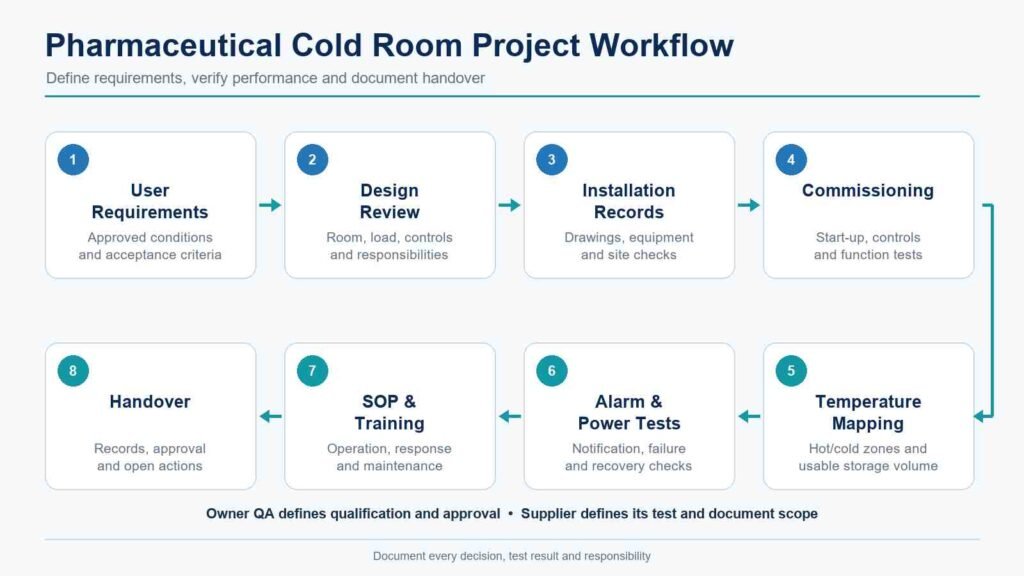
การว่าจ้าง, คุณสมบัติและการทำแผนที่
ซัพพลายเออร์ควรจัดทำเอกสารการตรวจสอบการติดตั้ง, การเริ่มต้นอุปกรณ์, ฟังก์ชั่นการควบคุม, สัญญาณเตือน, และตกลงทดสอบประสิทธิภาพ. ทีมงานคุณภาพของเจ้าของควรกำหนดคุณสมบัติและแผนการตรวจสอบ.
การทำแผนที่อุณหภูมิควรแสดงให้เห็นการกระจายของอุณหภูมิตลอดปริมาตรการจัดเก็บที่ใช้ได้ภายใต้เงื่อนไขการทดสอบที่ระบุ.
ข้อควรพิจารณาในการออกแบบห้องเย็นเคมี
การออกแบบห้องเย็นเคมีควรเป็นไปตามวัสดุจริงที่เก็บไว้ในห้อง. การควบคุมอุณหภูมิเพียงอย่างเดียวไม่ได้กำหนดวิธีแก้ปัญหาที่ปลอดภัย.
แผนการจัดเก็บข้อมูลตาม SDS
ขั้นตอนแรกคือการทำความเข้าใจรายการวัสดุและตรวจสอบ SDS สำหรับแต่ละผลิตภัณฑ์.
ทีมออกแบบควรยืนยันอุณหภูมิในการเก็บรักษา, ความเสี่ยงที่เข้ากันไม่ได้, ขีดจำกัดการจัดการ, และการควบคุมความปลอดภัยพิเศษใดๆ ที่จำเป็นระหว่างการจัดเก็บและการเข้าถึง.
ความเข้ากันได้และการแยกสารเคมี
สังเกต: สารเคมีบางชนิดไม่สามารถเก็บรวมกันได้!
บางโครงการจำเป็นต้องมีการแยกทางกายภาพ, โซนการจัดเก็บที่แตกต่างกัน, หรือแม้กระทั่งห้องแยกตามความเข้ากันได้และระดับความเป็นอันตราย. คุณควรตัดสินใจตั้งแต่เนิ่นๆ ในโครงการ, ไม่ใช่หลังการติดตั้ง.
การเลือกใช้วัสดุที่ทนต่อการกัดกร่อน
สารเคมีบางชนิดอาจทำให้ชิ้นส่วนโลหะมาตรฐานเสียหายได้, พื้นเสร็จสิ้น, การเก็บเข้าลิ้นชัก, และฮาร์ดแวร์.
การเลือกวัสดุภายในควรตรงกับความเสี่ยงการสัมผัสสารเคมีที่เกิดขึ้นจริง. สิ่งนี้จะช่วยเพิ่มความทนทานในระยะยาวและช่วยลดปัญหาการบำรุงรักษาในภายหลัง.
การระบายอากาศและการจัดการไอ
สารเคมีบางชนิดอาจปล่อยไอระเหยระหว่างการเก็บรักษาหรือการจัดการ.
ในแอปพลิเคชันเหล่านี้, การออกแบบการระบายอากาศกลายเป็นส่วนสำคัญของโซลูชันของห้อง. การออกแบบควรคำนึงถึงการแลกเปลี่ยนอากาศ, เส้นทางไอเสีย, การสัมผัสของผู้ปฏิบัติงาน, และข้อกำหนดด้านความปลอดภัยของสถานที่.
การควบคุมความเสี่ยงจากไฟไหม้และการระเบิด
เมื่อการจัดเก็บเกี่ยวข้องกับวัสดุไวไฟหรือระเหยได้, โครงการอาจต้องใช้อุปกรณ์ไฟฟ้าที่ป้องกันการระเบิดและการควบคุมความเสี่ยงจากไฟไหม้ที่แข็งแกร่งขึ้น.
สิ่งนี้ไม่ควรจำกัดอยู่เพียงอุปกรณ์ส่องสว่างเพียงอย่างเดียว.
การออกแบบทางไฟฟ้าและความปลอดภัยทั้งหมดควรตรงกับระดับความเสี่ยงที่แท้จริงของการใช้งาน.
การควบคุมการรั่วไหลและการตอบสนองต่อเหตุฉุกเฉิน
ห้องเย็นที่ใช้สารเคมีควรจัดการกับการหกรั่วไหลด้วย, ป้องกันพื้น, ป้ายเตือน, การเข้าถึงแบบจำกัด, และแผนเผชิญเหตุฉุกเฉิน.
รายละเอียดเหล่านี้มักสร้างความแตกต่างระหว่างห้องเย็นขั้นพื้นฐานและโซลูชันการจัดเก็บสารเคมีที่ปลอดภัย.
ข้อพิจารณาด้านมาตรฐานและการปฏิบัติตามข้อกำหนด
สำหรับห้องเย็นทางการแพทย์, มาตรฐานและแนวปฏิบัติทั่วไปประกอบด้วย:
- ข้อกำหนด PQS ของ WHO และวัคซีนสำหรับห่วงโซ่ความเย็น
- จีดีพีของสหภาพยุโรป, ข้อกำหนด GMP สำหรับสภาพแวดล้อมการจัดเก็บ, บันทึก, และการตรวจสอบ
- อย 21 ส่วนซีเอฟอาร์ 11 สำหรับบันทึกอิเล็กทรอนิกส์และเส้นทางการตรวจสอบ, และข้อกำหนด GSP หรือ GDP สำหรับการตรวจสอบอุณหภูมิและความชื้น, สัญญาณเตือน, และบันทึกข้อมูล.
- กอ.รมน 14644 ใช้เฉพาะเมื่อโครงการเกี่ยวข้องกับห้องปลอดเชื้อหรือการออกแบบสภาพแวดล้อมที่สะอาดที่มีการควบคุม.
- การเก็บเลือดยังต้องมีมาตรฐานธนาคารเลือดเฉพาะผลิตภัณฑ์ และไม่สามารถปฏิบัติตามกฎทั่วไปข้อใดข้อหนึ่งได้.
สำหรับห้องเย็นเคมี, จุดอ้างอิงทั่วไปได้แก่:
- รหัสการจัดเก็บสารเคมีไวไฟและติดไฟได้
- ข้อกำหนด ATEX หรือ IECEx
- ข้อกำหนดทางไฟฟ้าที่ป้องกันการระเบิด
- คำแนะนำการป้องกันอัคคีภัยและการระเบิดของ NFPA
- การออกแบบพื้นที่จัดเก็บข้อมูลแบบ SDS, ข้อกำหนดการกักกันทุติยภูมิและการควบคุมการรั่วไหล, ข้อกำหนดการระบายอากาศและการแลกเปลี่ยนอากาศ, และแนวทางการแยกความเข้ากันได้ของสารเคมี.
ห้องเย็นทางการแพทย์ VS ห้องเย็นเคมี
ห้องเย็นทางการแพทย์และเคมีอาจมีโครงสร้างคล้ายกัน, แต่พวกเขาก็แก้ปัญหาที่แตกต่างกัน.
ในแง่ง่ายๆ:
- ห้องเย็นทางการแพทย์เน้นการควบคุมการจัดเก็บและการปกป้องผลิตภัณฑ์.
- ห้องเย็นเคมีจะต้องทำเช่นนั้นในขณะเดียวกันก็จัดการความเสี่ยงด้านความปลอดภัยเฉพาะวัสดุด้วย.
ข้อผิดพลาดทั่วไปในโครงการห้องเย็นทางการแพทย์
ปัญหาห้องเย็นทางการแพทย์หลายอย่างมาจากการวางแผนที่อ่อนแอ, ไม่ใช่จากอุปกรณ์เพียงอย่างเดียว.
ข้อผิดพลาดทั่วไปได้แก่:
-
เลือกขนาดห้องโดยไม่ต้องวางแผนการขยายในอนาคต
-
มุ่งเน้นไปที่อุณหภูมิที่ตั้งไว้ แต่ไม่สนใจอุณหภูมิที่สม่ำเสมอ
-
ใช้เค้าโครงชั้นวางที่กีดขวางการไหลเวียนของอากาศ
-
ละเว้นความถี่ในการเปิดประตูในแต่ละวันระหว่างการเลือกระบบ
-
ติดตั้งจุดตรวจสอบน้อยเกินไป
-
มีสัญญาณเตือนโดยไม่มีการยกระดับระยะไกล
-
ข้ามการทดสอบการใช้งานที่เหมาะสมก่อนดำเนินการ
-
ไม่มีแผนการถ่ายโอนฉุกเฉินสำหรับผลิตภัณฑ์ที่สำคัญ
โครงการที่ดีกว่าเริ่มต้นด้วยข้อมูลการดำเนินงานที่ชัดเจน. ซัพพลายเออร์ควรเข้าใจประเภทผลิตภัณฑ์, รูปแบบการใช้ห้อง, สภาพอากาศในท้องถิ่น, และระดับการป้องกันที่จำเป็นก่อนการคัดเลือกขั้นสุดท้าย.
ข้อผิดพลาดทั่วไปในโครงการห้องเย็นเคมี
สังเกต: ความล้มเหลวของห้องเย็นที่ใช้สารเคมีมักเกิดขึ้นเนื่องจากโครงการมุ่งเน้นไปที่ความสามารถในการทำความเย็นและละเลยความเสี่ยงในการจัดเก็บ.
ข้อผิดพลาดทั่วไปได้แก่:
-
ผสมสารเคมีที่เข้ากันไม่ได้ในห้องเดียว
-
ละเว้นข้อกำหนดการจัดเก็บ SDS
-
ใช้วัสดุภายในที่ไม่สามารถต้านทานการสัมผัสสารเคมีได้
-
ไม่มีกลยุทธ์ในการควบคุมการรั่วไหล
-
ใช้ส่วนประกอบทางไฟฟ้าที่ไม่เหมาะสมในการใช้งานที่มีความเสี่ยงสูง
-
ละเว้นความต้องการการระบายอากาศหรือการควบคุมไอ
-
ให้การติดฉลากและการควบคุมการเข้าถึงที่อ่อนแอ
-
ออกแบบห้องโดยไม่ต้องวางแผนรับมือเหตุฉุกเฉิน
หากทีมงานหารือเกี่ยวกับอุณหภูมิเป้าหมายเท่านั้น, การออกแบบยังไม่สมบูรณ์.
วิธีการเลือกโซลูชั่นห้องเย็นที่เหมาะสม?
ก่อนที่จะเริ่มโครงการ, ถามคำถามเหล่านี้:
-
คุณจะเก็บผลิตภัณฑ์อะไร?
-
ช่วงอุณหภูมิที่คุณต้องการคือเท่าใด?
-
ปริมาณการจัดเก็บข้อมูลทั้งหมดคือเท่าใด?
-
ประตูจะเปิดบ่อยแค่ไหนในแต่ละวัน?
-
คุณต้องการชั้นวางหรือที่เก็บพาเลท?
-
ระบบจะติดตั้งภายในหรือภายนอกอาคาร?
-
อุณหภูมิโดยรอบในท้องถิ่นสูงสุดคือเท่าใด?
-
คุณต้องการการตรวจสอบระยะไกลและการบันทึกข้อมูลหรือไม่?
-
คุณต้องการพลังงานสำรองหรือเครื่องทำความเย็นสำรอง?
-
คุณต้องการการทดสอบหรือไม่, คุณสมบัติ, หรือการสนับสนุนการตรวจสอบ?
-
วัสดุที่เก็บไว้ทำให้เกิดการกัดกร่อนหรือไม่, หก, ไฟ, หรือเสี่ยงต่อการระเบิด?
-
คุณต้องการพื้นที่สำหรับการขยายในอนาคตหรือไม่?
คำถามเหล่านี้ช่วยกำหนดขนาดห้องที่เหมาะสม, ความจุความเย็น, แพคเกจความปลอดภัย, และระดับการตรวจติดตาม. นอกจากนี้ยังช่วยให้ซัพพลายเออร์จัดทำข้อเสนอที่แม่นยำยิ่งขึ้น.
สิ่งที่ผู้ซื้อควรถามจากซัพพลายเออร์
เรื่องราคา, แต่ไม่ควรเป็นเพียงคำถามเดียว.
ผู้ซื้อที่จริงจังควรขอด้วย:
-
การเขียนแบบผังห้อง
-
รายการอุปกรณ์
-
พื้นฐานการเลือกเครื่องทำความเย็น
-
ความหนาของแผงและรายละเอียดวัสดุ
-
แผนภาพไฟฟ้า
-
รายการฟังก์ชันการตรวจสอบและการเตือน
-
ปริมาณเซ็นเซอร์และแผนผังตำแหน่ง
-
ขอบเขตการติดตั้ง
-
ขอบเขตการว่าจ้าง
-
โอ&คู่มือเอ็ม
-
รายการอะไหล่
-
เงื่อนไขการรับประกัน
-
ขอบเขตการสนับสนุนการทดสอบหรือการตรวจสอบความถูกต้อง, ถ้าจำเป็น
เอกสารเหล่านี้ช่วยให้ผู้ซื้อประเมินว่าซัพพลายเออร์เข้าใจการส่งมอบโครงการหรือไม่, ไม่ใช่แค่การจัดหาอุปกรณ์เท่านั้น.
การติดตั้ง, การว่าจ้าง, และการสนับสนุนหลังการขาย
ประสิทธิภาพของห้องเย็นขึ้นอยู่กับคุณภาพของผลิตภัณฑ์มากกว่า. คุณภาพการติดตั้ง, คุณภาพการว่าจ้าง, และการบริการหลังการขายล้วนส่งผลต่อผลลัพธ์ในระยะยาว.
โซลูชั่นที่สมบูรณ์ควรประกอบด้วย:
-
การตรวจสอบสภาพไซต์ก่อนการติดตั้ง
-
คำแนะนำการติดตั้งที่ชัดเจน
-
ท่อทำความเย็นและการสนับสนุนไฟฟ้า
-
การเริ่มต้นและการว่าจ้าง
-
ทดสอบอุณหภูมิก่อนส่งมอบ
-
การฝึกอบรมผู้ใช้
-
คำแนะนำการบำรุงรักษาเชิงป้องกัน
-
สนับสนุนอะไหล่
-
การสนับสนุนทางเทคนิคระยะไกล
ก่อนทำการสั่งซื้อ, คุณควรยืนยันด้วยว่าใครจะติดตั้งห้อง, ใครจะเป็นผู้ดำเนินการว่าจ้าง, และการสนับสนุนด้านเทคนิคจะทำงานอย่างไรหลังการส่งมอบ.
บทสรุป
ห้องเย็นทางการแพทย์หรือเคมีควรตรงกับผลิตภัณฑ์, สภาพไซต์, และความเสี่ยงในการดำเนินงานที่แท้จริง.
โซลูชันที่เชื่อถือได้ควรรวมการออกแบบห้องเข้าด้วยกัน, ประสิทธิภาพการทำความเย็น, การตรวจสอบ, การป้องกันการสำรองข้อมูล, การควบคุมความปลอดภัย, เอกสารประกอบ, และการสนับสนุนการบริการ.
หากคุณกำลังวางแผนห้องเย็นวัคซีน, ห้องเย็นยา, ห้องเก็บรีเอเจนต์, หรือห้องเย็นเคมี, ขั้นตอนแรกที่ดีที่สุดคือการกำหนดประเภทผลิตภัณฑ์ของคุณ, อุณหภูมิเป้าหมาย, ปริมาณการจัดเก็บข้อมูล, และสภาพสถานที่อย่างชัดเจน. ช่วยให้เลือกโซลูชันที่รองรับทั้งการทำงานรายวันและความน่าเชื่อถือในระยะยาวได้ง่ายขึ้นมาก.