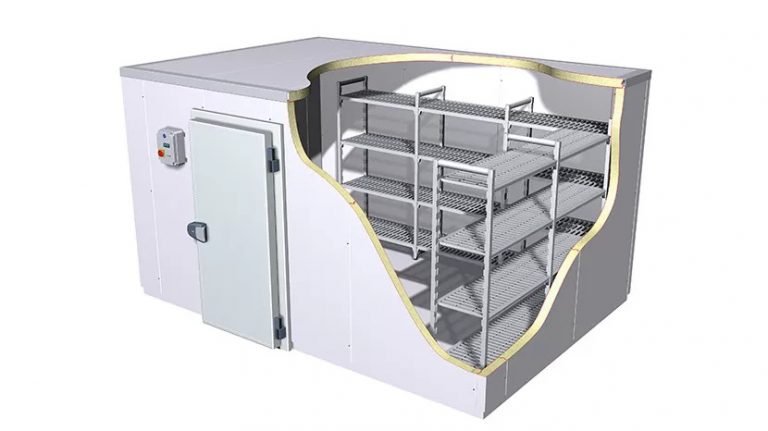
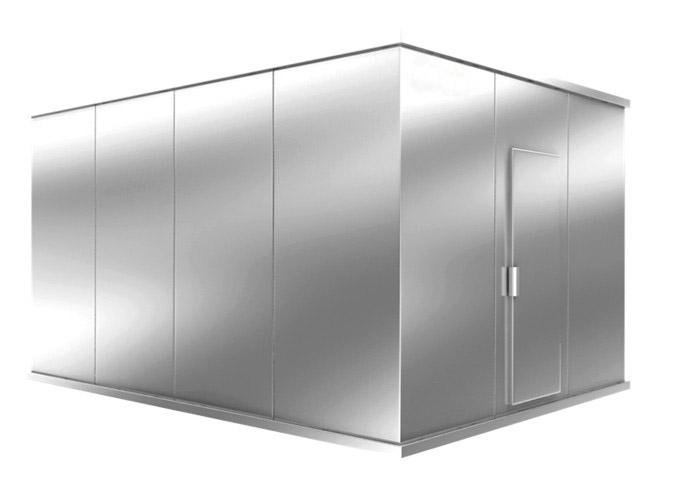
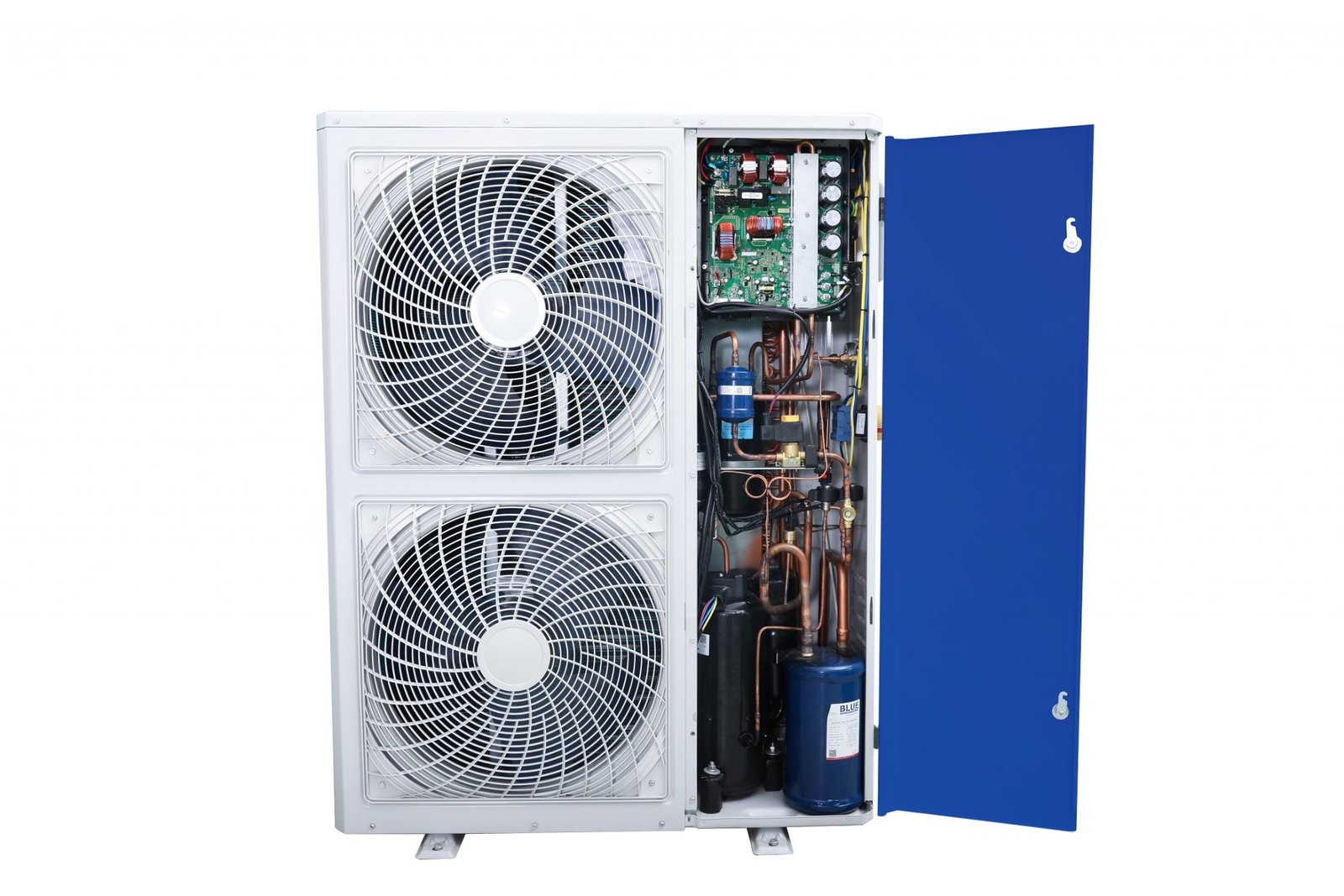
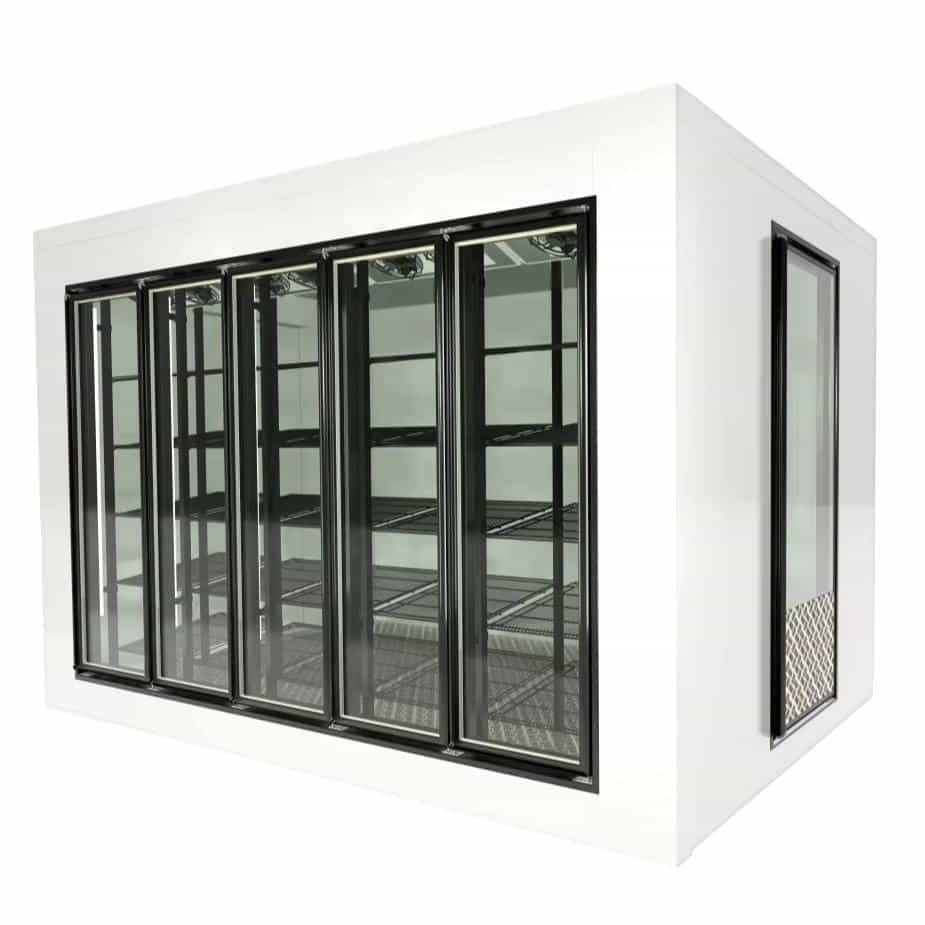
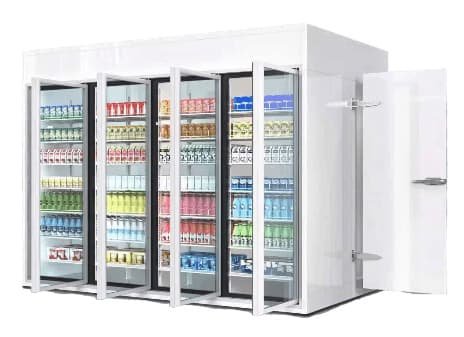
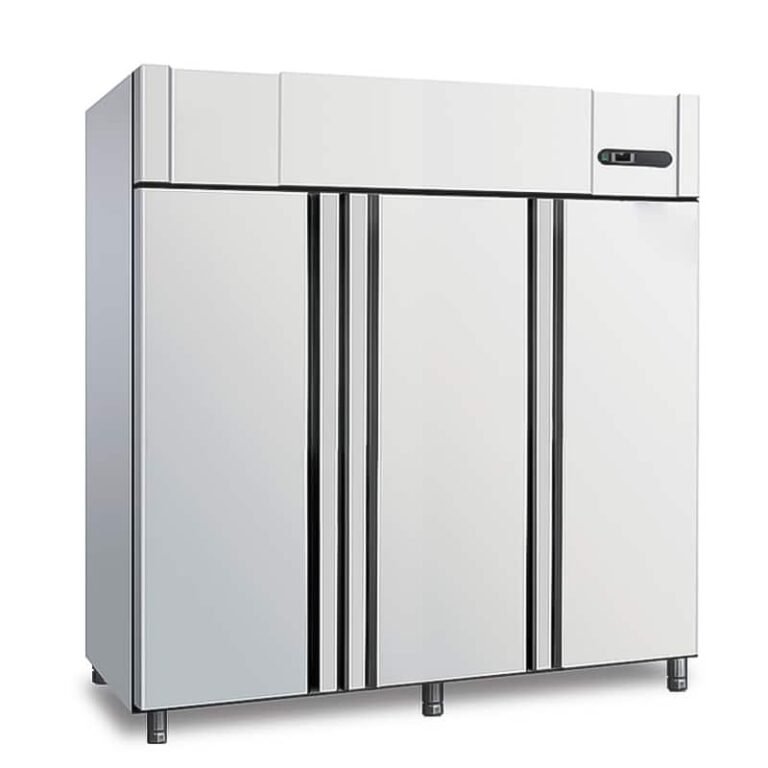
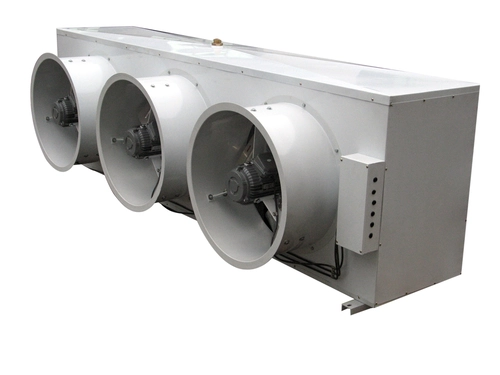
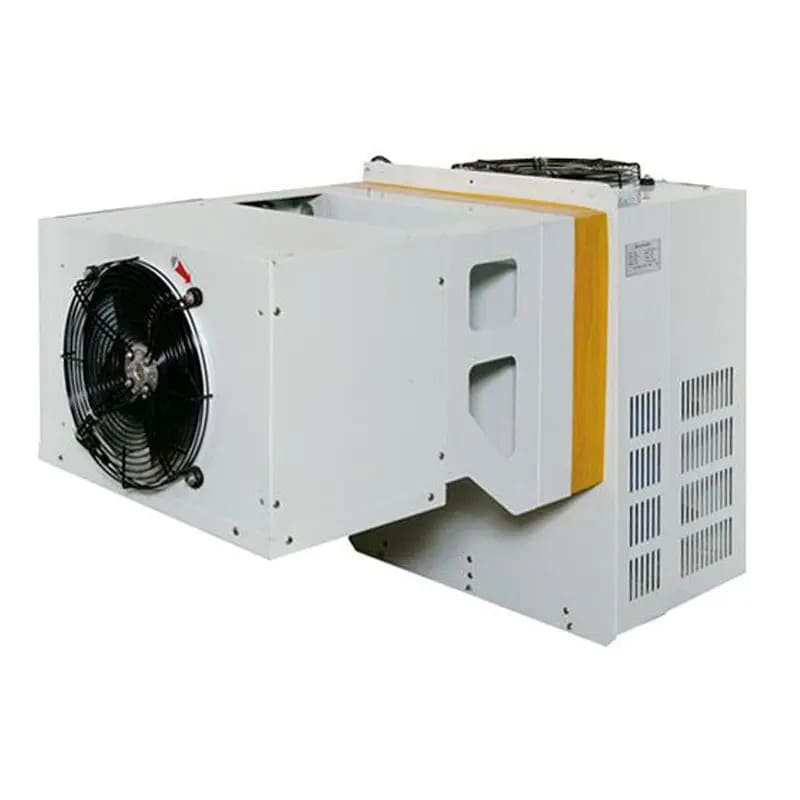
| System Design | All major parts stay in one compact unit, including compressor, condenser, evaporator, and control system | Condensing unit and evaporator stay separate and connect on site | Condensing unit and evaporator work as separate components, so you can match them more flexibly |
| Installation Difficulty | Low. It installs quickly and suits standardized projects | Medium. Installer needs to connect copper pipes, vacuum the system, charge refrigerant, and complete commissioning. | High. This setup needs a more experienced team and stronger on-site coordination. |
| Delivery Speed | High. It supports faster delivery and faster installation | Medium. On-site work usually takes longer. | Medium to low. System matching and commissioning often take more time. |
| Best Buyer Type | Wholesalers, installers, small and medium contractors, and buyers who want standard solutions | Contractors with installation ability and project-based buyers | Engineering contractors, large project buyers, and customers who need more system flexibility |
| Best Project Size | Small and medium cold rooms, standard cold rooms, and replacement projects | Fits small to medium cold room projects | Medium to large cold rooms or projects with higher custom needs |
| On-Site Work | Low. The team does less work on site | Higher. The installer needs solid refrigeration installation skills | High. The project needs system design, piping, electrical work, and commissioning together |
| Standardization | High. It works well for bulk purchasing and unified product planning | Medium | Low to medium. It leans more toward custom project work |
| Selection Flexible | Medium. Buyers usually choose from fixed models | Higher | High. Buyers can match components based on room size, working conditions, and budget |
| Purchasing Simple | High. The solution stays simple and needs less communication | Medium | Lower. The buyer usually needs more technical discussion at the early stage |
| Easy Installation | High. It saves labor time and speeds up project delivery | Medium. It depends more on installer experience | Medium to low. It fits more mature engineering teams |
| Maintenance Convenience | Medium. The integrated design keeps service points in one unit. | Medium | High. Separate components make replacement and future changes easier |
| Future Expansion | Lower | Medium | High. It suits future expansion and system adjustment better |
| Cost Structure | The unit cost may look more integrated, but installation cost usually stays lower | Equipment cost and installation cost stay more balanced | Design, installation, and commissioning costs usually run higher at the beginning |
| Stocking for Resale | Good for stock. Standard models make inventory planning easier for wholesalers | Possible, but buyers usually need to match stock with project demand | Not ideal for standard stock. It fits project supply better. |
| OEM | Good for OEM, private label, and standard product lines | Possible, but it offers less standardization than monoblock units | Better for project supply, not the most typical OEM standard product |
| Main Advantage | Fast installation, high standardization, good for bulk buying, and quicker project execution | More flexible layout and better fit for buyers with installation capability | More flexible configuration, stronger expandability, and better fit for complex projects |
| Main Limitation | Offer less flexibility than others | Needs more on-site installation and commissioning work | Bring higher technical requirements, longer project cycles, and more complex communication |