pengenalan
Against the backdrop of the rapid development of cold chain logistics, the cold room ante-room, a crucial yet often overlooked facility, comes into focus.This seemingly ordinary transitional space connecting the inside and outside is, in fact, like the throat of the human body.
Its design and operational status directly impact the “kesihatan” of the entire cold room system. It is not only the mandatory passage for goods but also a key buffer zone that safeguards temperature, ensures quality, enhances efficiency, and conserves energy.
This article will delve into the cold room ante-room, revealing its core value as a “temperature buffer.”
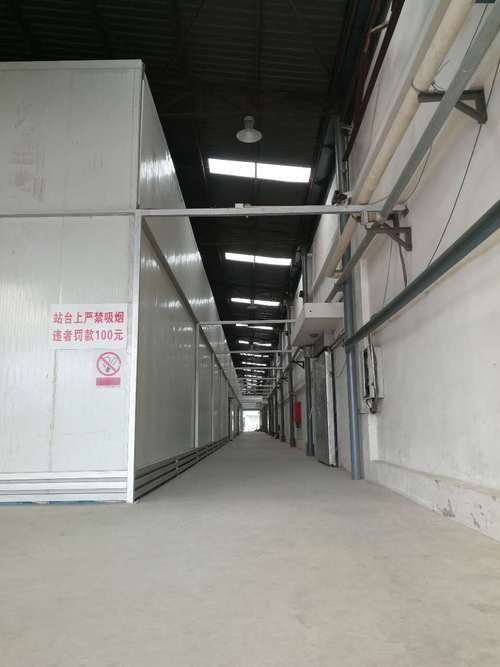
Anteroom
Definition and Physical Composition
1. Definisi
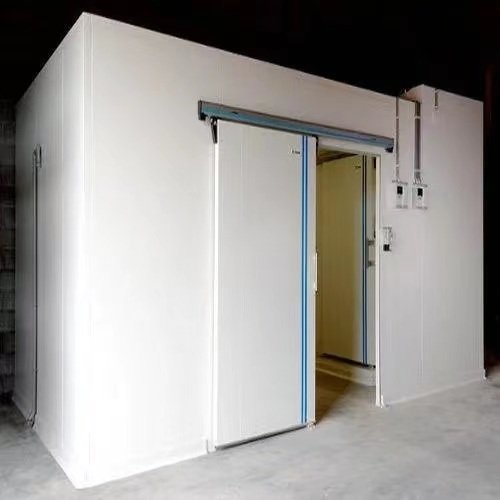
A cold room ante-room is an enclosed, insulated passageway situated between a cold room chamber and the external environment (such as a loading dock, sorting area, bilik pemprosesan, atau ruang lain).
Ia adalah zon suhu pertengahan terkawal untuk menyediakan peralihan beransur-ansur antara dua persekitaran dengan suhu yang jauh berbeza, menghalang pertukaran haba secara langsung dan sengit.
2. Lokasi dan Jenis
Bilik depan terletak di “pintu masuk” daripada kemudahan simpanan sejuk. Berdasarkan suhu bilik bilik sejuk yang mereka sediakan, mereka terutamanya dikategorikan ke dalam:
-
Bilik Ante Ambien: Menghubungkan bahagian luar ke ruang suhu tinggi (>0°C), biasanya dikekalkan pada 10-15°C.
-
Bilik Ante yang sejuk: Menghubungkan kawasan luar atau kawasan ambien ke kedai sejuk (0~4°C), biasanya ditetapkan antara 0~7°C.
-
Peti sejuk beku/Bilik Ante Suhu Rendah: Menghubungkan kedai sejuk atau di luar rumah ke gudang penyejuk beku (≤-18°C), biasanya ditetapkan antara -5~0°C. Beberapa gudang beku dalam (<-30°C) may even have ante-rooms around -10°C for stepwise temperature reduction.
3. Core Components
A fully functional ante-room integrates several technologies:
-
Structure and Insulation: Like the main cold room, it is constructed using sandwich panels (Polyurethane/Rockwool core) to ensure excellent thermal insulation.
-
Door Systems: These are the “checkpoints” of the ante-room. Biasanya, uses high-speed roll-up door (opens quickly to minimize open time) on the side facing the loading dock, while uses insulated electric sliding door or electric vertical lift door (high sealing capability) on the side facing the cold room chamber.
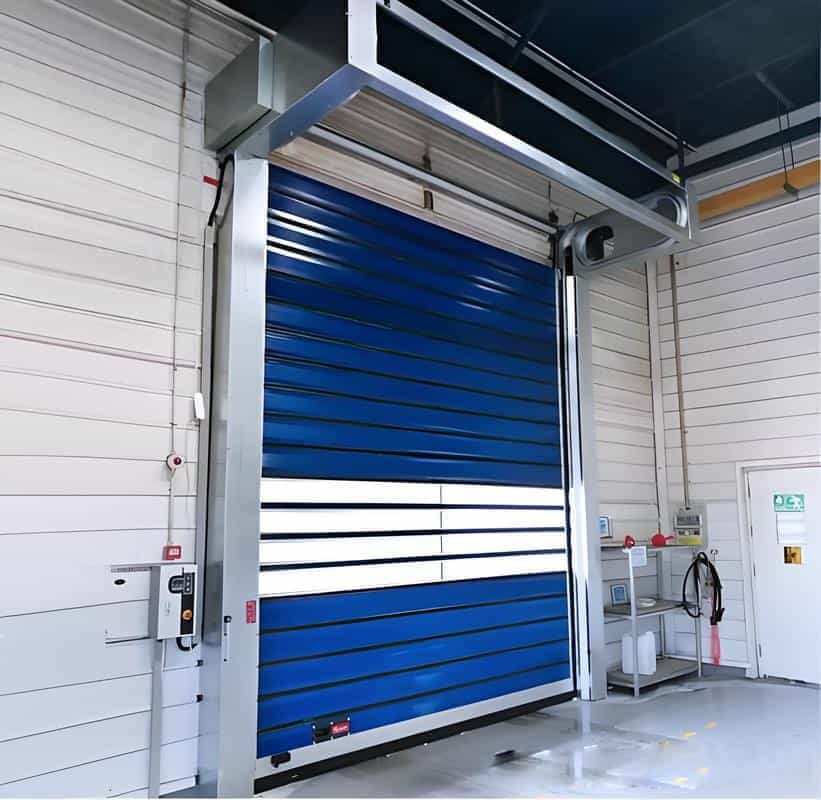
Automatic Roll-up Door
-
Ancillary Equipment: High-efficiency air curtains are essential above doors to create an air barrier when doors are open. Lighting uses low-temperature LED lamps for cold, persekitaran lembap. Lantai memerlukan rawatan anti-gelincir dan mesti sentiasa kering.
Fungsi teras
1. Penampan Suhu dan Penjaga Tenaga
Ini adalah peranan paling asas bagi ante-room.
Apabila pintu bilik sejuk terbuka terus ke luar, seketika itu, pertukaran sengit udara panas dan sejuk menyebabkan turun naik suhu yang drastik dan memaksa unit penyejukan berfungsi pada intensiti tinggi, meningkatkan penggunaan tenaga.
Bilik depan mengurangkan perkara ini dengan membahagikan satu pertukaran sengit kepada dua yang lebih lembut. Statistik menunjukkan bahawa bilik depan yang direka dengan baik boleh mengurangkan kehilangan sejuk akibat pembukaan pintu oleh berakhir 70%, menjadikannya salah satu langkah penjimatan tenaga yang paling berkesan untuk bilik sejuk.
2. Hab Logistik dan Nod Kecekapan
Bilik ante ialah “pentas” untuk operasi rantai sejuk.
Selepas memunggah dari dok, barang boleh dipalet, dilabelkan, disemak maklumat, dan diisih untuk zon suhu yang berbeza di sini.
Ia menyediakan ruang untuk forklift untuk berpusing dan bergerak, memastikan teratur “bongkar-pentas-stor” aliran kerja, menghalang barang daripada terdedah di dok atau menyebabkan kesesakan di pintu masuk kebuk, sekali gus meningkatkan kecekapan logistik keseluruhan dengan ketara.
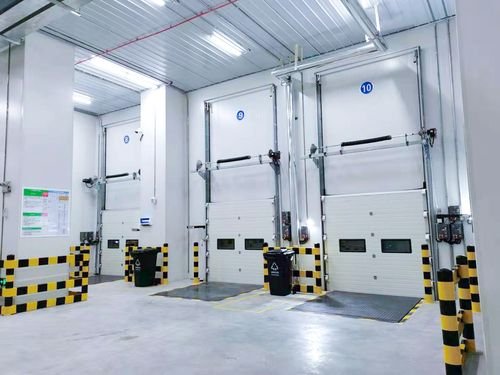
Hab Logistik
3. Penjaga Kualiti dan Penghalang Keselamatan
-
Untuk Barangan: Untuk hasil segar seperti buah-buahan dan sayur-sayuran, bergerak terus dari kedai sejuk ke persekitaran yang hangat menyebabkan “kejutan sejuk,” mempercepatkan kerosakan. Bilik depan menyediakan zon pemanasan yang lembut. Untuk produk sejuk beku, menunggu di bilik hadapan bersuhu rendah apabila diambil semula menghalang pemeluwapan permukaan serta-merta (“berpeluh”), memastikan pembungkusan kering dan kualiti produk.
-
Untuk Kakitangan: Ia menyediakan zon penyesuaian untuk pekerja, mengurangkan ketidakselesaan fizikal (cth., sakit kepala, sakit sendi) dan risiko keselamatan (memperlahankan masa tindak balas) dikaitkan dengan kemasukan tiba-tiba ke dalam/keluar daripada kesejukan melampau. Laluan yang jelas juga meminimumkan risiko perlanggaran antara orang dan peralatan.
4. Pelindung Kebersihan dan Penghalang Pencemaran
Sebagai penghalang fizikal, ante-room dengan berkesan menyekat habuk luar, hujan, perosak, dan kakitangan yang tidak dibenarkan daripada terus memasuki ruang simpanan, yang selalunya memerlukan kebersihan yang tinggi, dengan itu menyediakan persekitaran kebersihan yang lebih baik untuk barangan yang disimpan.
Penggunaan dan Pengurusan Saintifik
Malah kemudahan terbaik memerlukan operasi yang betul. Bilik depan yang diurus dengan baik boleh menjadi kesesakan baharu dan longkang tenaga.
1. Pengurusan Suhu: Adalah penting untuk mengekalkan suhu ante-bilik dengan ketat.
Pemantauan masa nyata melalui sistem kawalan suhu memastikan ia berfungsi dengan berkesan sebagai penampan. Pada masa yang sama memastikan kedua-dua pintu luaran dan dalaman terbuka untuk tempoh yang lama adalah dilarang sama sekali.
2. Pengurusan Barangan: Tentukan dengan jelas ruang hadapan sebagai a “lulus-melalui” kawasan, bukan a “penyimpanan” kawasan.
Wujudkan prosedur operasi yang ketat mengehadkan masa tinggal barang (cth., tidak melebihi 15-30 minit) dan melarang sama sekali menyekat lorong utama dan pintu keluar kecemasan.
Barangan hendaklah disusun dengan kemas dan dilabel dengan jelas.
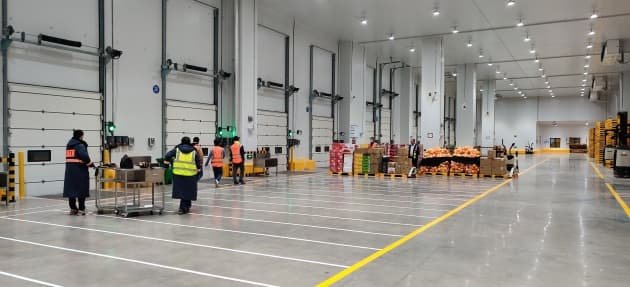
Kawasan Laluan
3. Pengurusan Lorong dan Keselamatan:
-
Pastikan Jelas: Perlu pemeriksaan berkala untuk memastikan tiada halangan.
-
Gelinciran dan Pencegahan Perlanggaran: Bersihkan serpihan ais dan tumpahan air dari lantai dengan segera. Pasang bampar dinding.
-
Perlindungan Personel: Pekerja mesti memakai peralatan cuaca sejuk yang sesuai, walaupun hanya bekerja di ante-room.
4. Penyelenggaraan Peralatan dan Pengurusan Tenaga:
-
Penyelarasan Pintu dan Tirai Udara: Pastikan langsir udara diaktifkan secara automatik dan berfungsi dengan berkesan apabila pintu ruang terbuka.
-
Penyelenggaraan Berkala: Periksa integriti kedap pintu, pelinciran engsel, dan kerap nyahbeku penyejat.
-
Tabiat Penjimatan Tenaga: Laksanakan “lampu padam apabila keluar,” dan segera melaporkan dan membaiki sebarang penebat yang rosak untuk mengelakkan “kehilangan sejuk”.
Kesimpulan
Bilik depan bilik sejuk, ruang tambahan ini, sebenarnya mengintegrasikan empat fungsi utama: penimbalan untuk penjimatan tenaga, penyelarasan logistik, jaminan kualiti, dan perlindungan keselamatan. Ia adalah komponen moden yang sangat diperlukan, bilik sejuk yang cekap.
Ia merangkumi peralihan konsep dalam logistik rantaian sejuk daripada “penyimpanan kasar” kepada “pengurusan zon suhu yang tepat.” Dalam mengejar hari ini yang tidak terputus “rantai sejuk,” reka bentuk saintifik, operasi piawai, dan pengurusan rapi ante-room secara langsung mencerminkan profesionalisme pengendali bilik sejuk.
Pada dasarnya, yang cekap, kemas, dan ante-room yang diurus dengan baik adalah mikrokosmos dan jaminan kecekapan keseluruhan, keselamatan, dan keberkesanan kos keseluruhan operasi bilik sejuk.
Mengabaikannya boleh menjejaskan keberkesanan peralatan penyejukan yang mahal dan kawalan suhu yang ketat. Mengutamakannya, walau bagaimanapun, boleh meningkatkan kelancaran dan kestabilan keseluruhan pautan rantai sejuk.
Walaupun saiznya kecil, ante-room benar-benar menguasai keseluruhan gambaran kualiti dan kos rantai sejuk.
Sebarang komen?
Selamat tinggal tinggalkan mesej atau siarkan semula.