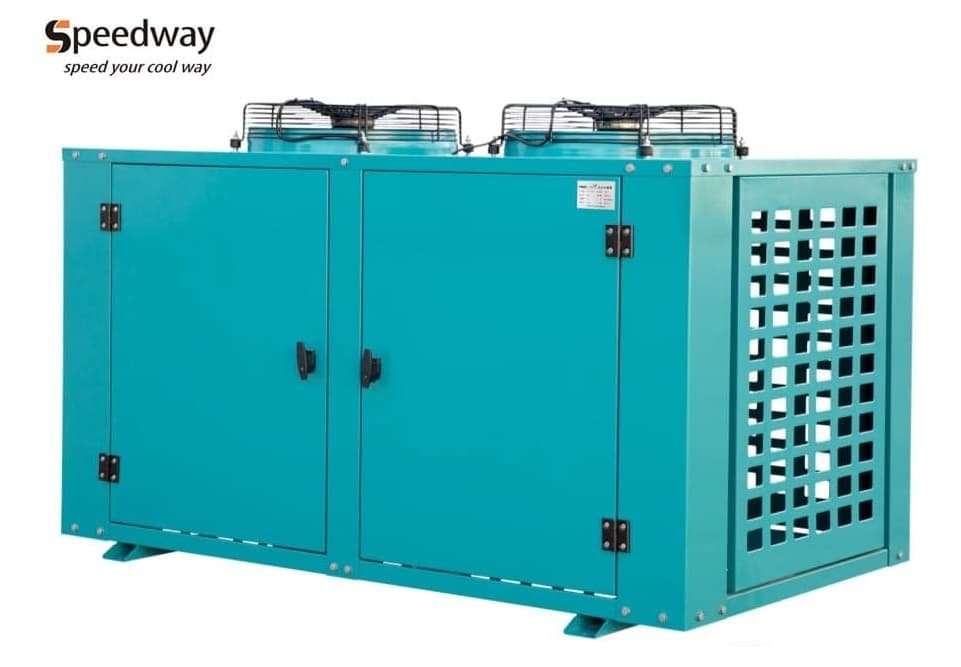
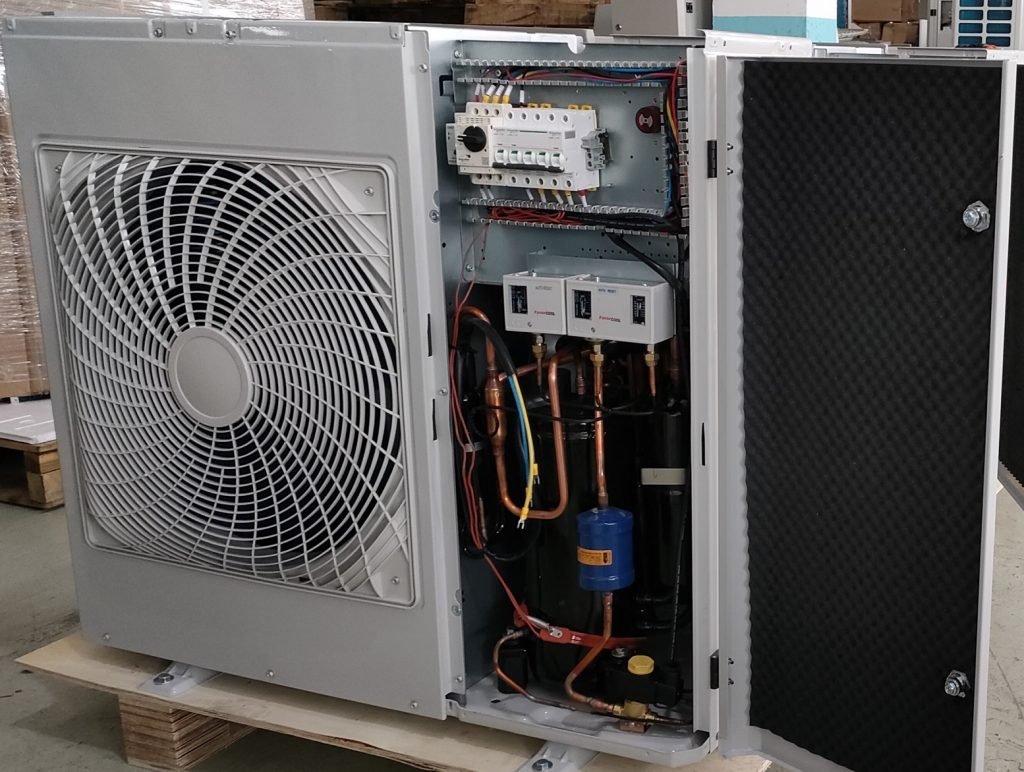
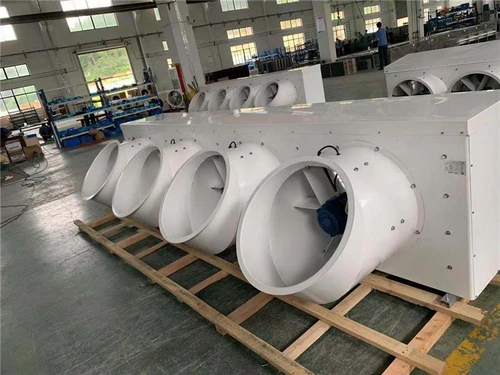
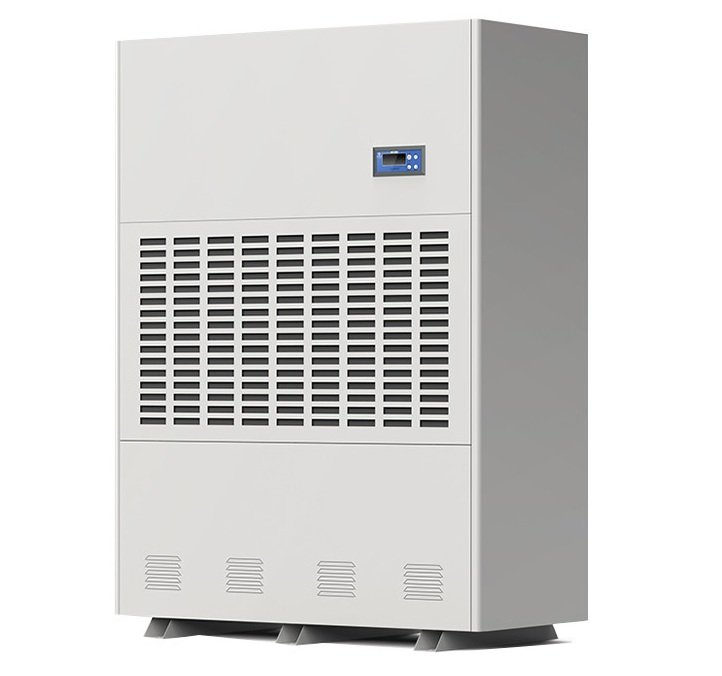
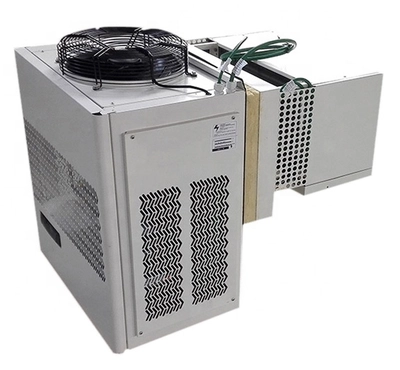
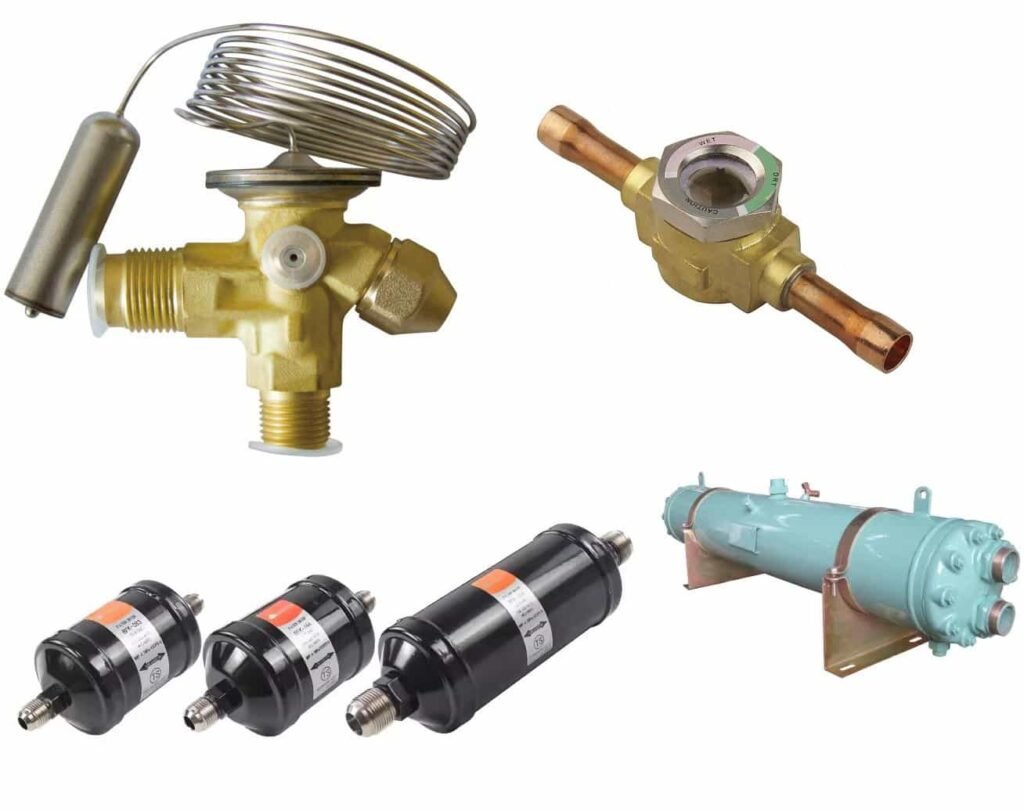
Phòng lạnh y tế và hóa chất hỗ trợ an toàn, bảo quản ổn định cho các sản phẩm không chịu được sự biến động nhiệt độ, giám sát kém, hoặc kiểm soát an toàn yếu.
Một giải pháp đáng tin cậy không chỉ giữ lạnh cho căn phòng. Nó phải phù hợp với sản phẩm, rủi ro lưu trữ, tình trạng trang web, và nhu cầu sử dụng của người dùng. Đó là lý do tại sao một giải pháp phòng lạnh hoàn chỉnh thường bao gồm việc thiết kế phòng lạnh., thiết bị làm lạnh, giám sát, bảo vệ dự phòng, tính năng an toàn, hỗ trợ vận hành, và dịch vụ lâu dài.
Hướng dẫn này giải thích phòng lạnh y tế và hóa chất là gì, chúng khác với kho lạnh tiêu chuẩn như thế nào, điểm thiết kế nào quan trọng nhất, và cách chọn giải pháp phù hợp cho dự án của bạn.
Phòng lạnh y tế là gì?
phòng lạnh y tế, thường được gọi là phòng lạnh dược phẩm, là phòng bảo quản có kiểm soát nhiệt độ dành cho các sản phẩm y tế và khoa học đời sống.
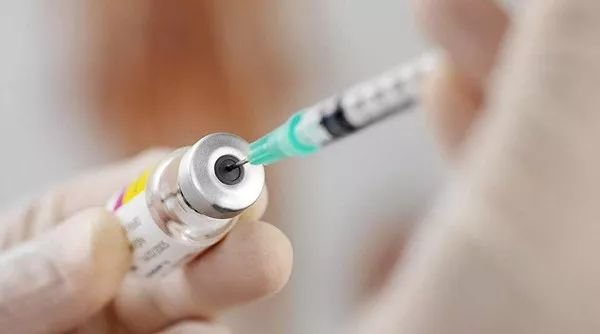
Nó thường được sử dụng cho vắc-xin, các loại thuốc, thuốc thử, vật liệu sinh học, mẫu phòng thí nghiệm, API, và các sản phẩm khác cần môi trường lưu trữ được kiểm soát.
Trong hầu hết các dự án, mục tiêu không chỉ đơn giản là đạt được nhiệt độ thấp. Hệ thống cũng cần duy trì điều kiện ổn định, giảm dao động trong quá trình mở cửa, hỗ trợ bảo vệ sản phẩm, và cung cấp dữ liệu giám sát rõ ràng để sử dụng hàng ngày.
Phụ thuộc vào ứng dụng, phòng lạnh y tế cũng có thể cần ghi dữ liệu, thông báo cảnh báo từ xa, hỗ trợ nguồn điện dự phòng, và thử nghiệm liên quan đến xác nhận.
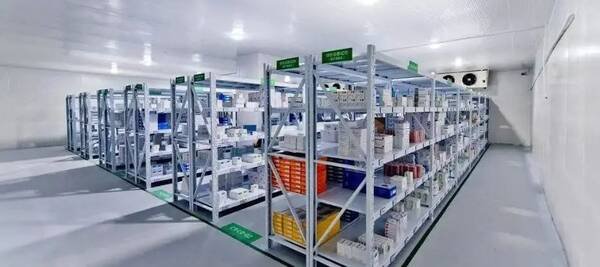
Phòng lạnh hóa chất là gì?
Phòng lạnh hóa chất là phòng được kiểm soát nhiệt độ dành cho các hóa chất cần bảo quản ở nhiệt độ thấp ổn định hoặc kiểm soát môi trường chặt chẽ hơn.
Nó thường được sử dụng trong phòng thí nghiệm, nhà máy hóa chất, cơ sở dược phẩm, trung tâm nghiên cứu, và các khu công nghiệp nơi sản phẩm ổn định và an toàn bảo quản đều quan trọng.
Khác với phòng lạnh thông thường, Phòng lạnh hóa chất phải giải quyết nhiều hơn nhiệt độ. Thiết kế có thể cần phải xem xét khả năng tương thích hóa học, chống ăn mòn, thông gió, kiểm soát tràn, truy cập hạn chế, và trong một số trường hợp bảo vệ chống cháy nổ.
Vì lý do đó, thiết kế phòng lạnh hóa chất phải luôn bắt đầu với danh sách vật liệu thực tế, điều kiện bảo quản, và yêu cầu an toàn.
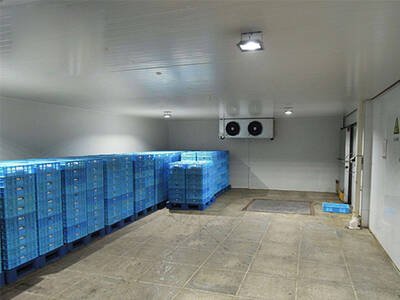
Các ứng dụng điển hình
Phòng lạnh y tế và dược phẩm thường được sử dụng cho:
-
Vắc-xin
-
Các loại thuốc
-
Thuốc thử
-
Mẫu sinh học
-
Vật liệu liên quan đến máu
-
API và dược phẩm trung gian
-
Sản phẩm chẩn đoán
-
Vật liệu phòng thí nghiệm
Phòng lạnh hóa chất thường được sử dụng để:
-
Hóa chất nhạy cảm với nhiệt độ
-
Hóa chất phòng thí nghiệm
-
Hóa chất chuyên dụng
-
Hóa chất ăn mòn
-
Hóa chất dễ bay hơi
-
Hóa chất trung gian
-
Tài liệu nghiên cứu
-
Vật liệu dễ cháy được lựa chọn, nơi thiết kế đáp ứng tiêu chuẩn an toàn cần thiết
Trước khi thiết kế cuối cùng, người dùng nên xác nhận yêu cầu lưu trữ thực sự của từng sản phẩm.
Nhiệt độ rất quan trọng, nhưng nó không phải là yếu tố duy nhất.
bao bì, mẫu tải, hạn sử dụng, tần số truy cập, và rủi ro an toàn đều có thể ảnh hưởng đến cấu hình phòng lạnh cuối cùng.
Phạm vi nhiệt độ được đề xuất
Các sản phẩm khác nhau yêu cầu nhiệt độ bảo quản khác nhau. Một thiết kế chuyên nghiệp phải luôn bắt đầu từ yêu cầu của sản phẩm thay vì sử dụng một nhiệt độ tiêu chuẩn cho mọi ứng dụng.
Khoảng nhiệt độ phổ biến ở y tế và dược phẩm dự án bao gồm:
-
2 đến 8°C đối với nhiều loại vắc xin, các loại thuốc, và thuốc thử
-
15 đến 25°C để bảo quản ở nhiệt độ phòng có kiểm soát
-
-20°C đối với một số vật liệu sinh học và sản phẩm được chọn
-
Nhiệt độ thấp hơn cho các ứng dụng đặc biệt
Sản phẩm hóa chất cũng có thể cần bảo quản lạnh hoặc nhiệt độ thấp, nhưng cài đặt chính xác phụ thuộc vào thông số kỹ thuật của sản phẩm, mục tiêu ổn định, SDS, và đánh giá rủi ro tại chỗ.
Vì lý do này, người mua nên tránh chỉ chọn phòng lạnh theo nhiệt độ. Hệ thống phù hợp cũng phải phản ánh cách căn phòng sẽ được sử dụng hàng ngày.
| Hóa chất | Yêu cầu nhiệt độ |
|---|---|
| axeton | -20°C |
| axetonitril | 2-8°C |
| amoniac | < -33°C |
| Benzen | 2-8°C |
| clorofom | 2-8°C |
| Xyclohexan | 2-8°C |
| điclometan (metylen clorua) | 2-8°C |
| dietyl ete | 2-8°C |
| Dimetylformamit (DMF) | 2-8°C |
| Dimetyl sulfoxit (DMSO) | -20°C |
| Ethylene glycol | -10°C |
| formaldehyde | < -40°C |
| Axit axetic | 2-8°C |
| Glixerol | 15-25°C |
| hexan | 2-8°C |
| Axit hydrochloric | 15-25°C |
| hydro peroxide | -20 ~ -30°C |
| isopropanol (IPA) | 2-8°C |
| metanol | -20°C |
| xanh metylen | 2-8°C |
| Axit nitric | -20 ~-30°C |
| Phenol | 2-8°C |
| thuốc tím | 15-25°C |
| Propylen glycol | 15-25°C |
| Natri azide | -20 ~ -30°C |
| Natri Hidroxit | 15-25°C |
| axit sunfuric | 15-25°C |
| toluen | 2-8°C |
| Xylen | 2-8°C |
| Đá khô (khí cacbonic rắn) | -78.5°C |
| Nitơ lỏng | -196°C |
Hóa chất điển hình Nhiệt độ
Tại sao phòng lạnh tiêu chuẩn là không đủ?
Một phòng lạnh tiêu chuẩn có thể hoạt động tốt cho việc lưu trữ thông thường, nhưng các ứng dụng y tế và hóa học thường yêu cầu kiểm soát nhiều hơn và bảo vệ nhiều hơn.
Trong các dự án y tế, người dùng thường có nhu cầu chặt chẽ hơn về nhiệt độ ổn định, giám sát tốt hơn, phục hồi nhanh hơn sau khi mở cửa, và hồ sơ hoạt động rõ ràng hơn.
Trong các dự án hóa học, người dùng cũng có thể cần vật liệu bên trong kháng hóa chất, kế hoạch thông gió, kiểm soát tràn, hạn chế truy cập, và phương pháp thiết kế dựa trên khả năng tương thích và mức độ nguy hiểm.
Một phòng lạnh trông có vẻ chấp nhận được trên giấy tờ vẫn có thể thất bại trong hoạt động thực tế nếu cách bố trí, luồng không khí, giám sát, hoặc thiết kế an toàn không phù hợp với điều kiện sử dụng thực tế.
Điều gì tạo nên một giải pháp phòng lạnh hoàn chỉnh?
Một giải pháp phòng lạnh hoàn chỉnh bao trùm toàn bộ chu trình dự án, không chỉ danh sách thiết bị.
Cấu trúc phòng
Kết cấu phòng bao gồm các tấm cách nhiệt, cửa ra vào, thiết kế sàn, chi tiết niêm phong, và bố trí bên trong.
Cấu trúc tốt làm giảm sự hấp thụ nhiệt, cải thiện nhiệt độ ổn định, hỗ trợ hoạt động hàng ngày, và giúp hệ thống phục hồi nhanh hơn sau khi mở cửa.
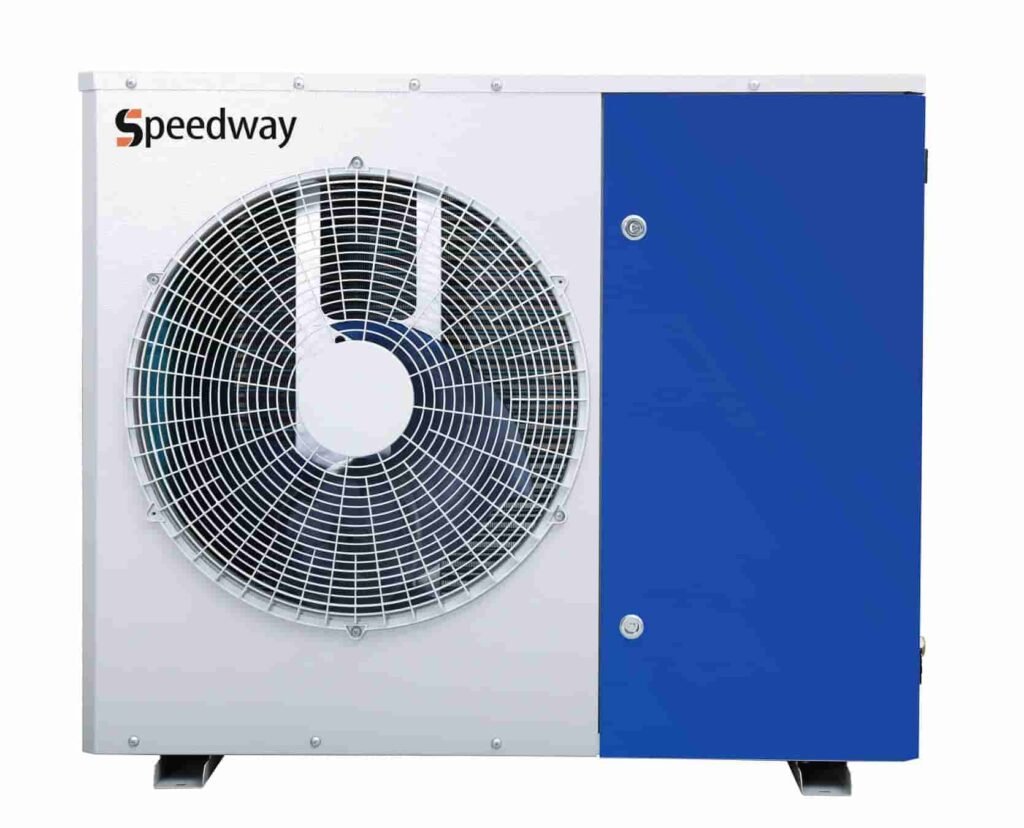
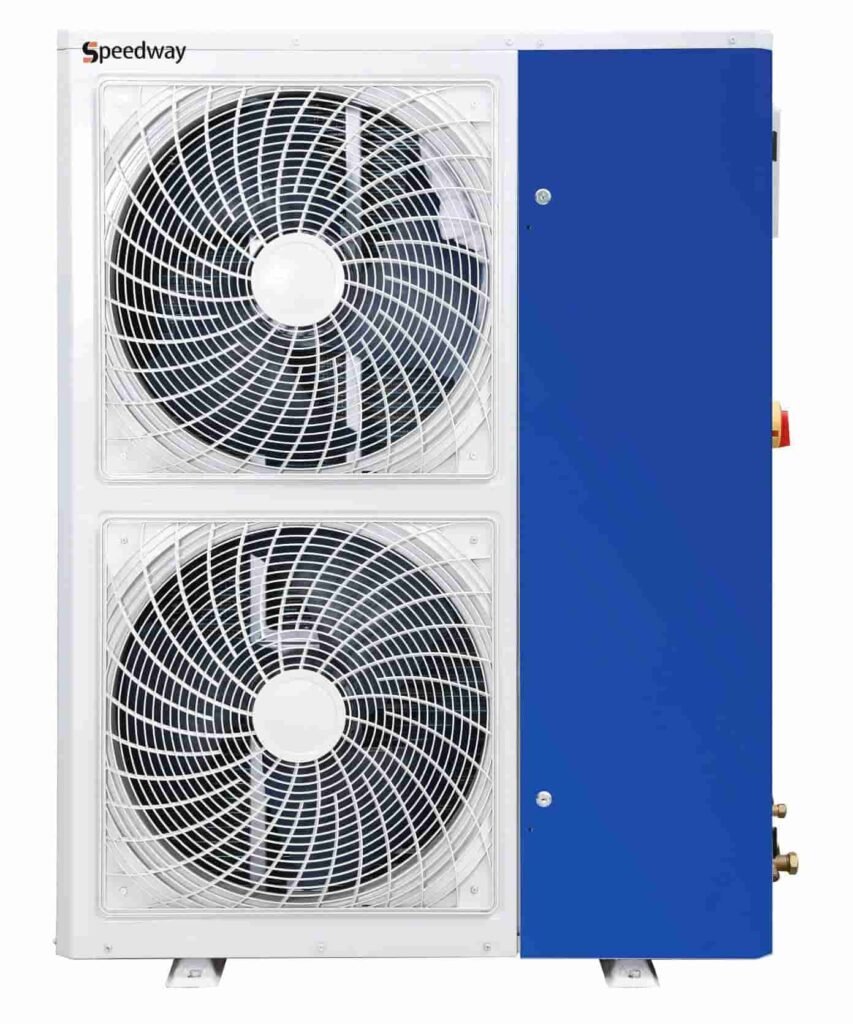
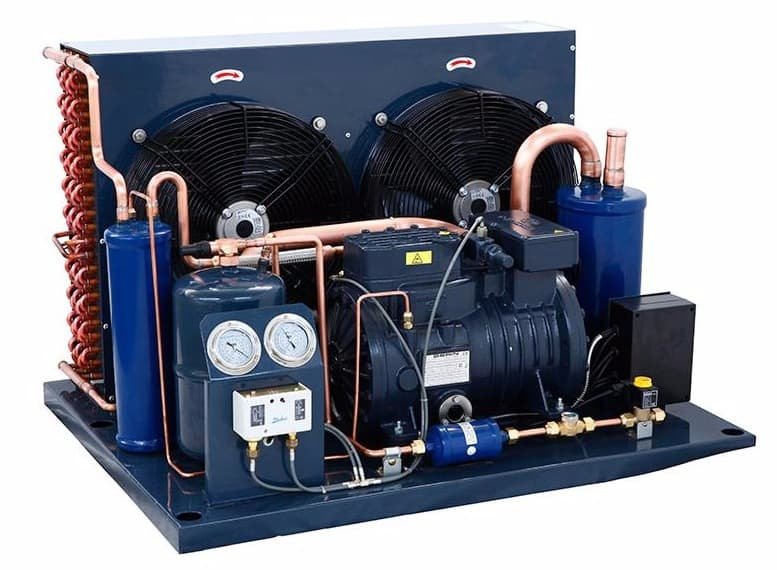
Hệ thống lạnh
Hệ thống lạnh phải phù hợp với diện tích phòng, nhiệt độ mục tiêu, nhiệt độ môi trường địa phương, tải sản phẩm, và tần số mở cửa.
Lựa chọn hệ thống chính xác sẽ hỗ trợ hiệu suất ổn định trong điều kiện vận hành thực tế thay vì chỉ trong điều kiện thử nghiệm lý tưởng.
Giám sát và kiểm soát
Một phòng lạnh chuyên nghiệp nên có hệ thống kiểm soát đáng tin cậy với chức năng giám sát nhiệt độ, báo động, và hiển thị trạng thái hoạt động.
Nhiều dự án cũng yêu cầu ghi dữ liệu, truy cập từ xa, và thông báo cảnh báo để hỗ trợ phản hồi nhanh hơn.
Sao lưu và dự phòng
Mất điện và hỏng thiết bị có thể gây ra rủi ro nghiêm trọng cho sản phẩm.
Phụ thuộc vào dự án, giải pháp có thể bao gồm nguồn điện dự phòng, Hỗ trợ điều khiển của UPS, thiết bị làm lạnh dự phòng, hoặc một kế hoạch dự phòng rộng hơn.
Tính năng an toàn
Thiết kế an toàn có thể bao gồm cả việc mở cửa khẩn cấp, báo động nội bộ, chiếu sáng khẩn cấp, kiểm soát truy cập, sàn chống trượt, chống tràn, thông gió, và các bộ phận chống cháy nổ khi cần thiết.
Gói an toàn phù hợp tùy thuộc vào vật liệu được lưu trữ và môi trường vận hành.
Tài liệu và hỗ trợ
Một giải pháp hoàn chỉnh cũng nên có bản vẽ kỹ thuật, chi tiết thiết bị, hướng dẫn cài đặt, hỗ trợ vận hành, khuyến nghị bảo trì, và nơi cần thiết, hỗ trợ kiểm tra hoặc xác nhận.
Đây là một trong những khác biệt rõ ràng nhất giữa nhà cung cấp tập trung vào dự án và nhà cung cấp chỉ bán thiết bị tiêu chuẩn.
Những cân nhắc khi thiết kế phòng lạnh y tế
Hiệu suất phòng lạnh y tế phụ thuộc vào chi tiết thiết kế. Lưu trữ ổn định không chỉ đến từ điểm đặt.
Nhiệt độ ổn định và đồng đều
Phòng lạnh có thể hiển thị nhiệt độ bộ điều khiển chính xác nhưng bên trong vẫn có điều kiện không đồng đều.
Phân phối không khí, lựa chọn thiết bị bay hơi, bố trí kệ, tải sản phẩm, và kiểu mở cửa đều ảnh hưởng đến sự đồng đều nhiệt độ. Một thiết kế chắc chắn sẽ bảo vệ toàn bộ diện tích lưu trữ có thể sử dụng được, không chỉ là điểm gần một cảm biến.
Phục hồi mở cửa
Nhiều phòng lạnh y tế phải đối mặt với tình trạng cửa mở liên tục trong quá trình hoạt động hàng ngày.
Mỗi lỗ mở đều mang nhiệt và độ ẩm vào phòng. Nếu hệ thống phục hồi quá chậm, rủi ro tiếp xúc với sản phẩm tăng lên. Kích thước cửa, mô hình giao thông, luồng không khí, và dự trữ lạnh đều ảnh hưởng đến hiệu suất phục hồi.
Logic giám sát và cảnh báo
Phòng lạnh y tế thường yêu cầu theo dõi nhiệt độ liên tục, báo động nhiệt độ cao và thấp, và thông báo từ xa.
Một số dự án còn cần hồ sơ lịch sử, xuất dữ liệu, kiểm soát truy cập của người dùng, và hỗ trợ kiểm toán rõ ràng hơn cho hệ thống chất lượng nội bộ.
Kế hoạch dự phòng
Một kế hoạch dự phòng mạnh mẽ sẽ giải quyết được nhiều vấn đề hơn là mất điện.
Nó cũng nên xem xét lỗi bộ điều khiển, lỗi cảm biến, mất liên lạc, và sự cố hệ thống lạnh. Mức dự phòng chính xác phụ thuộc vào giá trị của sản phẩm được lưu trữ và rủi ro dự án có thể chấp nhận được.
Bố trí bên trong và kệ
Cách bố trí kệ ảnh hưởng đến cả hiệu quả lưu trữ và luồng không khí.
Nếu người dùng làm phòng quá tải hoặc cản trở sự lưu thông không khí, căn phòng có thể phát triển các vùng không ổn định. Một thiết kế thực tế phải chừa đủ không gian cho sự chuyển động của không khí, truy cập sản phẩm, và tính linh hoạt trong hoạt động trong tương lai.
Xác nhận và thử nghiệm
Một số dự án y tế và dược phẩm yêu cầu phải có trình độ chính thức trước khi sử dụng.
Tùy thuộc vào phạm vi dự án, điều này có thể bao gồm kiểm tra cài đặt, kiểm tra vận hành, xác minh hiệu suất, hiệu chuẩn cảm biến, và lập bản đồ nhiệt độ.
Ngay cả khi không yêu cầu xác nhận đầy đủ, vận hành thích hợp và kiểm tra hiệu suất vẫn quan trọng.
Những cân nhắc khi thiết kế phòng lạnh hóa chất
Thiết kế kho lạnh hóa chất cần bám sát thực tế vật liệu bảo quản trong phòng. Chỉ kiểm soát nhiệt độ không xác định được giải pháp an toàn.
Gói lưu trữ dựa trên SDS
Bước đầu tiên là hiểu danh sách nguyên liệu và xem xét SDS cho từng sản phẩm.
Nhóm thiết kế cần xác nhận nhiệt độ bảo quản, rủi ro không tương thích, giới hạn xử lý, và bất kỳ biện pháp kiểm soát an toàn đặc biệt nào cần thiết trong quá trình lưu trữ và truy cập.
Khả năng tương thích và phân biệt hóa học
ĐỂ Ý: Không phải tất cả các hóa chất có thể được lưu trữ cùng nhau!
Một số dự án yêu cầu tách biệt về mặt vật lý, vùng lưu trữ khác nhau, hoặc thậm chí các phòng riêng biệt dựa trên khả năng tương thích và mức độ nguy hiểm. Bạn nên đưa ra quyết định này sớm trong dự án, không phải sau khi cài đặt.
Lựa chọn vật liệu chống ăn mòn
Một số hóa chất có thể làm hỏng các bộ phận kim loại tiêu chuẩn, hoàn thiện sàn, kệ, và phần cứng.
Việc lựa chọn vật liệu bên trong phải phù hợp với nguy cơ tiếp xúc với hóa chất thực tế. Điều này cải thiện độ bền lâu dài và giúp giảm các vấn đề bảo trì sau này.
Thông gió và quản lý hơi
Một số hóa chất có thể giải phóng hơi trong quá trình bảo quản hoặc xử lý.
Trong các ứng dụng này, thiết kế thông gió trở thành một phần quan trọng của giải pháp phòng. Thiết kế nên xem xét trao đổi không khí, định tuyến khí thải, tiếp xúc với nhà điều hành, và yêu cầu an toàn tại chỗ.
Kiểm soát rủi ro cháy nổ
Khi việc lưu trữ liên quan đến vật liệu dễ cháy hoặc dễ bay hơi, dự án có thể yêu cầu các bộ phận điện chống cháy nổ và kiểm soát rủi ro hỏa hoạn mạnh mẽ hơn.
Điều này không bao giờ chỉ giới hạn ở thiết bị chiếu sáng.
Thiết kế đầy đủ về điện và an toàn phải phù hợp với mức độ rủi ro thực tế của ứng dụng.
Kiểm soát sự cố tràn dầu và ứng phó khẩn cấp
Phòng lạnh hóa chất cũng cần giải quyết vấn đề ngăn chặn sự cố tràn, bảo vệ sàn, nhãn cảnh báo, truy cập hạn chế, và kế hoạch ứng phó khẩn cấp.
Những chi tiết này thường tạo nên sự khác biệt giữa phòng lạnh cơ bản và giải pháp bảo quản hóa chất an toàn.
Tiêu chuẩn và cân nhắc tuân thủ
Đối với phòng lạnh y tế, các tiêu chuẩn và hướng dẫn chung bao gồm:
- PQS của WHO và các yêu cầu về dây chuyền lạnh vắc xin
- GDP EU, Yêu cầu GMP về môi trường bảo quản, hồ sơ, và xác nhận
- FDA 21 Phần CFR 11 đối với hồ sơ điện tử và hồ sơ kiểm toán, và các yêu cầu của GSP hoặc GDP để theo dõi nhiệt độ và độ ẩm, báo động, và các bản ghi dữ liệu.
- iso 14644 chỉ áp dụng khi dự án liên quan đến phòng sạch hoặc thiết kế môi trường sạch có kiểm soát.
- Việc lưu trữ máu cũng yêu cầu các tiêu chuẩn ngân hàng máu dành riêng cho sản phẩm và không thể tuân theo một quy tắc chung.
Đối với phòng lạnh hóa chất, điểm tham chiếu chung bao gồm:
- Mã bảo quản hóa chất dễ cháy, dễ cháy
- Yêu cầu ATEX hoặc IECEx
- Yêu cầu về điện chống cháy nổ
- Hướng dẫn phòng chống cháy nổ NFPA
- Thiết kế lưu trữ dựa trên SDS, yêu cầu ngăn chặn thứ cấp và kiểm soát tràn, yêu cầu thông gió và trao đổi không khí, và hướng dẫn phân biệt khả năng tương thích hóa học.
Phòng lạnh y tế vs Phòng lạnh hóa chất
Phòng lạnh y tế và hóa chất có thể có cấu trúc tương tự, nhưng chúng giải quyết những vấn đề khác nhau.
Nói một cách đơn giản:
- Phòng lạnh y tế tập trung vào việc kiểm soát lưu trữ và bảo vệ sản phẩm.
- Phòng lạnh hóa chất phải làm được điều đó đồng thời quản lý rủi ro an toàn cụ thể của vật liệu.
Những sai lầm thường gặp trong dự án phòng lạnh y tế
Nhiều vấn đề về phòng lạnh y tế đến từ kế hoạch yếu kém, không chỉ từ thiết bị.
Những lỗi thường gặp bao gồm:
-
Chọn kích thước phòng mà không có kế hoạch mở rộng trong tương lai
-
Tập trung vào nhiệt độ cài đặt nhưng bỏ qua nhiệt độ đồng đều
-
Sử dụng bố trí kệ chặn luồng không khí
-
Bỏ qua tần suất mở cửa hàng ngày trong quá trình lựa chọn hệ thống
-
Cài đặt quá ít điểm giám sát
-
Có báo động mà không cần báo cáo từ xa
-
Bỏ qua quá trình vận hành thích hợp trước khi vận hành
-
Không có kế hoạch chuyển giao khẩn cấp cho các sản phẩm quan trọng
Một dự án tốt hơn bắt đầu với thông tin vận hành rõ ràng. Nhà cung cấp phải hiểu rõ loại sản phẩm, mô hình sử dụng phòng, khí hậu địa phương, và mức độ bảo vệ cần thiết trước khi lựa chọn cuối cùng.
Những sai lầm thường gặp trong dự án phòng lạnh hóa chất
ĐỂ Ý: Sự cố kho lạnh hóa chất thường xảy ra do các dự án tập trung vào khả năng làm mát mà bỏ qua rủi ro về bảo quản.
Những lỗi thường gặp bao gồm:
-
Trộn các hóa chất không tương thích trong một phòng
-
Bỏ qua các yêu cầu lưu trữ SDS
-
Sử dụng vật liệu bên trong không thể chống lại sự tiếp xúc với hóa chất
-
Không có chiến lược ngăn chặn sự cố tràn
-
Sử dụng các thành phần điện không phù hợp trong các ứng dụng có rủi ro cao hơn
-
Bỏ qua nhu cầu thông gió hoặc kiểm soát hơi
-
Cung cấp khả năng kiểm soát truy cập và ghi nhãn yếu
-
Thiết kế phòng không có kế hoạch ứng phó khẩn cấp
Nếu nhóm dự án chỉ thảo luận về nhiệt độ mục tiêu, thiết kế vẫn chưa hoàn thiện.
Cách chọn giải pháp phòng lạnh phù hợp?
Trước khi bắt đầu một dự án, hỏi những câu hỏi này:
-
Bạn sẽ lưu trữ những sản phẩm nào?
-
Phạm vi nhiệt độ yêu cầu của bạn là gì?
-
Tổng dung lượng lưu trữ là bao nhiêu?
-
Cửa sẽ mở thường xuyên như thế nào mỗi ngày?
-
Bạn có cần kệ hoặc lưu trữ pallet?
-
Hệ thống sẽ được lắp đặt trong nhà hay ngoài trời?
-
Nhiệt độ môi trường xung quanh địa phương cao nhất là bao nhiêu?
-
Bạn có cần giám sát và ghi dữ liệu từ xa không?
-
Bạn cần nguồn điện dự phòng hay điện lạnh dự phòng?
-
Bạn có cần thử nghiệm không, trình độ chuyên môn, hoặc hỗ trợ xác nhận?
-
Các vật liệu được lưu trữ có tạo ra sự ăn mòn không, đổ tràn, ngọn lửa, hoặc nguy cơ cháy nổ?
-
Bạn có cần chỗ để mở rộng trong tương lai không?
Những câu hỏi này giúp xác định kích thước phòng phù hợp, công suất làm lạnh, gói an toàn, và mức độ giám sát. Chúng cũng giúp nhà cung cấp đưa ra đề xuất chính xác hơn.
Người mua nên hỏi gì từ nhà cung cấp
Vấn đề giá cả, nhưng nó không bao giờ nên là câu hỏi duy nhất.
Một người mua nghiêm túc cũng nên yêu cầu:
-
Bản vẽ bố trí phòng
-
Danh sách thiết bị
-
Cơ sở lựa chọn điện lạnh
-
Độ dày của bảng và chi tiết vật liệu
-
Sơ đồ điện
-
Danh sách chức năng giám sát và báo động
-
Số lượng cảm biến và sơ đồ vị trí
-
Phạm vi cài đặt
-
phạm vi vận hành
-
ồ&hướng dẫn sử dụng
-
Danh sách phụ tùng
-
Điều khoản bảo hành
-
Phạm vi hỗ trợ kiểm tra hoặc xác nhận, nếu cần
Những tài liệu này giúp người mua đánh giá liệu nhà cung cấp có hiểu được việc bàn giao dự án hay không, không chỉ cung cấp thiết bị.
Cài đặt, Vận hành, và hỗ trợ sau bán hàng
Hiệu suất phòng lạnh không chỉ phụ thuộc vào chất lượng sản phẩm. Chất lượng lắp đặt, chất lượng vận hành, và hỗ trợ sau bán hàng đều ảnh hưởng đến kết quả lâu dài.
Một giải pháp hoàn chỉnh nên bao gồm:
-
Đánh giá tình trạng trang web trước khi cài đặt
-
Hướng dẫn cài đặt rõ ràng
-
Đường ống làm lạnh và hỗ trợ điện
-
Khởi động và vận hành
-
Kiểm tra nhiệt độ trước khi bàn giao
-
Đào tạo người dùng
-
Khuyến nghị bảo trì phòng ngừa
-
Hỗ trợ phụ tùng
-
Hỗ trợ kỹ thuật từ xa
Trước khi đặt hàng, bạn cũng nên xác nhận xem ai sẽ lắp đặt phòng, ai sẽ xử lý việc vận hành, và hỗ trợ kỹ thuật sẽ hoạt động như thế nào sau khi bàn giao.
Phần kết luận
Phòng lạnh y tế hoặc hóa chất phải phù hợp với sản phẩm, điều kiện trang web, và rủi ro hoạt động thực tế.
Giải pháp đáng tin cậy nên kết hợp thiết kế phòng, hiệu suất làm lạnh, giám sát, bảo vệ dự phòng, kiểm soát an toàn, tài liệu, và hỗ trợ dịch vụ.
Nếu bạn đang lên kế hoạch cho một phòng lạnh vắc xin, Phòng lạnh, phòng bảo quản thuốc thử, hoặc phòng lạnh hóa chất, bước đầu tiên tốt nhất là xác định loại sản phẩm của bạn, nhiệt độ mục tiêu, dung lượng lưu trữ, và điều kiện địa điểm rõ ràng. Điều đó giúp việc lựa chọn giải pháp hỗ trợ cả hoạt động hàng ngày và độ tin cậy lâu dài trở nên dễ dàng hơn nhiều.