
冷蔵室の凝縮ユニットは冷蔵性能に重要な役割を果たします.
野菜などの適切な温度を保つのに役立ちます。, フルーツ, シーフード, アイスクリーム, そして薬. 単位を間違えた場合, 寒い部屋はゆっくりと冷えるかもしれません, より多くの電力を消費する, または頻繁な問題に直面する.
このガイドの対象者
This guide suits 寒い部屋 wholesalers, 設置者, プロジェクト請負業者, 独自の冷凍システムを必要とする企業.
It explains what a cold room 凝縮ユニット は, その主要コンポーネントがどのように機能するか, インストールして試運転する方法.
また、読者が主要な動作ポイントと冷媒代替の市場動向を理解するのにも役立ちます。, 技術的および購入に関する意思決定をより適切に行えるようにするため.
凝縮ユニットの選択基準
コンデンシングユニットを選ぶとき, 冷蔵室のサイズだけを見ないでください. 部屋の広さは出発点にすぎません.
目標室温についても考える必要があります, 絶縁品質, ドアの開閉頻度, 製品の出入りの頻度.
部屋の容積のみでユニットを選択する場合, プロセスは最初は簡単に見えるかもしれません. でも夏には, 暑い地域では, または頻繁に使用されるプロジェクトの場合, 冷却が遅くなる可能性があります, 電気代が高くつく, または長時間のコンプレッサーの激しい運転.
1. 最初に確認すべきことは何ですか?
これらに焦点を当ててください 3 重要な要素:
- 冷蔵室のサイズ: 必要なおおよその冷却能力を示します.
- 断熱性能: 断熱性が低いと冷却損失が速くなります, したがって、より大きなユニットが必要です.
- 目標温度: 気温が低いほど, ユニットがより困難に動作する必要があるほど、.
簡単な言葉: もっと広い部屋, 断熱性が低い, または、目標温度が低い場合は、通常、より大きな凝縮ユニットが必要になります.
2. 部屋の広さだけで選べない理由?
Because two 寒い部屋 with the same size may need very different units!
例えば, 1つ 100 ㎥の冷蔵室には飲み物が保管される場合があります, ドアを開ける回数を減らす, そして良い断熱材を使用してください.
別の 100 m3 室には冷凍肉が保管される可能性があります, 一日に何度もドアを開ける, より温かい製品を受け取ります.
部屋の広さは同じでも, 2 番目のものはより多くの冷却能力を必要とし、通常はより大きなユニットが必要です.
3. さまざまな馬力範囲を選択するにはどうすればよいですか?
- 1-3HP: 狭い寒い部屋に最適, 小さなキッチンの冷たい部屋, 飲み物, または花の保管庫.
- 3–8HP: 中程度の寒い部屋に適しています, 食品配達, および小規模な食品加工プロジェクト.
- 8馬力以上: 中型および大型の冷凍室に適しています, 肉や魚介類の保管場所, または離職率の高いプロジェクト.
ノート: HPはあくまで参考です. 実際の作業条件下でユニットが冷蔵室に対応できるかどうかを確認する必要があります。.
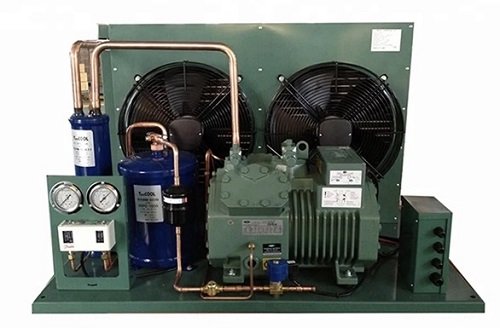
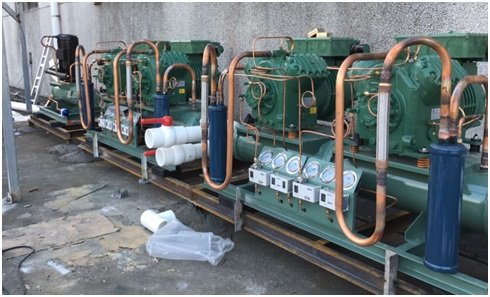
半密閉凝縮ユニット
エネルギー効率とCOP
多くの購入者は価格を第一に考え、馬力を二番目に重視します。, しかし、エネルギー効率は長期的なコストにより直接的に影響します.
2台のユニットで同じ冷却効果が得られる場合, 通常、効率が高いほど時間の経過とともにより多くの電力を節約できます.
1. COPとは?
COPを簡単に理解できる:
ユニットが 1 単位の電力からどれだけの冷却を生成できるかを示します。.
COPが高いほど, ユニットが節約できるエネルギーが増えるほど.
- COPが高いほどエネルギー効率が良いことを意味します.
- 通常、COP >3.0 は優れた省エネ性能を示します。.
単位を比較すると, HPのことだけ聞くなよ. COPについても質問してください.
2. EERとは何ですか?
EERはCOPに似ています. エネルギー効率も表示されます.
ノート: 通常、EER が高いほど、ユニットがより多くの電力を節約できることを意味します. EER = 警官 × 3.412
3. なぜ多くの購入者がインバーターコンプレッサーを気にするのか?
インバーターコンプレッサーは常にフルスピードで動作するわけではありません. 冷房負荷が低下したとき, コンプレッサー周波数を自動的に調整できます. これにより通常、ユニットは非インバーターユニットよりもエネルギーを節約し、よりスムーズに動作します。.
4. 他に購入者がチェックすべき省エネポイントは何ですか?
-
高いアンビエントパフォーマンス: 夏や熱帯気候でユニットのパフォーマンスが低下しすぎていないか確認してください.
-
実際の条件下での実際の冷却能力: ユニットが実際のプロジェクトを処理できるかどうかを確認してください, 紙上の評価データだけではありません.
凝縮ユニット各部の機能
コンプレッサー
冷媒回路で冷媒を圧縮して駆動する役割を果たします。. コンプレッサーは低圧領域から冷媒を抽出し、圧縮します。, その後、冷却と凝縮のために高圧領域に送られます.
空冷フィンを介して空気中に熱を放出します。, その間, 冷媒も気体から液体に変化します, そして最後に圧力が上昇します.
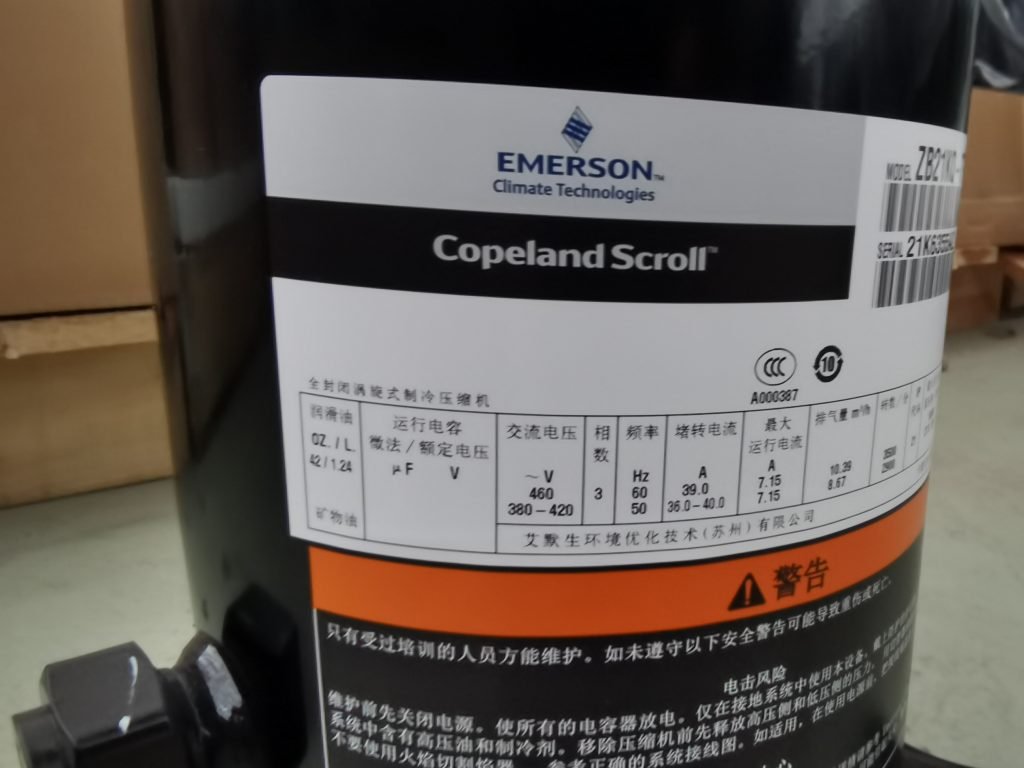
コンプレッサー
コンデンサー
冷蔵倉庫の冷凍システムにおける主要な熱交換装置の 1 つです, 冷凍庫の圧縮機から排出される高温の冷媒蒸気を冷却するために使用されます, またはそれを高圧液体に凝縮する.

コンデンサー
電磁弁
1. コンプレッサー停止時に高圧の冷媒液が蒸発器に流入するのを防止, 圧縮機が次に作動するときに低圧が高すぎるのを避ける, その間、コンプレッサーが液体に衝突するのを防ぎます.
2. 冷蔵庫の温度が設定値に達したとき, サーモスタットが働き始める, 電磁弁が電力を失う間, 低圧がシャットダウンの設定値に達すると、圧縮機が停止します.
When the temperature in the 寒い部屋 rises back to the set value, サーモスタットが作動します, 電磁弁も作動します. 低圧がコンプレッサー設定値まで上昇すると、コンプレッサーが始動します。.
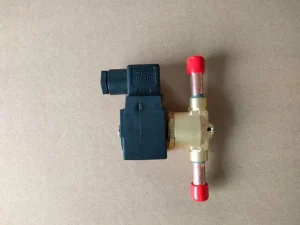
電磁弁
高低電圧保護装置
高圧が高すぎ、低圧が低すぎるのを防ぐ, コンプレッサーを保護するために.
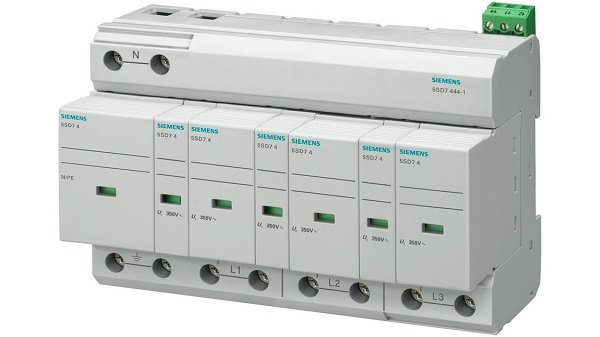
高低電圧保護装置
サーモスタット
冷蔵室の頭脳にあたる, 冷蔵の開閉を制御するもの, 解凍, ファンの開閉.
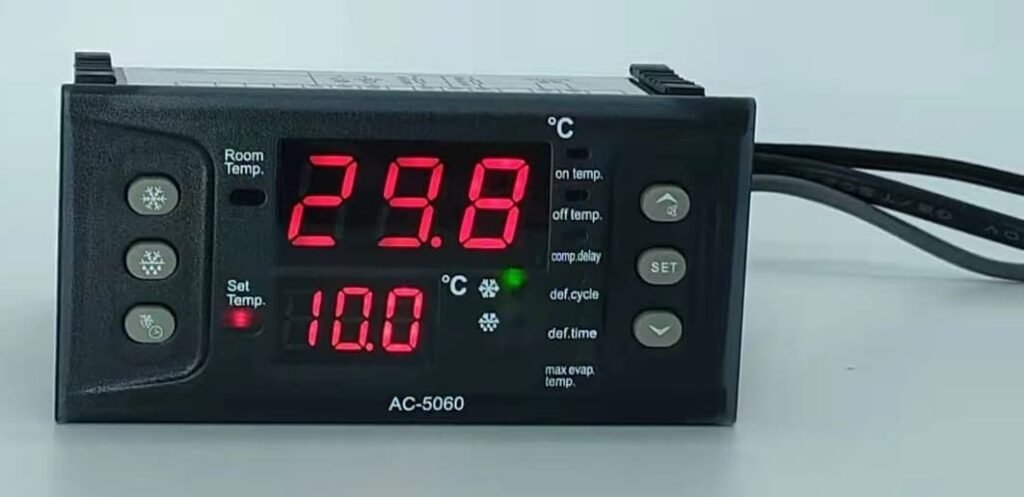
サーモスタット
フィルタードライヤー
システム内の不純物と水分のろ過.

フィルタードライヤー
油圧プロテクター
コンプレッサーに十分な潤滑油があることを確認してください.
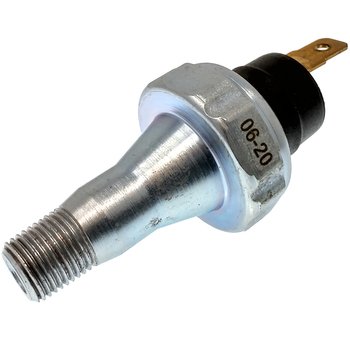
油圧プロテクター
熱膨張弁
とも呼ばれている “スロットルバルブ”, システムの高圧と低圧が大きな圧力差を形成する可能性があります, 膨張弁出口の高圧冷媒液が急速に膨張・蒸発するように, チューブの壁を通して空気中の熱を吸収します, そして冷気と熱を交換する.
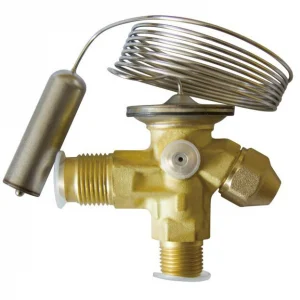
サーモスタット膨張弁 (TXV)
TXVの仕組み
知らせ: TXVについてもっと詳しく知りたい方はこちら, 私たちの投稿をチェックしてください “熱膨張弁の機能とデバッグ“.
油分離器
高圧蒸気中の潤滑油の分離 (冷凍コンプレッサーから排出される) 装置の安全で効率的な操作を確保するため.
風速を落とし、風向を変えることによる油分離の原理による, 高圧蒸気中の油粒子は重力の作用で分離されます.
一般的, 風速が1m/s以下の場合, 油の粒子を分離することができます >0.2mm 径 (蒸気に含まれる).

油分離器
蒸発器圧力調整弁
蒸発器の圧力を防ぐ (および蒸発温度) 規定値を下回らないようにする. 場合によっては、負荷の変化に合わせて蒸発器の圧力を調整します.
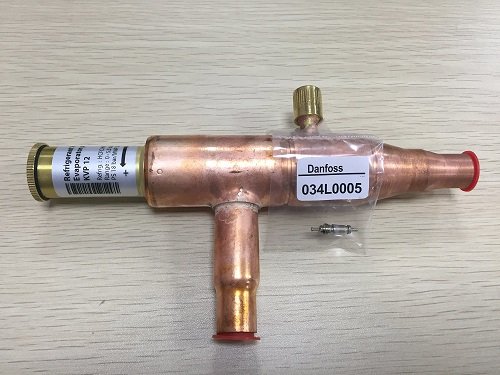
蒸発器圧力調整弁
ファンガバナー
主に室外空冷コンデンサーファンモーターの速度調整に使用されます。, または冷蔵室蒸発器.
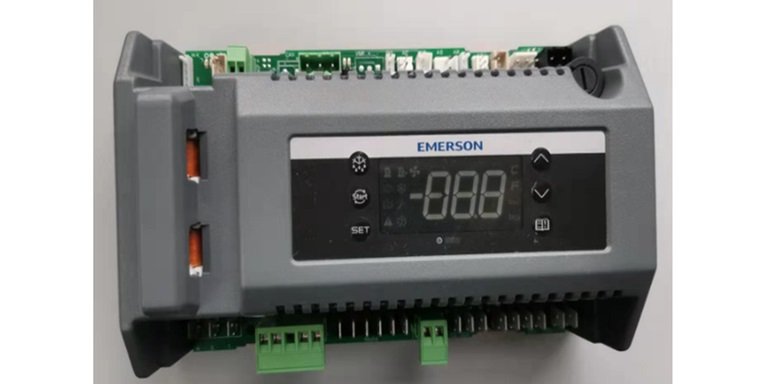
ファンガバナー
気液分離器
気液混合状態の冷媒を分離する (蒸発器によって戻されます), これにより、コンプレッサーの液体の衝突を防ぎます.

気液分離器
サイトグラス
冷媒の流れを観察する. 冷媒が適量の場合, 白い泡を出さずに液体だけが流れます; システムが乾燥している場合, サイトコアはグリーン, そうしないと、黄色または他の色になる可能性があります.
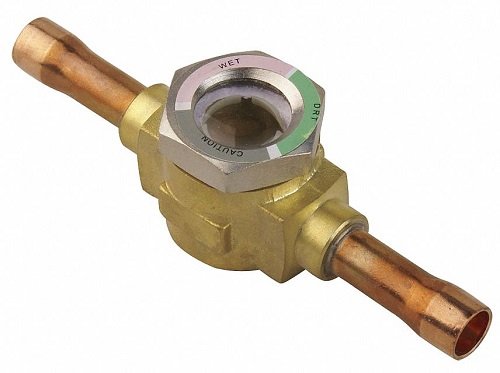
サイトグラス
冷蔵室ユニットの設置と試運転
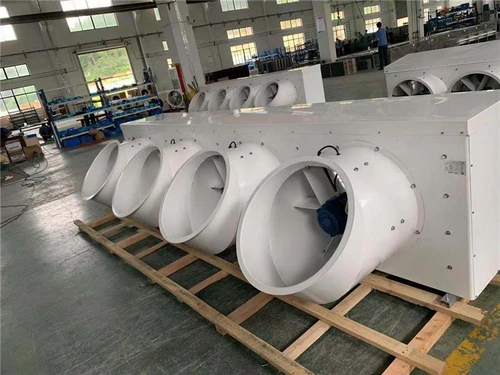
ユニットクーラーの取り付けに関するヒント
1. 最適な設置場所を見つける
1セント, ユニットクーラーを設置するには、空気循環に最適な場所を考慮する必要があります。 (エバポレーターユニットとも呼ばれます), 2nd, 冷蔵室の構造の方向を考慮する.
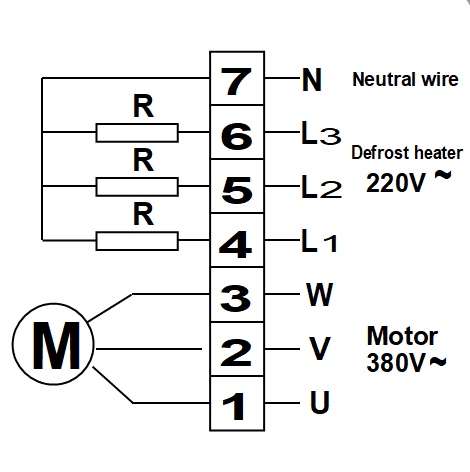
ユニットクーラー回路図
ユニットクーラーと冷蔵室の壁の内側の間の隙間は、蒸発器の厚さよりも大きくなければなりません.
2. すべてのスリングを締めます
設置時にエバポレーターのスリングをすべて締めてください, その間、ボルトに穴を開けてシールします & 空気漏れを防ぐためのシーラント付きスリング.
エバポレーターが重い場合, いいえを使用する必要があります. 4 また 5 梁としての山形鋼, まぐさを別の天板と壁板にまたがって耐荷重を減らすことを覚えておいてください.
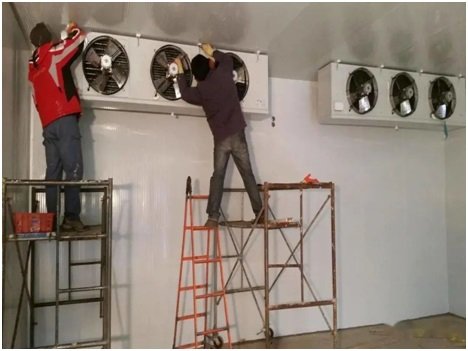
ユニットクーラーの取り付け
3. 取付方向
ユニットクーラーの取り付け方向について詳しくはこちら, をチェックしてください “ユニットクーラー” ナレッジページ.
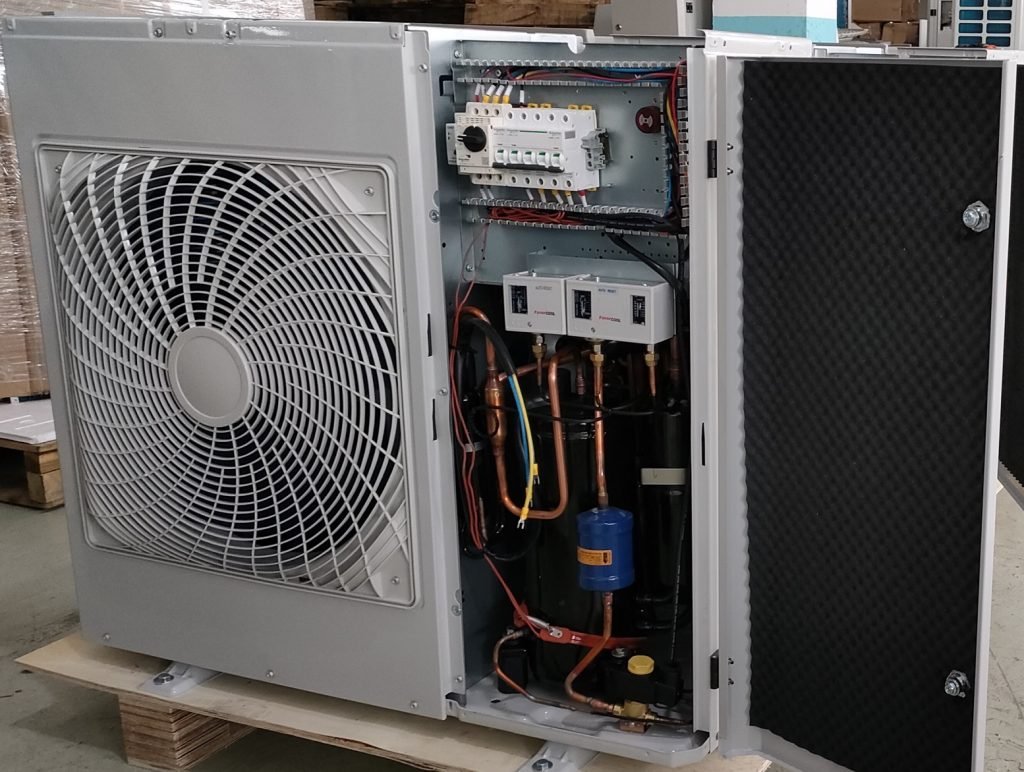
冷蔵室用凝縮ユニットの設置に関するヒント
1. オイルセパレーターを装備
半密閉型コンプレッサーと密閉型コンプレッサーの両方にオイルセパレーターを装備する必要があります, そして適量のオイルを注入.
蒸発温度が-15℃以下の場合, 適切な量の冷凍機油を備えた気液分離器を設置する必要があります.
2. コンプレッサーベースにゴムシートを取り付けます
コンプレッサベースに衝撃吸収ゴムシートを取り付ける必要があります, を設置するときは、メンテナンス スペースを確保してください。 凝縮ユニット, 計器の観察やバルブの調整に便利.
3. 適切な銅管径を選択してください
コンプレッサーの吸入バルブと吐出バルブのインターフェースのサイズに応じて、銅パイプの直径を選択します.
凝縮器と圧縮機の間の間隔を超える場合は、パイプの直径を大きくする必要があります。 3 メートル. そのうえ, 保つ >400コンデンシングユニットの吸引側と壁の間の距離 mm, 少なくとも維持する 3 排気口と障害物との間のメートル.
4. 銘板に従ってください
貯液タンクの配管径は銘板に記載されている排気管径と液出口管径を基準としています。.
コンプレッサーの吸入パイプラインと蒸発器の戻りパイプラインは、銘板に示されているサイズよりも小さくしないでください, 蒸発パイプラインの内部抵抗を減らすために.
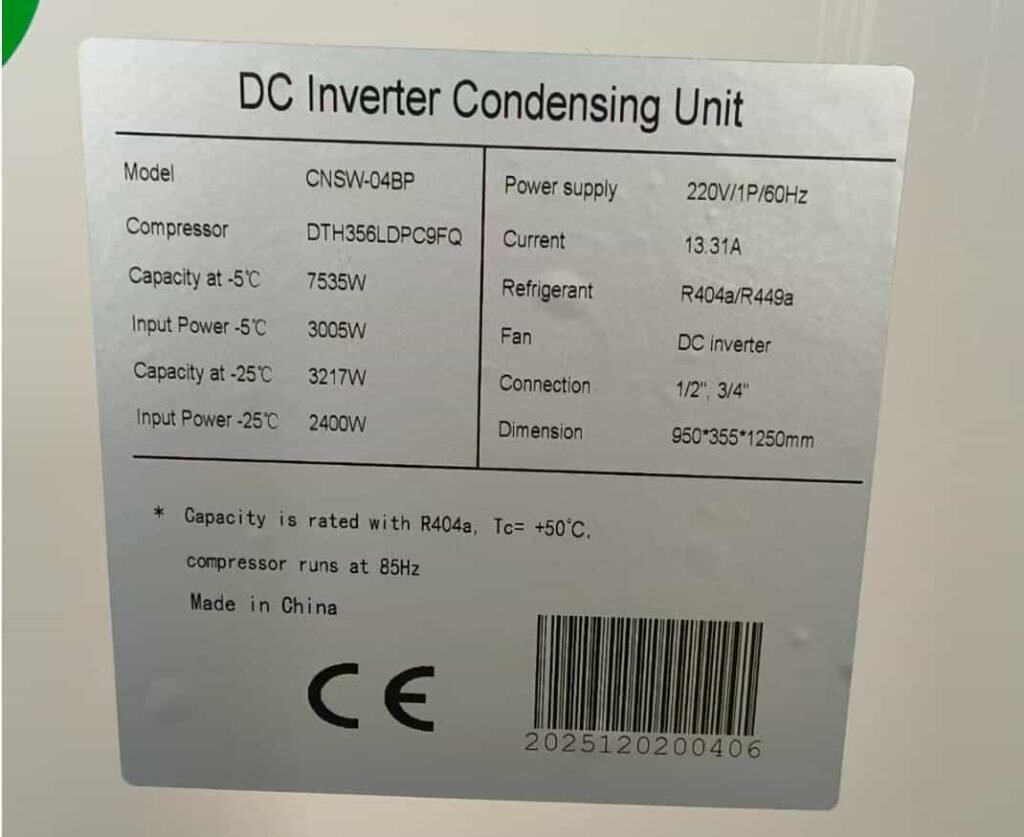
インバータコンデンシングユニット銘板
5. パイプには傾斜が必要です
排気管と戻り管には一定の傾きが必要です.
コンデンサーの位置がコンプレッサーより高い場合, 排気管はコンデンサーに向かって傾け、コンプレッサーの排気口に液リングを取り付ける必要があります。, ガスを防ぐことができます (シャットダウン後の冷却と液化から) 高圧排気口への逆流, 機械の再起動時に液体圧縮を引き起こす.
6. U字型のベンドを取り付けます
エアリターンパイプのエバポレーター出口にU字型のベンドを取り付ける必要があります, また、オイルがスムーズに戻るように、空気の戻りラインをコンプレッサーに向かって傾斜させる必要があります。.
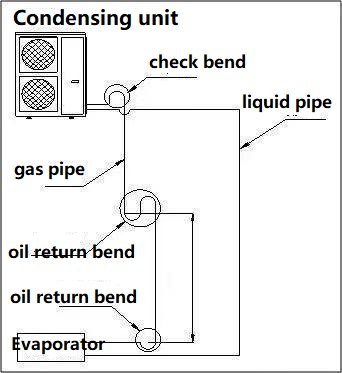
知らせ:
- 膨張弁を蒸発器のできるだけ近くに設置する必要があります!
- 電磁弁は水平に設置してください, バルブ本体を垂直に, その間、液体の排出方向に注意してください.
- 膨張弁温度センサーをエバポレーター出口から100~200mmの位置に金属バックルで固定します。, そしてそれを二重の断熱材で包みます.
冷媒充填および冷凍システムの試運転
以下のようないくつかのヒント:
1. 電源を測定する
コンプレッサーの抵抗とモーターの絶縁を測定します。.
2. 冷媒を充填する
真空引き後, 保液タンクに冷媒をざっくりと入れる 70-80% 次に、圧縮機を低圧で運転して、冷媒を標準容量まで満たします。, 着霜と冷蔵状態に応じて、最終的に膨張弁の温度と開度を設定します.
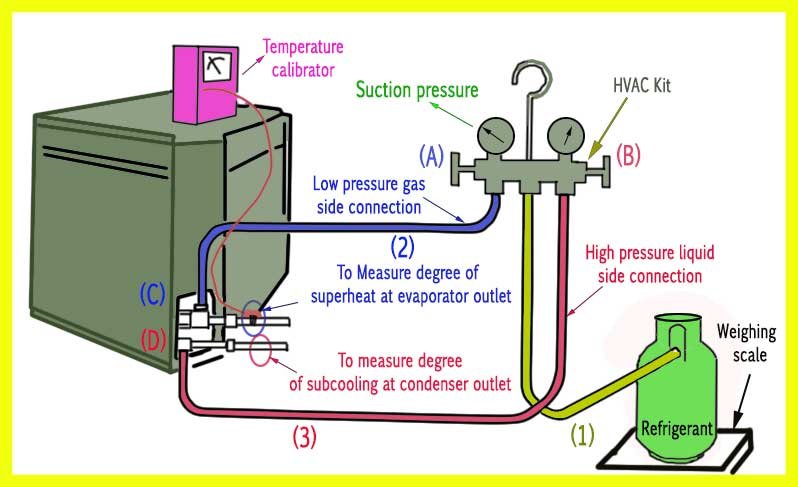
冷却システムに冷媒を充填する
3. 異音にご注意ください
マシン起動後, まず、コンプレッサーの音が正常かどうかを聞いてください, 凝縮器と蒸発器が正常に動作しているかどうか、および圧縮機の電流が安定しているかどうかを確認します.
安定冷却後, 冷凍システムのすべての部品の性能をチェックする: 排気圧力, 吸引圧力, 排気温度, 吸引温度, モーター温度, クランクケース温度, 膨張弁温度, 蒸発器の霜付けを観察する & 膨張弁, オイルレベルを観察し、機器が’ 音が異常.
4. クリーンな冷凍システム
冷凍システムの内部は非常にきれいでなければなりません, そうしないと、スロットル穴や潤滑油の経路が詰まります。.
- アンモニア系用: 通常、冷凍コンプレッサーを使用してシステムの空気をブーストします, 各メインコンテナの最低レベルで空気をすばやく洗い流します (コンデンサーなど, 蒸発器, 液体貯蔵タンク), ごみがシステムから排出されるように.
- フロン冷凍システム用: 通常、ブローダウンには窒素を使用します, 空気中の水分がシステムに入るのを防ぐため.
知らせ: 冷凍システムのクリーニングについて詳しく知りたい方は, 私たちの投稿をチェックしてください “冷凍システム内の空気を除去する方法?”
試運転注意
この順序でシステムを確認してください: 外部条件, 電気系統, コンプレッサー, 冷凍システム, および安全保護装置.
現場での試運転中に設置者を支援するため, 次の冷蔵室凝縮ユニットのテスト実行チェックリストを使用して、各項目を 1 つずつチェックしてください.
| チェック項目 | 確認すべきこと | 標準 / 要件 | リスク |
|---|---|---|---|
| バルブの状態 | すべてのバルブが正しい開位置にあるかどうかを確認します, 特に排出遮断弁. | 試運転前にすべてのバルブを正しく開いてください. 吐出遮断弁は閉めないでください. | 吐出バルブが閉じていると、ヘッド圧力が高くなり、コンプレッサーが損傷する可能性があります。. |
| 凝縮器の運転条件 | 水冷システム用, 冷却水バルブが開いたままになっているかどうかを確認してください. 空冷システム用, ファンが回転しているかどうか、空気の流れの方向が正しいかどうかを確認してください。. | 冷却水の流量または空気量はユニットの要件を満たす必要があります. | 熱遮断が不十分だと凝縮圧力が上昇し、冷却性能が低下する可能性があります. |
| 電気制御 | 電気制御回路を個別にテストする. 電源電圧が正常かどうかを確認してください. | 制御回路が正しく動作するはずです. 電圧は安定しており、ユニットの要件に一致する必要があります。. | 電圧の問題や制御障害により、起動が妨げられたり、誤った保護が作動したりする可能性があります. |
| コンプレッサーオイルレベル | コンプレッサーのクランクケース内のオイルレベルを確認してください. | オイルレベルをサイトグラスの中心線付近に保つ. | オイルレベルが低いと潤滑不良が発生し、コンプレッサーの寿命が短くなる可能性があります. |
| 高圧および低圧計 | 高圧側と低圧側の圧力測定値が通常の動作範囲内にあるかどうかを確認します。. | 圧力測定値は通常のユニットの動作条件と一致する必要があります. | 異常な圧力は詰まりを示している可能性があります, 冷媒充填量が少ない, 過充電, または熱遮断が不十分. |
| 油圧 | 油圧の測定値が正常であるかどうかを確認してください. | 容量制御付きコンプレッサー用, 油圧は吸入圧力より 0.15 ~ 0.3 MPa 高く保つ必要があります. 容量制御のないコンプレッサーの場合, 油圧は吸入圧力より 0.05 ~ 0.15 MPa 高く保つ必要があります. | 油圧が低いと潤滑不良が発生し、コンプレッサーの故障リスクが高まる可能性があります. |
| 膨張弁の動作 | 膨張弁を通る冷媒の流れを聞き、ラインの状態を確認します。. | 通常の流れが聞こえるはずです. 冷蔵室システム内, 線には通常のつや消しが表示されるはずです. | 流音がない場合や異常な霜が発生している場合は、詰まりを示している可能性があります。, 液体供給不良, またはバルブの故障. |
| 容量制御コンプレッサー | アンロード装置付きコンプレッサーの場合, コンプレッサーが全負荷で起動するかどうかを確認します. | コンプレッサーは初期起動時に全負荷で動作する必要があります. シリンダーヘッド温度をチェックして動作を確認します. | 一部のシリンダーが作動しない場合, 冷却能力が低下する可能性があります. |
| シリンダーヘッド温度 | 各シリンダーヘッドを触って温度を比較. | シリンダーヘッドが高温になるということは、通常、シリンダーが正常に動作していることを意味します. シリンダーヘッドが冷えるとシリンダーが機能しない可能性があります. | シリンダが作動しないと出力低下や動作が不安定になる場合があります。. |
| 安全保護装置 | 高圧および低圧リレーを確認してください, オイル差圧リレー, 冷却水遮断リレー, 凍結防止装置, 安全弁, およびその他の保護装置を 1 つずつ. | すべての保護デバイスは正常に動作し、適切な設定を使用する必要があります。. | 保護が故障するとシステム事故のリスクが高まる可能性があります. |
| 計器の測定値 | 他の機器の測定値が指定された範囲内にあるかどうかを確認します. | すべての測定値は明らかな変動がなく安定している必要があります. | 異常な読み取り値は、隠れたシステムの問題を示している可能性があります. |
| 異常事態の処理 | 異音に注意, プレッシャー, 温度, またはテスト実行中のその他の異常な状態. | まず本体を停止してください, それから原因を見つけてください. | 操作を続けると問題が悪化する可能性があります. |
| 共通故障検査 | 膨張弁の詰まりやフィルタードライヤーの詰まりなどの一般的な故障に焦点を当てる. | システムの動作が不安定な場合, 最初にこれらの一般的な障害点を確認してください. | 詰まりにより液体の供給が悪くなる可能性があります, 異常な圧力, そして冷却が弱い. |
| システムの清潔さと乾燥度 | システム内部が汚れや湿気がなく、清潔で乾燥した状態に保たれていることを確認します。. | 設置および試運転の前に、システムを清潔で乾燥した状態に保ってください。. | 汚れや湿気により氷が詰まる可能性があります, 汚れの詰まり, そして潤滑不良. |
知らせ: 異常な高圧を感じたら, 油圧が低い, 異音, または頻繁な安全旅行, すぐにユニットを停止してシステムを点検してください. 無理に実行し続けないでください.
冷蔵室ユニットの一般的な問題
冷蔵室ユニット運転時, 一般的な問題には高圧アラームが含まれる場合があります, 低圧断層, 油圧の問題, コンプレッサーの起動不良, そしてエキスパンションバルブの氷結.
完全なトラブルシューティング ガイドについては、, 詳細な投稿をお読みください “コールドルームの障害リストとトラブルシューティングの究極ガイド”.
R404Aの置き換え傾向
R404A は依然として多くの既存の冷蔵室システムに対応しています, しかし、それは新しいプロジェクトの長期的な選択肢としてはもはや目立っていません.
GWP が高いため、コンプライアンスのプレッシャーがさらに高まります, 供給逼迫リスク, メンテナンスコストの予測が困難になる.
卸売業者様向け, 設置者, EPC請負業者, とエンドユーザー, 冷媒の選択はシステム設計だけでなく、運用コストや長期的な市場適合性にも影響を与えるようになりました。.
市場動向
より多くの冷蔵室プロジェクトが R404A への依存を減らしています. 新規設置の場合, 購入者は、より長期的な価値を提供する低GWP冷媒をますます好むようになりました。.
これは、新しいプロジェクトが現在も R404A を使用している場合、, 事前購入の方が簡単に見えるかもしれません, しかし将来の冷媒補充, サービス, コンプライアンスコストが上昇する可能性がある.
主な交換方向
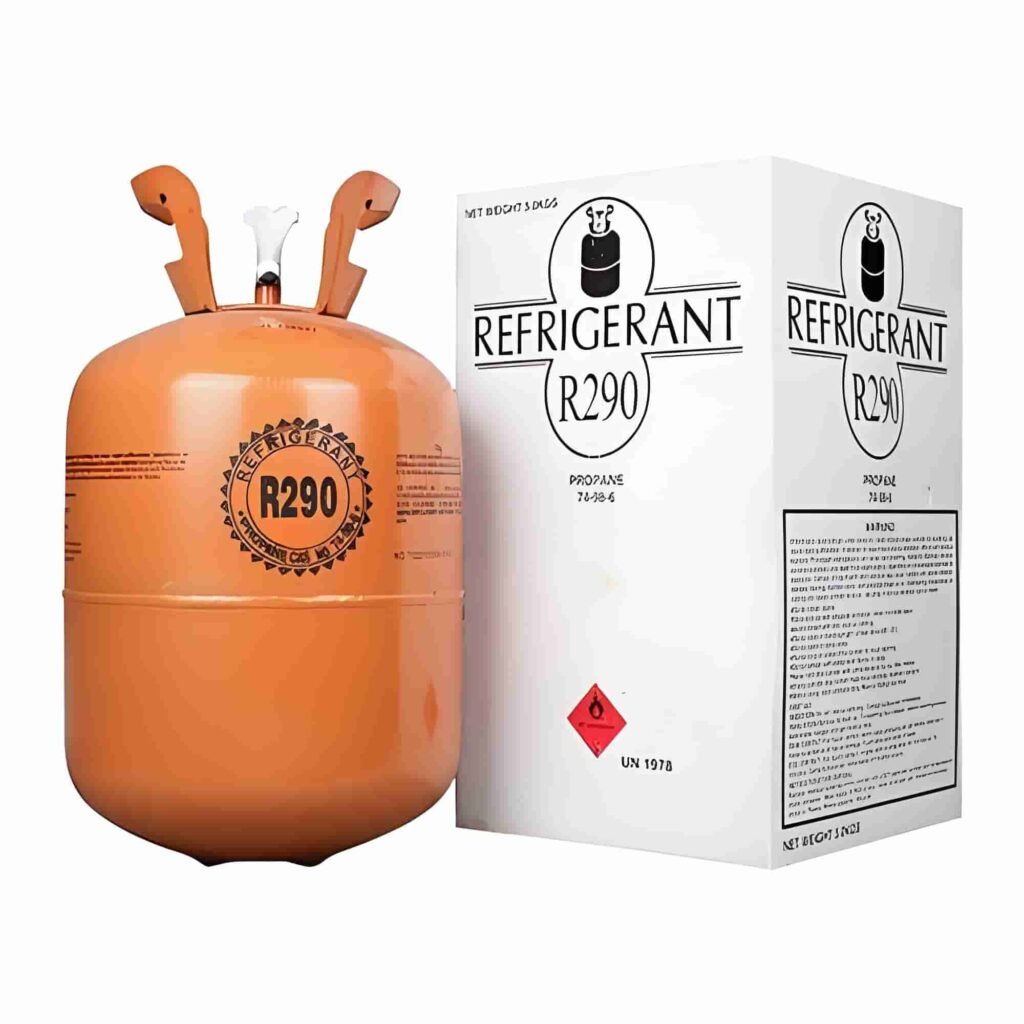
今日の市場動向から, R290は代替オプションとしてもっと注目されるべきです.
R404Aとの比較, R290 は超低 GWP を実現し、環境コンプライアンスと長期開発において強力な利点を提供します。.
製品の競争力を向上させたいサプライヤーおよび請負業者向け, 将来の政策リスクを軽減する, プロジェクトの価値を強化する, R290の魅力はますます高まっています.
しかし, R290 では、単なる冷媒交換以上のものが必要です. システム設計にはより高い基準が求められます, 安全規則, アプリケーションの計画, 設置およびサービス能力.
そのせいで, 成熟した R290 冷蔵室ユニット ソリューションは、メーカーの技術力とアップグレード能力を示しています.
商業的影響
ビジネスの観点から, R404A の置き換え傾向は新しいプロジェクトの構成に直接影響します, 製品のポジショニング, アフターセールス戦略, 長期的な市場競争力.
When customers choose a cold room 凝縮ユニット, 彼らはもはや単価だけに焦点を当てていません.
また、冷媒が将来の市場動向に適合するかどうかも検討します。, サービスの利便性が維持されるかどうか, そしてプロジェクトが今後数年間その価値を維持できるかどうか.
よくある質問
Q1: 中国のメーカーから冷蔵室用凝縮ユニットを購入するにはどうすればよいですか?
1. 室温を確認する, 部屋の大きさ, 冷媒, 電源, まず周囲温度.
2. OEMサービスが必要な場合, ロゴを確認する, カートン, 銘板, マニュアル, およびコントローラー言語の初期段階で.
3. MOQについて質問する, リードタイム, スペアパーツ, 注文前のアフターサポートと.
4. 出荷前, コンプレッサーのブランドを確認してください, 銘板データ, 冷媒, パイプサイズ, 電気セットアップ, と配線図.
5. より安全性を高めるために, まずはスペックを確認する, 書類二番目, 検査基準第3, そして最終支払いは最後です.
Q2: 気候や地域ごとにコンデンシングユニットを選ぶ際に注意すべき点は何ですか?
1. 暑い地域向け, ユニットが 46°C などの高い周囲温度をサポートしているかどうかを確認してください, 50℃, または52℃.
2. コンデンサーのサイズに注意, ファンのパフォーマンス, コンプレッサーマッチ, ハイアンビエントキットのオプション.
3. 沿岸地域や湿気の多い地域向け, 腐食保護を確認してください, キャビネットの材質, および電気ボックスのシーリング.
4. 粉塵の多い場所用, エアフローの設計と掃除のしやすさをチェックする.
5. 地域の気候に適合したユニットは通常、より確実に動作し、寿命が長くなります。.
Q3: コンデンシングユニットを屋外に設置する場合に最も注意すべきことは何ですか?
初め, 換気をチェックする. 続いて日焼け止めチェック, 雨よけ, そしてサービススペース.
凝縮器の周りで空気がうまく移動できない場合, ユニットは依然として高い凝縮圧力にさらされる可能性があります, 冷却性能が低下する, 設定が正しい場合でも夏期アラームが頻繁に発生する.
Q4: Will unstable voltage affect 凝縮ユニット 手術?
はい, そしてその影響は多くの購入者が予想するよりも大きくなる可能性があります.
電圧変動はコンプレッサーの起動に影響を与える可能性があります, 接触器の動作, ファンの動作, 制御システムの安定性. 深刻な場合, また、誤った安全トリップを引き起こしたり、電気部品の寿命を縮めたりする可能性もあります。.
ローカル電源が不安定な場合, 購入する前にユニットの電圧と周波数範囲を確認してください.
電圧安定化が必要かどうかも確認する必要があります。, 相順保護装置, 欠相保護, またはより高度な電気制御システム.
Q5: 購入者が現場に到着した後にユニットを検査するときに最も見落としがちなことは何ですか?
多くの購入者は外観が傷んでいるかどうかだけを確認します, しかし、細かい点が後で大きな問題を引き起こすことがよくあります.
本体が到着したら, 見た目だけをチェックしないでください. 銘板データも確認してください, コンプレッサーのブランドとモデル, 冷媒タイプ, パイプ接続サイズ, ファンの数量, 電源仕様, コントロールボックスの構成, 出荷品に配線図と配線マークが含まれているかどうか.
結論
冷蔵室の凝縮ユニットは冷却性能に影響を与えます, エネルギーの使用, システムの信頼性.
適切なユニットで安定稼働をサポート, ランニングコストの削減, サービスの問題も少なくなります.
主要なコンポーネントを理解していれば, 選択のポイント, インストールの基本, そしてよくある問題, 冷蔵室プロジェクトに関してより適切な意思決定を行うことができます.



2 反応
文学ってすごいな, そこから学ぶのはとても良いことです.
しかし、取り付け図と回路図を含めることができたのではないかと思います.
OK, 提案をありがとう.