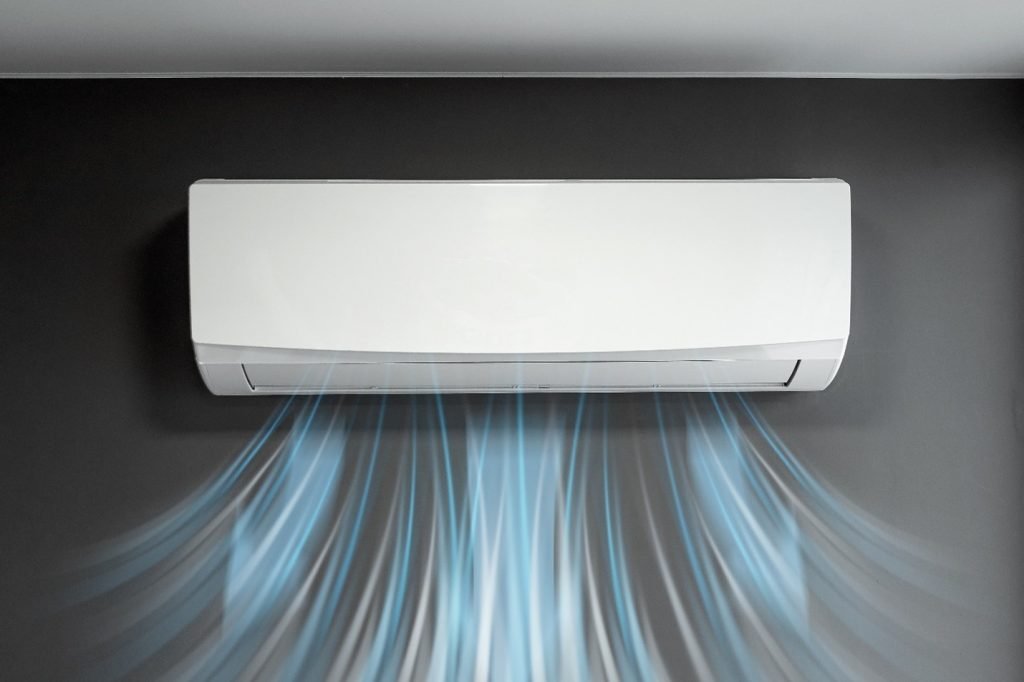
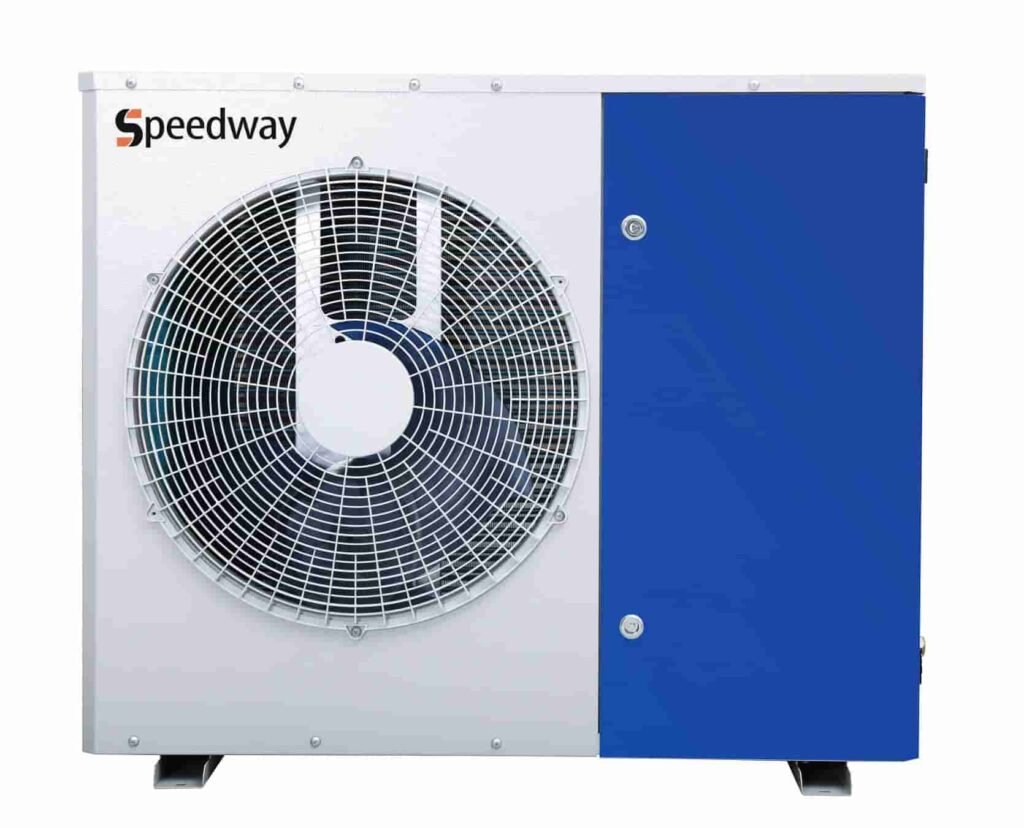
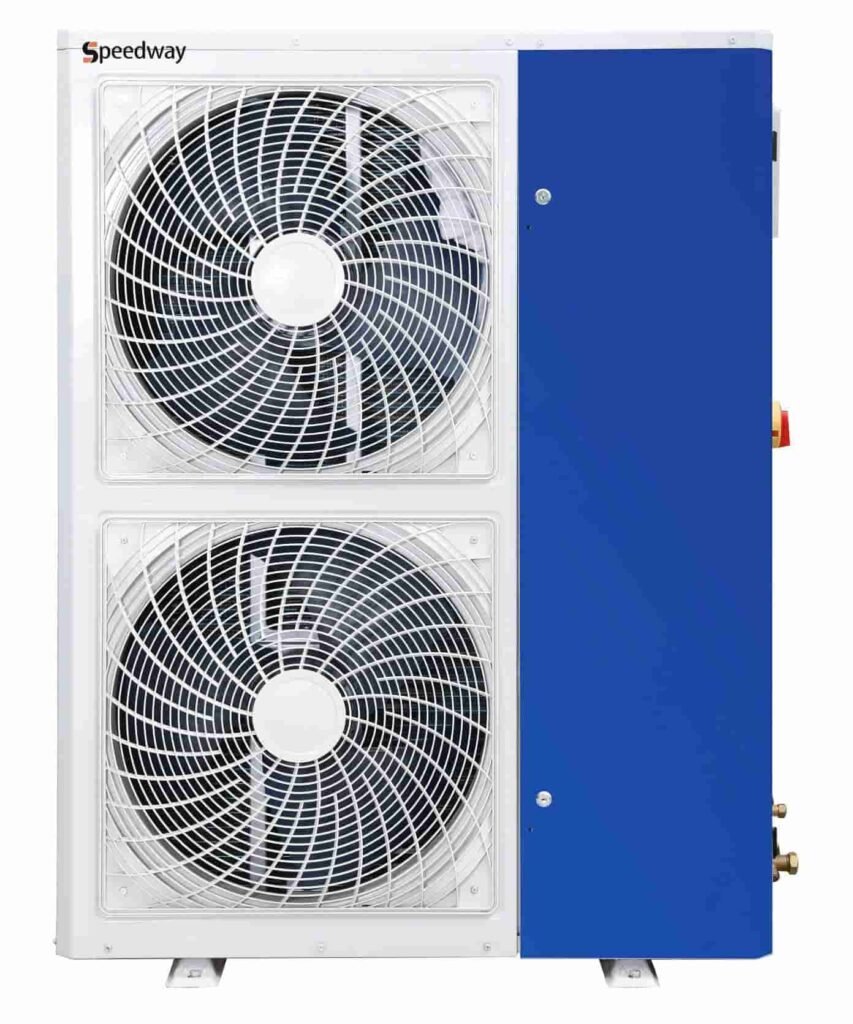
Choosing between monoblock refrigeration unit and split refrigeration unit affects installation, equipment placement, project cost, and daily operation. Para mayoristas, instaladores, y contratistas, the right choice starts with the cooling task and site conditions.
The integrated option reduces on-site refrigerant piping. The split option allows separate locations for the refrigeration unit and evaporator, giving the project team more flexibility.
This guide compares complete refrigeration solutions. Evaluate both options against the same cooling duty and include the necessary equipment, controles, and accessories in each quotation.
What Is the Main Difference?
Unidad de refrigeración monobloque
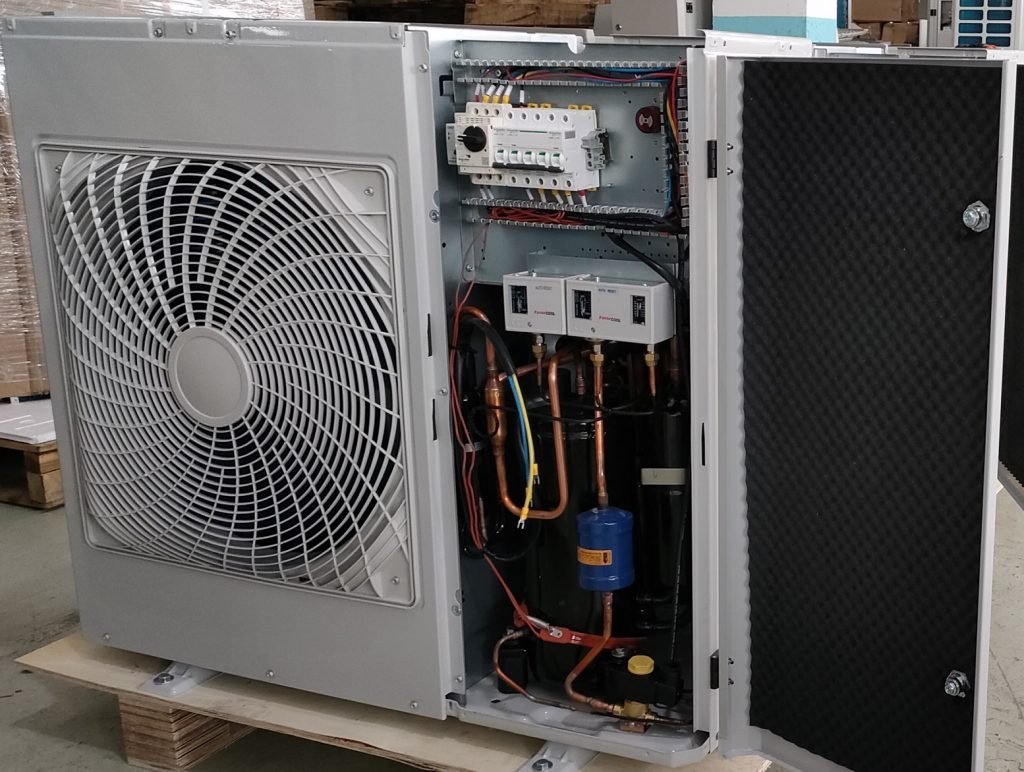
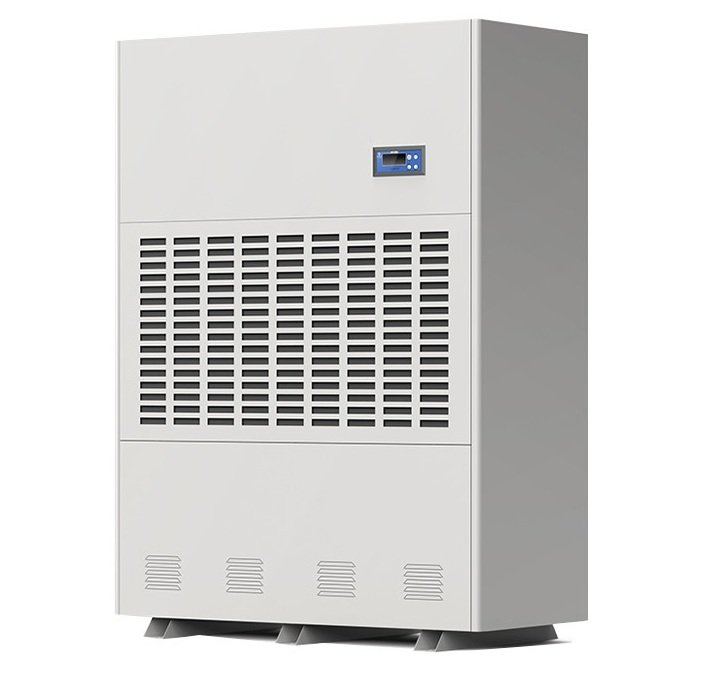
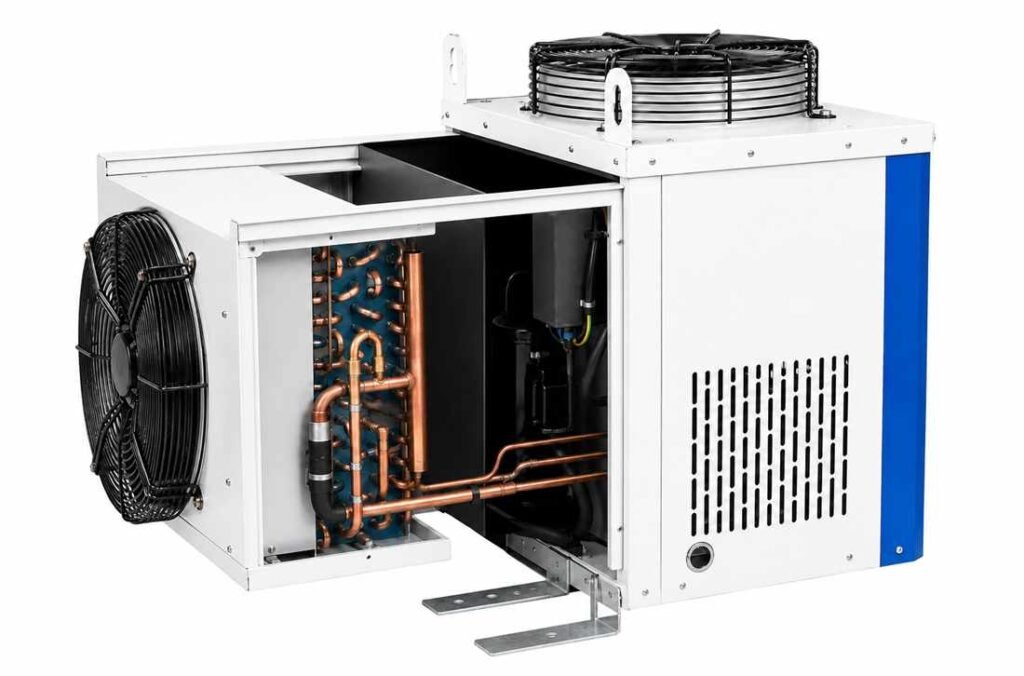
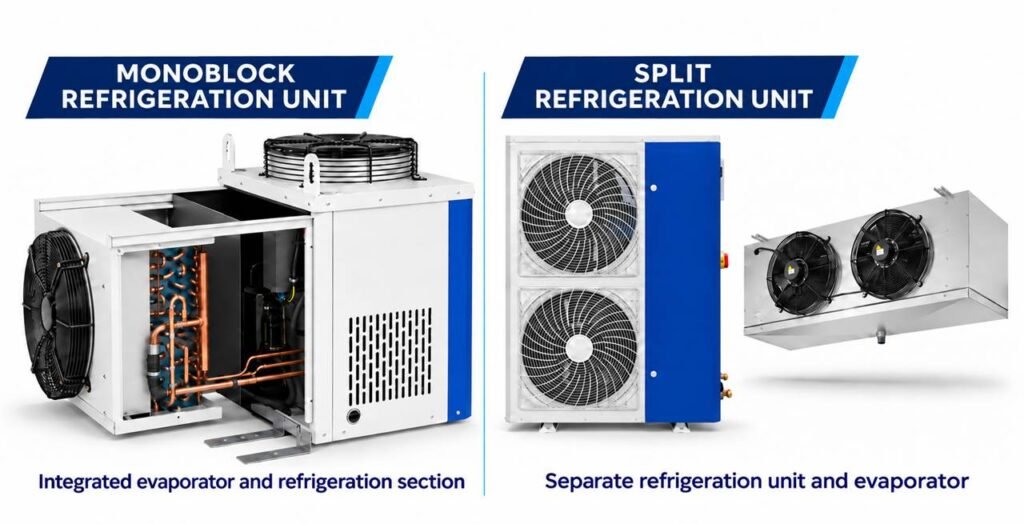
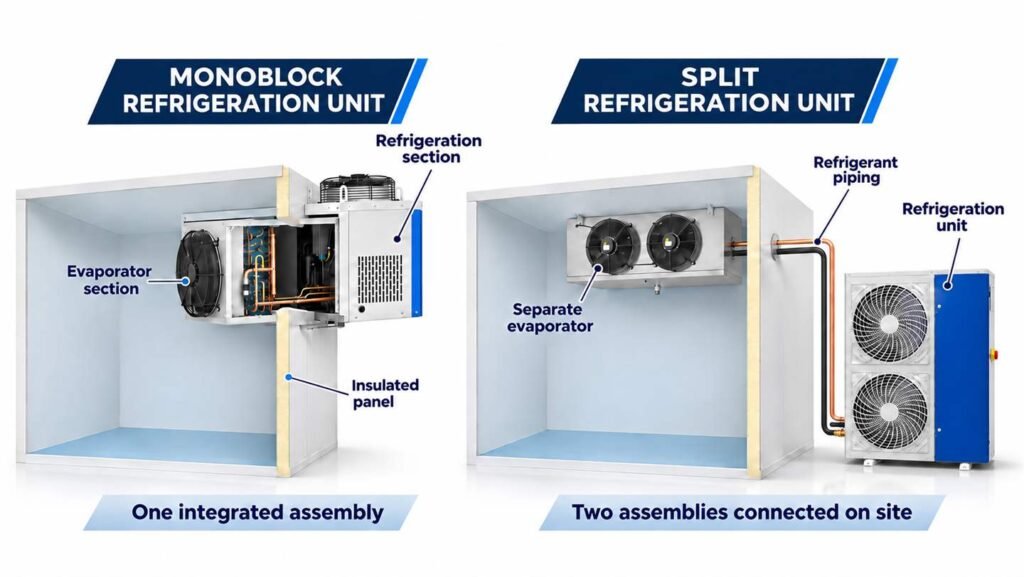
Monoblock refrigeration unit integrates the compressor, condensador, evaporador, expansion device, and controls into one assembly. The factory assembles and tests the refrigeration circuit and usually charges it before shipment.
Wall-mounted and ceiling-mounted designs suit different room layouts. A compatible installation reduces field connections and simplifies delivery, especially when several projects share the same specifications.
Split Refrigeration Unit
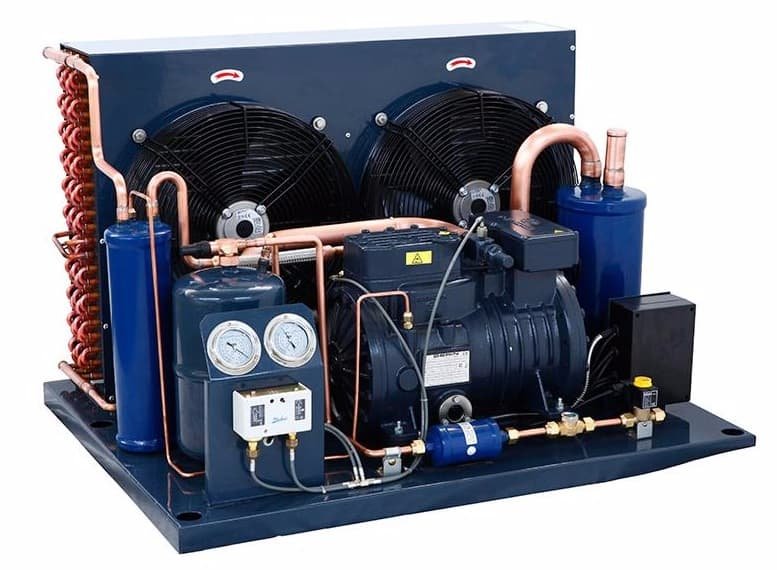
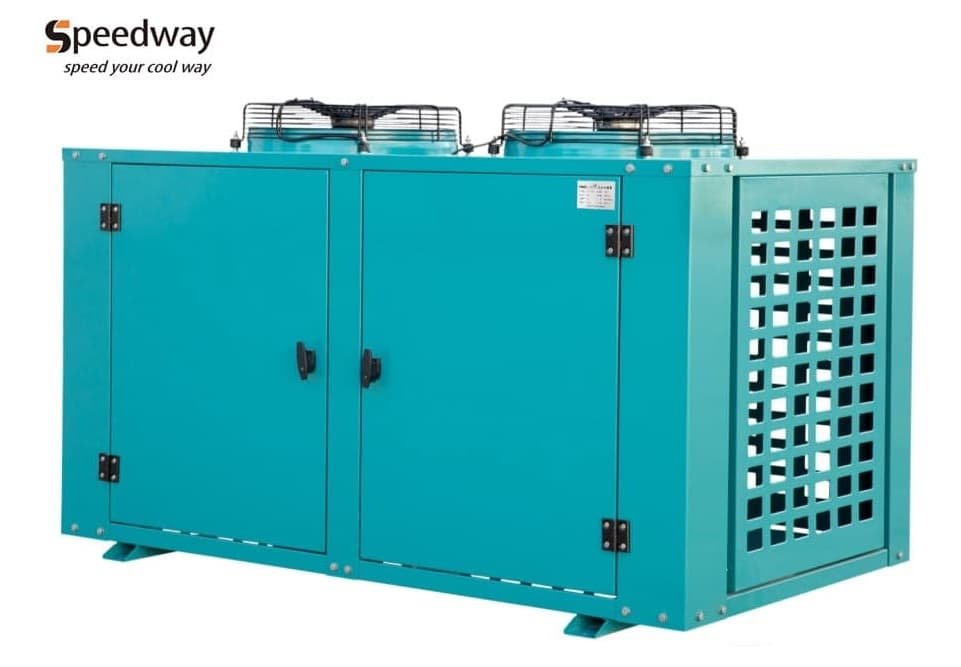
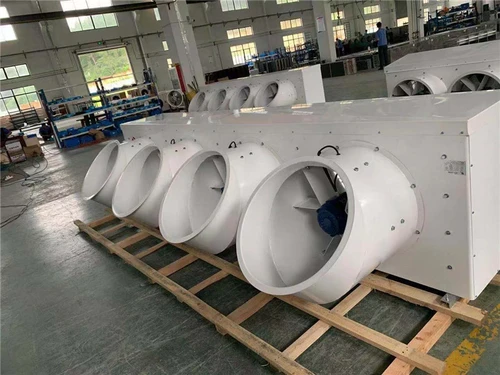
Split refrigeration unit comprises a refrigeration unit and a separate evaporator. The refrigeration unit houses the compressor, condensador, and associated components. Refrigerant piping connects it to the evaporator inside the cold room.
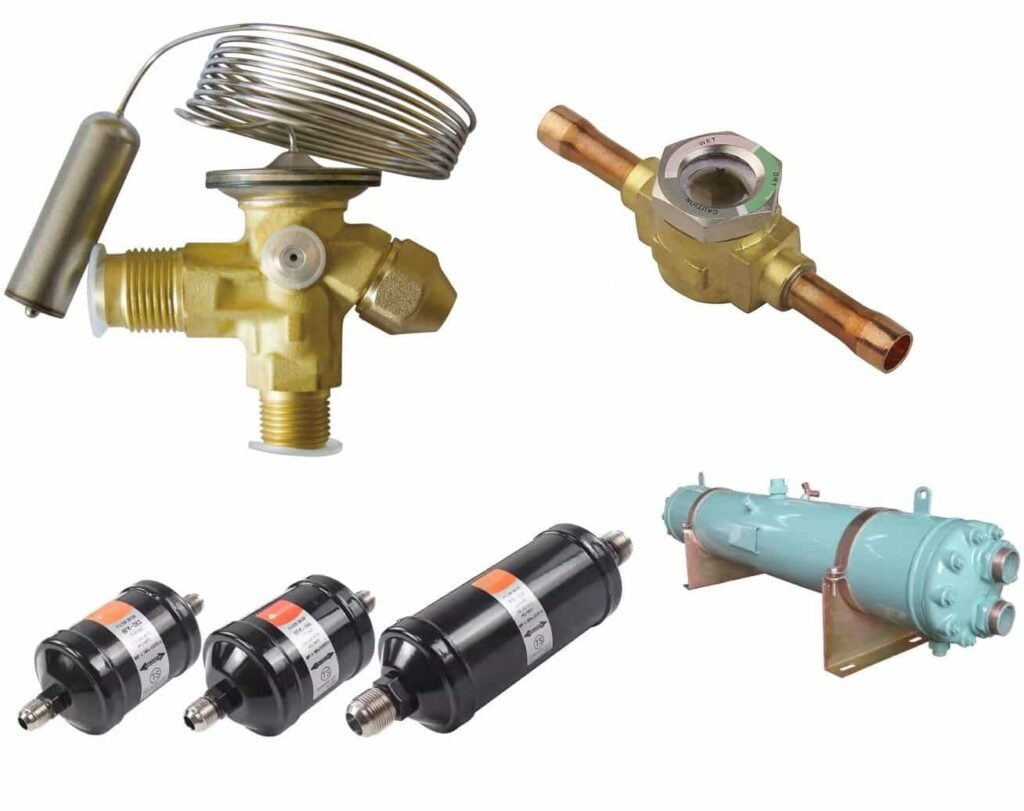
The supplier may offer a matched package or quote the components separately. Confirm that the quotation covers the evaporator, expansion device, controles, y accesorios.
How Structural Differences Affect Purchasing and Installation?
Structural differences influence both equipment selection and project delivery.
Monoblock refrigeration unit reduces on-site connections, but its integrated geometry limits installation positions.
Split refrigeration unit offers more flexibility in equipment placement and evaporator matching, but it requires more site-specific design, tubería, y puesta en marcha.
Quick Comparison
| Factor | Unidad de refrigeración monobloque | Split refrigeration unit |
|---|---|---|
| Equipment layout | One integrated assembly | Separate condensing unit and evaporator |
| Field refrigerant piping | Usually minimal | Usually necessary |
| Positioning | Depends on mounting geometry | Allows separate equipment locations |
| Evaporator selection | Usually follows the unit configuration | Offers more matching options |
| Installation work | Montaje, fuerza, caza de focas, y drenaje | Also requires piping and refrigeration commissioning |
| Heat rejection | Follows the condensing section’s location | Allows remote condensing-unit placement |
| Cost comparison | Include all installation requirements | Include both assemblies and connecting components |
| Energy performance | Depends on model and operating conditions | Depends on model and operating conditions |
Aviso: Choose the arrangement that fits the project. Neither structure alone guarantees lower cost or better efficiency.
How Should You Compare Cooling Capacity?
Start with the refrigeration load
Two rooms with identical dimensions can need different capacities because their products, loading schedules, aislamiento, and door traffic differ.
A room that stores frozen goods faces a different task from a room that receives warm products throughout the day. Define the incoming product temperature, daily quantity, temperatura objetivo, and available cooling time.
Do not select either option by compressor horsepower alone
Use our cooling capacity calculator Compare cooling capacity at the same operating conditions, including the relevant ambient and evaporating temperatures.
For a split refrigeration unit, match the evaporator, expansion device, and controls to the outdoor refrigeration unit. For the integrated alternative, check that the complete assembly covers the required duty.
Ask the supplier to explain the capacity margin and expected operating pattern. Excess capacity can create control problems, while insufficient capacity can delay temperature recovery after loading.
Also distinguish room air temperature from product core temperature. Reaching the thermostat setting does not prove that the product has reached its target.
How Do Placement and Heat Rejection Affect Your Choice?
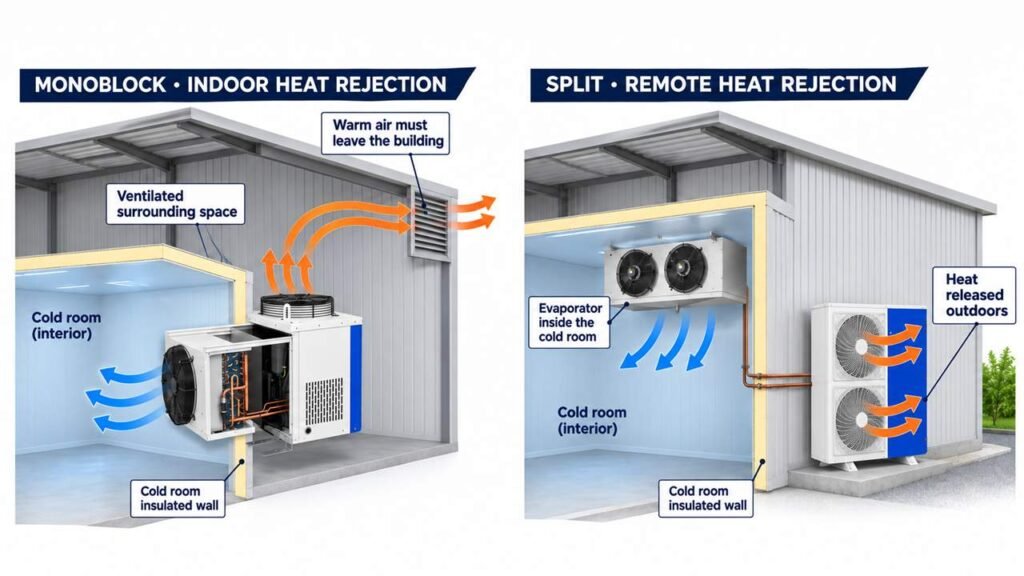
A monoblock refrigeration unit releases condenser heat wherever its refrigeration section operates. If that section faces a warehouse, kitchen, or enclosed passage, the surrounding space needs adequate heat removal.
Check the intake and discharge paths. Avoid obstructions and hot-air recirculation, which can raise the condenser inlet temperature and reduce performance.
A split refrigeration unit lets you position the outdoor refrigeration unit away from the cold room. This flexibility helps when the building needs a different heat-rejection location or nearby workers need less compressor noise.
Sin embargo, an outdoor location still needs suitable ventilation, weather protection, and maintenance access. The separate evaporator also produces fan noise inside the room.
Keep shelving and stored goods clear of the evaporator airflow. Both arrangements need reliable air circulation around the load.
What Installation Work Does Each Option Require?
Installing a Monoblock Refrigeration Unit
The integrated design reduces refrigerant piping, but the installer still needs to prepare the opening, verify structural support, position the equipment, and seal the panel junction.
The site team must also provide the correct electrical supply, arrange drainage, set the controller, and check operation. Freezer applications may need drain protection to prevent ice blockage.
Confirm panel thickness, mounting geometry, and service clearance before ordering. These details can determine whether the unit fits the room.
Installing a Split Refrigeration Unit
A conventional installation adds refrigerant piping, aislamiento, interconnecting wiring, and circuit commissioning. The technician checks the piping layout, leak integrity, evacuation, refrigerant charge, and operating settings.
Pipe length and height difference affect system design. Follow the selected equipment’s instructions rather than applying one universal limit.
Agree on the commissioning handover before installation starts. Record controller settings, controles de alarma, defrost operation, and temperature recovery so the project team can verify the completed installation.
Precharged or quick-connect packages can change the installation process. Confirm their connection requirements and commissioning steps with the supplier.
Which Option Costs Less?
Compare complete project quotations rather than equipment prices alone.
A quotation for a monoblock refrigeration unit normally covers the integrated evaporator and refrigeration section. A low quotation for the split alternative may cover only part of the equipment. Include the separate evaporator, controles, expansion components, and accessories before judging the difference.
Then compare installation expenses: mounting, levantamiento, trabajo electrico, drenaje, tubería, aislamiento, refrigerante, mano de obra, y puesta en marcha. Include any additional ventilation that the proposed equipment location needs.
A higher purchase price for the integrated option can still produce a lower installed cost when it saves substantial field labor. The split alternative may justify additional installation work when its layout solves site constraints.
For running costs, compare electricity, preventive maintenance, replacement parts, and local service charges. Use realistic operating hours and load patterns rather than assuming continuous operation at nameplate power.
For repeat orders, use the same quotation template across suppliers. This approach exposes missing components and helps distributors compare standard packages with project-specific configurations.
Keep currency, trade terms, freight scope, and quotation dates consistent.
Which Option Uses Less Electricity?
Neither a monoblock refrigeration unit nor a split refrigeration unit automatically delivers better energy efficiency.
Compressor selection, heat exchanger sizing, fan power, controles, refrigerante, and installation conditions all influence electricity use. Poor ventilation can undermine an otherwise efficient unit.
Compare similar cooling duties and define the power measurement boundary. Include both evaporator and condenser fans when comparing total input.
Inverter control can improve part-load operation when the application and equipment suit it. Sin embargo, comparing an inverter-driven integrated unit with a fixed-speed split refrigeration unit mixes control technology with equipment layout.
Ask suppliers to explain any energy-saving claim, including the comparison model, condiciones de carga, and measurement period. Consider defrost and auxiliary heaters when estimating total consumption.
What Should You Confirm Before Ordering?
| Controlar | Information to confirm |
|---|---|
| Cooling task | Storage or product cooling, temperatura objetivo, carga diaria, and cooling time |
| Room construction | Dimensiones, aislamiento, espesor del panel, and door usage |
| Ambient conditions | Expected temperatures, ventilación, and nearby heat sources |
| Electrical supply | Actual voltage, fase, frecuencia, and available supply capacity |
| Integrated-unit fit | Opening dimensions, structural support, drenaje, and access |
| Split-unit configuration | Evaporator matching, pipe route, height difference, y controles |
| Refrigerante | Equipment compatibility and destination-market requirements |
| Supply scope | Equipo, valvulas, controlador, refrigerante, tubería, y accesorios |
| Cumplimiento | Applicable product requirements and documents for the exact model |
| Site responsibility | Lifting, trabajo electrico, tubería, instalación, y puesta en marcha |
| Commercial terms | Freight, delivery time, warranty coverage, and spare-parts support |
Aviso: Confirm these points in writing so the supplier and installation team work from the same scope.
Preguntas frecuentes
Q1. Can a monoblock refrigeration unit serve a freezer room?
Sí, if the model provides sufficient capacity at the freezer duty and includes suitable defrost and drainage arrangements. A low controller setting alone does not establish freezer capability.
Q2. Can a monoblock refrigeration unit maintain −18°C?
Sí, if the model delivers enough cooling capacity at the required conditions. Check its low-temperature operating range, defrost system, and drain protection. The controller setting alone does not prove freezer capability.
Q3. Do two 3HP refrigeration units deliver the same cooling capacity?
No exactamente. Compressor horsepower does not determine cooling capacity alone. Compare both units at the same ambient and evaporating temperatures.
Q4. Does a split refrigeration unit include an evaporator?
A complete split refrigeration unit includes an outdoor refrigeration unit and a separate indoor evaporator.
Sin embargo, suppliers may quote only selected components. Confirm the itemized scope rather than relying on the quotation title.
Q5. Can a monoblock refrigeration unit operate inside a building?
Sí, when the installation provides suitable condenser airflow and removes the condenser heat.
Confirm the surrounding temperature, ventilación, drenaje, and access.
Q6. Which option installs faster?
A monoblock refrigeration unit often reduces installation time because it avoids conventional field refrigerant piping. Actual work still depends on mounting, electrical preparation, drenaje, and site access.
P7. Does a monoblock refrigeration unit need refrigerant charging on site?
Many models arrive with a complete factory charge and avoid routine field charging during installation.
Check the selected model’s instructions and whether installation requires opening the refrigeration circuit.
P8. Can I replace individual components in a monoblock refrigeration unit?
Often, Sí. Check component access, replacement procedures, and spare-parts availability for the exact model. The integrated design does not automatically require whole-unit replacement.
Conclusión
Choose a monoblock refrigeration unit when its integrated layout fits the site and reduces installation work. Choose a split refrigeration unit when the project needs separate equipment locations or more evaporator flexibility. Compare cooling duty, complete installed cost, and supply scope before ordering.