ความผิดพลาดของห้องเย็นอาจทำให้ผลิตภัณฑ์สูญหายได้, ต้นทุนพลังงานที่สูงขึ้น, และการหยุดทำงานที่ไม่คาดคิดหากไม่ได้รับการจัดการอย่างรวดเร็ว.
ในคู่มือนี้, เราครอบคลุมปัญหาห้องเย็นทั่วไป, วิธีการระบุพวกเขา, และขั้นตอนการปฏิบัติที่คุณสามารถดำเนินการเพื่อแก้ไขปัญหาได้อย่างมีประสิทธิภาพ.
จะทำอย่างไรทันทีหลังจากห้องเย็นขัดข้อง
เมื่อเกิดเหตุขัดข้องกะทันหัน, คุณสามารถใช้มาตรการฉุกเฉินเพื่อลดการสูญเสียของคุณได้.
1. ลดการเปิดประตู:
จำกัดการเข้าและออกที่ไม่จำเป็นทันที, ระงับการโหลดหรือหยิบสินค้าที่ไม่จำเป็น, และเก็บ ประตูห้องเย็น ปิดให้มากที่สุดเพื่อลดการสูญเสียอากาศเย็น.
2. ปกป้องผลิตภัณฑ์ที่มีมูลค่าสูงและไวต่ออุณหภูมิก่อน:
จัดลำดับความสำคัญของอาหารทะเล, เนื้อ, ผลิตภัณฑ์นม, เภสัชกรรม, และสินค้าที่มีมูลค่าสูงหรือไวต่ออุณหภูมิอื่นๆ สำหรับการโอน.
ผลิตภัณฑ์ที่มีความเสี่ยงต่อการเน่าเสียต่ำกว่าสามารถจัดการได้ในภายหลัง.
3. บันทึกข้อมูลการดำเนินงานที่สำคัญ:
บันทึกอุณหภูมิห้องปัจจุบัน, ตั้งอุณหภูมิ, รหัสปลุก, เวลาแห่งความล้มเหลว, อุณหภูมิโดยรอบ, และสัญญาณที่มองเห็นได้ เช่น เสียงผิดปกติ, การรั่วไหลของน้ำ, หรือการสะสมของน้ำค้างแข็ง.
บันทึกที่ถูกต้องสามารถช่วยให้ทีมบริการระบุปัญหาได้อย่างมีประสิทธิภาพมากขึ้น.
4. ดำเนินการตรวจสอบขั้นพื้นฐาน:
ตรวจสอบแหล่งจ่ายไฟ, เบรกเกอร์, สัญญาณเตือนของตัวควบคุม, สภาพการปิดผนึกประตู, ระดับเปลือกน้ำฅาลระเหย, และบริเวณคอนเดนเซอร์ถูกปิดกั้นหรือมีการระบายอากาศไม่ดีหรือไม่.
5. แยกความเสี่ยง:
หากมีน้ำรั่ว, กลิ่นไหม้, เสียงผิดปกติ, ทริปเบรกเกอร์ซ้ำแล้วซ้ำอีก, หรือสัญญาณอื่นใดของอันตรายทางไฟฟ้าหรือทางกล, หยุดบังคับให้ระบบทำงานเพื่อป้องกันความเสียหายเพิ่มเติม.
6. ติดต่อซัพพลายเออร์ของคุณทันที:
แบ่งปันภาพถ่ายในสถานที่, วิดีโอ, ข้อมูลการเตือนภัย, และข้อมูลการดำเนินงานโดยเร็วที่สุด.
ซึ่งสามารถร่นระยะเวลาในการสื่อสารได้, ปรับปรุงความแม่นยำในการวินิจฉัย, และเร่งกระบวนการกู้คืน.
รายการวินิจฉัยด่วน
ขั้นตอนต่อไป, คุณควรได้รับการวินิจฉัยอย่างรวดเร็วด้วยตัวเองเพื่อระบุข้อบกพร่องพื้นฐานของคุณ ห้องเย็น:
| ความผิดพลาด | สาเหตุน่าจะ | สิ่งที่ต้องตรวจสอบก่อน | ใครควรจัดการ |
|---|---|---|---|
| ห้องเย็นไม่เย็นพอ | ประตูรั่ว, คอนเดนเซอร์สกปรก, สารทำความเย็นต่ำ, การอุดตันของการไหลของอากาศ | ปิดประตู, ตั้งอุณหภูมิ, ความสะอาดของคอยล์, การวางซ้อนผลิตภัณฑ์ | ผู้ดำเนินการ / ช่าง |
| น้ำแข็งบนเครื่องระเหย | ความล้มเหลวในการละลายน้ำแข็ง, การรั่วไหลของอากาศที่ประตู, ความชื้นสูง, การไหลของอากาศต่ำ | รอบการละลายน้ำแข็ง, ปะเก็น, พัดลม, ท่อระบายน้ำ | ผู้ดำเนินการ / ช่าง |
| น้ำบนพื้น | ท่อระบายน้ำที่ถูกบล็อก, ปัญหาการละลายน้ำแข็ง, ซีลประตูรั่ว | สายระบายน้ำ, กระทะ, ปะเก็น, ความลาดชันของพื้น | ผู้ดำเนินการ / ช่าง |
| คอมเพรสเซอร์ไม่ทำงาน | การสูญเสียพลังงาน, การเดินทางเบรกเกอร์, ความผิดพลาดของตัวควบคุม, ความผิดปกติของคอมเพรสเซอร์ | เบรกเกอร์, แหล่งจ่ายไฟ, สัญญาณเตือนคอนโทรลเลอร์ | ช่าง |
| สารทำความเย็นรั่วไหล | ท่อสึกกร่อน, ข้อต่อหลวม, ความเสียหายจากการสั่นสะเทือน, การติดตั้งไม่ดี | คราบน้ำมัน, ความดันลดลง, ประสิทธิภาพการทำความเย็น, จุดรั่วไหล | ช่าง |
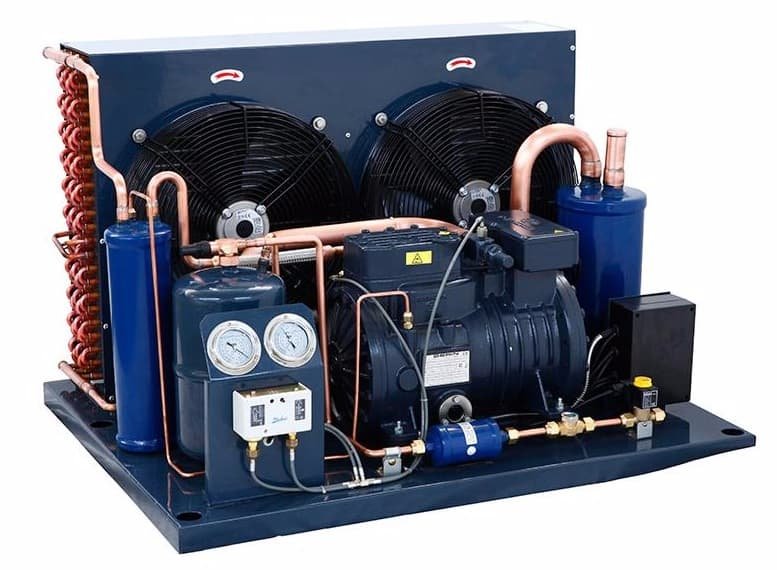
| พัดลมคอนเดนเซอร์ไม่ทำงาน | ไฟฟ้าขัดข้อง, มอเตอร์ผิดพลาด, ความเสียหายของตัวเก็บประจุ, ปัญหาการเดินสายไฟ, สิ่งกีดขวาง | ใบพัดลม, แหล่งจ่ายไฟ, ตัวเก็บประจุ, อุณหภูมิของมอเตอร์ | ผู้ดำเนินการ / ช่าง |
| คอมเพรสเซอร์มีเสียงดัง | ชิ้นส่วนหลวม, ตลับลูกปืนที่สึกหรอ, slug ของเหลว, การสั่นสะเทือน, ความเสียหายภายใน | แหล่งกำเนิดเสียงรบกวน, สลักเกลียวยึด, การสั่นสะเทือนของท่อ, ระดับน้ำมัน | ช่าง |
| การไหลเวียนของอากาศไม่ดี | เครื่องระเหยที่ถูกบล็อก, พัดลมทำงานล้มเหลว, ตัวกรองสกปรก, ล้นสต็อก, รูปแบบที่ไม่ดี | การทำงานของพัดลม, เส้นทางอากาศ, ระยะห่างของผลิตภัณฑ์, สภาพคอยล์ | ผู้ดำเนินการ / ช่าง |
| เซ็นเซอร์ทำงานผิดปกติ | เซ็นเซอร์ล้มเหลว, สายไฟหลวม, ตำแหน่งที่ไม่ถูกต้อง, ข้อผิดพลาดของคอนโทรลเลอร์, ดริฟท์การสอบเทียบ | อุณหภูมิห้อง, ตำแหน่งเซ็นเซอร์, สายไฟ, อุณหภูมิห้องจริง | ผู้ดำเนินการ / ช่าง |
| ไฟฟ้าดับ | ยูทิลิตี้ล้มเหลว, เบรกเกอร์สะดุด, การเชื่อมต่อหลวม, โอเวอร์โหลด, การสูญเสียเฟส | อุปทานหลัก, เบรกเกอร์, แรงดันไฟฟ้า, จอแสดงผลสัญญาณเตือน | ผู้ดำเนินการ / ช่าง |
อย่างแน่นอน, รายการวินิจฉัยด่วนไม่เฉพาะเจาะจงเพียงพอ, ดังนั้นเราจึงควรทราบรายละเอียดเพิ่มเติมเกี่ยวกับข้อบกพร่องและวิธีแก้ไข.
ส่วนการแก้ไขปัญหาโดยละเอียด
ห้องเย็นไม่เย็นพอ
| รายละเอียดข้อบกพร่อง | สาเหตุที่เป็นไปได้ | วิธีการตรวจสอบ | สารละลาย | ต้องการช่าง? |
|---|---|---|---|---|
| อุณหภูมิห้องเย็นสูงกว่าที่ตั้งไว้ | การตั้งค่าเทอร์โมสตัทไม่ถูกต้อง, คอยล์คอนเดนเซอร์สกปรก, บล็อกการไหลของอากาศ, ความเสียหายของปะเก็นประตู, สารทำความเย็นต่ำ, ข้อผิดพลาดของเซ็นเซอร์ | ตรวจสอบการตั้งค่าคอนโทรลเลอร์, ตรวจสอบความสะอาดของคอนเดนเซอร์, ยืนยันว่าประตูปิดสนิท, ตรวจสอบการจัดเรียงสินค้า, เปรียบเทียบอุณหภูมิปัจจุบันกับเทอร์โมมิเตอร์อิสระ | ปรับอุณหภูมิที่ตั้งไว้, คอนเดนเซอร์ที่สะอาด, ปรับปรุงการกวาดล้างการไหลของอากาศ, เปลี่ยนปะเก็นประตูที่ชำรุด, และจัดให้มีการตรวจสอบสารทำความเย็นหรือเซ็นเซอร์ | ใช่, หากการระบายความร้อนไม่ฟื้นตัวหลังจากการตรวจสอบขั้นพื้นฐาน |
หมายเหตุเพิ่มเติม:
สาเหตุที่พบบ่อยที่สุดคือคอยล์คอนเดนเซอร์สกปรก, การเปิดประตูบ่อยครั้ง, การจัดเรียงสินค้าไม่ดี, และอากาศรั่วที่ประตู. เริ่มต้นด้วยการตรวจสอบที่ง่ายที่สุดก่อน: จุดกำหนด, การปิดประตู, เส้นทางการไหลของอากาศ, และความสะอาดของคอยล์.
หากอุณหภูมิห้องสูงขึ้นเรื่อยๆ หรือสินค้าที่จัดเก็บไวต่ออุณหภูมิ, เคลื่อนย้ายผลิตภัณฑ์หากเป็นไปได้และติดต่อช่างเทคนิคทันที.
สังเกต: สำหรับการแก้ไขปัญหาเพิ่มเติมเกี่ยวกับข้อบกพร่องนี้, โปรดตรวจสอบโพสต์ “ทำไมห้องเย็นของคุณไม่เย็น?”
การสะสมของน้ำแข็งบนเครื่องระเหย
| รายละเอียดข้อบกพร่อง | สาเหตุที่เป็นไปได้ | วิธีการตรวจสอบ | สารละลาย | ต้องการช่าง? |
|---|---|---|---|---|
| น้ำแข็งหรือน้ำค้างแข็งกำลังก่อตัวบนคอยล์เย็น | ความล้มเหลวในการละลายน้ำแข็ง, ความชื้นสูง, ความเสียหายของปะเก็นประตู, พัดลมระเหยล้มเหลว, ท่อระบายน้ำที่ถูกบล็อก, การไหลของอากาศต่ำ | ตรวจสอบว่าวงจรละลายน้ำแข็งทำงานหรือไม่, ตรวจสอบปะเก็น, ยืนยันว่าพัดลมกำลังทำงาน, มองหาทางเดินอากาศที่ถูกปิดกั้น, ตรวจสอบแนวท่อระบายน้ำ | คืนค่าการดำเนินการละลายน้ำแข็งตามปกติ, เปลี่ยนปะเก็นที่เสียหาย, สิ่งกีดขวางการไหลของอากาศที่ชัดเจน, ทำความสะอาดท่อระบายน้ำ, และเอาน้ำแข็งส่วนเกินออกได้อย่างปลอดภัย | ใช่, หากน้ำแข็งคืนตัวเร็วหรือระบบละลายน้ำแข็งทำงานผิดปกติ |
หมายเหตุเพิ่มเติม:
วงจรการละลายน้ำแข็งล้มเหลวและอากาศชื้นอุ่นที่เข้ามาทางประตูเป็นสาเหตุที่พบบ่อยที่สุด.
ขั้นแรกให้ตรวจสอบว่าเครื่องอยู่ในโหมดละลายน้ำแข็งปกติหรือมีน้ำค้างแข็งเกิดขึ้นเร็วผิดปกติหรือไม่.
ถ้าไอซิ่งหนักจะทำให้ลมไหลเวียนไม่ดีหรือห้องไม่สามารถรักษาอุณหภูมิได้, อาจส่งผลต่อคุณภาพของผลิตภัณฑ์.

คอยล์เย็น น้ำแข็ง/ฟรอสต์
น้ำรั่ว
| รายละเอียดข้อบกพร่อง | สาเหตุที่เป็นไปได้ | วิธีการตรวจสอบ | สารละลาย | ต้องการช่าง? |
|---|---|---|---|---|
| มีน้ำรั่วภายในหรือรอบๆ ห้องเย็น | ท่อระบายน้ำที่ถูกบล็อก, ละลายน้ำล้น, ความเสียหายของปะเก็นประตู, การควบแน่นมากเกินไป, ความลาดชันของพื้นไม่เหมาะสม | ตรวจสอบท่อระบายน้ำและกระทะ, ตรวจสอบน้ำแข็งที่ปิดกั้นท่อระบายน้ำ, ตรวจสอบการปิดผนึกประตู, ดูพื้นที่พื้นและทางเดินน้ำละลายน้ำแข็ง | ล้างท่อระบายน้ำ, ทำความสะอาดกระทะ, แก้ไขปัญหาการซีลประตู, ปรับปรุงการระบายน้ำ, และตรวจสอบระบบละลายน้ำแข็งหากยังมีการรั่วไหลอยู่ | ใช่, หากมีการรั่วไหลซ้ำหรือเชื่อมโยงกับระบบละลายน้ำแข็ง |
หมายเหตุเพิ่มเติม:
ปัญหาที่พบบ่อยที่สุดคือท่อระบายน้ำอุดตันหรือเป็นน้ำแข็ง.
ตรวจสอบว่าน้ำปรากฏที่ไหน: ใกล้เครื่องระเหย, ใกล้ประตู, หรือข้ามพื้น.
หากน้ำทำให้เกิดอันตรายจากการลื่นล้ม, ความเสี่ยงจากเชื้อรา, หรือการรวมกลุ่มซ้ำ, จากนั้นควรตรวจสอบระบบทันที.
สังเกต: สำหรับการแก้ไขปัญหาเพิ่มเติมเกี่ยวกับข้อบกพร่องนี้, โปรดตรวจสอบโพสต์ “ทำไมห้องเย็นของคุณมีน้ำรั่ว?”
คอมเพรสเซอร์ไม่ทำงาน
| รายละเอียดข้อบกพร่อง | สาเหตุที่เป็นไปได้ | วิธีการตรวจสอบ | สารละลาย | ต้องการช่าง? |
|---|---|---|---|---|
| คอมเพรสเซอร์สตาร์ทหรือหยุดไม่สนิท | ไฟฟ้าขัดข้อง, เบรกเกอร์สะดุด, คอนโทรลเลอร์ผิดพลาด, การป้องกันการโอเวอร์โหลด, ข้อผิดพลาดในการเดินสายไฟ, ความล้มเหลวของคอมเพรสเซอร์ | ตรวจสอบแหล่งจ่ายไฟหลัก, สถานะเบรกเกอร์, สัญญาณเตือนคอนโทรลเลอร์, สภาพคอนแทคเตอร์, และคอมเพรสเซอร์จะร้อนหรือเงียบ | รีเซ็ตพลังงานหากปลอดภัย, คืนค่าแหล่งจ่ายไฟ, ตรวจสอบการตั้งค่าคอนโทรลเลอร์, และจัดให้มีการวินิจฉัยคอมเพรสเซอร์หรือไฟฟ้าหากเครื่องยังไม่สตาร์ท | ใช่, ในกรณีส่วนใหญ่ |
หมายเหตุเพิ่มเติม:
มักจะตรวจสอบปัญหาเกี่ยวกับแหล่งจ่ายไฟและข้อบกพร่องในการควบคุมก่อน, เพราะยืนยันได้ง่ายกว่าความเสียหายของคอมเพรสเซอร์ภายใน.
หากเบรกเกอร์สะดุดหรือคอมเพรสเซอร์ร้อนเกินไป, หยุดพยายามรีสตาร์ทซ้ำๆ.
การพยายามรีสตาร์ทอย่างต่อเนื่องอาจทำให้ความเสียหายแย่ลงและเพิ่มเวลาหยุดทำงาน.

โคปแลนด์คอมเพรสเซอร์
พัดลมคอนเดนเซอร์ไม่ทำงาน
| รายละเอียดข้อบกพร่อง | สาเหตุที่เป็นไปได้ | วิธีการตรวจสอบ | สารละลาย | ต้องการช่าง? |
|---|---|---|---|---|
| พัดลมคอนเดนเซอร์ไม่หมุนหรือทำงานผิดปกติ | ปัญหาเรื่องพลังงาน, มอเตอร์ผิดพลาด, ตัวเก็บประจุล้มเหลว, สายไฟหลวม, สิ่งกีดขวางทางกายภาพ, ใบพัดลมเสียหาย | ตรวจสอบว่าใบพัดลมถูกปิดกั้นหรือไม่, ตรวจสอบแหล่งจ่ายไฟ, ฟังเสียงฮัมมอเตอร์, ตรวจสอบสายไฟที่มองเห็นได้, และรู้สึกร้อนเกินไปบริเวณมอเตอร์ | ขจัดสิ่งกีดขวาง, เปลี่ยนใบมีดที่เสียหาย, ซ่อมสายไฟ, และเปลี่ยนมอเตอร์หรือคาปาซิเตอร์หากชำรุด | ใช่, หากมอเตอร์หรือชิ้นส่วนไฟฟ้าชำรุด |
หมายเหตุเพิ่มเติม:
พัดลมคอนเดนเซอร์ไม่ทำงานอาจทำให้เกิดแรงดันควบแน่นสูงและประสิทธิภาพการทำความเย็นต่ำได้อย่างรวดเร็ว.
ขั้นแรกให้ตรวจสอบการอุดตันที่ชัดเจนและยืนยันว่าพัดลมได้รับพลังงาน.
หากคอมเพรสเซอร์ยังทำงานอยู่ในขณะที่พัดลมไม่ทำงาน, ควรจัดให้มีการบริการอย่างรวดเร็วเพื่อหลีกเลี่ยงความเสียหายเพิ่มเติม.
การไหลเวียนของอากาศไม่ดี
| รายละเอียดข้อบกพร่อง | สาเหตุที่เป็นไปได้ | วิธีการตรวจสอบ | สารละลาย | ต้องการช่าง? |
|---|---|---|---|---|
| การไหลเวียนของอากาศภายในห้องเย็นอ่อนหรือไม่สม่ำเสมอ | สต๊อกเกิน, เครื่องระเหยที่ถูกบล็อก, พัดลมทำงานล้มเหลว, ตัวกรองสกปรก, การจัดวางผลิตภัณฑ์ไม่ดี, การสะสมของน้ำแข็ง | ตรวจสอบระยะห่างระหว่างสินค้ากับผนัง, ตรวจสอบการไหลของอากาศของเครื่องระเหย, ยืนยันการทำงานของพัดลม, และมองหาช่องระบายอากาศหรือทางกลับที่ถูกปิดกั้น | จัดเรียงสินค้าที่จัดเก็บใหม่, เส้นทางอากาศที่ชัดเจน, ทำความสะอาดตัวกรอง, คืนค่าการทำงานของพัดลม, และเอาน้ำแข็งออกถ้ามี | ใช่, หากการไหลเวียนของอากาศยังคงไม่ดีหลังจากการตรวจสอบโครงร่างและการทำความสะอาด |
หมายเหตุเพิ่มเติม:
การล้นของอากาศและการอุดตันของอากาศเป็นสาเหตุที่พบบ่อยที่สุด.
ตรวจสอบว่ากล่องหรือพาเลทกีดขวางอากาศจ่ายหรืออากาศไหลกลับ.
การไหลเวียนของอากาศที่ไม่ดีมักทำให้อุณหภูมิห้องไม่เท่ากัน, ซึ่งอาจนำไปสู่การสูญเสียผลิตภัณฑ์ที่ซ่อนอยู่แม้ว่าตัวควบคุมจะดูปกติก็ตาม.
เซ็นเซอร์ทำงานผิดปกติ
| รายละเอียดข้อบกพร่อง | สาเหตุที่เป็นไปได้ | วิธีการตรวจสอบ | สารละลาย | ต้องการช่าง? |
|---|---|---|---|---|
| อุณหภูมิที่แสดงไม่ถูกต้องหรือไม่เสถียรเนื่องจากปัญหาเซ็นเซอร์ | เซ็นเซอร์ล้มเหลว, สายไฟหลวม, ตำแหน่งเซ็นเซอร์ผิด, ข้อผิดพลาดของคอนโทรลเลอร์, ดริฟท์การสอบเทียบ | เปรียบเทียบอุณหภูมิที่แสดงกับเทอร์โมมิเตอร์ที่สอบเทียบแล้ว, ตรวจสอบตำแหน่งเซ็นเซอร์, ตรวจสอบการเชื่อมต่อสายไฟ, และตรวจสอบสัญญาณเตือนของผู้ควบคุม | เปลี่ยนตำแหน่งเซ็นเซอร์, ซ่อมแซมสายไฟที่หลวม, ปรับเทียบใหม่, และเปลี่ยนเซ็นเซอร์หากชำรุด | ใช่, หากจำเป็นต้องปรับเทียบใหม่หรือเปลี่ยนใหม่ |
หมายเหตุเพิ่มเติม:
ปัญหาเซ็นเซอร์อาจทำให้ห้องปรากฏเป็นปกติบนจอแสดงผล แม้ว่าอุณหภูมิในการจัดเก็บจริงจะไม่ถูกต้องก็ตาม. ขั้นแรก ให้เปรียบเทียบการอ่านค่าของตัวควบคุมกับเทอร์โมมิเตอร์อิสระที่วางอยู่ในโซนผลิตภัณฑ์.
หากความแตกต่างมีมากหรือค่าที่อ่านผันผวนผิดปกติ, ความปลอดภัยของผลิตภัณฑ์อาจมีความเสี่ยง.
ไฟฟ้าดับ
| รายละเอียดข้อบกพร่อง | สาเหตุที่เป็นไปได้ | วิธีการตรวจสอบ | สารละลาย | ต้องการช่าง? |
|---|---|---|---|---|
| ห้องเย็นสูญเสียพลังงานทั้งหมดหรือเป็นช่วงๆ | สาธารณูปโภคดับ, เบรกเกอร์สะดุด, วงจรโอเวอร์โหลด, การเชื่อมต่อหลวม, การสูญเสียเฟส, ความผิดในการกระจาย | ตรวจสอบแหล่งจ่ายไฟหลัก, แผงเบรกเกอร์, แรงดันไฟฟ้า, จอแสดงผลสัญญาณเตือน, และจะส่งผลกระทบต่ออุปกรณ์อื่นๆ หรือไม่ | ฟื้นฟูพลังงานสาธารณูปโภค, รีเซ็ตเบรกเกอร์, ลดการโอเวอร์โหลด, และตรวจสอบเส้นทางการจ่ายไฟฟ้า | ใช่, หากไฟฟ้าไม่กลับมาตามปกติหรือเกิดข้อผิดพลาดซ้ำ |
หมายเหตุเพิ่มเติม:
การหยุดทำงานโดยสิ้นเชิงมักจะระบุได้ง่าย, แต่การสูญเสียพลังงานเป็นระยะๆ เป็นอันตรายมากกว่า เนื่องจากทำให้เกิดอุณหภูมิที่ไม่เสถียรและการปิดระบบที่ยากต่อการติดตาม.
ยืนยันว่าไฟดับจะแยกออกไปหรือไม่ ห้องเย็น หรือส่งผลกระทบต่อทั้งไซต์.
ในระหว่างที่ไฟฟ้าดับ, ปิดประตูให้มากที่สุดเพื่อลดอุณหภูมิที่เพิ่มขึ้น.
ความผันผวนของอุณหภูมิ
| รายละเอียดข้อบกพร่อง | สาเหตุที่เป็นไปได้ | วิธีการตรวจสอบ | สารละลาย | ต้องการช่าง? |
|---|---|---|---|---|
| อุณหภูมิห้องขึ้นลงบ่อยเกินไป | ข้อผิดพลาดของเซ็นเซอร์, ปัญหาการตั้งค่าคอนโทรลเลอร์, ความถี่ในการเปิดประตู, ฉนวนไม่ดี, การไหลของอากาศต่ำ, ความผิดพลาดในการควบคุมเครื่องทำความเย็น | ตรวจสอบบันทึกอุณหภูมิ, เปรียบเทียบอุณหภูมิจริงและอุณหภูมิที่แสดง, ตรวจสอบประตู, การไหลของอากาศ, ฉนวนกันความร้อน, และการตั้งค่าคอนโทรลเลอร์ | การตั้งค่าที่ถูกต้อง, ปรับปรุงการจัดการประตู, ฟื้นฟูการไหลเวียนของอากาศ, ตรวจสอบฉนวน, และส่วนประกอบการควบคุมการบริการหากยังมีความผันผวนต่อไป | ใช่, หากเกิดความผันผวนบ่อยครั้งหรือรุนแรง |
หมายเหตุเพิ่มเติม:
การแกว่งของอุณหภูมิบ่อยครั้งมักจะบ่งบอกถึงปัญหาในการควบคุมหรือการใช้งาน ไม่ใช่ข้อผิดพลาดธรรมดาๆ เพียงอย่างเดียว.
ตรวจสอบว่ารูปแบบการเปิดประตูหรือการบรรทุกเกินกำลังทำให้เกิดความร้อนเพิ่มขึ้นอย่างกะทันหันหรือไม่.
หากสินค้าที่จัดเก็บมีความอ่อนไหวสูง, ความผันผวนในระยะสั้นอาจสร้างความเสี่ยงด้านคุณภาพได้.
สารทำความเย็นรั่ว
| รายละเอียดข้อบกพร่อง | สาเหตุที่เป็นไปได้ | วิธีการตรวจสอบ | สารละลาย | ต้องการช่าง? |
|---|---|---|---|---|
| สารทำความเย็นรั่วออกจากระบบทำความเย็น, ทำให้ประสิทธิภาพการทำความเย็นไม่ดีและการทำงานไม่เสถียร | การกัดกร่อนของท่อ, ข้อต่อรั่ว, ความเสียหายจากการสั่นสะเทือน, การประสานที่ไม่ดี, การสึกหรอของส่วนประกอบ, การติดตั้งที่ไม่เหมาะสม | ตรวจสอบระบบเพื่อหาร่องรอยน้ำมัน, ตรวจสอบว่าห้องเย็นช้ากว่าปกติหรือไม่, มองหาไอซิ่งหรือความแตกต่างของอุณหภูมิที่ผิดปกติ, และตรวจสอบจุดรั่วทั่วไป เช่น ข้อต่อ, วาล์ว, และการเชื่อมต่อท่อ | ระบุและซ่อมแซมจุดรั่วไหล, เปลี่ยนท่อหรือข้อต่อที่ชำรุด, ทดสอบแรงดันระบบ, อพยพอย่างเหมาะสม, และเติมสารทำความเย็นในปริมาณที่ถูกต้องหลังจากแก้ไขรอยรั่วแล้ว | ใช่ |
หมายเหตุเพิ่มเติม:
สาเหตุที่พบบ่อยที่สุดคือท่อสึกกร่อน, ข้อต่อหลวม, ความเสียหายที่เกี่ยวข้องกับการสั่นสะเทือน, และคุณภาพการติดตั้งไม่ดี.
ตรวจสอบคราบน้ำมันที่มองเห็นได้บนท่อทองแดง, ตัวเชื่อมต่อ, วาล์ว, และรอยเชื่อม, เพราะสารทำความเย็นรั่วมักมีรอยน้ำมันร่วมด้วย.
การสูญเสียผลิตภัณฑ์อาจเกิดขึ้นได้หากอุณหภูมิห้องเพิ่มขึ้นอย่างช้าๆ และปัญหาไม่ได้รับการสังเกตทันเวลา.
ติดต่อช่างเทคนิคที่ผ่านการรับรองทันทีหากประสิทธิภาพการทำความเย็นลดลง, คอมเพรสเซอร์ทำงานนานกว่าปกติ, หรือสงสัยว่าสารทำความเย็นรั่ว.

การทดสอบการรั่วไหลของสารทำความเย็น
ปัญหาซีลประตู
| รายละเอียดข้อบกพร่อง | สาเหตุที่เป็นไปได้ | วิธีการตรวจสอบ | สารละลาย | ต้องการช่าง? |
|---|---|---|---|---|
| ประตูห้องเย็นปิดไม่สนิท | ปะเก็นสึกหรอ, การวางแนวประตูไม่ตรง, ความเสียหายของเฟรม, การติดตั้งไม่ดี, เศษบนพื้นผิวซีล | ตรวจสอบสภาพปะเก็น, ตรวจสอบช่องว่างที่มองเห็นได้, ทดสอบการปิดประตู, และตรวจสอบการจัดตำแหน่งเฟรม | ทำความสะอาดบริเวณซีล, เปลี่ยนปะเก็น, ปรับการจัดตำแหน่งประตู, และแก้ไขปัญหาเฟรม | ใช่, หากต้องการการจัดตำแหน่งหรือการซ่อมแซมเฟรม |
หมายเหตุเพิ่มเติม:
ปัญหาการซีลประตูเป็นสาเหตุที่พบบ่อยมากเบื้องหลังการสูญเสียอุณหภูมิ, ไอซิ่ง, และการควบแน่น.
ตรวจสอบช่องว่างอากาศที่มองเห็นได้และสัญญาณความชื้นบริเวณขอบประตูก่อน. หากประตูปิดเองไม่ถูกต้อง, ควรแก้ไขปัญหาอย่างรวดเร็ว.
เสียงแปลก ๆ
| รายละเอียดข้อบกพร่อง | สาเหตุที่เป็นไปได้ | วิธีการตรวจสอบ | สารละลาย | ต้องการช่าง? |
|---|---|---|---|---|
| เสียงรบกวนที่ผิดปกติมาจากคอมเพรสเซอร์, พัดลม, ท่อ, หรือเครื่องทำความเย็น | ตัวยึดหลวม, หน้าสัมผัสของใบพัดลม, การสั่นสะเทือนของท่อ, ตลับลูกปืนมอเตอร์สึกหรอ, การสึกหรอภายในของคอมเพรสเซอร์, slug ของเหลว | ระบุแหล่งกำเนิดเสียง, ตรวจสอบใบพัดลมและตัวป้องกัน, ตรวจสอบสลักเกลียวยึด, ตรวจสอบการรองรับท่อ, และสังเกตเมื่อมีเสียงรบกวนเกิดขึ้น | ขันส่วนที่หลวมให้แน่น, จุดสั่นสะเทือนที่ถูกต้อง, เปลี่ยนพัดลมหรือมอเตอร์ที่เสียหาย, และตรวจสอบสภาพของคอมเพรสเซอร์หากยังมีเสียงดังอยู่ | ใช่, หากแหล่งกำเนิดความเสียหายของคอมเพรสเซอร์ภายในหรือการสั่นสะเทือนหนักซ้ำๆ |
หมายเหตุเพิ่มเติม:
เสียงรบกวนทั้งหมดไม่ได้หมายถึงความล้มเหลวครั้งใหญ่, แต่ไม่ควรละเลยเสียงดังกะทันหันหรือดังขึ้น.
ขั้นแรกให้พิจารณาว่าเสียงมาจากพัดลมหรือไม่, คอมเพรสเซอร์, หรือท่อสั่น.
ถ้าเคาะ, การตอก, หรือมีแรงเสียดทานของโลหะอยู่, หยุดเครื่องและจัดให้มีการตรวจสอบ.
การใช้พลังงานสูง
| รายละเอียดข้อบกพร่อง | สาเหตุที่เป็นไปได้ | วิธีการตรวจสอบ | สารละลาย | ต้องการช่าง? |
|---|---|---|---|---|
| ห้องเย็นใช้ไฟฟ้ามากกว่าปกติ | คอนเดนเซอร์สกปรก, อากาศรั่วที่ประตู, ฉนวนไม่ดี, การไหลของอากาศต่ำ, ตั้งอุณหภูมิไม่ถูกต้อง, คอมเพรสเซอร์ทำงานหนักเกินไป, ละลายน้ำแข็งบ่อยครั้ง | เปรียบเทียบค่าไฟฟ้าและรันไทม์, ตรวจสอบการปิดผนึกประตู, ตรวจสอบความสะอาดของคอยล์, ตรวจสอบจุดกำหนด, การไหลของอากาศ, และรูปแบบการดำเนินงาน | ทำความสะอาดคอยล์, ปรับปรุงการปิดผนึก, ปรับอุณหภูมิที่ตั้งไว้ให้เหมาะสม, ปรับปรุงการไหลเวียนของอากาศ, ลดการเปิดประตูโดยไม่จำเป็น, และตรวจสอบประสิทธิภาพของระบบ | ใช่, หากการใช้พลังงานยังคงอยู่ในระดับสูงหลังจากการแก้ไขขั้นพื้นฐาน |
หมายเหตุเพิ่มเติม:
ผู้ใช้หลายคนสังเกตเห็นต้นทุนด้านพลังงานเพิ่มขึ้นก่อนจะสังเกตเห็นข้อผิดพลาดในการระบายความร้อน.
ตรวจสอบคอยล์สกปรก, การปิดผนึกที่ไม่ดี, และตั้งอุณหภูมิเพราะเป็นเรื่องธรรมดาและแก้ไขได้ง่าย.
หากการใช้พลังงานเพิ่มขึ้นพร้อมกับอุณหภูมิที่ไม่คงที่, ปัญหาอาจอยู่ลึกกว่าการบำรุงรักษาตามปกติ.
ความผิดพลาดระดับช่างเทคนิค
ข้อบกพร่องด้านล่างจำเป็นต้องมีความรู้ทักษะในอุตสาหกรรมเครื่องทำความเย็น, จึงต้องอาศัยช่างเทคนิคมาจัดการเท่านั้น.
สารทำความเย็น ขูดเลือดขูดเนื้อ
| รายละเอียดข้อบกพร่อง | สาเหตุที่เป็นไปได้ | วิธีการตรวจสอบ | สารละลาย | ต้องการช่าง? |
|---|---|---|---|---|
| มีการเติมสารทำความเย็นเข้าสู่ระบบมากเกินไป | การบริการที่ไม่ถูกต้อง, การชาร์จโดยไม่มีการวัดที่เหมาะสม, การวินิจฉัยผิดพลาดหลังการซ่อมแซม | ตรวจสอบแรงดันของระบบ, สภาพการใช้งาน, ประสิทธิภาพของคอนเดนเซอร์, และพฤติกรรมของเครื่องระเหย | ให้แก้ไขค่าสารทำความเย็นตามความต้องการของระบบและข้อมูลการทำงาน | ใช่ |
หมายเหตุเพิ่มเติม:
นี่เป็นข้อผิดพลาดระดับช่างเทคนิคและไม่ควรจัดการโดยผู้ปฏิบัติงานปกติ.
มักจะเกี่ยวข้องกับงานบริการก่อนหน้านี้มากกว่าการดำเนินงานรายวัน.
การจัดการที่ไม่ถูกต้องอาจสร้างความเสียหายต่อประสิทธิภาพและประสิทธิภาพของระบบ.
อากาศเข้า ระบบ
| รายละเอียดข้อบกพร่อง | สาเหตุที่เป็นไปได้ | วิธีการตรวจสอบ | สารละลาย | ต้องการช่าง? |
|---|---|---|---|---|
| มีก๊าซไม่ควบแน่นอยู่ในระบบทำความเย็น | การอพยพที่ไม่สมบูรณ์, การบริการที่ไม่เหมาะสม, การรั่วไหลระหว่างการซ่อมแซม, ขั้นตอนการชาร์จไม่ดี | ตรวจสอบพฤติกรรมแรงดันที่ผิดปกติ, อุณหภูมิปล่อย, และประวัติการเข้ารับบริการ | นำสารทำความเย็นกลับมาใช้ใหม่หากจำเป็น, อพยพระบบอย่างถูกต้อง, และเติมเงินตามขั้นตอนการบริการที่เหมาะสม | ใช่ |
หมายเหตุเพิ่มเติม:
อากาศในระบบไม่ใช่ปัญหาในการบำรุงรักษาของผู้ใช้ตามปกติ. มักเกี่ยวข้องกับคุณภาพการติดตั้งหรือการบริการ.
หากเกิดความสงสัย, ควรตรวจสอบทั้งระบบด้วยเครื่องมือและขั้นตอนที่เหมาะสม.
สังเกต: หากคุณต้องการทราบวิธีแก้ไขปัญหาเพิ่มเติมเกี่ยวกับข้อบกพร่องนี้, โปรดตรวจสอบโพสต์ “วิธีกำจัดอากาศภายในระบบทำความเย็น?”
การอุดตันของ TXV
| รายละเอียดข้อบกพร่อง | สาเหตุที่เป็นไปได้ | วิธีการตรวจสอบ | สารละลาย | ต้องการช่าง? |
|---|---|---|---|---|
| วาล์วขยายตัวของอุณหภูมิถูกจำกัดหรือปิดกั้น | การปนเปื้อนของความชื้น, สิ่งสกปรกในระบบ, ปัญหาเครื่องกรองแห้ง, การอพยพไม่ดี | ตรวจสอบพฤติกรรมความร้อนยวดยิ่ง, สภาพเส้นของเหลว, สถานะตัวกรองแห้ง, และรูปแบบการป้อนเครื่องระเหย | เปลี่ยนส่วนประกอบที่ถูกบล็อก, แก้ไขปัญหาการปนเปื้อนที่ถูกต้อง, และฟื้นฟูระบบการทำให้แห้งและการชาร์จอย่างเหมาะสม | ใช่ |
หมายเหตุเพิ่มเติม:
ข้อผิดพลาดนี้มักเกี่ยวข้องกับการปนเปื้อนหรือความชื้นภายในวงจรทำความเย็น.
ไม่เหมาะสำหรับผู้ใช้ปลายทางที่จะซ่อมแซมโดยตรง.
หากเครื่องระเหยหิวโหยและความเย็นลดลงอย่างรวดเร็ว, ต้องการบริการช่างเทคนิค.
น้ำมันแช่แข็งในท่อส่งระเหย
| รายละเอียดข้อบกพร่อง | สาเหตุที่เป็นไปได้ | วิธีการตรวจสอบ | สารละลาย | ต้องการช่าง? |
|---|---|---|---|---|
| น้ำมันสะสมและส่งผลต่อการไหลของสารทำความเย็นหรือการแลกเปลี่ยนความร้อน | น้ำมันกลับไม่ดี, ปัญหาการออกแบบท่อ, ความไม่สมดุลของการดำเนินงานในระยะยาว, สภาพโหลดต่ำ | ตรวจสอบประสิทธิภาพการทำความเย็น, สภาพท่อ, พฤติกรรมของเครื่องระเหย, และประวัติการเข้ารับบริการ | วินิจฉัยเงื่อนไขการคืนน้ำมัน, ปัญหาท่อหรือการดำเนินงานที่ถูกต้อง, และทำความสะอาดส่วนที่ได้รับผลกระทบ | ใช่ |
หมายเหตุเพิ่มเติม:
นี่เป็นปัญหาวงจรทำความเย็นที่ลึกลงไป.
ผู้ซื้อและผู้ประกอบการส่วนใหญ่ไม่จำเป็นต้องมีขั้นตอนการซ่อมที่นี่, แต่จำเป็นต้องทราบอาการและเมื่อจะเรียกใช้บริการ.
ปั่นจักรยานระยะสั้น
| รายละเอียดข้อบกพร่อง | สาเหตุที่เป็นไปได้ | วิธีการตรวจสอบ | สารละลาย | ต้องการช่าง? |
|---|---|---|---|---|
| คอมเพรสเซอร์สตาร์ทและหยุดบ่อยเกินไป | ข้อผิดพลาดในการควบคุม, ปัญหาเซ็นเซอร์, สารทำความเย็นต่ำ, ความดันศีรษะสูง, การตั้งค่าไม่ถูกต้อง, ปัญหาไฟฟ้า | สังเกตความถี่ของวงจร, ตรวจสอบการตั้งค่าคอนโทรลเลอร์, ตรวจสอบการอ่านเซ็นเซอร์, และทบทวนแรงกดดันของระบบ | การตั้งค่าที่ถูกต้อง, ตรวจสอบการควบคุมและเซ็นเซอร์, และวินิจฉัยสาเหตุของความเย็นหรือไฟฟ้าก่อนรีสตาร์ทซ้ำๆ | ใช่ |
หมายเหตุเพิ่มเติม:
การปั่นจักรยานระยะสั้นจะเพิ่มการสึกหรอและการใช้พลังงานอย่างรวดเร็ว.
ขั้นแรกให้ยืนยันว่าปัญหาเกิดขึ้นจริง ไม่ใช่แค่การละลายน้ำแข็งหรือวงจรการละลายน้ำแข็งตามปกติ.
หากการสตาร์ทซ้ำเกิดขึ้นภายในช่วงเวลาสั้นๆ, ควรตรวจสอบตัวเครื่องก่อนที่ความเสียหายจะรุนแรงขึ้น.
รายการตรวจสอบการบำรุงรักษาเชิงป้องกัน
รายวัน: ตรวจสอบอุณหภูมิห้อง, สถานะการเตือน, การปิดประตู, และน้ำแข็งหรือน้ำที่มองเห็นได้.
รายสัปดาห์: ทำความสะอาดบริเวณคอยล์และพัดลม, ตรวจสอบปะเก็นประตู, และตรวจสอบให้แน่ใจว่าไม่มีการปิดกั้นการไหลเวียนของอากาศ.
รายเดือน: ตรวจสอบสายไฟ, ตรวจสอบความแม่นยำของเซ็นเซอร์, มองหาสัญญาณการรั่วไหลของสารทำความเย็น, และทำความสะอาดระบบระบายน้ำ.
คำถามที่พบบ่อย
ไตรมาสที่ 1: ฉันจะระบุประเภทของปัญหาได้อย่างรวดเร็วได้อย่างไร: คอมเพรสเซอร์, สารทำความเย็น, ตัวควบคุม, หรือการซีลประตู?
การแสดงผลที่ไม่ถูกต้องหรือการอ่านที่ไม่เสถียรมักชี้ถึงปัญหาของคอนโทรลเลอร์/เซ็นเซอร์; ช่องว่างที่มองเห็นได้, การควบแน่น, หรือมีน้ำค้างแข็งใกล้ประตู บ่งบอกถึงปัญหาการซีล; การระบายความร้อนที่อ่อนแอและรันไทม์นานอาจบ่งบอกถึงการสูญเสียสารทำความเย็น; การเดินทางซ้ำแล้วซ้ำเล่า, ความล้มเหลวในการเริ่มต้น, หรือเสียงดังทางกลไกมักบ่งบอกถึงความผิดปกติของคอมเพรสเซอร์หรือไฟฟ้า.
ไตรมาสที่ 2: ข้อผิดพลาดข้อใดบ่งชี้ว่าการเลือกหน่วยไม่ถูกต้องและจำเป็นต้องกำหนดค่าใหม่, แทนที่จะซ่อมแซม?
ถ้า ห้องเย็น ไม่เคยถึงอุณหภูมิที่ตั้งไว้ภายใต้ภาระปกติ, วิ่งเกือบต่อเนื่อง, ฟื้นตัวช้าเกินไปหลังจากการเปิดประตู, หรือแสดงการปั่นจักรยานระยะสั้น/การใช้พลังงานสูงในระยะยาวแม้จะบำรุงรักษาอย่างเหมาะสมก็ตาม, หน่วยอาจใหญ่เกินไปหรือเล็กเกินไปแทนที่จะเป็นเพียงความผิดพลาด.
ไตรมาสที่ 3: ส่วนใดที่มีแนวโน้มที่จะล้มเหลวมากที่สุด, จึงต้องเตรียมการสำรองข้อมูล?
ชิ้นส่วนที่เสี่ยงต่อความล้มเหลวมากที่สุด: ปะเก็นประตู, มอเตอร์พัดลมคอยล์เย็น, มอเตอร์พัดลมคอนเดนเซอร์, เซ็นเซอร์/โพรบ, ตัวควบคุม, คอนแทคเตอร์/ตัวเก็บประจุ, เครื่องทำความร้อนท่อระบายน้ำ, เครื่องเป่า, วาล์ว, และส่วนประกอบที่เกี่ยวข้องกับการละลายน้ำแข็ง.
ไตรมาสที่ 4: อะไรคือความแตกต่างในข้อผิดพลาดทั่วไประหว่างห้องเย็นที่มีอุณหภูมิต่างกัน (ตัวอย่างเช่น: 0เครื่องทำความเย็น ~5°C, -18ตู้แช่แข็ง°ซ)?
ชิลเลอร์มักประสบปัญหาการระบายความร้อนไม่ดี, การควบแน่น, และการรั่วไหลของอากาศที่ประตู, ในขณะที่ตู้แช่แข็งมีแนวโน้มที่จะเกิดไอระเหยมากกว่า, ปัญหาการละลายน้ำแข็ง, ท่อระบายน้ำแช่แข็ง, และน้ำค้างแข็งที่ประตู.
บทสรุป
สรุป, การทำความเข้าใจข้อบกพร่องของห้องเย็นทั่วไปและการดำเนินการที่ถูกต้องตั้งแต่เนิ่นๆ สามารถช่วยลดเวลาหยุดทำงานได้, ป้องกันการสูญเสียผลิตภัณฑ์, และปรับปรุงความน่าเชื่อถือของระบบ.
กระบวนการแก้ไขปัญหาที่ชัดเจน, รวมกับการบำรุงรักษาตามปกติ, สามารถทำให้การทำงานของห้องเย็นมีประสิทธิภาพและคุ้มค่ามากยิ่งขึ้น.