No mundo do HVACR (Aquecimento, Ventilação, Ar condicionado, e Refrigeração) sistemas, O distribuidor de refrigerante desempenha um papel crucial, mas muitas vezes esquecido. Se você está procurando “o que é um distribuidor de refrigerante,” “como funciona um distribuidor de refrigerante,” ou “tipos de distribuidores de refrigerante,” este guia cobre tudo que você precisa saber.
Quer você seja um técnico de HVACR, engenheiro, ou proprietário solucionando problemas em sua unidade AC, compreender o distribuidor de refrigerante pode otimizar a eficiência do sistema, evitar avarias dispendiosas, e garantir um resfriamento uniforme.
Vamos detalhar passo a passo, do básico à solução de problemas avançada.
Introdução ao Distribuidor de Refrigerante
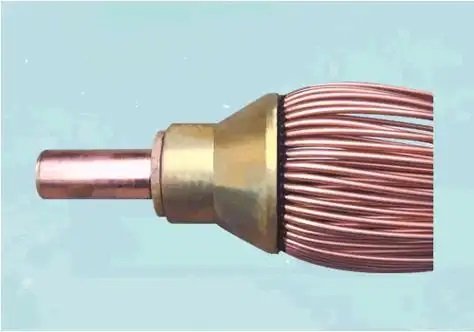
O distribuidor de refrigerante é um dispositivo mecânico vital em refrigeração e ar condicionado sistemas, usado especificamente para dispersar uniformemente refrigerante líquido e vapor através de vários circuitos paralelos em uma bobina do evaporador.
Muitas vezes comparado a um “chuveiro” para refrigerante, garante um fluxo equilibrado, evitando pontos de acesso ou ineficiências que poderiam levar ao resfriamento irregular ou à tensão do sistema.
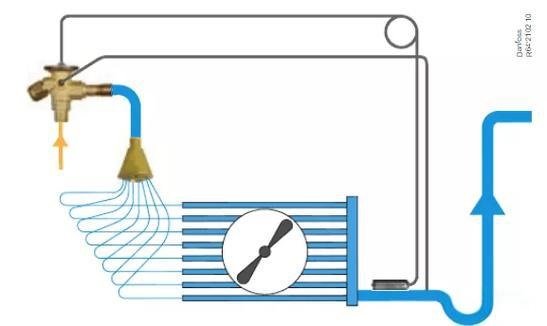
Em configurações HVACR, o distribuidor fica entre a válvula de expansão termostática (TXV) e o evaporador, manuseio de refrigerante saturado (uma mistura de líquido e gás) para promover a absorção ideal de calor.
Por que isso importa?
A má distribuição pode causar congelamento da bobina, eficiência reduzida, ou danos no compressor.
Para quem está perguntando “função de distribuidor de refrigerante,” é essencialmente o equalizador que maximiza a transferência de energia, melhorando o desempenho geral do sistema em até 20~30% em evaporadores multicircuito. Este guia desmistifica tanto para iniciantes quanto para profissionais.
História e Evolução dos Distribuidores de Refrigerantes
A história do distribuidor de refrigerante reflete a evolução mais ampla dos refrigerantes e da tecnologia HVACR, que remonta ao final do século 19, quando surgiu a refrigeração mecânica. Em 1876, O engenheiro alemão Carl von Linde patenteou processos de liquefação de gás, lançando bases para sistemas modernos. Os primeiros distribuidores eram rudimentares, contando com variedades simples sem mistura precisa.
Na década de 1920, com a invenção dos clorofluorcarbonos (CFC) por Thomas Midgley, distribuidores evoluíram para lidar com refrigerantes mais voláteis como o R12. As décadas de 1970-1980 viram avanços em meio às preocupações ambientais, mudando de CFCs para HCFCs (por exemplo., R22). Os distribuidores incorporaram bicos para melhor controle de velocidade, abordando problemas como fluxo desigual em bobinas maiores.
Hoje, com a eliminação progressiva do R22 sob o Protocolo de Montreal e o aumento de HFCs como o R410a, R32, R404, etc. distribuidores modernos apresentam orifícios intercambiáveis e projetos de venturi para baixo GWP (Potencial de aquecimento global) refrigerantes. Tendências futuras apontam para adaptações ecológicas para sistemas baseados em CO2, enfatizando a sustentabilidade na evolução do HVACR.
Como funciona um distribuidor de refrigerante
Entendimento “como funciona um distribuidor de refrigerante” começa com a sua colocação no ciclo de refrigeração. Após o TXV medir o refrigerante no distribuidor, o dispositivo usa bico para acelerar o fluxo, criando uma queda de pressão que mistura as fases líquida e vapor de forma homogênea.
Esta mistura de alta velocidade então se ramifica em tubos capilares ou circuitos, garantindo evaporação uniforme em toda a bobina.
Principais etapas da operação:
- Fase de entrada: O refrigerante saturado entra pela TXV a pressão moderada.
- Câmara de Mistura: Defletores internos ou efeitos Venturi agitam o refrigerante, alcançar 50-70% qualidade do vapor para distribuição uniforme.
- Distribuição de saída: Tubos alimentam o evaporador, onde o refrigerante absorve calor, transformando-se em vapor antes de retornar ao compressor.
- Dinâmica de Pressão: O dimensionamento adequado mantém um 5-10 queda psi, impedindo a estratificação (pooling líquido).
Em evaporadores multicircuito, isso impede “má distribuição,” onde algumas seções superalimentam enquanto outras morrem de fome, levando a ineficiências. Para alunos visuais, imagine isso como um guarda de trânsito direcionando o refrigerante “carros” para evitar congestionamentos.
Tipos de distribuidores de refrigerante
Nem todos os distribuidores de refrigerante são criados iguais – a seleção depende do tamanho do sistema, Tipo de refrigerante, e projeto do evaporador. Aqui está uma análise dos tipos comuns:
| Tipo | Descrição | Melhor para | Principais recursos |
|---|---|---|---|
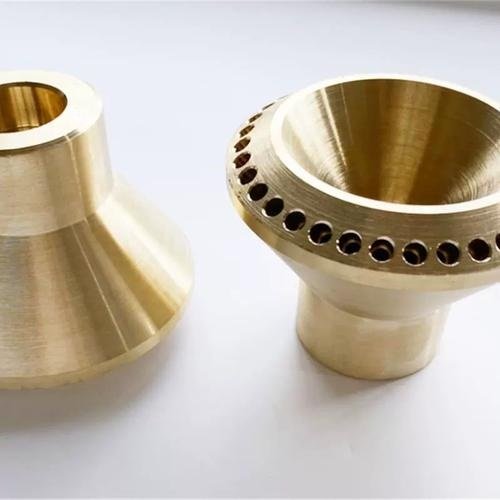
| Bocal | Usa orifícios intercambiáveis para controlar o fluxo; assemelha-se a uma tampa perfurada | Aplicações flexíveis como unidades comerciais de AC | Dimensionamento ajustável, reformas fáceis; lida bem com o R-410A |
| Venturi Flo | Unidade inteiriça com bocal venturi para mistura natural através do aumento de velocidade | Sistemas de alta capacidade | Sem peças soltas, reduz o entupimento; ideal para R-134a |
| DR (Distribuidor de Líquidos) | Estilo Danfoss com ramificação uniforme para evaporadores de múltiplas seções | Refrigeração industrial | Compatível com R-404A, R-407C; garante baixas frações de vazios |
| Entrada de flange (por exemplo., Tipos 1109/1124) | Aparafusa-se diretamente na saída TXV com flange macho | Sistemas integrados ao Sporlan | Compactar, resistente a vibrações; para unidades residenciais menores |
| Distribuidores de Orifícios | Design básico semelhante a um chuveiro com orifícios fixos | Configurações de orçamento | Simples, econômico; comum em sistemas R-22 mais antigos |
Escolha com base no refrigerante (por exemplo., R410a precisa de maior tolerância à pressão) e contagem de circuitos - até 12 para bobinas grandes.
Importância em Sistemas HVACR
O distribuidor de refrigerante não é negociável para eficiência em HVACR moderno. Promove transferência uniforme de calor, reduzindo o uso de energia, garantindo que cada seção da bobina evapore o refrigerante de maneira ideal. Sem isso, sistemas sofrem:
- Resfriamento irregular: Pontos quentes/frios nos quartos.
- Sobrecarga do compressor: Floodback de fluxo desequilibrado.
- Perdas de eficiência: Até 15% contas de energia mais altas.
Em ambientes comerciais, prolonga a vida útil do equipamento, minimizando o estresse térmico. Para pesquisas ecologicamente conscientes como “economia de energia no distribuidor de refrigerante,” observe que ele suporta transições de baixo GWP, alinhamento com os regulamentos da EPA.
Guia de instalação para distribuidores de refrigerante
A instalação adequada do distribuidor de refrigerante é fundamental para evitar vazamentos ou restrições. Sempre siga as especificações do fabricante (por exemplo., Diretrizes da Parker Sporlan). Ferramentas necessárias: chave dinamométrica, fluxo, tocha de brasagem.
Passo a passo:
- Prepare o sistema: Evacuar refrigerante; isolar o evaporador.
- Monte o Distribuidor: Posicione horizontalmente acima do cabeçalho da bobina, 6-12 polegadas de TXV. Prenda com grampos.
- Conectar entrada: Solde ou aparafuse na saída TXV; usar ASC (Seletor Automático de Distribuidor) se necessário para retenção do bico.
- Anexe tubos de saída: Corte no comprimento (combinar circuitos de bobina); alargar termina e conectar com sindicatos. Garanta comprimentos iguais para equilíbrio.
- Isolar e testar: Enrole com espuma; teste de pressão em 300 psi, em seguida, verifique o vazamento com nitrogênio.
- Cobrança e Comissão: Adicionar refrigerante; monitorar superaquecimento (8-12Alvo °F).
Para dica: Para R410a, use tubos mais longos para uma melhor mistura. Consulte os códigos locais para segurança.
Dicas de manutenção para uma vida mais longa
A manutenção regular do distribuidor de refrigerante evita 80% de falhas. Agende verificações semestrais.
- Inspeção visual: Procure por corrosão, acessórios soltos, ou resíduo de óleo indicando vazamentos.
- Limpar Orifícios: Lave com solvente se estiver entupido; evite abrasivos.
- Verifique a tubulação: Certifique-se de que não há dobras; substitua se tiver diâmetro reduzido.
- Ajuste em todo o sistema: Verifique a função TXV e superaquecimento; ajuste o distribuidor se forem detectados desequilíbrios de fluxo.
- Pureza do refrigerante: Use filtros para evitar detritos; mudar anualmente.
Para “limpeza de distribuidor de refrigerante,” uma simples passagem de nitrogênio é suficiente para a maioria dos tipos. Isto prolonga a vida 10+ anos.

Problemas comuns e solução de problemas para distribuidor de refrigerante
A solução de problemas do distribuidor de refrigerante geralmente revela restrições ou mau funcionamento.
Sintomas: Baixa pressão de sucção, congelamento da bobina, ou temperaturas irregulares.
| Emitir | Causas | Solução de problemas |
|---|---|---|
| Distribuição desigual | Bocal entupido ou comprimentos de tubo desiguais | Medir fluxos; redimensionar orifícios; equalizar a tubulação |
| Congelamento | Carga baixa ou restrição | Verifique o superaquecimento; descongelar e recarregar; inspecionar se há detritos |
| Vazamentos | Falha na junta soldada | Reparar ou substituir a brasagem; usar 45% solda de prata |
| Mistura ruim | Venturi desgastado | Substitua o distribuidor; teste de queda de velocidade |
Use medidores: Apontar para superaquecimento de 5-10°F. Se persistente, chame um profissional para evitar danos ao compressor.
Conclusão
Dominar o distribuidor de refrigerante desbloqueia eficiência, desempenho confiável de HVACR. Da mecânica acionada por venturi à versatilidade do tipo de bico, este componente garante que seu sistema funcione sem problemas.
Lembrar: Instale corretamente, manter diligentemente, e solucionar problemas de forma proativa. À medida que os refrigerantes evoluem em direção à sustentabilidade, os distribuidores se adaptarão – mantenham-se informados por meio de recursos como ASHRAE.
Para mais informações “melhores práticas para distribuidores de refrigerante,” marcar este guia.